




Plantar Fasciitis
Explore practical information on plantar fasciitis, from understanding heel pain and managing symptoms to choosing insoles, exercises and other support options. Written for healthcare professionals and people looking for clear foot health advice.
Understanding plantar fasciitis
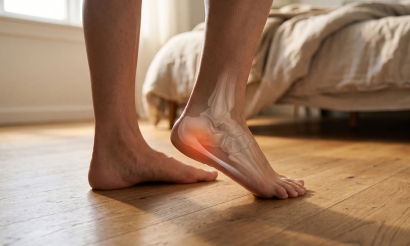
Plantar fasciitis, also known as plantar fasciopathy, is a common cause of pain beneath the heel. Symptoms are often most noticeable during the first few steps after getting out of bed or standing after a period of rest. The discomfort may ease with movement before returning following prolonged standing or activity.
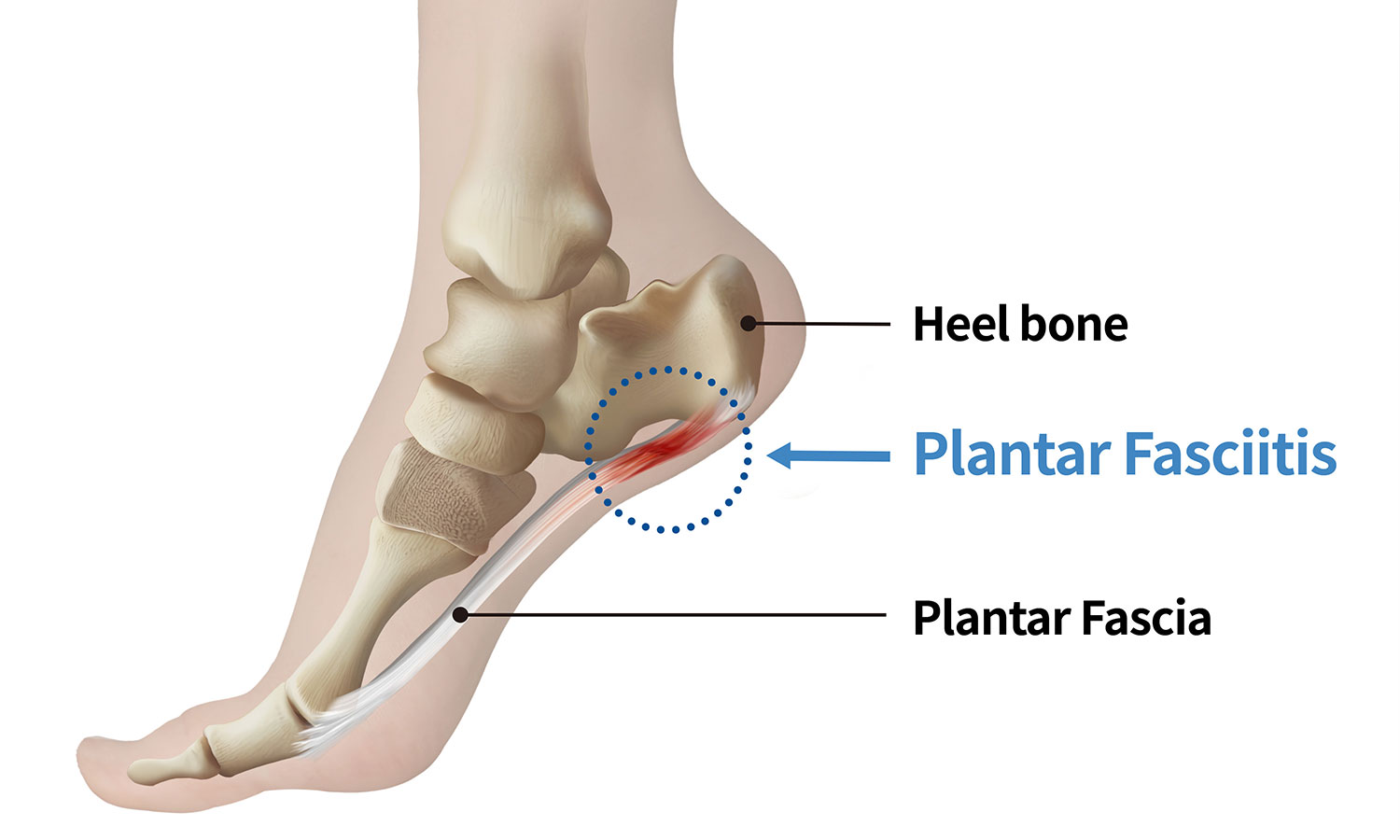
It is a painful condition involving the plantar fascia, the strong band of connective tissue that runs from the heel towards the front of the foot and helps support the arch. Pain is commonly associated with repetitive loading and reduced tissue tolerance - rather than necessarily being an acute inflammatory injury.
Management usually involves a combination of suitable footwear, gradual activity adjustment, stretching and strengthening. Insoles, taping and night splints may also help in selected cases. Persistent or unusual heel pain should be assessed by an appropriately qualified clinician.
Plantar fasciitis articles and guides
Start with these three guides, then explore specific advice on treatment, exercises, orthotic insoles and everyday symptom management.
Plantar Fasciitis: A Research-Backed Guide
Understand common symptoms, likely causes and the main routes to recovery.
Read guide →8 Proven Exercises for Plantar Fasciitis
A practical starting point for foot and calf stretching and strengthening.
Read guide →Best Insoles for Plantar Fasciitis: 2026 Guide
How to assess arch support, heel cushioning and fit when selecting insoles.
Read guide →Understanding heel pain
Understanding Arch Pain and Plantar Fasciitis
Learn how plantar heel pain and arch symptoms can be related.
Read guide →Barefoot Walking and Plantar Fasciitis
A balanced look at barefoot walking, load tolerance and footwear decisions.
Read guide →Treatment and self-care
Plantar Fasciitis Treatment at Home
Simple self-management measures for people dealing with persistent heel discomfort.
Read guide →Plantar Fasciitis Treatment Options
Compare common conservative approaches and when professional help may be appropriate.
Read guide →How Night Splints Help Plantar Fasciitis
Understand how night splints are used and why they may be considered.
Read guide →Kinesiology Taping for Plantar Fasciitis
Follow a practical approach to foot taping as an additional support option.
Read guide →Using Ice Packs for Plantar Fasciitis Relief
How cold therapy may help with short-term symptom management.
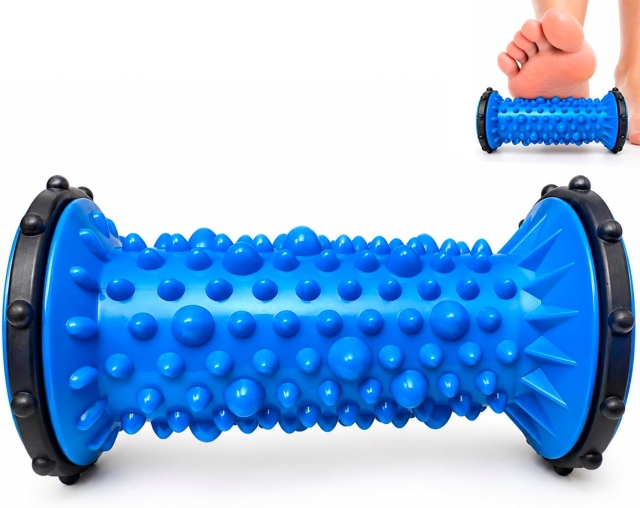
Read guide →Physioworx Plantar Fasciitis Foot Massager
Learn about a manual foot roller as an optional self-care aid.
Read guide →Exercises and rehabilitation
Towel Curl Exercise Guide for Plantar Fasciitis
Learn a straightforward foot-muscle exercise and its potential place in rehabilitation.
Read guide →Plantar Fasciitis Exercises with Resistance Band
An introduction to resistance-based foot exercises.
Read guide →Insoles and foot support
Podiatrist Recommended Insoles for Plantar Fasciitis
Explore the role of support and cushioning in everyday footwear.
Read guide →Best Plantar Fasciitis Insole Brands
A comparison of insole features and practical selection considerations.
Read guide →Looking for more? Browse the complete plantar fasciitis article archive, including specialist topics and older resources.
A practical approach to managing heel pain
Plantar heel pain rarely has a single instant solution. These four steps provide a useful framework for discussing care with a podiatrist or physiotherapist.
Review symptoms
Identify where the pain occurs, when it started and what makes it better or worse. Not all heel pain is plantar fasciitis.
Modify loading
Adjust activities that repeatedly aggravate symptoms while maintaining tolerable movement where possible.
Build capacity
Use an appropriate programme of calf and foot stretches and strengthening exercises, progressing gradually.
Review support
Consider footwear, insoles and other measures as part of a wider care plan and reassess if symptoms continue.
When to seek help: Get clinical advice for severe, worsening or persistent pain, or if symptoms follow an injury. Sudden inability to bear weight, marked swelling, redness, fever or new neurological symptoms need prompt assessment. People with diabetes or altered foot sensation should seek individual advice before trying self-treatment.
Comparing common plantar fasciitis support options
Different approaches address different aspects of heel pain. They are often used together, depending on the person and their symptoms.
| Approach | Potential role | Useful guide |
|---|---|---|
| Exercises | Improve flexibility and gradually strengthen tissues involved in foot and ankle loading. | Exercise guide |
| Orthotic insoles | Provide arch support, heel cushioning or redistribute load inside footwear. | Insole selection guide |
| Night splints | Maintain a gentle stretch overnight in selected cases, particularly with morning pain. | Night splints guide |
| Taping | May offer temporary symptom relief or mechanical support during activity. | Taping guide |
| Cold therapy | May provide short-term relief during painful flare-ups. | Ice pack guide |
Frequently asked questions about plantar fasciitis
What are the typical symptoms of plantar fasciitis?
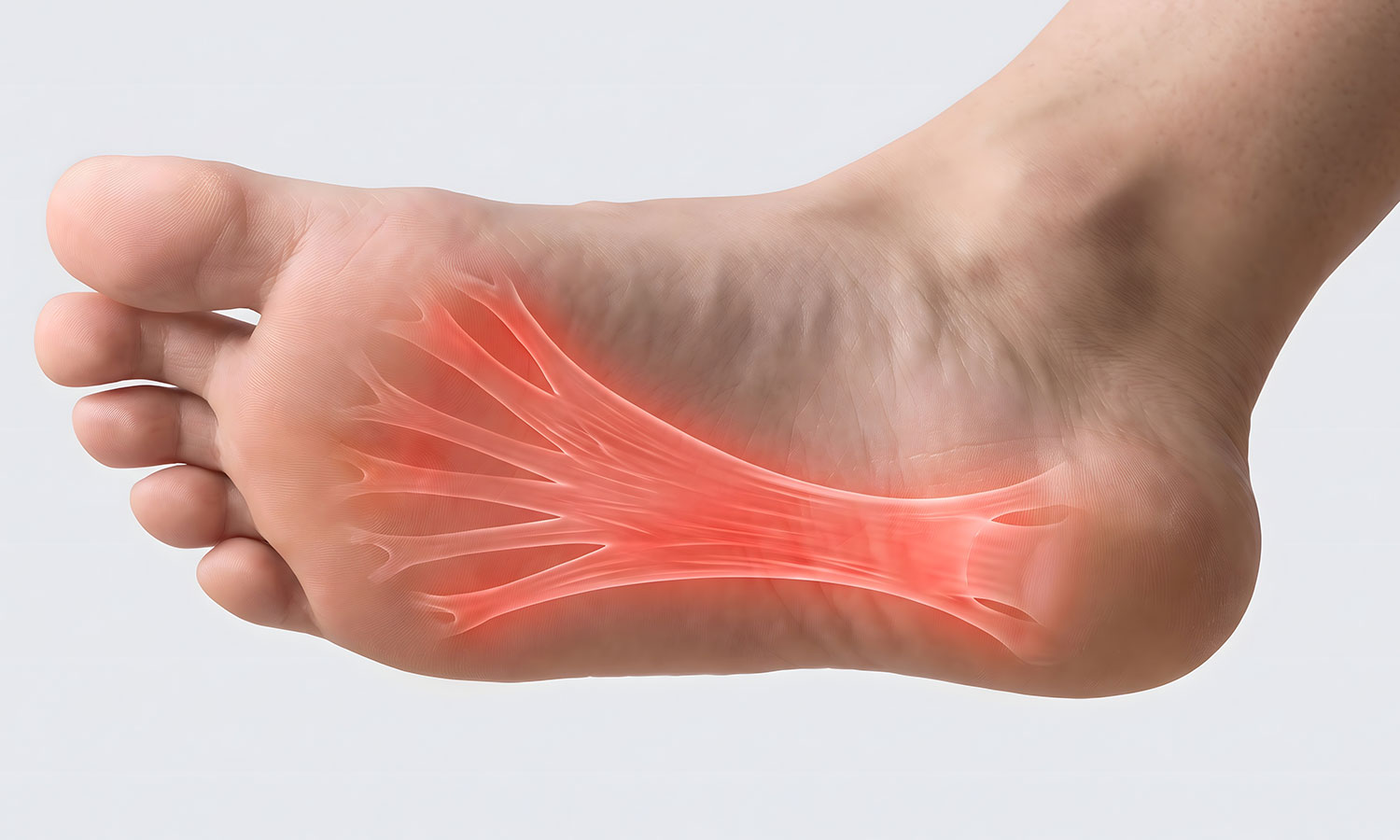
Pain is usually felt beneath or just inside the heel, often worst with the first steps after rest. Symptoms may also occur along the arch. Other conditions can cause similar pain, so symptoms alone do not confirm a diagnosis.
How long does plantar fasciitis take to improve?
Recovery varies. Many cases gradually improve over months with an appropriate plan, but persistent symptoms can take longer and benefit from reassessment. There is no reliable instant cure.
Can insoles help plantar fasciitis?
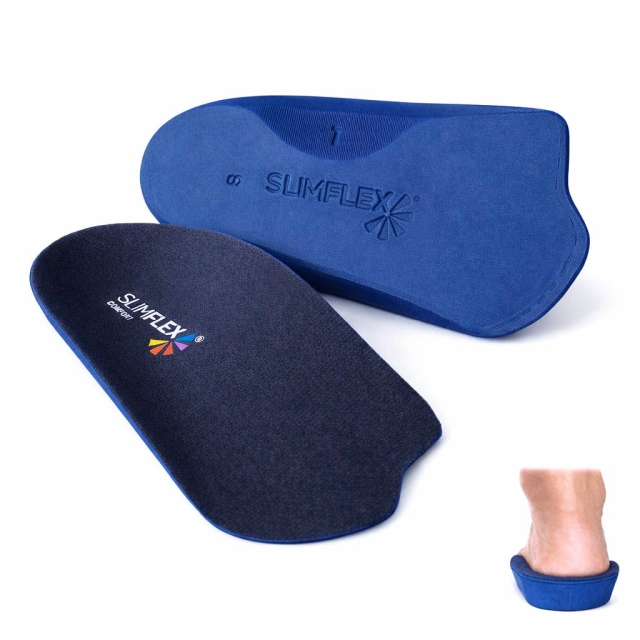
Insoles can improve comfort and provide support for some people, especially when used with suitable footwear and exercises. The most suitable design depends on foot shape, footwear, symptoms and clinical needs.
Should I stretch or rest my foot?
Complete rest is not usually necessary. Adjusting aggravating activity alongside appropriate stretching and progressive strengthening is a common approach. Exercises should not cause sharp or substantially worsening pain.
Are night splints useful?
Night splints may be considered for some people with persistent first-step morning pain. They are not essential for everyone, and comfort, tolerance and individual advice matter.
Is walking barefoot recommended?
There is no universal answer. Hard floors and sudden changes to loading may aggravate symptoms, particularly during a painful phase. Footwear and activity choices should be guided by comfort and gradual tolerance.
Looking for plantar fasciitis products?
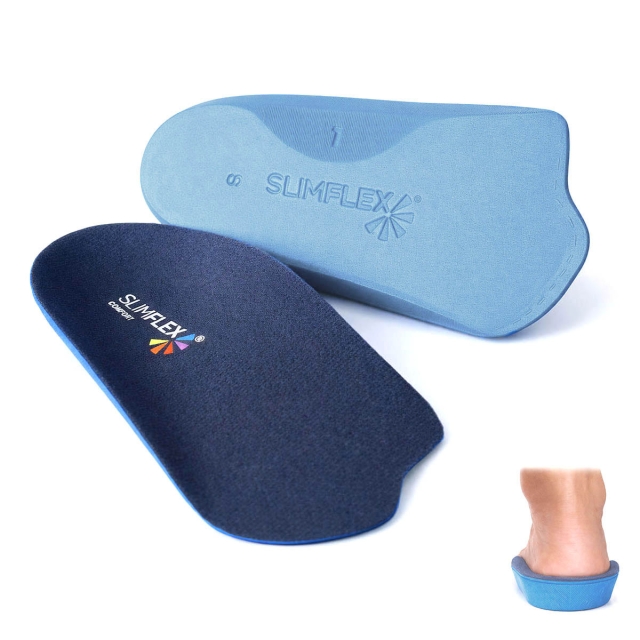
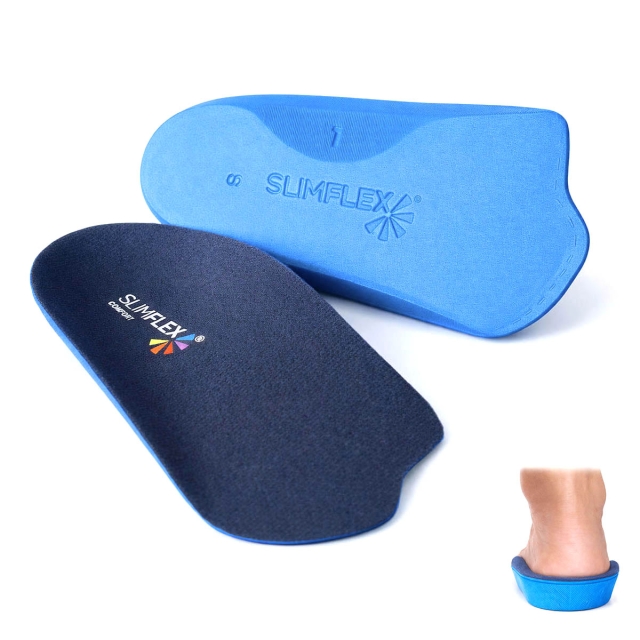
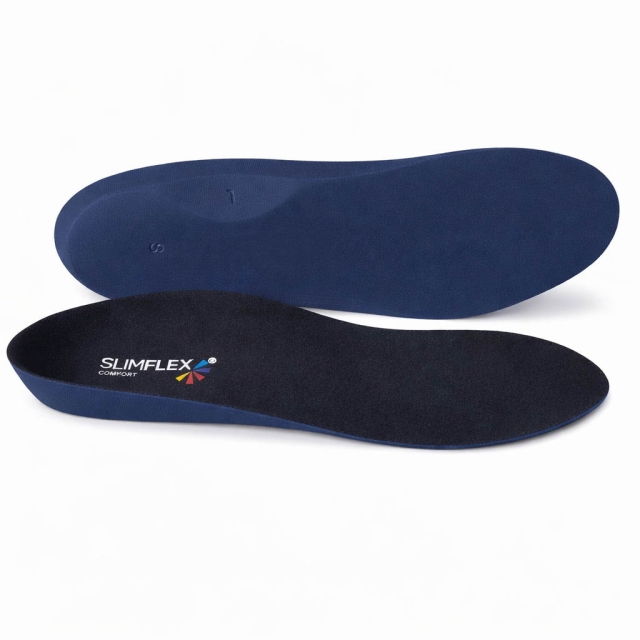
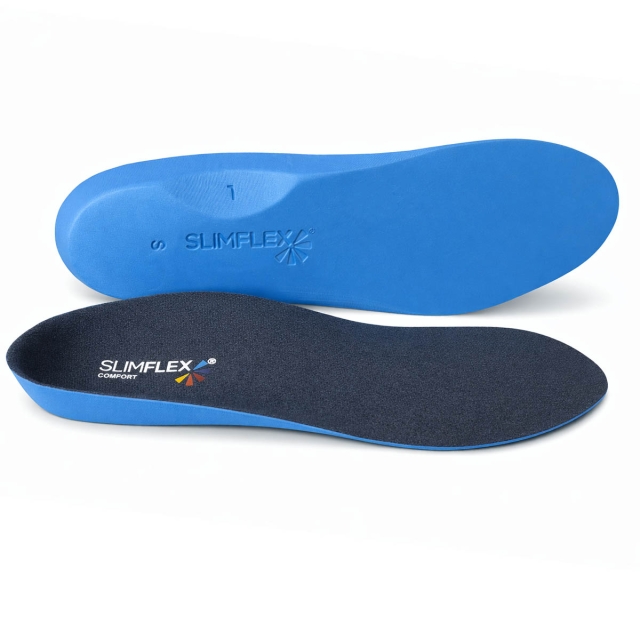
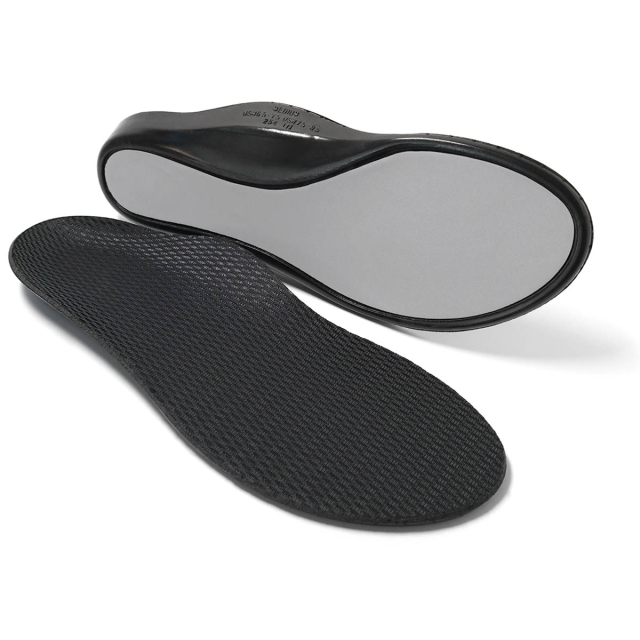
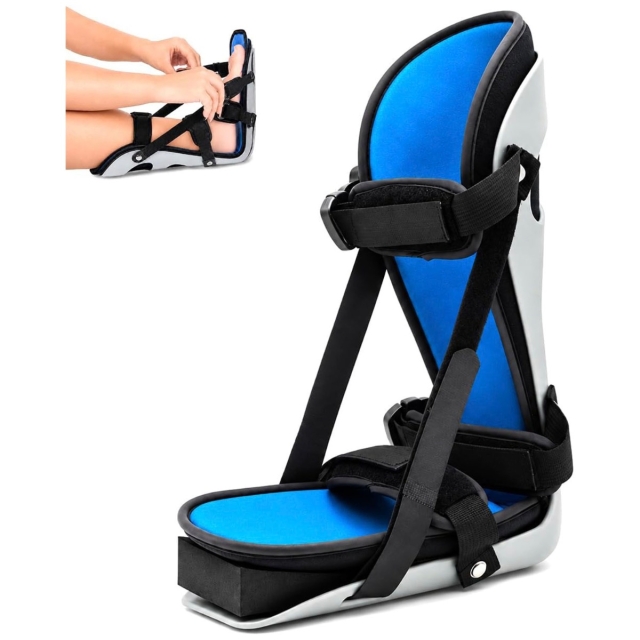
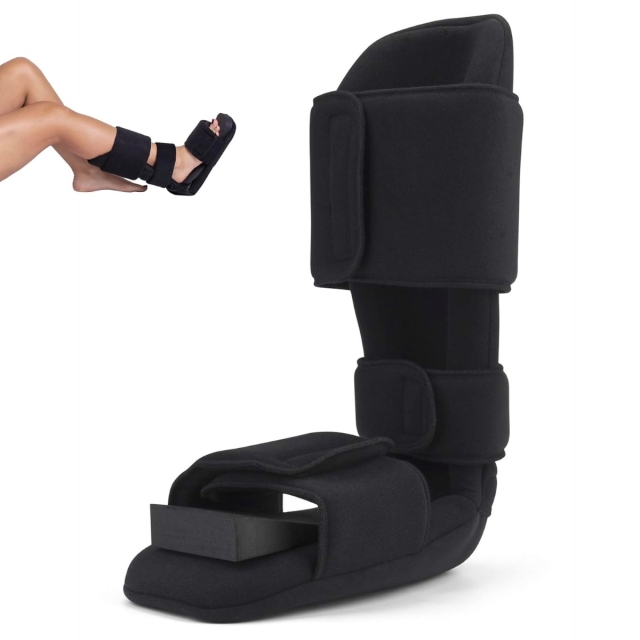
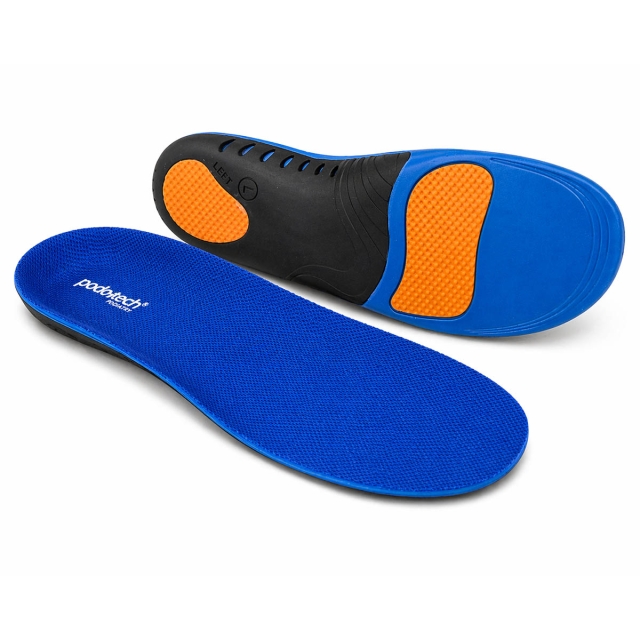
Browse Algeos plantar fasciitis insoles, plus our wider range of foot and ankle support products.
This hub provides general educational information and does not replace assessment or treatment advice from a healthcare professional. See the full Algeos plantar fasciitis archive.



Sold: Each
Incl. VAT Exl. VAT