



Diabetic Socks

Algeos’ diabetic footcare products range brings together a comprehensive selection of specialist solutions designed to support foot health for people living with diabetes, reduced sensation or vulnerable skin.
From pressure-relieving insoles and offloading devices that help redistribute weight and protect high-risk areas, to neuropathy testing tools and diabetic dopplers that support early detection of sensory and vascular changes, the range is designed for both clinical practice and everyday foot care.
Whether you are a healthcare professional looking for dependable assessment and treatment tools, or someone managing foot health at home, this collection focuses on ulcer prevention, pressure management and long-lasting comfort to help maintain mobility and wellbeing with confidence.
Choosing diabetic footcare products is rarely just about comfort. Most people are trying to reduce pressure, protect vulnerable skin, manage reduced sensation, or support early identification of change.
The range groups practical, front-line solutions that clinicians can select based on risk stratification, tissue status and patient adherence needs, including diabetic socks, Dopplers for diabetic foot assessment, foot and ankle offloading, memory foam insoles, neuropathy testing, diabetic foot thermometers and diabetic footwear.
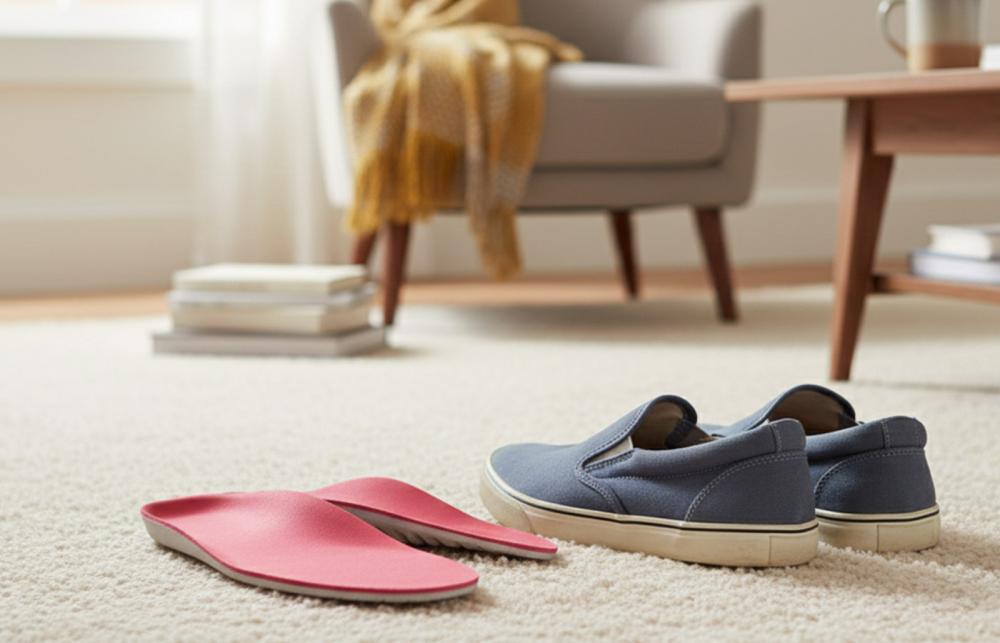
Diabetic footcare aids are products selected to help reduce mechanical stress on the foot, support skin integrity, improve in-shoe comfort and assist monitoring when sensation or circulation may be compromised. That can include memory foam insoles, more structured diabetic orthotic insoles, protective diabetic footwear, friction-reducing socks, and clinical tools for vascular or sensory screening.
They do not replace routine diabetic foot checks or professional advice where risk is high, but they can form an important part of a wider foot health plan. For people also managing ulcer risk, neuropathy or pressure-related pain, it can help to look across the wider Pressure Care and Diabetic Foot section and the consumer-focused diabetic foot care products range.
Helpful where prominent bony areas, forefoot overload or sensitive plantar tissues need extra cushioning or offloading.
Useful when rubbing, seam irritation, callus-prone areas or fragile skin make everyday footwear less forgiving.
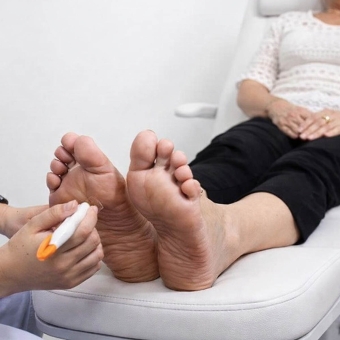
Screening and home-check tools can support earlier recognition of sensory, inflammatory or vascular change.
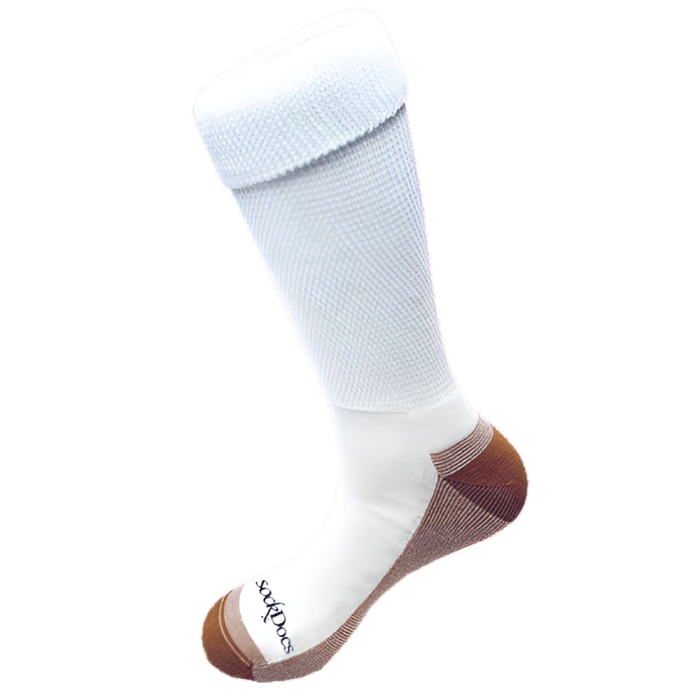
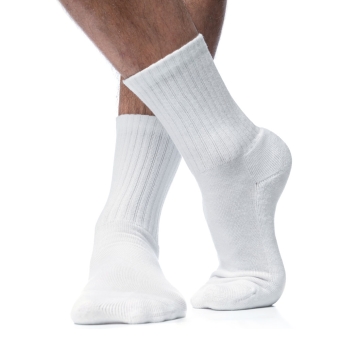
Often chosen for smoother seams, softer yarns, moisture management and reduced local rubbing. Explore diabetic socks.
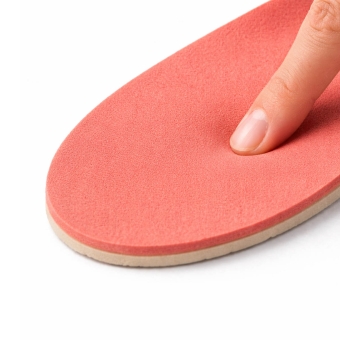
Useful for cushioning, pressure redistribution and comfort. Compare diabetic insoles, Duosoft Therapeutic Insoles and Duosoft Plus.
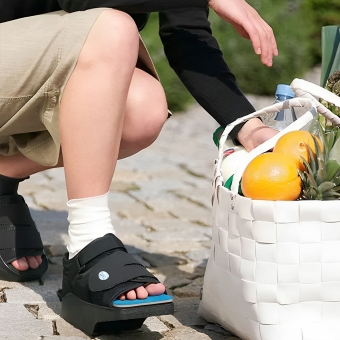
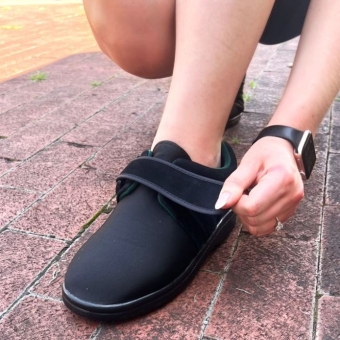
Designed to accommodate sensitive feet and reduce rubbing from poor fit. Browse diabetic and arthritis shoes or view DARCO Gentle Step.
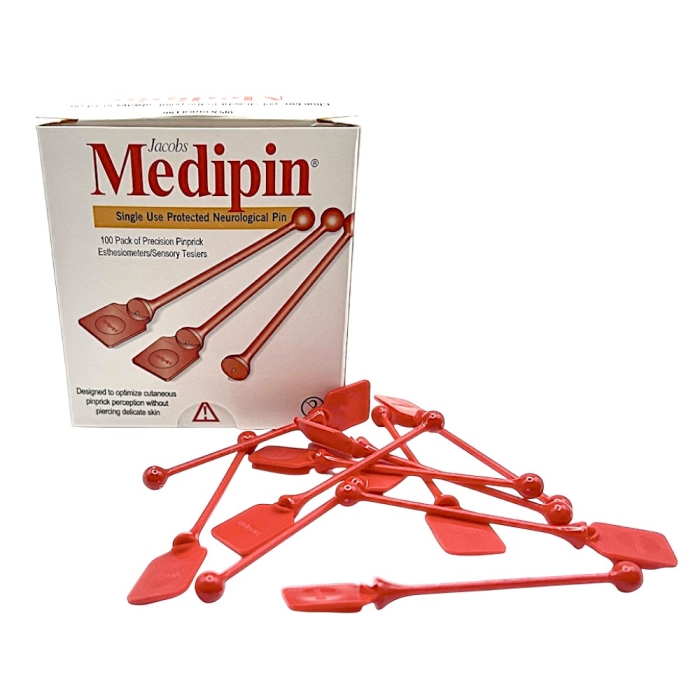
For sensory screening, vascular assessment and follow-up. See neuropathy testing and diabetic Dopplers.
A simple way to think about the range is this: socks and footwear help create a safer environment around the foot, insoles help manage load inside the shoe, while testing products support screening and monitoring. Where there is a more active pressure problem, the wider pressure care management section may also be relevant.
| Common concern | How the product route may help | Useful route |
|---|---|---|
| Reduced sensation or neuropathy risk | Supports screening, comfort choices and pressure-conscious footwear decisions. | Neuropathy Testing |
| Rubbing, seam irritation or fragile skin | May reduce local friction and improve day-to-day tolerance in shoes. | Diabetic Socks |
| Forefoot pressure, tenderness or hot spots | Extra cushioning and offloading can help distribute load more evenly. | Memory Foam Insoles · Metatarsalgia support |
| Poor shoe fit, swelling or sensitive joints | Roomier therapeutic footwear may help reduce pressure from the upper and toe box. | Diabetic Shoes |
| Need to assess circulation in clinic | Handheld Dopplers can support vascular screening and triage decisions. | Diabetic Dopplers |
| High pressure risk or ulcer prevention pathway | More structured pressure care and offloading routes may be needed alongside clinical review. | Pressure Care and the Diabetic Foot |
Are you trying to improve comfort in a low-risk foot, or are you managing reduced sensation, previous ulceration, deformity or significant skin vulnerability? Higher-risk feet usually need a more cautious, clinically led approach.
That may be cushioning, accommodation, friction reduction, pressure redistribution, or screening. The right route becomes clearer when you focus on the main problem first.
Insoles and socks only work well if footwear volume, width and fastening are suitable. Tight shoes can undo the benefit of otherwise good products.
Softer materials may suit sensitive feet, while more structured options can offer better shape retention and support. Compare Duosoft with Interpod diabetic foot orthotics for different in-shoe needs.
When changing socks, footwear or insoles, check for rubbing, persistent redness or areas of concern. Monitoring matters even with comfort-led products.
If there is broken skin, marked swelling, signs of infection, sudden heat change, or a history of ulceration, product selection should not delay professional review.
A focused diabetic footcare family spanning monitoring, insoles and ulcer prevention support.
Therapeutic footwear designed to improve fit, comfort and protection for sensitive feet.
Soft, pressure-conscious insoles for people who need cushioning and everyday in-shoe comfort.
A more structured insole route where offloading and support need to work together.
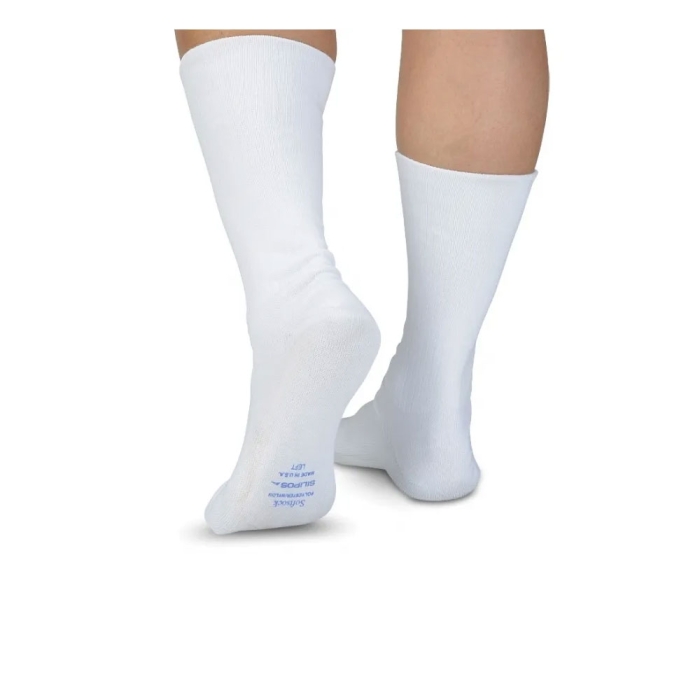
For users looking for gel-lined cushioning around sensitive feet.
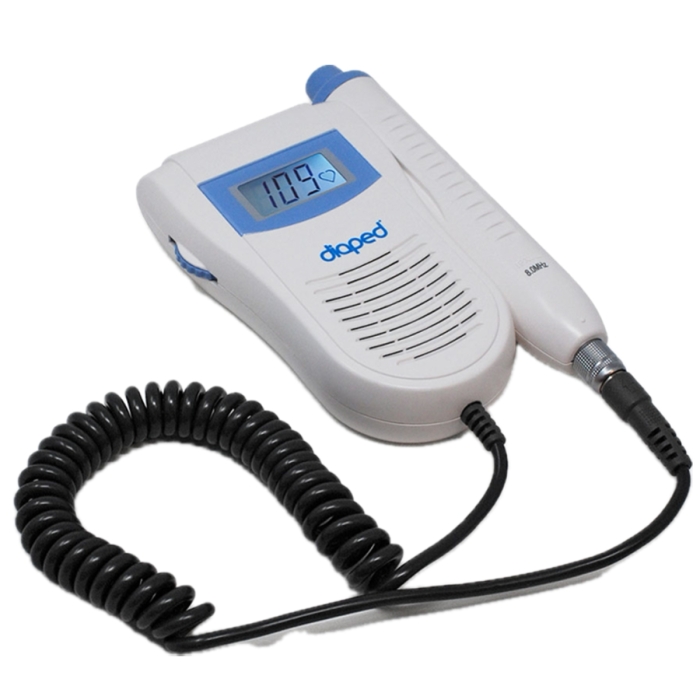
For clinicians carrying out routine vascular assessment in diabetic foot pathways.
Diabetic socks are usually selected to reduce friction, seam pressure and moisture build-up more effectively than standard socks. They are often a sensible starting point when comfort, rubbing or skin sensitivity is the main concern.
No. Some diabetic insoles are comfort-led and pressure-conscious rather than fully customised biomechanical devices. For more complex feet, recurrent ulcers or marked deformity, custom assessment may be more appropriate.
If the issue comes from shoe shape, depth, width, toe-box pressure or poor accommodation for swelling and deformity, changing the footwear itself can be more important than changing the insole alone.
These are usually selected by clinicians, practices and services carrying out diabetic foot screening, vascular review or follow-up assessment. Some simple monitoring tools may also feature in structured patient education pathways.
Some products are chosen specifically to reduce pressure, friction and skin stress, which are relevant factors in ulcer prevention. They are best understood as part of a broader prevention plan that may also include regular checks, education and clinical review.
Stop using it and review the fit, especially if you have diabetes or reduced sensation. Persistent redness, broken skin, swelling or heat change should be taken seriously and assessed promptly.
December 12, 2025
October 10, 2025
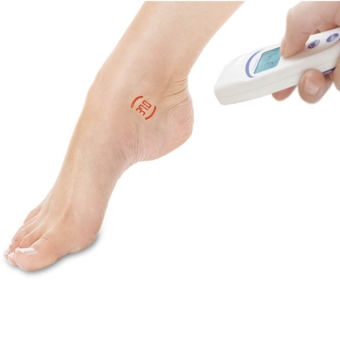
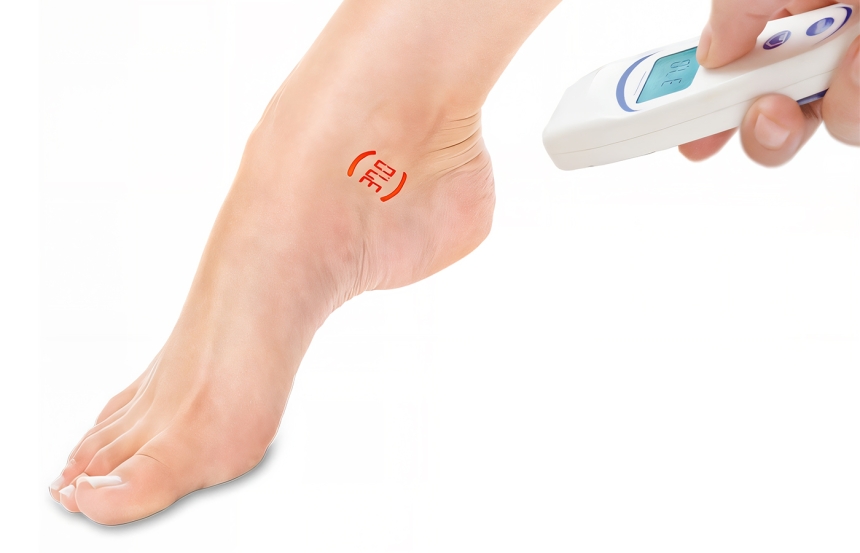
Foot temperature monitoring is the routine measurement of plantar skin temperature at standard sites to detect localised increases that suggest inflammation from repetitive mechanical stress or infection. In clinical studies and guidelines a left-to-right difference of ≥ 2.2 °C at corresponding sites is widely used as an action threshold.
August 05, 2025
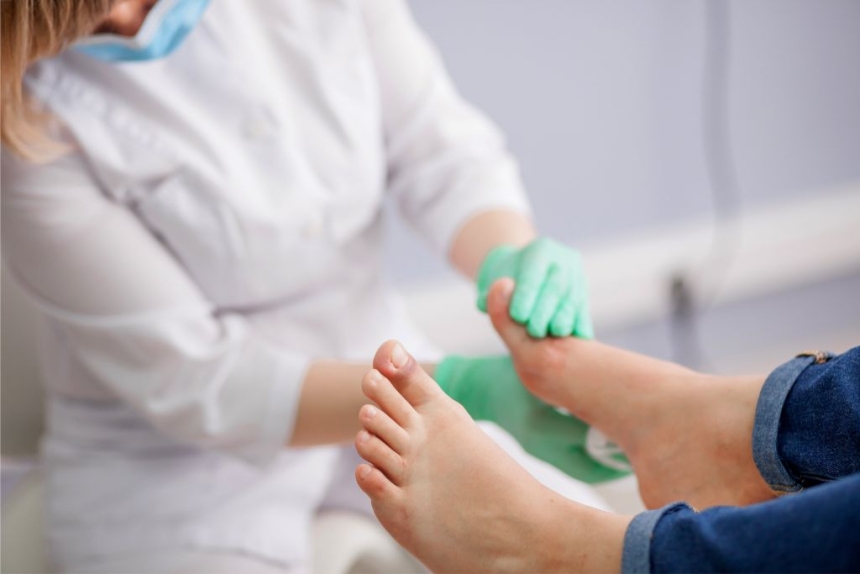
The Diaped brand is dedicated to enhancing the health and wellbeing of individuals living with diabetes and high-risk foot conditions. Trusted by podiatrists, orthotists, vascular specialists, and healthcare professionals across the UK, Diaped offers a specialised range of diabetic footcare products designed to help prevent complications and support long-term mobility.

April 14, 2025
Diabetic socks are specially designed for protecting the feet of individuals with diabetes. Unlike regular socks, they incorporate features that help reduce the risk of foot injuries - enhance blood circulation and ensure maximum comfort.

October 23, 2024
When it comes to foot health, choosing the right type of socks can make a significant difference - especially for individuals with diabetes. While normal socks serve their purpose for general comfort and style, they may fall short in addressing the unique challenges faced by diabetic feet.
September 10, 2024
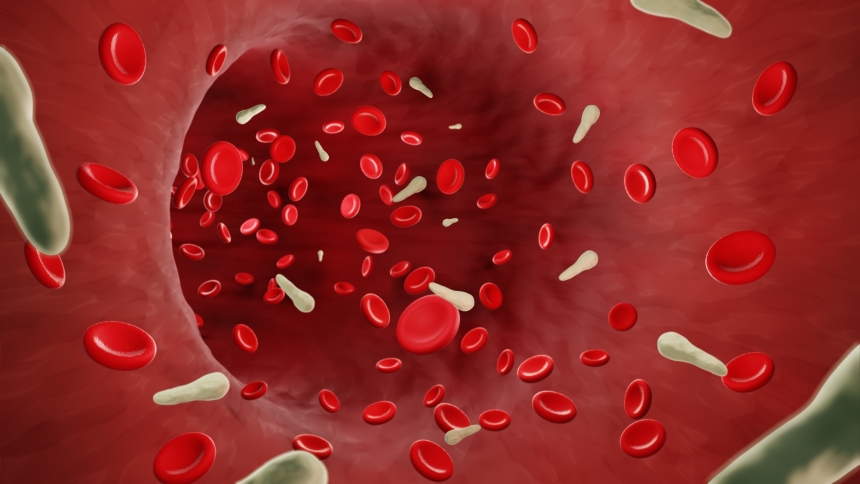
Diabetic patients face a higher risk of sepsis due to slow-healing wounds and infections. Early detection through neuropathy testing and using off-loading cushions or advanced insoles like Levabo Heel Up can prevent ulcers from turning into severe infections. Proper foot care, daily inspections, and hygiene are crucial.
On World Sepsis Day, let’s focus on protecting diabetic patients through proactive care and education to reduce the risk of life-threatening sepsis.
July 11, 2024
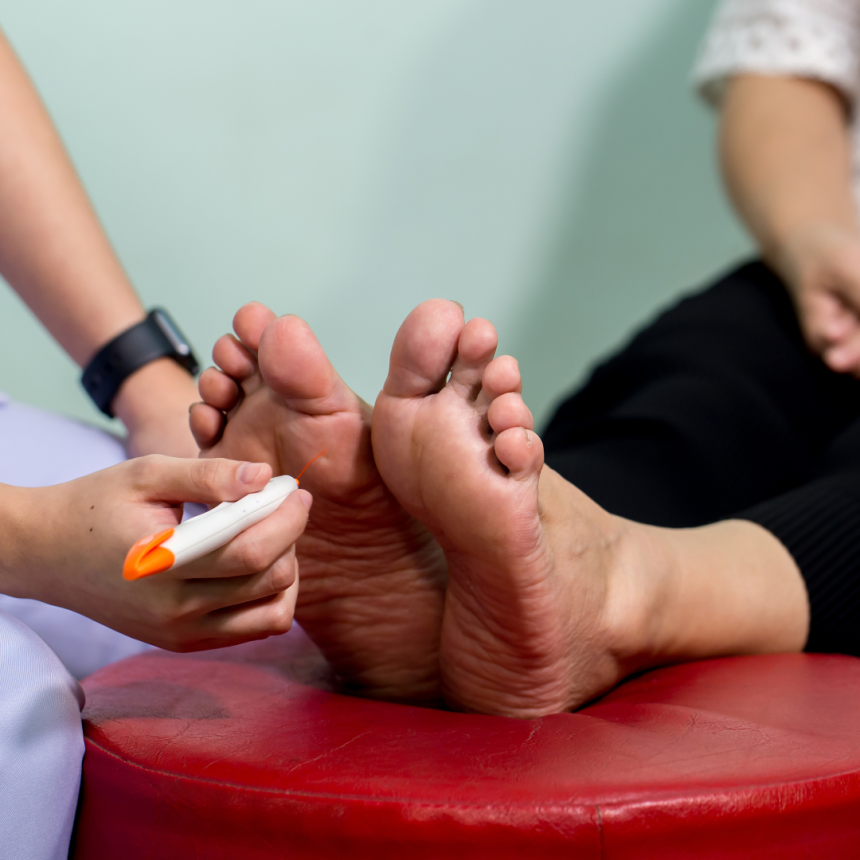
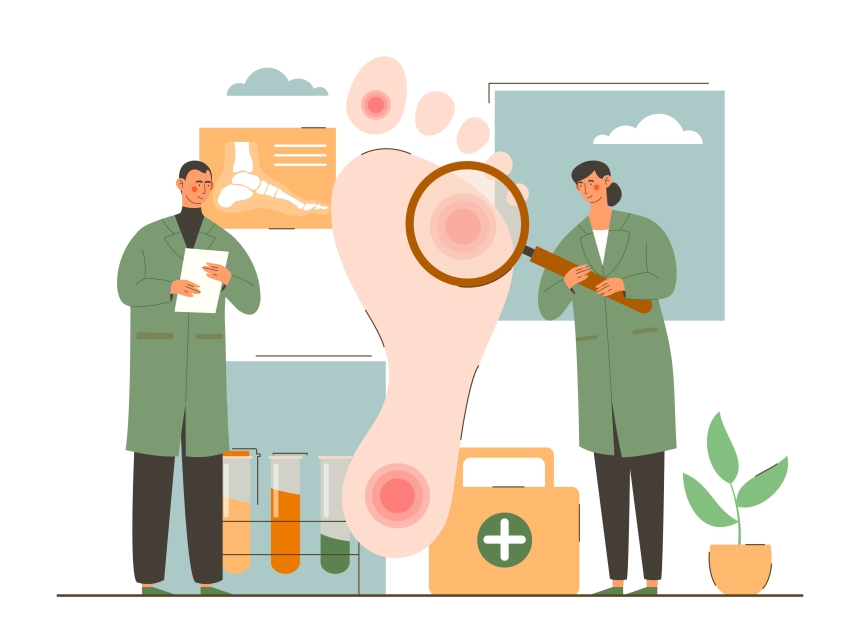
Diabetes is a chronic condition that affects millions worldwide. One of the lesser-known but significant complications of diabetes is the development of foot problems. Diabetic foot conditions can lead to severe consequences, including amputation if not properly managed.
June 11, 2024
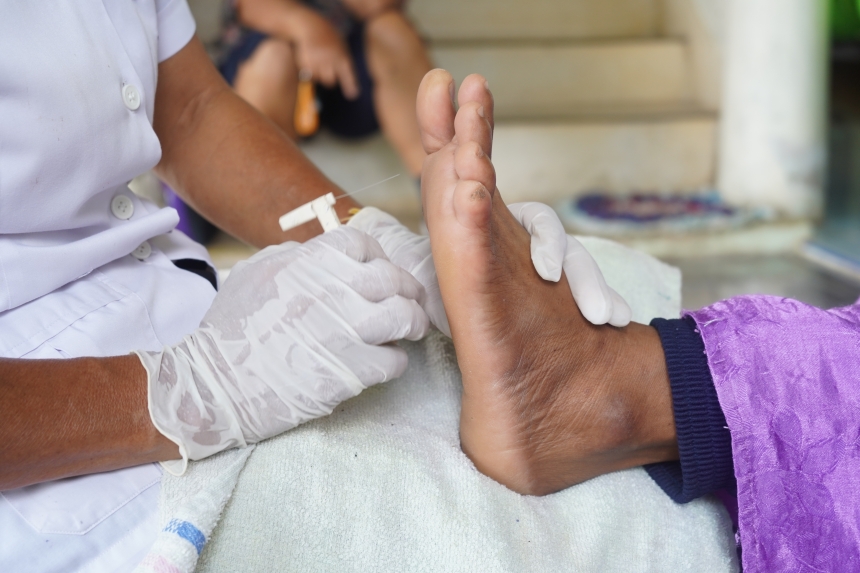
There are currently an estimated 4.8 million people in the UK living with diabetes. Of that cohort, approximately 10% will develop a diabetic foot ulcer. To help you understand and prevent these issues, we've compiled a list of frequently asked questions (FAQs) about diabetic foot ulcers.
May 02, 2024
Diabetes is one of the most common diseases amongst adults in the UK, affecting roughly 4.3 million people and responsible for 174 amputations every week. Diabetic foot ulcers occur in between 10% and15% of people living with diabetes and, if left unmanaged, can lead to serious complications for the individual.