




In this guide, you will find 101 practical uses for cork sheets, along with advice on why the material works so well and how to choose the right thickness for the job.
Colouring for Shoe Making
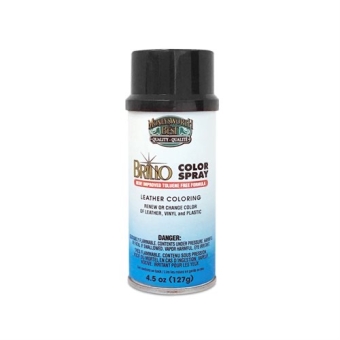

Algeos Shoe Materials and Shoe Repair Supplies range offers a comprehensive selection of materials and tools essential for crafting, repairing and customising footwear.
This collection is tailored to meet the needs of professional shoemakers, orthopaedic specialists, and hobbyists alike. It includes high-quality leathers, synthetic materials, durable soles, insoles, adhesives, footbeds, linings, hardware, and specialised tools. Each product is designed to ensure precision, durability, and comfort, making it easier for users to achieve exceptional results in their shoemaking and repair projects.
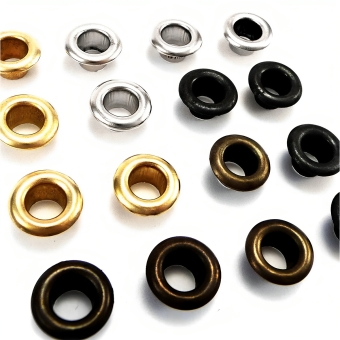
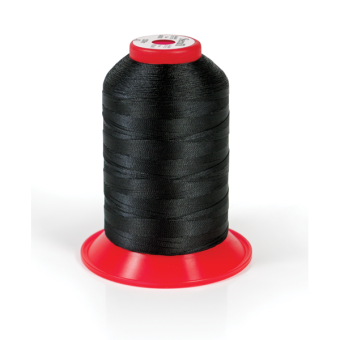
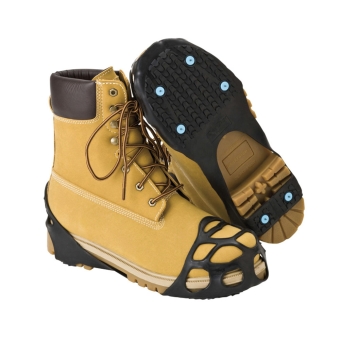
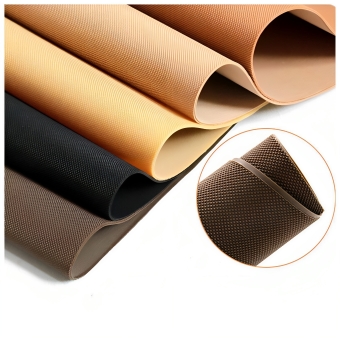
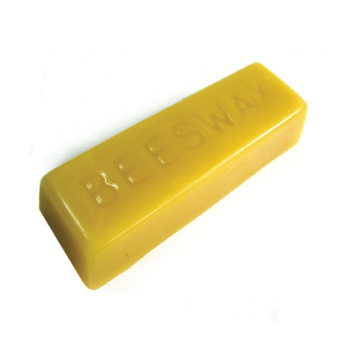
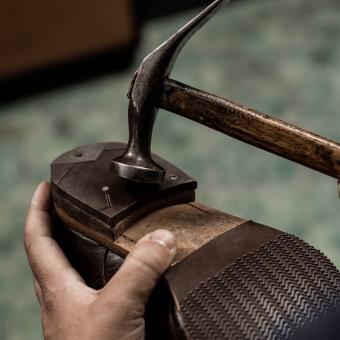

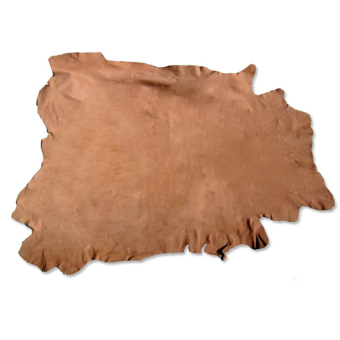
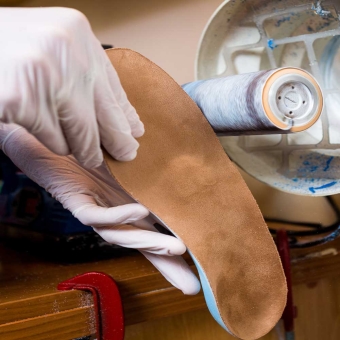
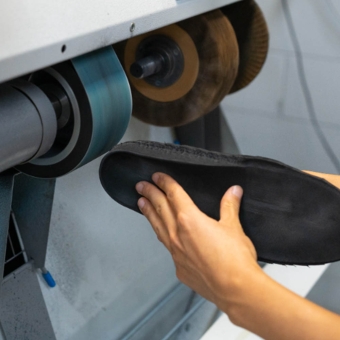
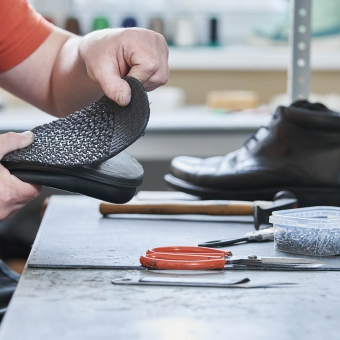
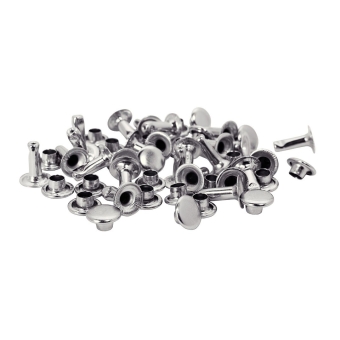
Whether you are building footwear from scratch, repairing worn soles, replacing structural parts or supporting orthopaedic shoe work, this category brings together the core materials, tools and finishing products used across repair benches, orthotic labs and specialist workshops.
Algeos offers a wide selection of materials, components, and tools designed for shoemakers, orthopaedic shoe makers, repair professionals, and hobbyists. This range provides everything needed to craft, repair, and customise footwear, ensuring superior results for all levels of expertise
Explore leathers, sole units, adhesives, soling, welt, nails, finishing products and workshop equipment in one place.
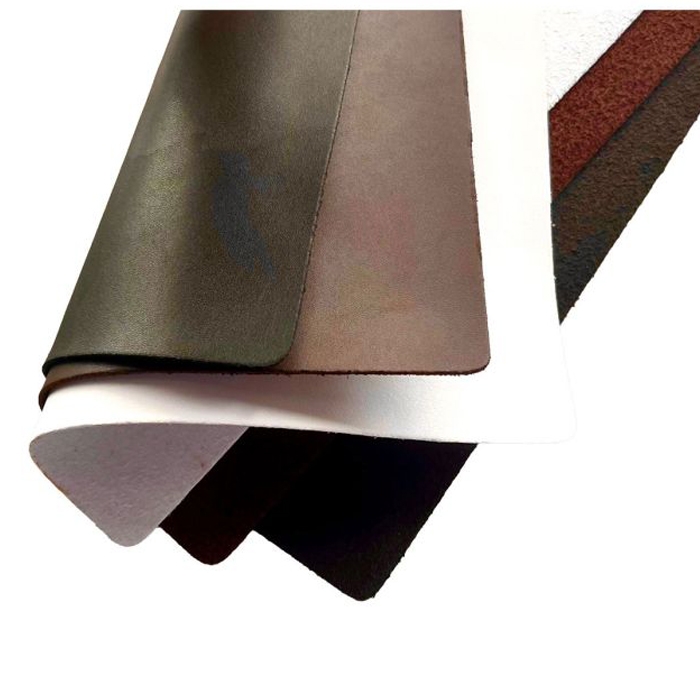
Footwear components are the individual materials and structural parts used to make, adapt or repair shoes and boots. Depending on the job, that might include upper materials, linings, sole units, soling sheets, adhesives, welt, nails, stiffeners, finishing products and specialist tools.
In a shoe repair setting, the aim is usually to restore wear, grip and appearance. In a production or orthopaedic setting, the aim may be fit, durability, pressure management, shape retention or compatibility with other orthotic materials.
Our products are used daily in traditional shoe repair and orthopaedic shoe making, insole work, footwear adaptation and workshop maintenance.
For upper work, lining replacement and premium finishes, explore leather sheets and skins. These are often chosen where handle, appearance and durability matter.
Use specialist shoe adhesives or the wider shoe adhesives section when flexibility, cure behaviour and material compatibility are central to the repair.
Sole units suit replacement jobs where speed and consistency are important, while soling materials give more flexibility for cutting and shaping.
For visible finish and structural detailing, add shoe welt, nails and tacks and shoe colouring products.
| Task or concern | How this category helps | Useful route |
|---|---|---|
| Worn outsole, poor grip or damaged base | Choose replacement bottoms or cut-to-shape material depending on the construction and finish required. | Sole units / Soling materials |
| Upper or lining repair | Supports patching, replacement and appearance-led work where handle and durability are important. | Leather sheets and skins |
| Bond failure between leather, rubber, EVA or synthetics | Allows selection of adhesives and bonding systems based on substrate, flexibility and workshop process. | Specialist shoe adhesives |
| Need a cleaner finished edge or traditional construction detail | Welt, colouring and finishing materials help refine the appearance and protect the final build. | Shoe welt / Colouring products |
| Workshop set-up or repeat production efficiency | Add machinery, abrasives and bench tools to improve throughput and consistency. | Workshop tools / Machine abrasives / Workshop machinery |
| Orthopaedic footwear adaptation or crossover with insoles | Useful when footwear work sits alongside foot support, posting or insole modification. | Orthotic insoles |
Are you rebuilding a sole, restoring an upper, replacing a worn component or carrying out a cosmetic finish? The answer usually narrows the choice quickly between bonding, soling, leather, hardware or finishing products.
Leather, rubber, EVA, plastics and mixed uppers do not all behave the same way. If you need help matching an adhesive to the task, use this shoe glue guide or browse Renia shoe glues.
Pre-formed parts can save workshop time, while sheet materials allow more custom shaping and size control. This is especially relevant when comparing sole units with soling sheets.
For visible repairs or premium-looking work, colour, texture, edge finish and detailing matter. That is where colouring products, welt and quality upper materials can make a noticeable difference.
If you carry out the same jobs regularly, it often helps to standardise consumables, tools and abrasive processes. Supporting sections such as machine abrasives and machinery can improve consistency.
For a broader research route, explore product guides and FAQs and the central product support hub.
Material selection, cutting, shaping, glueing and finishing advice for leather-based workshop tasks.
A practical route through repair scenarios and adhesive types for common shoe repair jobs.
Compare workshop favourites and narrow down options by use-case and material pairing.
Useful when you want usage information, material guidance and reference tools in one place.
Sole units are pre-formed components that can speed up repeat repair work. Soling materials are usually supplied as sheet or slab material so they can be cut and shaped more freely. The better option depends on how much custom shaping the job needs and how quickly you need to work.
Most leather jobs involve a combination of upper or lining material, an appropriate adhesive, and finishing products. Start with leathers, then match the bond route via shoe adhesives.
No. The category is particularly relevant to professionals, but many items are also useful for experienced makers, leatherworkers and informed hobbyists who want access to more specialist workshop materials.
Start with the material pairings, required flexibility, surface preparation needs and cure time. For a more detailed comparison, use the best shoe glue guide or the wider shoe glue advice page.
Yes. Many of the materials are relevant to orthopaedic build work, repair and modification, especially where durable construction, compatible bonding systems and workshop-ready finishing products are needed.
Full-grain and top-grain leathers are ideal for bespoke shoemaking because they are durable, work well in premium footwear construction and develop an attractive patina over time.
Yes, Algeos adhesives are versatile and suitable for bonding both leather and synthetic materials, making them useful across a wide range of footwear repair and shoemaking tasks.
Yes, Algeos offers footbeds designed for orthopaedic support, helping provide cushioning, stability and arch support where needed.
The best sole depends on the type of footwear you are making or repairing. Rubber soles are often preferred for durability and grip, while leather soles are commonly chosen for more formal styles.
Beginner shoemakers should start with the basics, including a sharp knife, stitching awl, hammer, lasting pliers and accurate measuring tools.
Yes, many dyes and colouring products are suitable for both leather and synthetic materials, but it is still worth checking the individual product guidance for compatibility and preparation advice.
Apply a finishing product such as a protective spray or cream to help seal the colour and protect the shoes against moisture, wear and UV exposure.
Thermoplastic heel counters provide reliable rearfoot support and help the shoe maintain its shape, making them a strong choice for footwear exposed to higher levels of stress and repeated use.

March 29, 2026
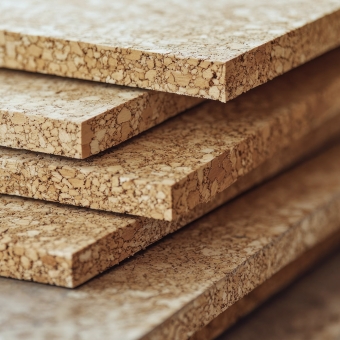
In this guide, you will find 101 practical uses for cork sheets, along with advice on why the material works so well and how to choose the right thickness for the job.

March 18, 2026
Contact adhesives are a type of glue renowned for their strong bonding capabilities and versatility, making them essential in various industries such as construction, automotive, orthotic insole production and everyday crafts.
March 15, 2026
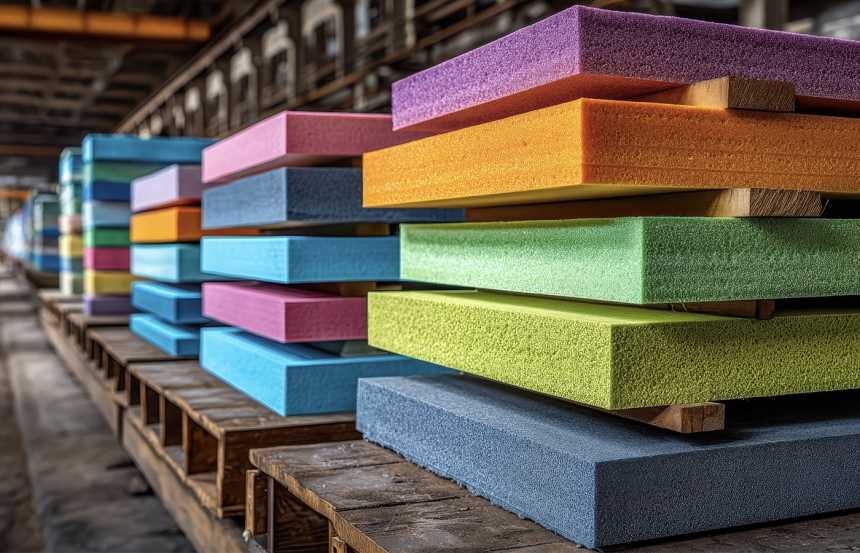
This mini-guide explores the key properties of our foams - including density, thermoforming ability and ease of shaping - as well as its many practical uses.

January 11, 2026
Designed by DARCO with direct clinical input, Movilo shoes are not just comfortable trainers with extra padding. They are purpose-built therapeutic footwear that actively addresses the biomechanical causes of plantar fasciitis.
January 10, 2026
January 08, 2026
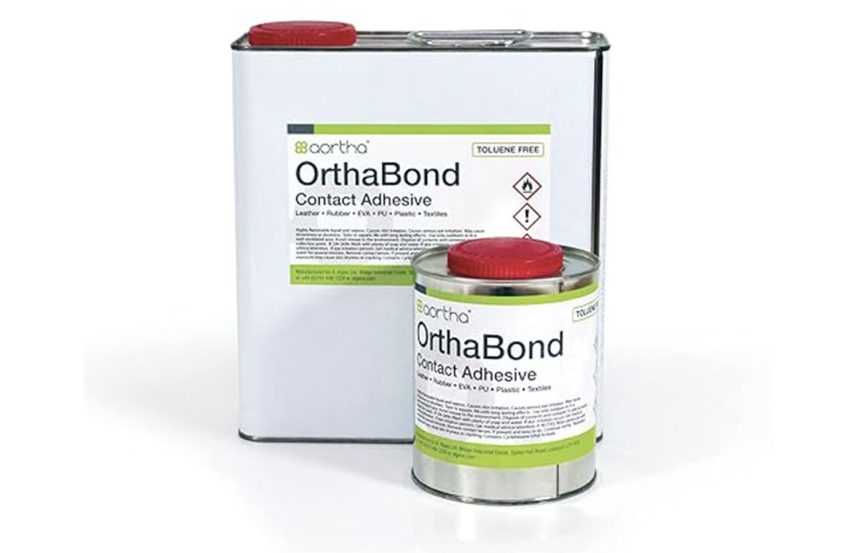
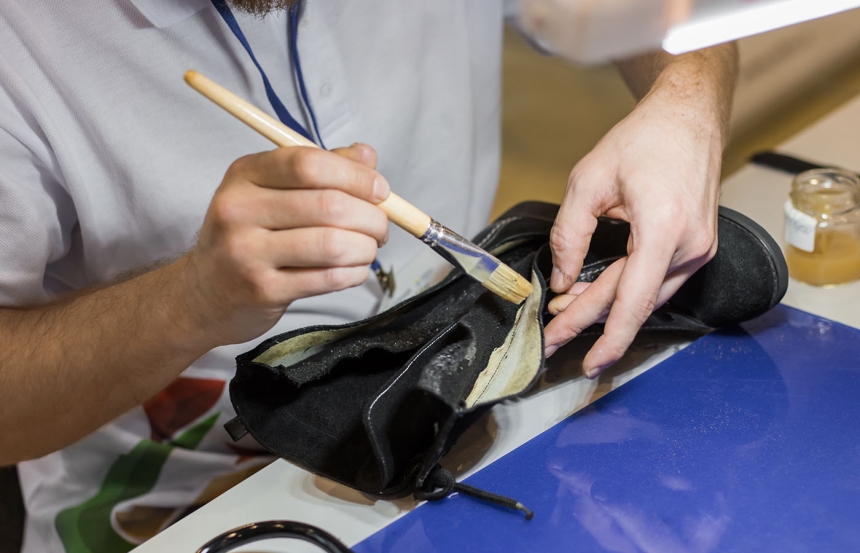
Shoe repairs are brutal on glue. Every step flexes the bond, moisture tries to creep in, and outdoor grit does its best to finish the job. That’s why contact adhesives are a go-to for cobblers and workshops: they’re designed to create a strong, flexible, durable bond across common footwear materials (rubber, leather, EVA, synthetics) when applied correctly.
November 04, 2025
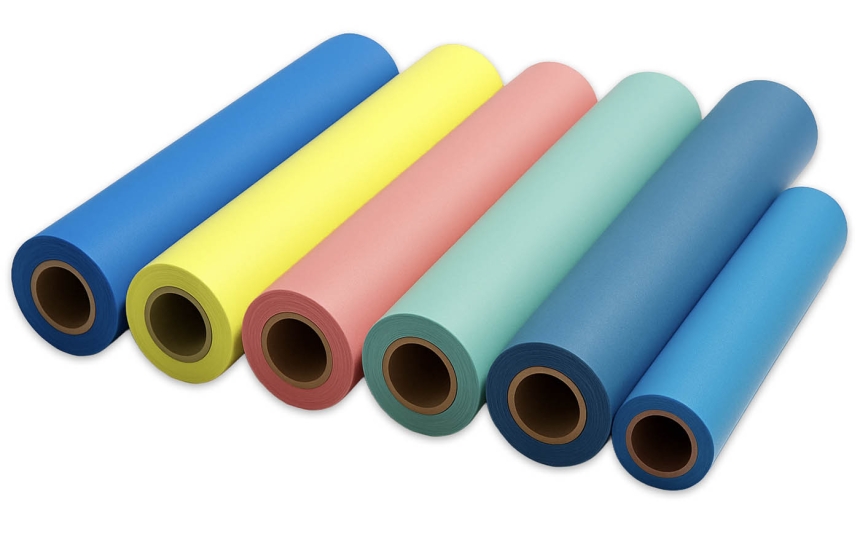
In independent testing and decades of field use, PORON has ranked among the best for shock attenuation and long-term resilience, particularly in sensitive applications.
September 03, 2025
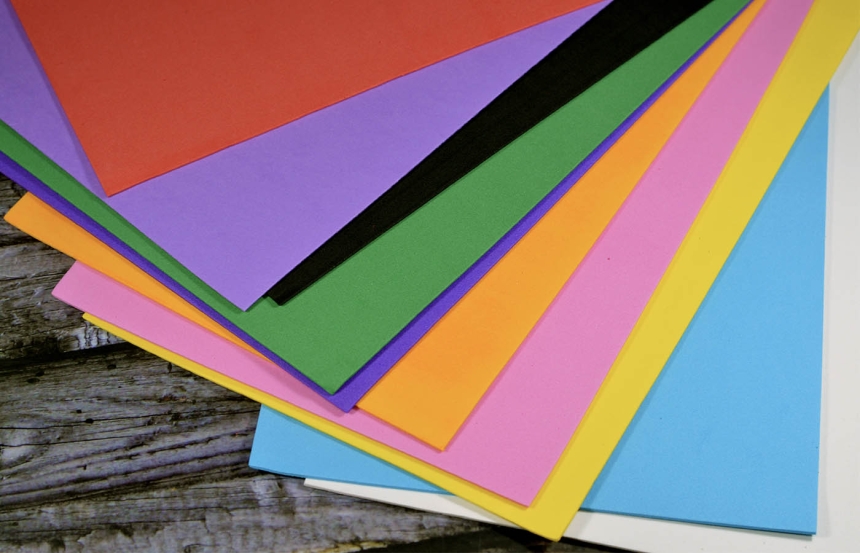
EVA foam sheets are the quiet superstar of DIY, crafts, footwear repairs, home fitness and even marine projects. They’re light, durable, water-resistant, and easy to shape - making them perfect for anyone from weekend makers to seasoned hobbyists.
July 27, 2025
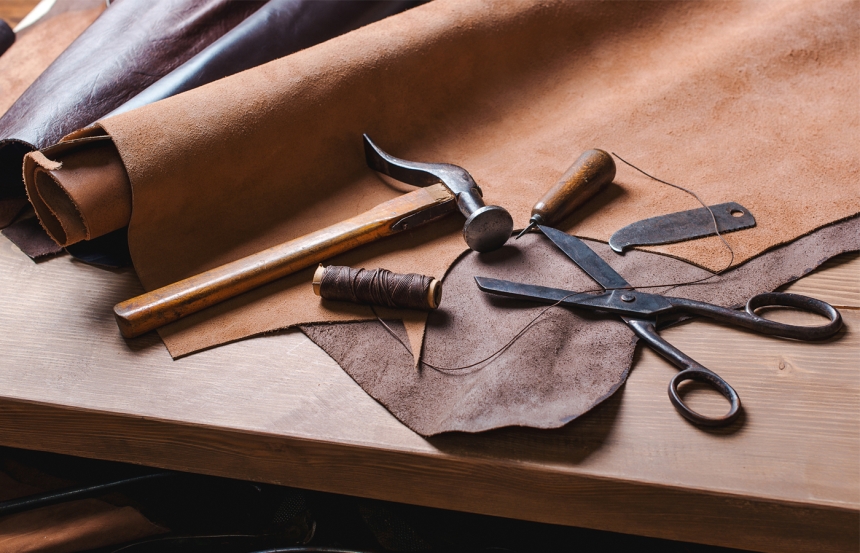
We will cover the major types of leather, their properties, benefits and drawbacks, and best use cases. We’ll also provide practical, step-by-step advice on working with each type – including tips on cutting, skiving, shaping, stitching, glueing, finishing and caring for leather.