




Exercise, rehab and sensory products
designed for practical everyday use
The Physioworx range brings together resistance exercise, mobility support, active seating, sensory movement tools and rehabilitation essentials in one easy-to-browse collection. For clinics, schools, gyms, care settings and home users, it is a useful route into supportive products that help build strength, improve movement confidence and add structure to exercise routines.
What is the Physioworx range?
Physioworx is Algeos’ accessible exercise and rehabilitation brand, created to make movement support simple, practical and effective. The range is designed for strengthening, flexibility, balance training, mobility work and sensory movement across a wide variety of settings.
Suitable for guided home exercise, clinic-based rehabilitation, PE environments, active seating and general wellbeing, Physioworx brings together reliable products that support movement at every stage.
From resistance bands and rehab bands to exercise balls, foam rollers, gym mats and sports tapes, the brand offers a connected range of solutions within one trusted family.
Why people choose Physioworx
-
Physioworx products are designed to fit easily into home, clinic, classroom and gym routines.
-
The range supports progressive strengthening, mobility work, posture practice and low-impact movement.
-
It works well across treatment rooms, care settings and home exercise environments.
-
The brand includes active seating and sensory movement tools alongside rehab essentials.
-
Physioworx also complements wider healthcare-at-home and balance therapy programmes.
-
This helps users build a practical exercise set-up within one trusted brand family.
Types of Physioworx products and where they fit
Resistance and strengthening
For progressive loading and guided exercise, resistance bands are often the starting point. Longer rolls suit clinics and group settings, while short formats are useful for quick home programmes and lighter progression.
Mobility and recovery
Exercise mats, foam rollers and hot and cold therapy products help shape comfortable movement spaces and support warm-up or post-exercise recovery.
Stability and active movement
Exercise balls, peanut balls and balance products are commonly chosen for core engagement, posture work and movement confidence.
Sensory and active seating
Wiggle cushions and sensory play equipment provide a more structured route into active sitting, movement breaks and tactile sensory input.
Common goals and the most useful Physioworx route
| Goal or concern | How Physioworx can help | Useful route |
|---|---|---|
| Building strength after inactivity or injury | Low-impact, progressive exercise tools can help structure a graded return to movement. | Resistance bands and rehabilitation equipment |
| Improving balance and body awareness | Controlled instability can encourage postural adjustments, core engagement and confidence during exercise practice. | Balance products and balance therapy advice |
| Home exercise programmes | Portable products make it easier to repeat exercises consistently between appointments. | Healthcare at home, exercise mats and gym balls |
| Back, knee or general movement support | Exercise tools can sit alongside wider strength and tolerance plans where movement confidence needs rebuilding. | Back pain support and ball-based exercise tools |
| Active sitting and sensory movement breaks | Inflatable seating and tactile products offer a practical outlet for fidgeting, posture shifts and movement breaks. | Wiggle cushions and ADHD & hyperactivity support |
| Sprain recovery or return-to-movement support | Light exercise tools and stability products may be useful once movement has been assessed and appropriately graded. | Ankle sprain support, sports tapes and ice packs and recovery products |
How to choose the right Physioworx product
Start with the activity, not the product
Decide whether the main aim is strength, flexibility, active sitting, sensory movement, posture practice or general rehabilitation. That quickly narrows the choice between bands, balls, mats, rollers and cushions.
Match the product to the setting
For home use, portability and storage often matter most. In clinics, schools and group spaces, longer-life formats such as cut-to-length bands or wipe-clean active seating may be the better fit.
Choose the right level of challenge
Start with lighter resistance or more stable formats when someone is early in recovery, new to exercise or still building movement confidence.
Think about who will use it
Children, adults, older users and mixed-user environments all benefit from slightly different choices. A peanut ball or wiggle cushion may feel more secure for some users than a standard gym ball.
Build a small system rather than buying in isolation
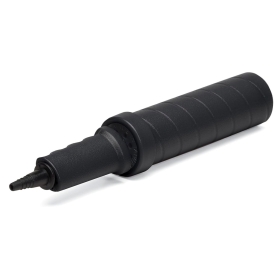
A simple set-up often works best: band plus mat, ball plus pump, or cushion plus sensory aids. Adding hand therapy tools or foam rollers can also broaden the routine.
Helpful guides, categories and advice routes
Home rehab essentials
Browse practical tools for everyday exercise, recovery and movement support at home.
Explore rehabilitation equipmentBalance support
Useful when you need boards, cushions and pads for proprioception and postural control work.
View balance therapyExercise ball options
Compare standard gym balls with more directional or specialist formats.
See exercise ballsSensory seating
A practical route for active sitting, fidgeting and movement breaks.
Browse wiggle cushionsSensory movement tools
Find tactile and movement-led options for schools, care settings and home support.
View sensory play equipmentEveryday physio supplies
Useful for broader treatment spaces and clinic set-ups.
See physio suppliesHome wellness overview
Take a wider look at fitness, rehab, sensory and daily wellbeing products.
Browse wellness productsPopular Physioworx product families
Bands and strengthening tools
Suitable for progressive strengthening, mobility work and structured exercise routines. See Physioworx latex resistance bands and the wider band category.
Ball-based movement products
Useful for posture, seated movement, core work and exercise progression, from gym balls to a more supportive peanut ball or a maternity exercise ball.
Balance and sensory options
Chosen where users need more movement feedback, posture shifts or sensory input. Start with wobble cushions and balance boards and wiggle cushions.
Representative Physioworx options
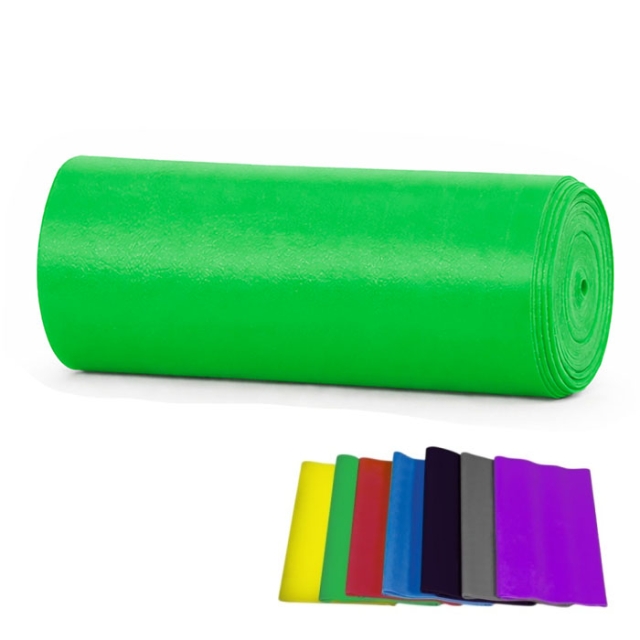
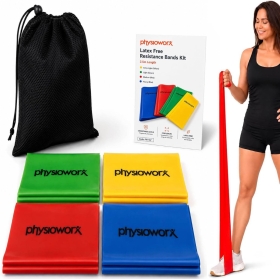
Physioworx Latex Resistance Bands - 5.5m
A practical choice for clinics, classes and users who want cut-to-length banding for a wide range of exercises.
View product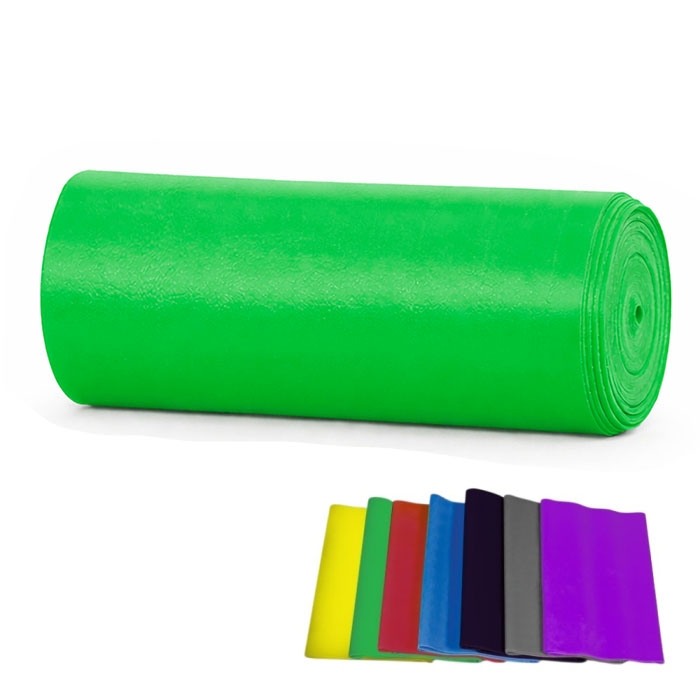
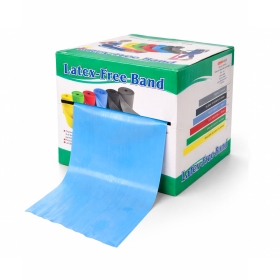
Latex-Free Resistance Band
Useful for guided rehab, home exercise and mixed-user environments where latex-free material is preferred.
View product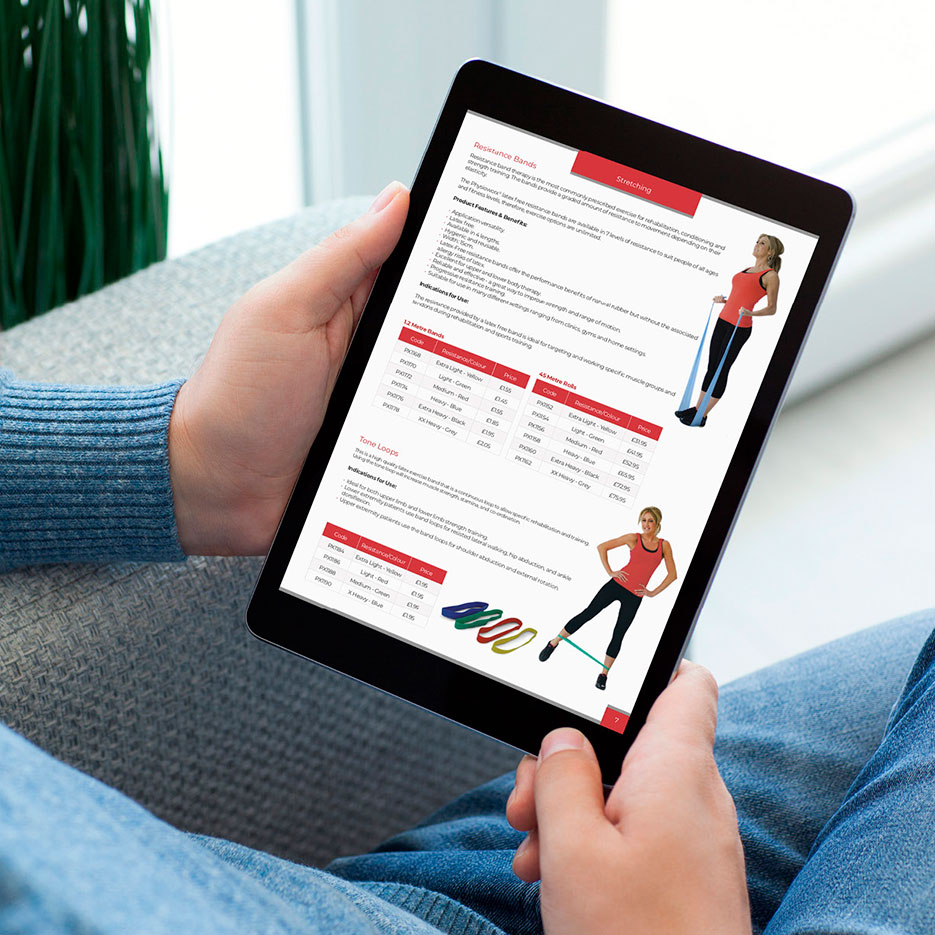
Physioworx range support
A useful route for comparing product families and deciding which option best suits your setting and goals.
Browse the rangeFrequently asked questions about Physioworx
Are Physioworx products only for physiotherapy clinics?
No. The range is also useful for home exercise, school movement support, care environments, fitness spaces and general wellbeing. Many products are designed to be simple to use without feeling overly clinical.
What is the difference between a standard gym ball and a peanut ball?
A standard ball allows freer movement in multiple directions, while a peanut ball often feels more stable and directional, which some users prefer for posture practice or guided movement work.
Can resistance bands be used for rehabilitation as well as general exercise?
Yes. Resistance bands are commonly used in both settings, provided the band strength, exercise selection and progression match the individual and the stage of recovery.
Are sensory products only aimed at children?
No. Sensory movement tools and active seating can also be useful for adults, neurodivergent users, care settings and anyone who benefits from regular posture changes or movement breaks.
Which Physioworx products are most useful for home rehab?
Many users start with a combination of bands, mats, exercise balls and recovery aids depending on the plan they are following.
When should someone seek professional advice instead of self-selecting?
Professional assessment is the safer route where there is acute pain, loss of function, repeated falls, swelling, neurological symptoms, uncertain diagnosis or poor progress despite rest and sensible activity modification.
Browse the Physioworx range with more confidence
Use Physioworx as a straightforward route into exercise, rehab and sensory products, then expand into related Algeos categories as your needs become clearer.
References
Physioworx Range
Sold: 45m Roll
Incl. VAT Exl. VAT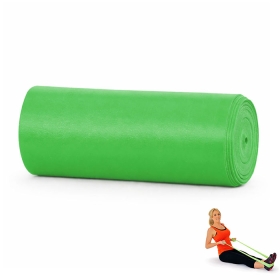
Sold: 5.5m
Incl. VAT Exl. VAT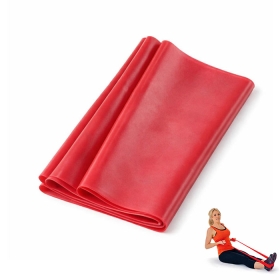
Sold: Each
Incl. VAT Exl. VAT
Sold: Each
Incl. VAT Exl. VAT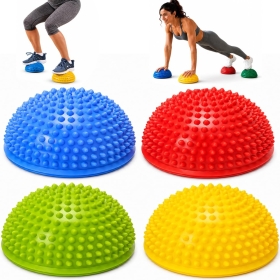
Sold: Pack of 4
Incl. VAT Exl. VAT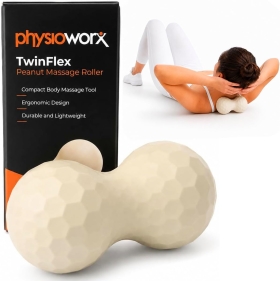
Sold: Each
Incl. VAT Exl. VAT
Sold: Each
Incl. VAT Exl. VAT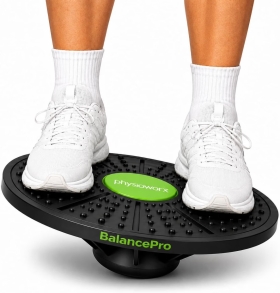
Sold: Each
Incl. VAT Exl. VATSold: Each
Incl. VAT Exl. VAT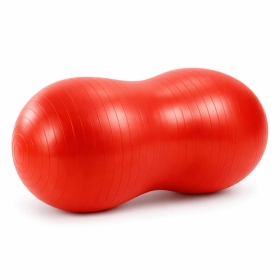
Sold: Each
Incl. VAT Exl. VAT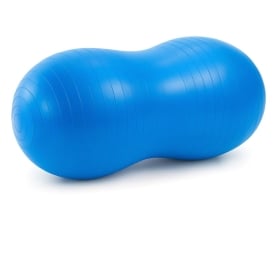
Sold: Each
Incl. VAT Exl. VAT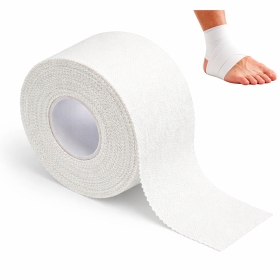
Sold: 1 Roll
Incl. VAT Exl. VAT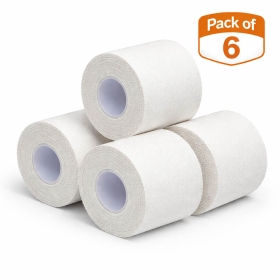
Sold: 6 Pack
Incl. VAT Exl. VAT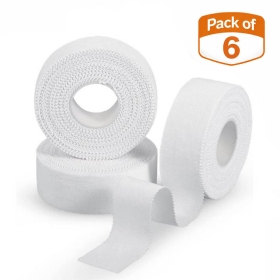
Sold: Pack of 6
Incl. VAT Exl. VAT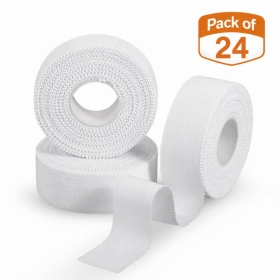
Sold: Box of 24
Incl. VAT Exl. VAT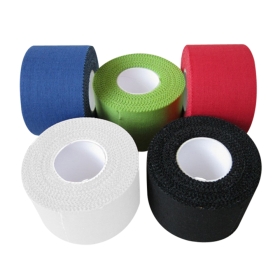
Sold: Single Roll
Incl. VAT Exl. VATSold: Single Roll
Incl. VAT Exl. VAT
Sold: Single roll 5m
Incl. VAT Exl. VAT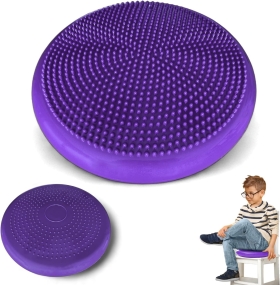
Sold: Each
Incl. VAT Exl. VAT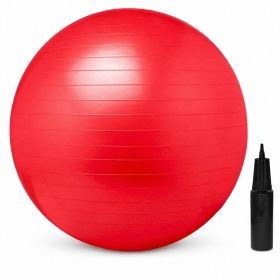
Sold: 55cm sold with pump
Incl. VAT Exl. VAT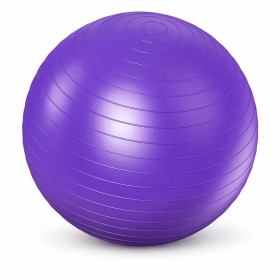
Sold: Each
Incl. VAT Exl. VAT
Sold: with pump
Incl. VAT Exl. VATSold: with pump
Incl. VAT Exl. VAT
Sold: Each
Incl. VAT Exl. VATSold: Each
Incl. VAT Exl. VAT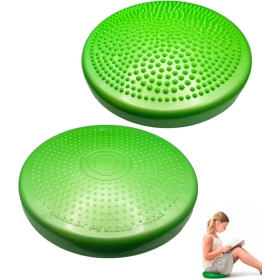
Sold: Sold Individually
Incl. VAT Exl. VAT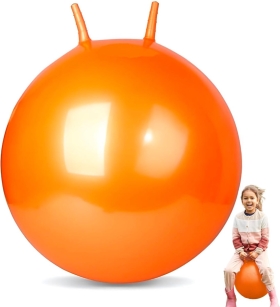
Sold: Each
Incl. VAT Exl. VAT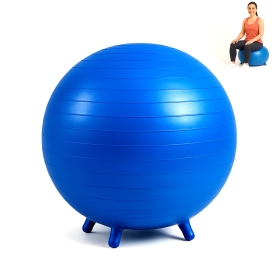
Sold: Each
Incl. VAT Exl. VATSold: Each
Incl. VAT Exl. VAT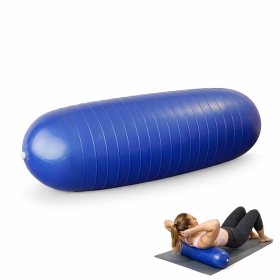
Sold: Each
Incl. VAT Exl. VAT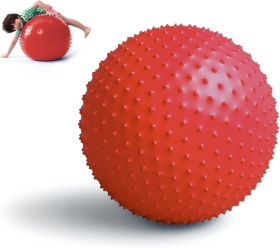
Sold: Each
Incl. VAT Exl. VAT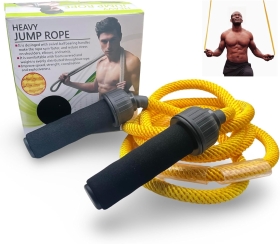
Sold: Each
Incl. VAT Exl. VAT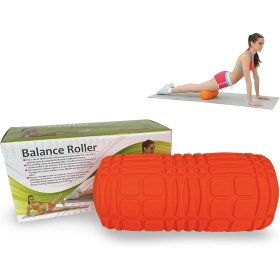
Sold: Each
Incl. VAT Exl. VAT
Sold: Each
Incl. VAT Exl. VATSold: Each
Incl. VAT Exl. VAT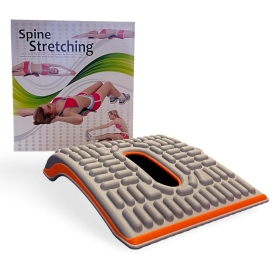
Sold: Each
Incl. VAT Exl. VAT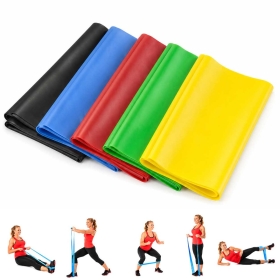
Sold: Pack of 5 bands
Incl. VAT Exl. VAT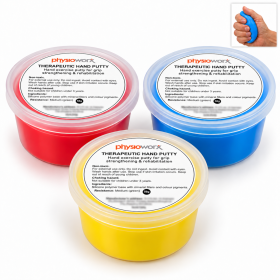
Sold: Kit of 3 x 56g pots
Incl. VAT Exl. VAT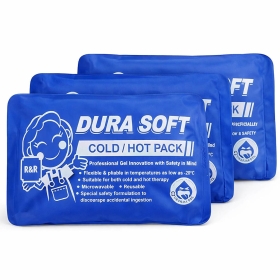
Sold: Pack of 3
Incl. VAT Exl. VATSold: Pack of 3
Incl. VAT Exl. VAT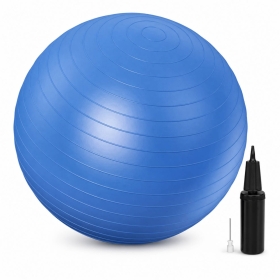
Sold: 75cm ball and pump
Incl. VAT Exl. VATSold: 75cm ball and pump
Incl. VAT Exl. VAT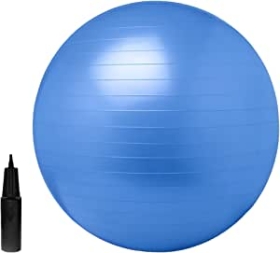
Sold: 55cm diameter + pump
Incl. VAT Exl. VATSold: 55cm diameter + pump
Incl. VAT Exl. VAT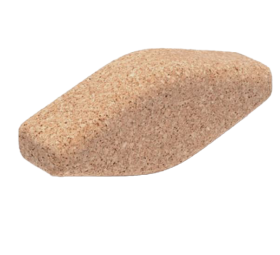
Sold: Each
Incl. VAT Exl. VAT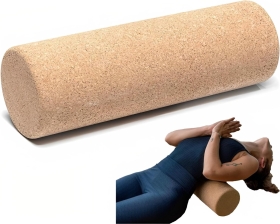
Sold: Each
Incl. VAT Exl. VAT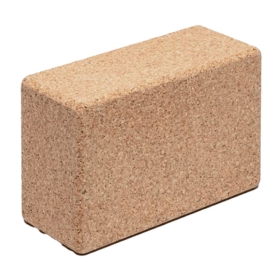
Sold: Each
Incl. VAT Exl. VAT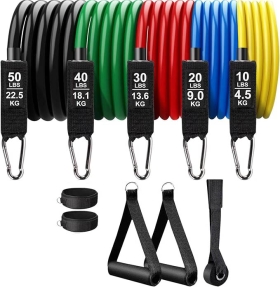
Sold: Complete Set
Incl. VAT Exl. VATSold: Complete Set
Incl. VAT Exl. VAT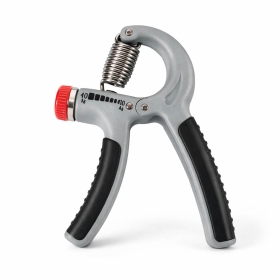
Sold: Each
Incl. VAT Exl. VATSold: Each
Incl. VAT Exl. VAT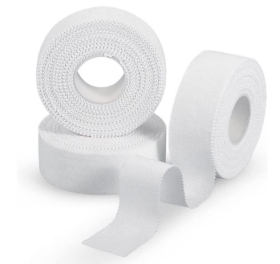
Sold: 13.5m Rolls
Incl. VAT Exl. VAT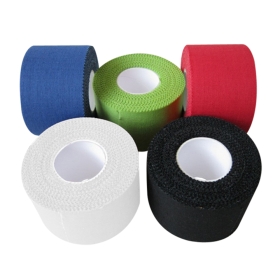
Sold: Pack of 6
Incl. VAT Exl. VAT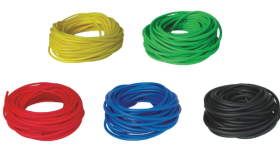
Sold: Each
Incl. VAT Exl. VAT
Sold: Each
Incl. VAT Exl. VAT
Sold: Various
Incl. VAT Exl. VAT
Sold: Pack of 3
Incl. VAT Exl. VATSold: Pack of 3
Incl. VAT Exl. VAT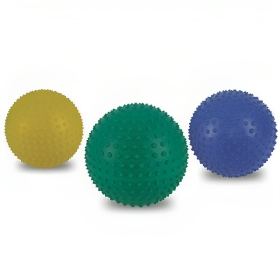
Sold: Each
Incl. VAT Exl. VATSold: Each
Incl. VAT Exl. VAT
Sold: Each
Incl. VAT Exl. VAT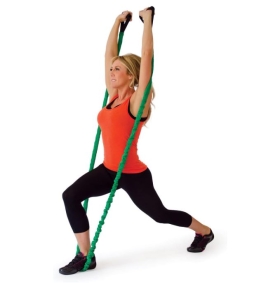
Sold: Each
Incl. VAT Exl. VAT
Sold: Rolls of 3.8cm x 4.5m
Incl. VAT Exl. VAT Sold: Various
Incl. VAT Exl. VATSold: Various
Incl. VAT Exl. VAT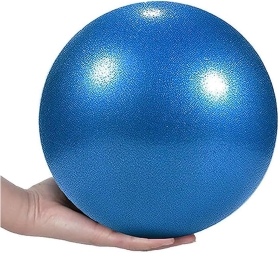
Sold: Each
Incl. VAT Exl. VAT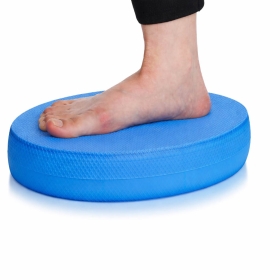
Sold: Each
Incl. VAT Exl. VAT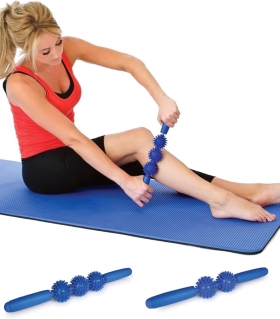
Sold: Each
Incl. VAT Exl. VAT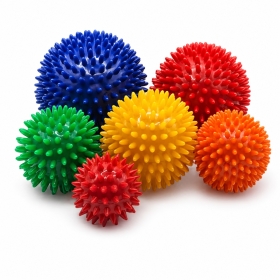
Sold: Each
Incl. VAT Exl. VAT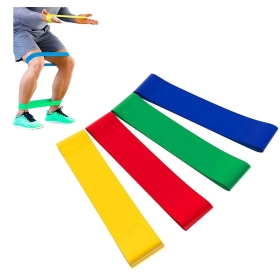
Sold: Each
Incl. VAT Exl. VAT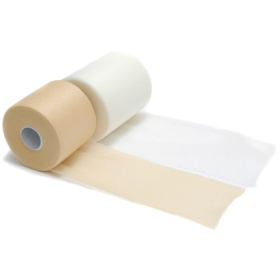
Sold: Singles or Packs
Incl. VAT Exl. VATSold: Singles or Packs
Incl. VAT Exl. VAT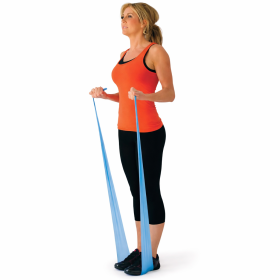
Sold: Each
Incl. VAT Exl. VAT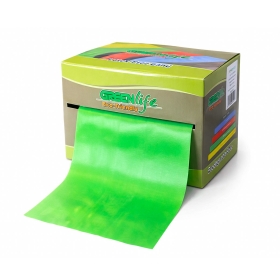
Sold: Roll
Incl. VAT Exl. VAT
Sold: Each
Incl. VAT Exl. VATSold: Each
Incl. VAT Exl. VAT
Sold: Each
Incl. VAT Exl. VAT
Sold: Each
Incl. VAT Exl. VAT
Sold: Each
Incl. VAT Exl. VATSold: Each
Incl. VAT Exl. VAT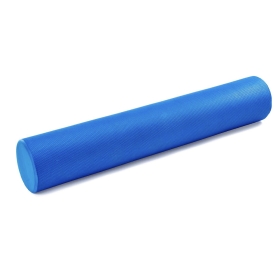
Sold: Each
Incl. VAT Exl. VAT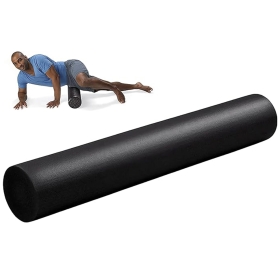
Sold: Each
Incl. VAT Exl. VAT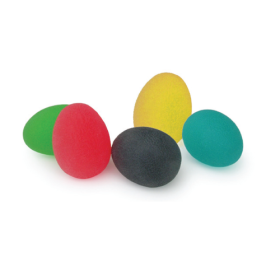
Sold: Each
Incl. VAT Exl. VATSold: Each
Incl. VAT Exl. VAT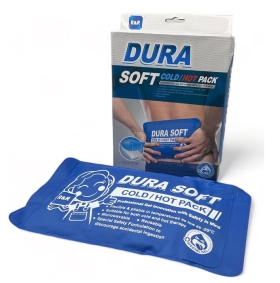
Sold: Each
Incl. VAT Exl. VAT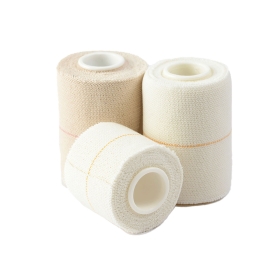
Sold: Singles or Packs
Incl. VAT Exl. VAT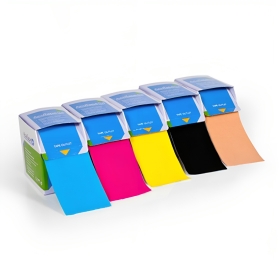
Sold: Per Roll
Incl. VAT Exl. VAT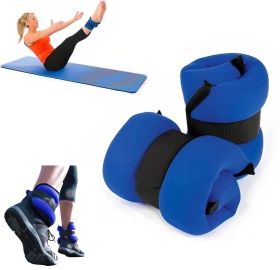
Sold: Pair
Incl. VAT Exl. VAT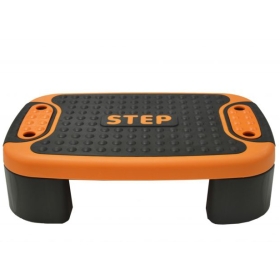
Sold: Each
Incl. VAT Exl. VATSold: Each
Incl. VAT Exl. VAT
Sold: Each
Incl. VAT Exl. VAT
Sold: Each
Incl. VAT Exl. VAT
Sold: Each
Incl. VAT Exl. VAT
Sold: Each
Incl. VAT Exl. VATSold: Each
Incl. VAT Exl. VAT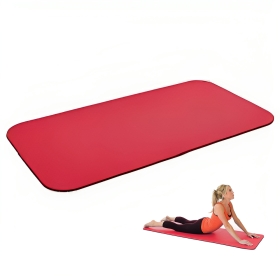
Sold: Each
Incl. VAT Exl. VATSold: Each
Incl. VAT Exl. VAT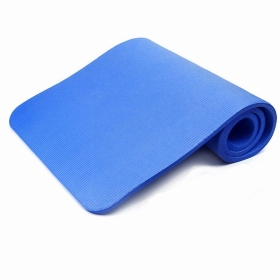
Sold: Each
Incl. VAT Exl. VATSold: Each
Incl. VAT Exl. VAT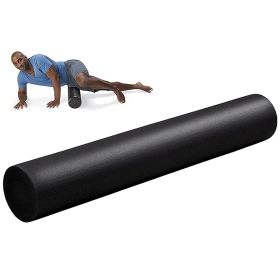
Sold: Each
Incl. VAT Exl. VAT
Sold: Each
Incl. VAT Exl. VAT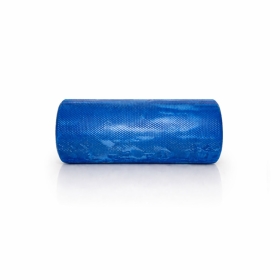
Sold: Each
Incl. VAT Exl. VAT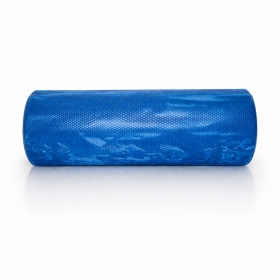
Sold: Each
Incl. VAT Exl. VAT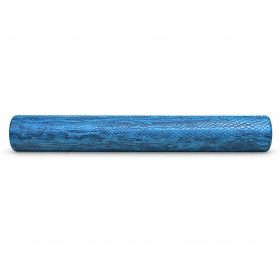
Sold: Each
Incl. VAT Exl. VAT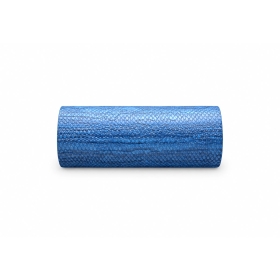
Sold: Each
Incl. VAT Exl. VAT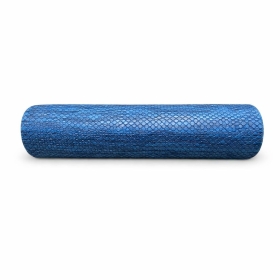
Sold: Each
Incl. VAT Exl. VAT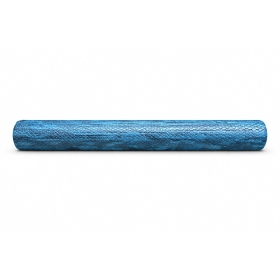
Sold: Each
Incl. VAT Exl. VAT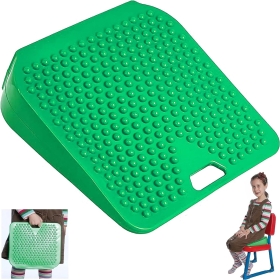
Sold: Each
Incl. VAT Exl. VATSold: Each
Incl. VAT Exl. VAT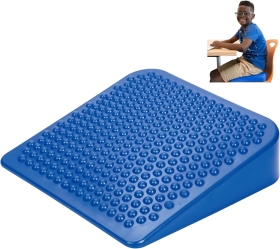
Sold: Each
Incl. VAT Exl. VAT
Sold: Each
Incl. VAT Exl. VAT
Sold: Each
Incl. VAT Exl. VAT
Sold: Sold Individually
Incl. VAT Exl. VAT
Sold: Each
Incl. VAT Exl. VAT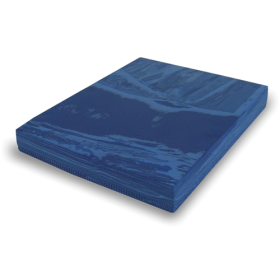
Sold: Each
Incl. VAT Exl. VATSold: Each
Incl. VAT Exl. VAT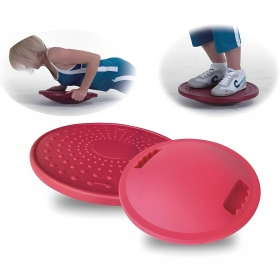
Sold: Each
Incl. VAT Exl. VATSold: Each
Incl. VAT Exl. VAT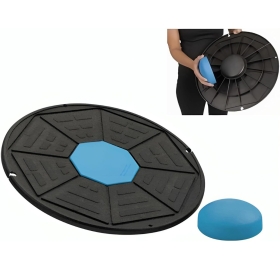
Sold: Each
Incl. VAT Exl. VATSold: Each
Incl. VAT Exl. VAT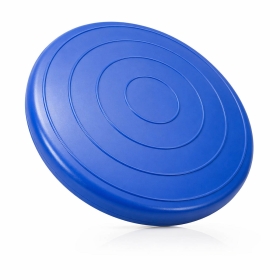
Sold: Each
Incl. VAT Exl. VAT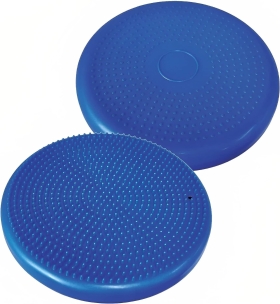
Sold: Each
Incl. VAT Exl. VAT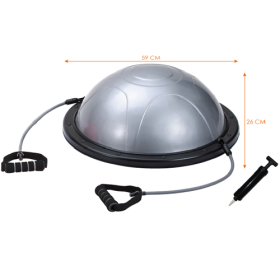
Sold: Each
Incl. VAT Exl. VATSold: Each
Incl. VAT Exl. VAT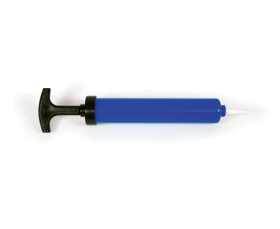
Sold: Each
Incl. VAT Exl. VAT
Sold: Kit of 4 bands
Incl. VAT Exl. VAT