



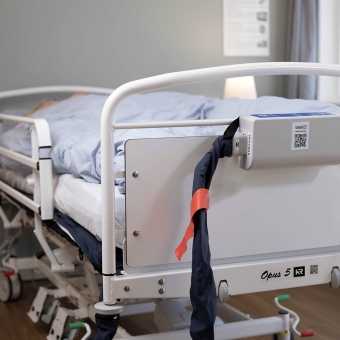
Algeos has expanded its pressure-care portfolio through a new distribution partnership with Caversham®, making four specialist Class I medical devices available to healthcare professionals and care providers across the UK.
Wheelchair Cushions
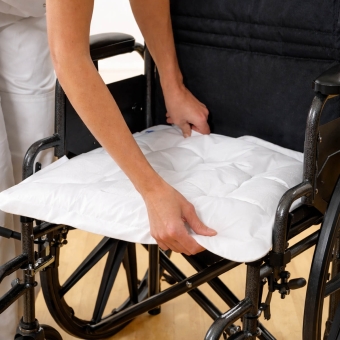

Pressure ulcers can develop in as little as 10–15 minutes in people with limited mobility or fragile skin. Effective pressure care management is therefore essential.
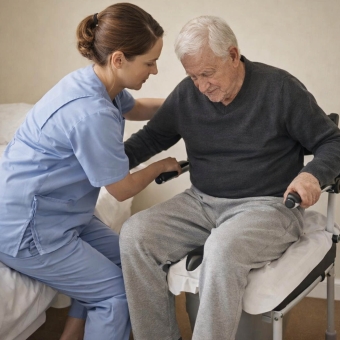
Our range of pressure relief cushions is designed to support the prevention, treatment, and ongoing management of pressure sores by redistributing pressure, improving comfort, and supporting skin integrity.
Trusted by hospitals, the NHS Supply Chain, care homes, community nursing teams, and patients, these cushions are recognised for their consistent clinical performance and reliability. Used worldwide as part of pressure ulcer prevention strategies, they combine considered design with proven safety and long-term comfort.
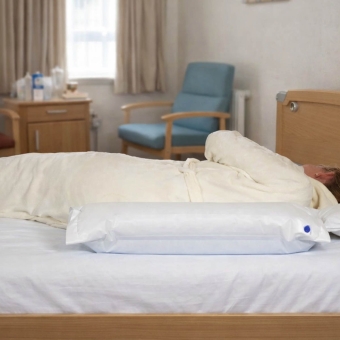
Levabo is a new Danish brand who manufacture single-use pressure relief cushions that help reduce pressure and improve comfort for patients. Algeos stock, distribute and support the range in the UK.
By using air as the core material and maintaining local European production, Levabo products deliver a combination of high quality, rapid availability and cost-effectiveness. This approach ensures real benefits not only for patients, by enhancing comfort and reducing risk, but also for healthcare staff, by simplifying daily care routines.
With design, development, production and support managed in-house, Levabo ensures every product is carefully considered from concept through to delivery - giving clinicians and carers reliable tools to support effective treatment, prevention, and care.
Levabo’s products are created to meet genuine needs in hospitals, care homes, and community environments. Each solution is designed around the everyday situations where patients and caregivers meet, ensuring practical support where it’s needed most.
Healthcare professionals are actively involved in this process. When new challenges arise - for example, with patients at risk of pressure ulcers or those requiring long periods of bed rest - Levabo can adapt and design products that directly address those needs.
Single-use = reduced infection risk. No need to worry about whether the cushion has been properly cleaned or disinfected.
Particularly important in hospitals, care homes, and community settings where patients may be vulnerable to infections.
No need for cleaning, drying, or maintenance.
Staff can simply use a fresh cushion for each new patient.
Saves nursing and carer time, especially in busy wards or short-term care.
Ideal for short hospital stays, post-surgery recovery, or temporary immobility.
Easy to carry, inflate/activate, and dispose of — making them practical for home visits, ambulance services, and community care.
For short-term use, disposables can be more economical than buying, cleaning, and maintaining reusable cushions.
They prevent hidden costs (laundry, decontamination, equipment return systems).
Each patient has a brand-new cushion, which can feel more reassuring.
Ensures consistent comfort and pressure relief, without concerns about wear and tear from previous use.
People use disposable pressure relief cushions, such as Levabo, for a few reasons. They help control infections. They are convenient to use. They are also suitable for short-term care.
Read more about the Levabo brand, including research studies and testimonials.
August 12, 2026
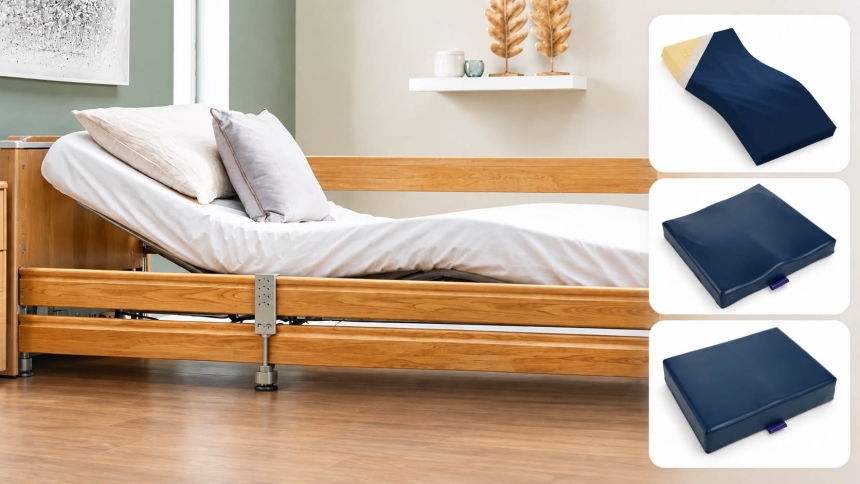
Algeos has expanded its pressure-care portfolio through a new distribution partnership with Caversham®, making four specialist Class I medical devices available to healthcare professionals and care providers across the UK.
February 12, 2026
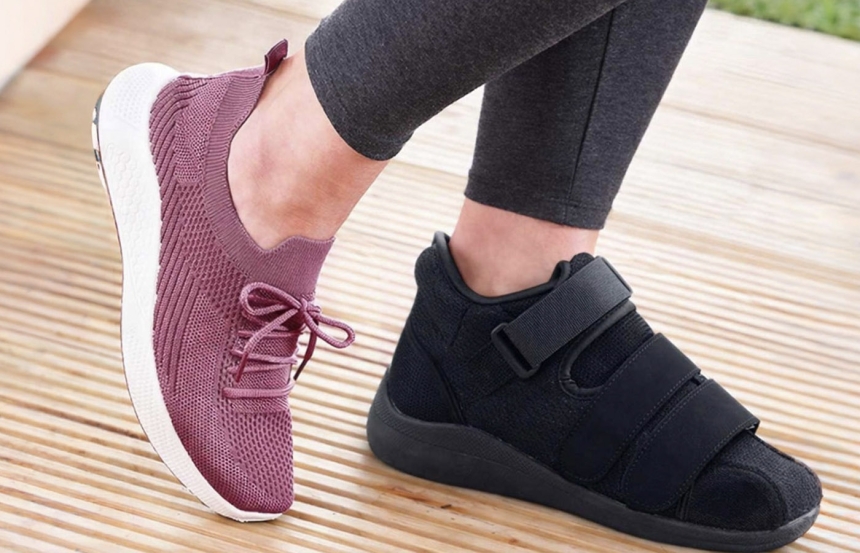
A post-op shoe (post-operative shoe) is a medical footwear device used after foot surgery, fractures, ulcer care or soft-tissue procedures to protect the foot and reduce stress during walking.
November 04, 2025
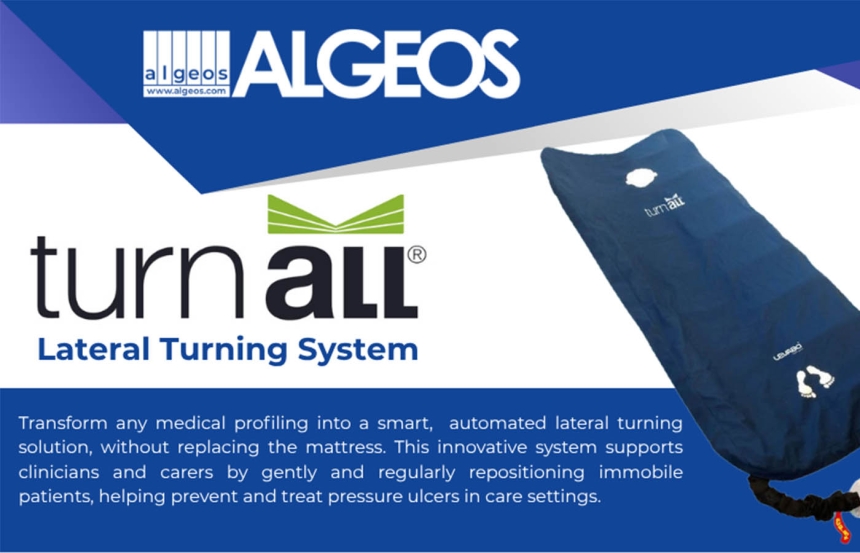
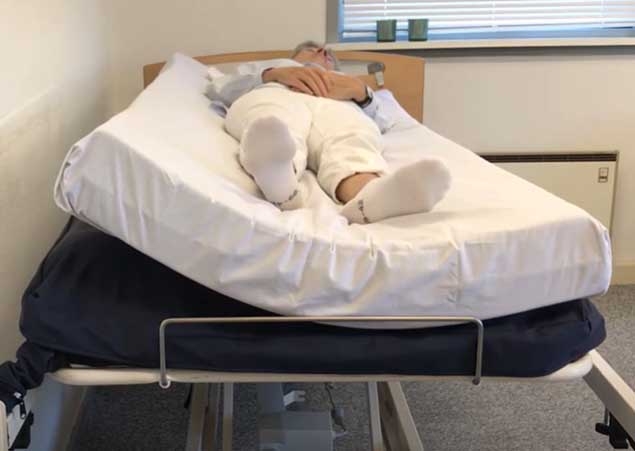
In the challenging world of pressure care, ensuring immobile or high-risk patients receive consistent repositioning is one of the most effective ways to prevent and treat pressure ulcers. In this blog post we explore how an automated lateral turning system.
August 13, 2025
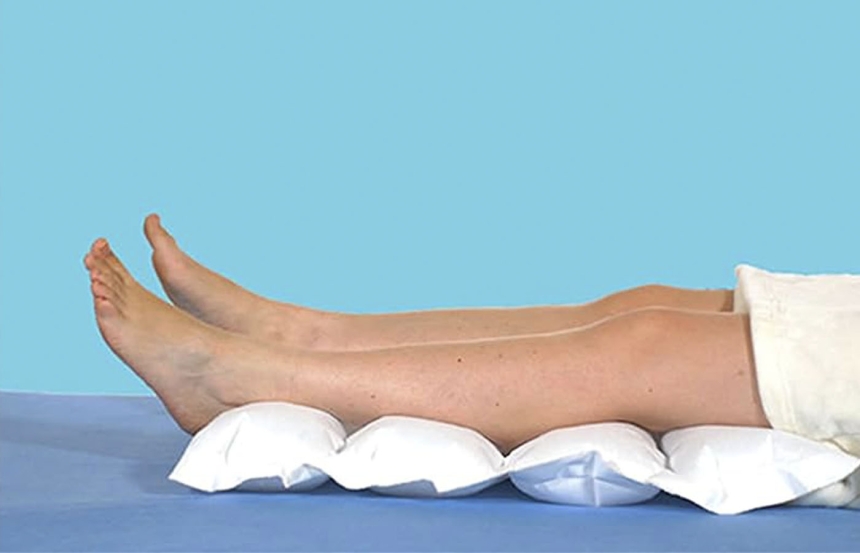
Demand for single-use pressure care cushions - especially disposable pressure-relief cushions - exists across UK hospitals, care homes and community services. The drivers are simple: infection prevention and control (IPC), speed and simplicity in high-turnover pathways, and the ongoing need to prevent pressure ulcers.
July 31, 2025
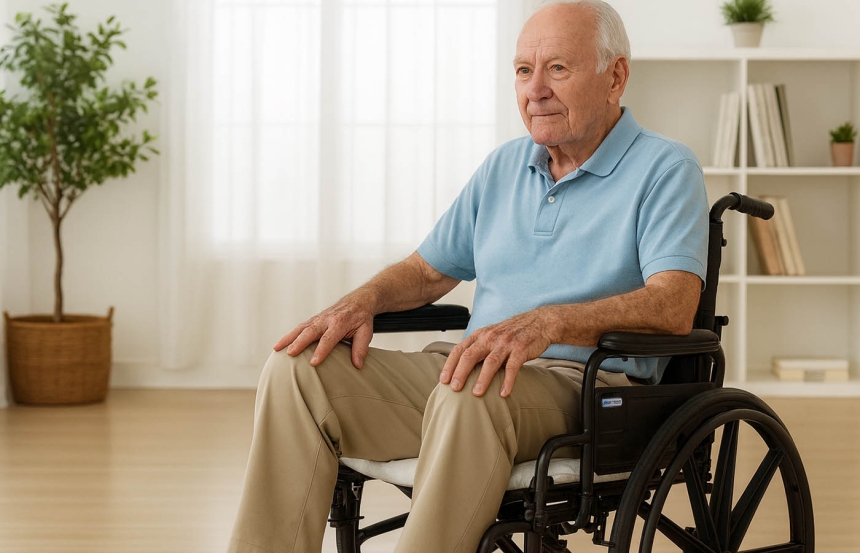
Pressure sores (also called pressure ulcers or pressure injuries) are largely preventable. The buttocks - especially the sacrum and ischial tuberosities - are high-risk areas for anyone who sits or lies for prolonged periods, has reduced mobility or experiences incontinence.
June 30, 2025
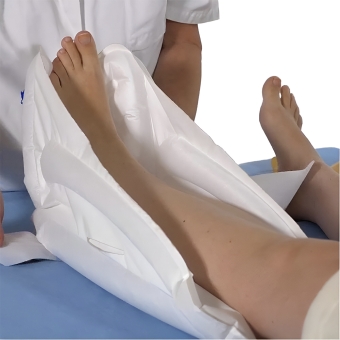
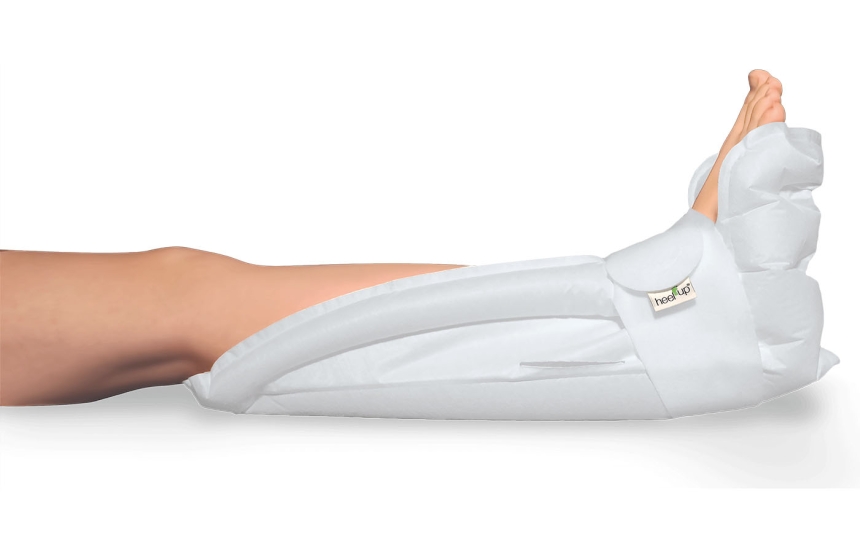
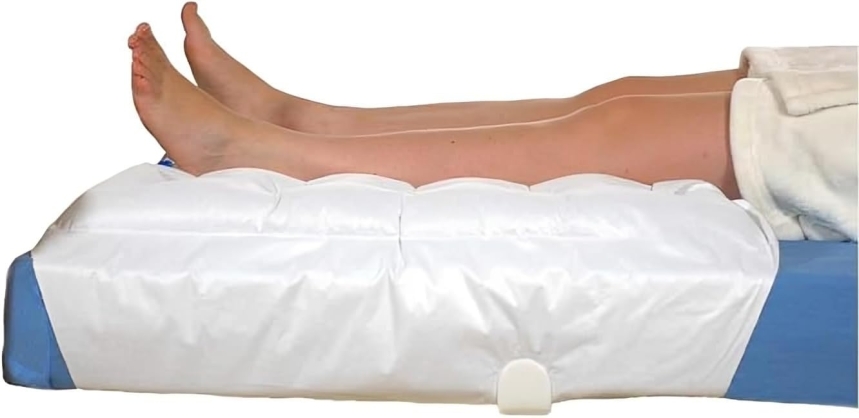
Pressure ulcers, also known as pressure sores, are a significant concern in hospitals and care homes, particularly among immobile or vulnerable patients. The heel is especially prone to ulceration due to its minimal soft tissue padding and frequent contact with bed surfaces. Heel Up pressure relief cushions offer a targeted solution by completely offloading the heel, redistributing pressure, and protecting the skin from injury.
April 06, 2025
In this article, we explore how Levabo products support the effective management of pressure ulcers, examine the best cushions for pressure sores on buttocks, highlight the importance of heel cushions for pressure sores, and provide actionable insights into preventing pressure sores before they begin.
November 21, 2024
Across the UK, over 700,000 people are affected by pressure ulcers each year, at a cost of £3.8 million every day to the NHS1. With an ageing population – as well as increasing prevalence of conditions such as diabetes, heart and kidney diseases, peripheral vascular disease, Alzheimer’s and lower limb oedema – prevention has been more important than ever to reduce waiting lists and improve the lives of those affected.
October 29, 2024