




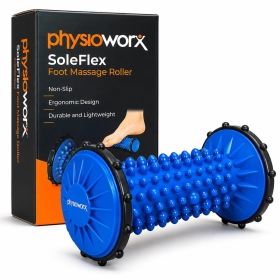
 Physioworx SoleFlex Plantar Fasciitis Foot Massager£17.94 £14.95
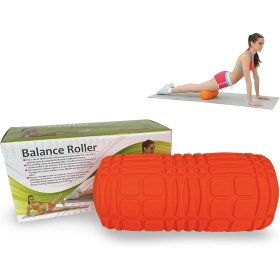 Inflatable Balance & Massage Roller£15.54 £12.95
Sold: Each
Incl. VAT Exl. VAT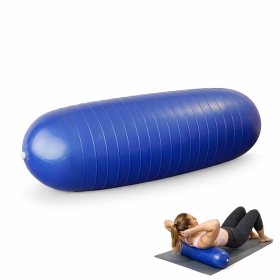 Inflatable Body Massage Roller - 42cm x 18cm - Air Filled Roller Massage for Back£17.94 £14.95
Sold: Each
Incl. VAT Exl. VAT
SHOW PRICES WITH OR WITHOUT VAT? MANY BUSINESS CUSTOMERS PREFER TO VIEW PRICES EXCLUDING VAT.
0151 448 1228 (UK)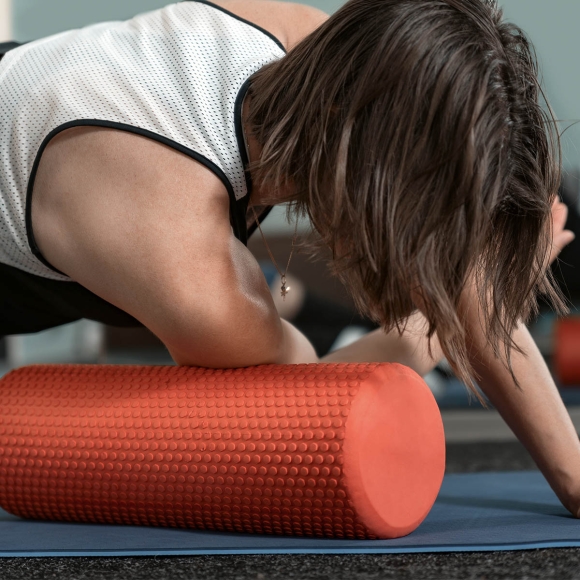

Do air-filled massage rollers work?
Air-filled massage rollers are a softer, adjustable take on the classic foam roller. Below, we explain how they differ, what current evidence suggests, and how to use them safely and effectively.
How air-filled rollers are different
Air-filled rollers are essentially inflatable versions of foam rollers. They typically have a PVC or rubber shell with an internal air chamber and include a pump so you can alter the firmness. This design means:
- Adjustable pressure. Firmness can be increased or decreased by adding or releasing air. This lets a user apply gentle pressure when starting out and increase pressure for deeper “myofascial release” over time.
- Softer surface and ergonomic shapes. Many air-filled rollers have a concave or textured exterior for better grip and portability. The softer surface is often more comfortable for beginners or sensitive areas than hard, high-density foam.
Evidence on effectiveness
| Topic | Evidence (summary) | Take-away |
|---|---|---|
| Relief of muscle soreness (DOMS) | A controlled study reported that foam rolling after a strenuous squat protocol significantly reduced delayed-onset muscle soreness and improved recovery of sprint time, power, and dynamic strength-endurance. Authors recommended ~20 minutes of rolling immediately post-exercise and every 24 hours thereafter. | Foam rolling – including air-filled versions – can reduce soreness and improve recovery after intense exercise, but proper duration and technique are key. |
| Range-of-motion and flexibility | Meta-analyses indicate that pre-rolling improves short-term flexibility without impairing performance. Foam rolling with or without vibration improves range of motion; performance effects are inconsistent. Some studies suggest vibration offers slight advantages; others find no meaningful difference. | Foam rollers (air-filled or not) can temporarily increase range of motion. Improvements are modest and likely short-lived. Vibrating or textured rollers do not clearly outperform standard rollers. |
| Soft vs. hard rollers/balls | A crossover study comparing a soft inflatable rubber ball with a hard massage ball (suboccipital region) found the soft, air-filled ball compressed tissue more deeply with less muscle activity and discomfort (very low pain ratings vs. the hard ball). A recent sports-science review echoed these findings. | Softer, air-filled tools can press deeper into tissues while causing less discomfort. Helpful for sensitive areas or beginners, though the absolute pressure is lower than with rigid tools. |
| Safety & contraindications | An expert consensus warns that mechanical pressure from rollers is inadvisable with open wounds or bone fractures, and requires caution for local tissue inflammation, deep-vein thrombosis, osteomyelitis, and myositis ossificans. | Generally safe when used correctly, but users with acute injuries or vascular conditions should avoid or seek professional advice. |
Overall assessment
- Short-term benefits. Foam rolling (and by extension air-filled rollers) can temporarily reduce muscle soreness, increase range of motion and improve blood flow. Some athletes feel rolling “primes” the neuromuscular system for subsequent exercise.
- Adjustability and comfort. Air-filled rollers let you control firmness. For those new to rolling or with sensitive tissues, reducing pressure can make sessions more tolerable. Softer, inflatable tools often achieve depth with less discomfort than hard balls.
- Limited and inconsistent evidence. The research base is growing, but performance benefits are generally small and sometimes negligible. Direct head-to-head studies of air-filled vs. standard foam rollers are limited.
- Not a cure-all. Rolling should supplement, not replace, training, mobility work and recovery basics. It won’t fix underlying injuries or dramatically change fascia.
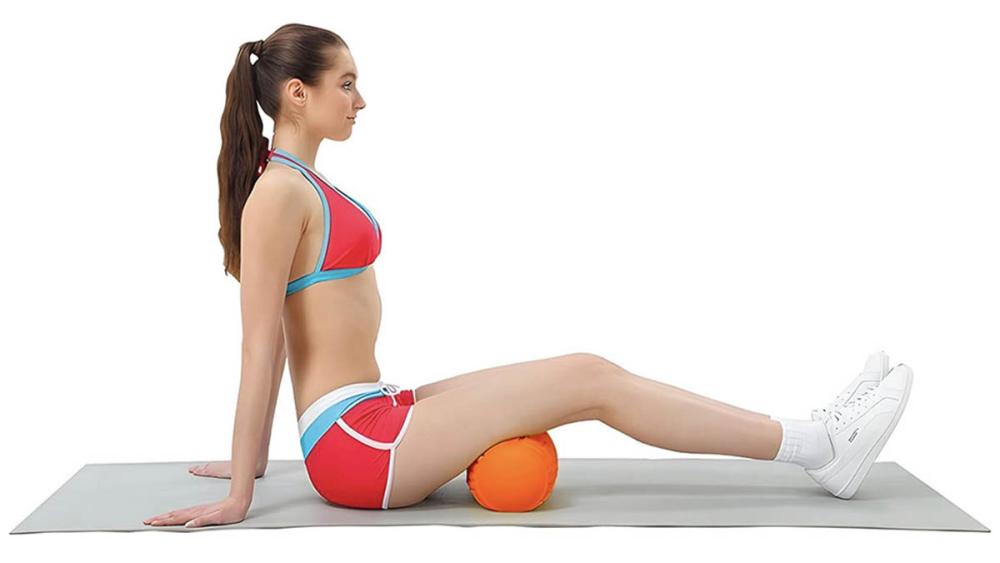
Practical advice
- Start gentle. Use minimal inflation initially to keep intensity low, then add air as you adapt.
- Target soft tissue only. Roll slowly over muscles and avoid joints/bony areas (knees, ankles, elbows). Spend 30-60 seconds per muscle group and avoid sharp pain.
- Make it part of recovery. Combine rolling with sleep, hydration, balanced nutrition, and appropriate stretching or mobility work.
- When in doubt, ask. If you have injuries or medical conditions (e.g. vascular issues), consult a health professional before use.
Air-filled massage rollers offer adjustable firmness and a more forgiving feel than hard foam rollers. As part of a balanced recovery routine, they may help relieve muscle soreness and improve flexibility - especially for beginners or anyone who prefers softer pressure.
Expect modest, mainly short-term benefits and use them alongside sensible training and recovery habits - not as a replacement for professional care.
Sold: Each
Incl. VAT Exl. VAT