




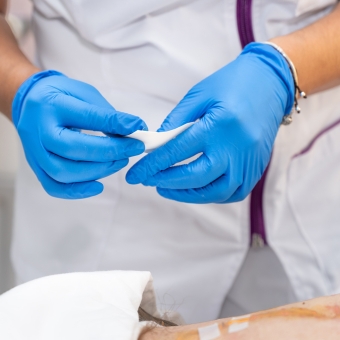
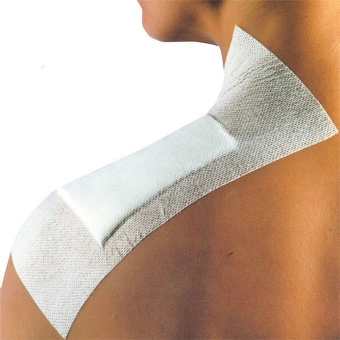
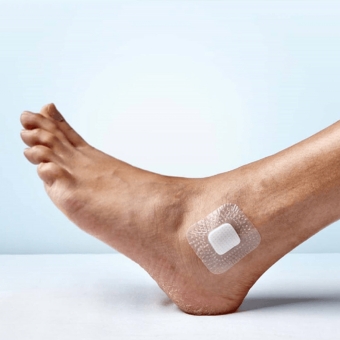
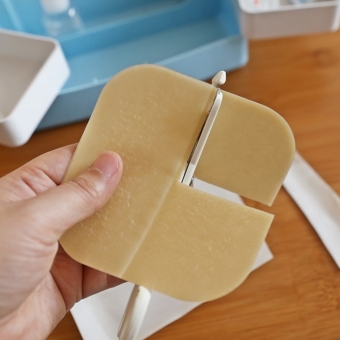
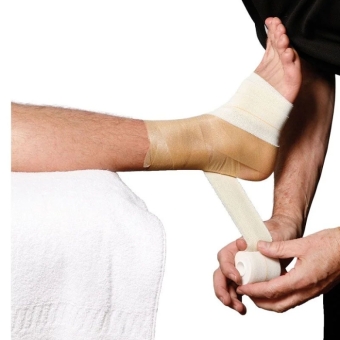
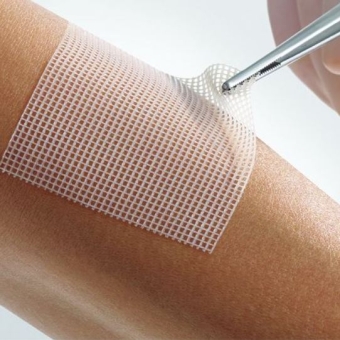
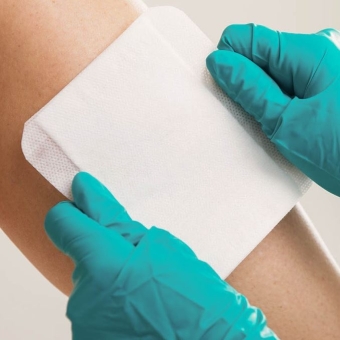
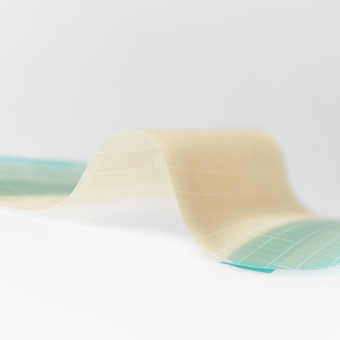
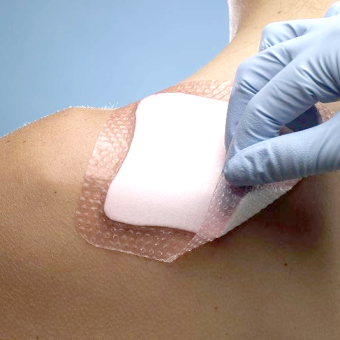
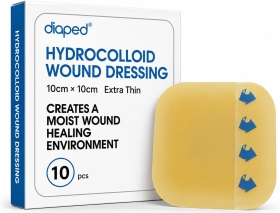
Hydrocolloid dressings are widely recognised in wound care for their ability to create a moist healing environment, which is crucial for tissue regeneration.
Adhesive Dressings
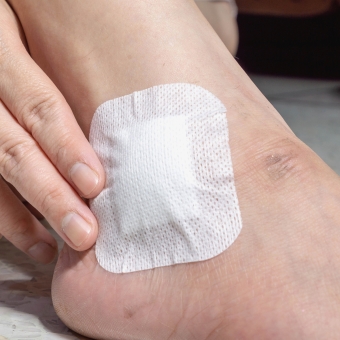
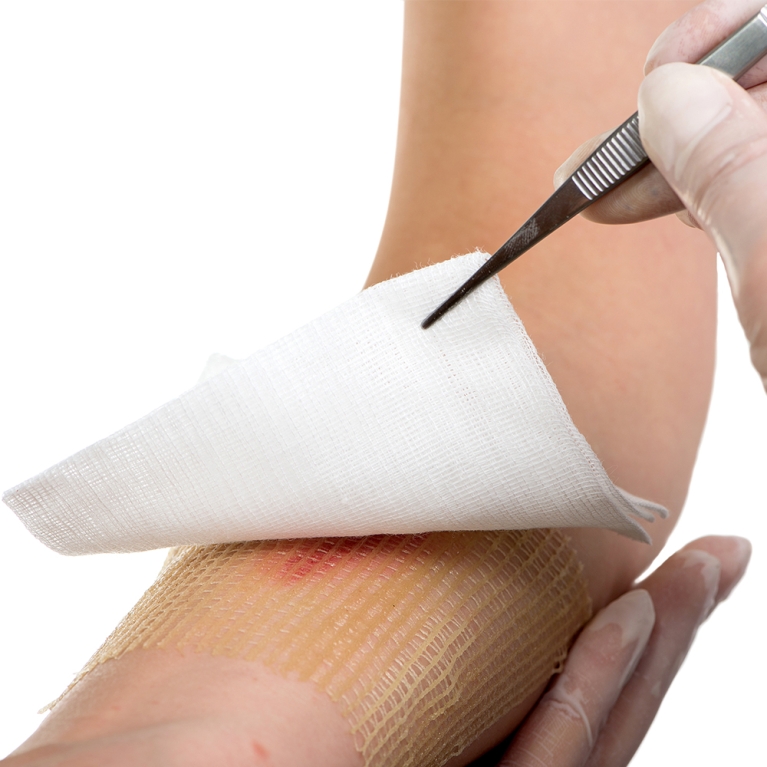
Shop sterile wound dressings for wound care at Algeos, with a dependable range of adhesive, non-adhesive and hypoallergenic options for professional and home use.
Available in different sizes, shapes and materials, our dressings are designed to protect wounds, support healing and improve patient comfort.
Choose from gentle, non-adherent dressings developed to help reduce pain and trauma during dressing changes, making them ideal for sensitive wounds including burns, skin grafts and foot ulcers.
Whether you are stocking a clinic or buying for home care, Algeos makes it easy to find the right wound dressing for the job.
Shop sterile wound dressings at Algeos with confidence. Our range is designed to help you find the right balance of absorbency, protection, comfort and secure fixation for a wide variety of wound care needs.
From gentle dressings for sensitive skin to practical options for ongoing wound protection, we offer reliable solutions for clinics, healthcare settings and home care. With different dressing types available, it is easier to choose products suited to the wound, the treatment plan and the level of care required.
For advanced or slow-healing wounds, specialist advice is always important. For everyday wound care supplies, Algeos provides dependable dressing options that help support comfort, protection and efficient treatment.
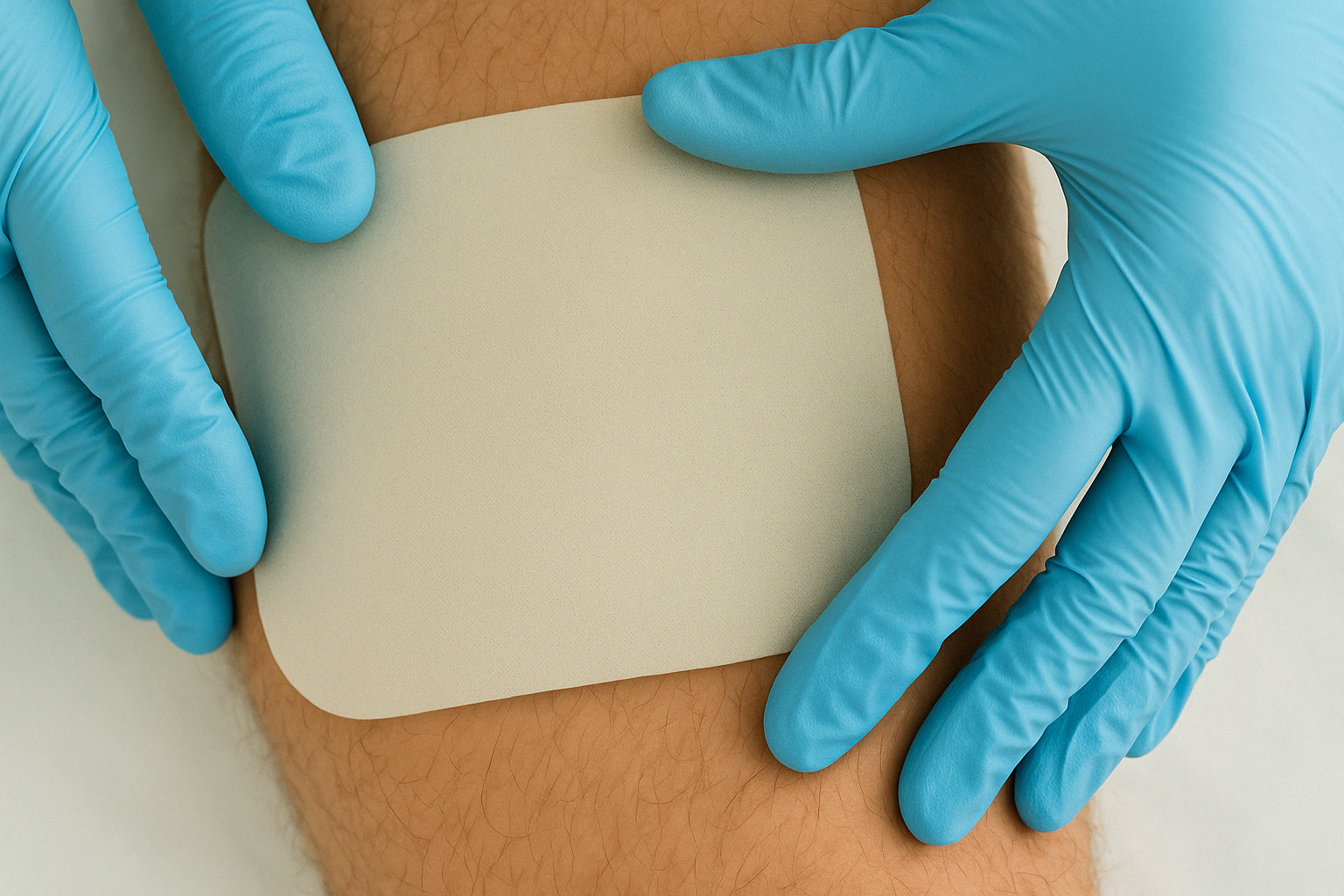
Wound dressings are protective materials placed over a wound to help support the healing environment, manage exudate, reduce contamination risk and protect fragile tissue during day-to-day movement or dressing changes.
Different dressing types are chosen according to wound depth, moisture level, skin condition, anatomical site and whether the surrounding tissue is especially delicate.
Selecting the appropriate dressing for the wound type and healing stage is critical. Acute wounds, chronic ulcers, surgical incisions and burns all have different requirements.
Factors such as moisture balance, exudate level, depth and the presence of infection should guide dressing choice. For example, highly exuding wounds may require absorbent dressings, while dry or shallow wounds often benefit from moisture-retentive options that support tissue regeneration.
Ongoing monitoring of the wound is essential throughout the healing process. Dressings should be changed at appropriate intervals, and the wound site checked for signs of infection such as increased redness, swelling, warmth, pain, odour or unusual discharge.
Early identification of these warning signs allows for prompt intervention and helps prevent more serious complications.
Dressings work best when supported by the right accessories.
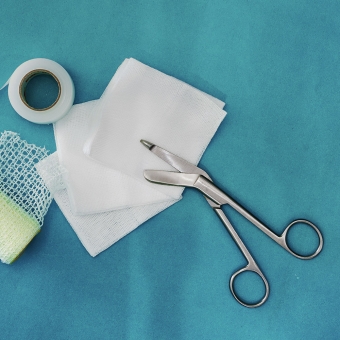
Many users also need gauze swabs, adhesive spray, clinical scissors and secure secondary fixation options. For broader support in tissue protection and pressure reduction, Algeos also offers pressure care management products and foot offloading solutions.
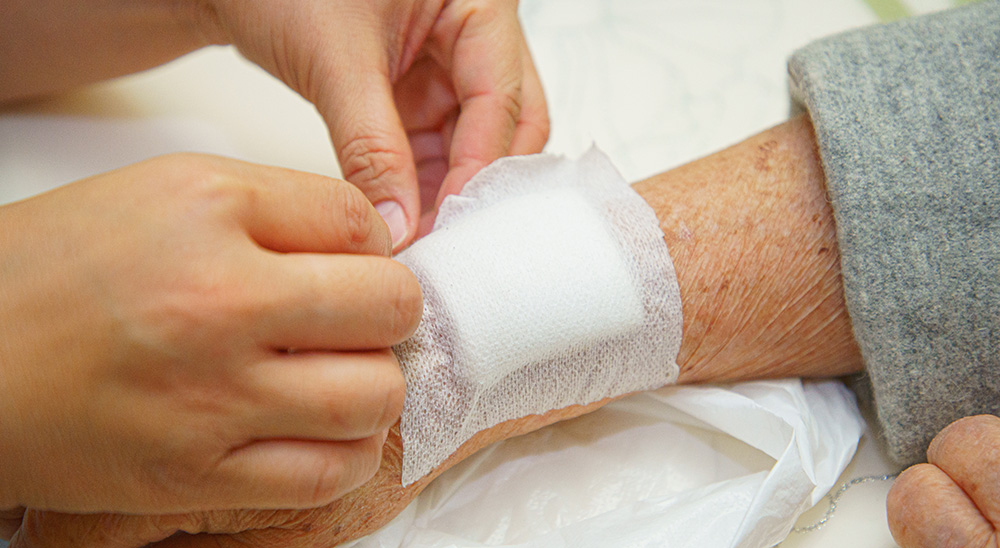
Often selected where absorbency is important. These are commonly considered for wetter wounds and cavity management where fluid handling matters.
Useful when a protected moist environment is preferred, particularly for low to moderate exudate and superficial wound management.
Often chosen when hydration is needed for dry or sloughy tissue and when gentle support for autolytic debridement is part of the plan.
A practical option where cushioning and absorbency are both helpful, including areas exposed to pressure or friction.
Used where visibility and barrier protection are priorities, helping clinicians inspect the site without frequent removal.
Ideal for primary and secondary cover, practical retention and simple everyday wound care workflows in clinic or at home.
Some dressings are straightforward for routine first aid or minor wound cover, while others are more suitable for clinician-led wound management. For higher-risk wounds, diabetic foot concerns, ongoing exudate issues, skin breakdown or wounds that are slow to progress, selection should be guided by local protocol and clinical assessment.
| Concern or setting | What usually matters |
|---|---|
| Low to moderate exudate wounds | Protection, moisture balance and comfortable wear time |
| Drier wounds or tissue needing hydration | Moisture donation and atraumatic support |
| Wetter wounds or cavity areas | Absorbency and fluid handling |
| Fragile surrounding skin | Gentle removal and minimising dressing trauma |
| Foot ulcer and diabetic wound support | Pressure reduction, dressing suitability and ongoing monitoring |
| Pressure area management | Protection, cushioning and pressure redistribution |
| Routine clinic dressing changes | Efficiency, clean handling and accessory compatibility |
A practical overview of common dressing categories and when each may be appropriate.
Useful for comparing the main dressing approaches when healing environment and comfort are both priorities.
A broader round-up for professionals and home users looking to narrow the field.
Helpful context for dressing selection where diabetic foot risk and delayed healing are concerns.
Explore complementary pressure care products where dressing choice is part of a bigger management plan.
Browse protective and supportive products often considered alongside wound care for at-risk feet.
Condition-led browsing for tissue protection, positioning and pressure reduction.
A practical route into related solutions for vulnerable skin and pressure areas.
Recognised wound care brand with dressings used where absorbency and practical handling are key requirements.
A well-known option within the non-adherent dressing space for clinically led wound care pathways.
An alginate-based option often considered where exudate handling is especially important.
Low-adherent dressing support for routine clinical use and more comfortable dressing changes.
Useful for cleaning, covering and supporting efficient dressing changes in clinic or community settings.
A handy accessory where secure retention of tape or bandage matters.
A practical absorbent dressing option for routine cover and protection.
Useful where clinicians want more flexibility in sizing and dressing preparation.
That depends on the wound. Routine use often starts with the basics: absorbency, non-adherence, ease of application and secure fixation. A good first route is the main wound dressings category, then narrowing down by exudate level and skin sensitivity.
In simple terms, alginate dressings are usually considered for higher exudate, hydrocolloid dressings for protected moist healing in lower to moderate exudate, and hydrogel dressings where hydration is needed.
They can be a useful option where minimising trauma during removal is important. Products such as Cutiplast low-adherent dressings and other atraumatic options are often considered in these cases.
Often, yes. Dressing choice may need to be combined with offloading support, foot protection and structured monitoring. The related diabetic foot ulcer guide is a helpful starting point.
Foam dressings are commonly chosen where absorbency and cushioning are both useful, especially around pressure-prone or friction-prone areas.
Many clinicians keep gauze swabs, adhesive spray and clinical scissors close at hand for more efficient dressing preparation and changeovers.
For a broader wound care background and clinical context, see:
Sold: Pack of 10
Incl. VAT Exl. VAT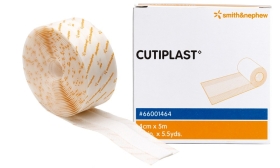
Sold: Roll of 6.5cm x 5m
Incl. VAT Exl. VAT
Sold: 3 packs of 50
Incl. VAT Exl. VAT
Sold: Pack of 50
Incl. VAT Exl. VAT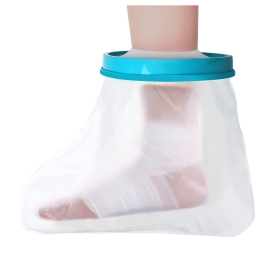
Sold: Each
Incl. VAT Exl. VAT
Sold: Pack of 10
Incl. VAT Exl. VAT
Sold: Pack of 50
Incl. VAT Exl. VAT
Sold: Pack of 10
Incl. VAT Exl. VAT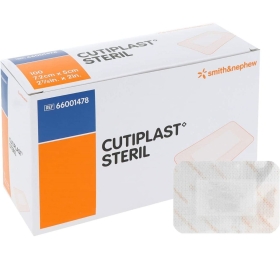
Sold: Pack of 100
Incl. VAT Exl. VAT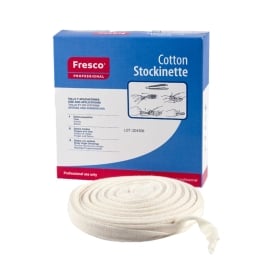
Sold: 20 Metre Roll
Incl. VAT Exl. VAT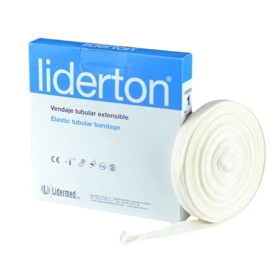
Sold: 20 Metre Roll
Incl. VAT Exl. VAT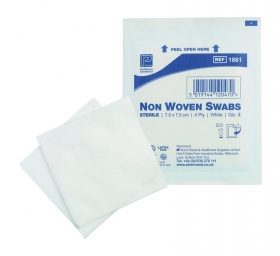
Sold: Pack of 200
Incl. VAT Exl. VAT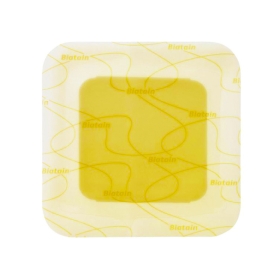
Sold: Various Pack Sizes
Incl. VAT Exl. VAT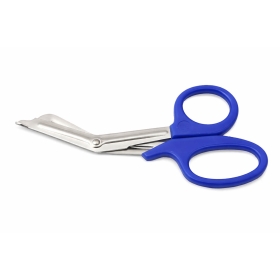
Sold: Each
Incl. VAT Exl. VAT
Sold: 20m Roll
Incl. VAT Exl. VAT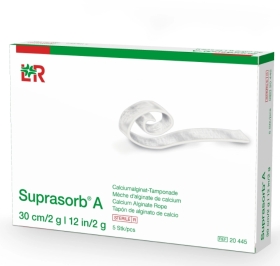
Sold: Box of 5 pieces
Incl. VAT Exl. VAT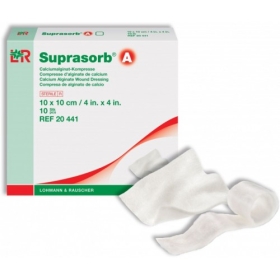
Sold: Box of 10
Incl. VAT Exl. VAT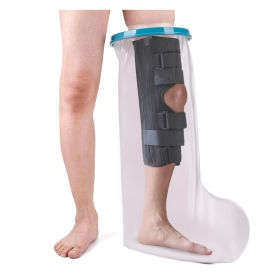
Sold: Each
Incl. VAT Exl. VAT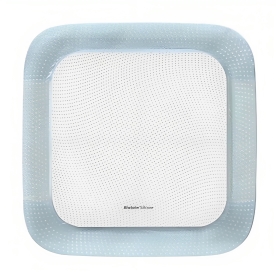
Sold: Pack of 10
Incl. VAT Exl. VAT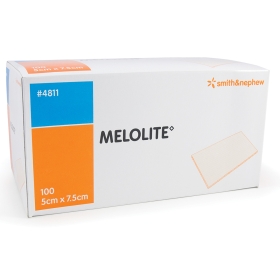
Sold: Pack of 100
Incl. VAT Exl. VAT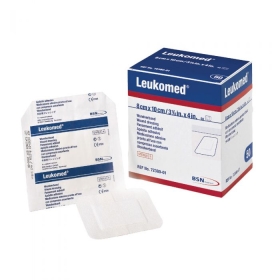
Sold: Pack of 50
Incl. VAT Exl. VAT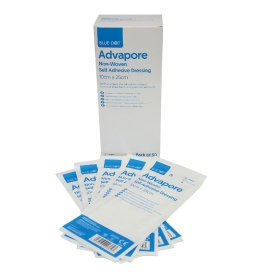
Sold: 3 Packs of 50
Incl. VAT Exl. VAT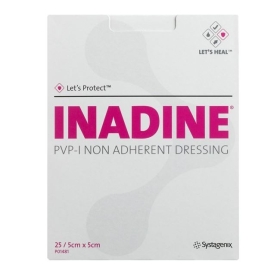
Sold: Pack of 25
Incl. VAT Exl. VAT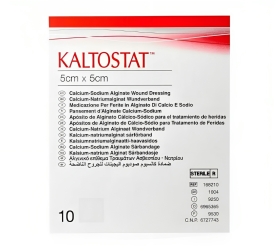
Sold: Pack of 10
Incl. VAT Exl. VAT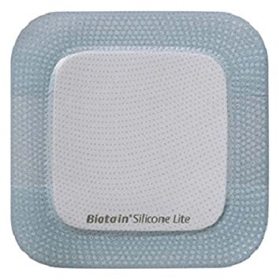
Sold: Pack of 10
Incl. VAT Exl. VATSold: Pack of 10
Incl. VAT Exl. VAT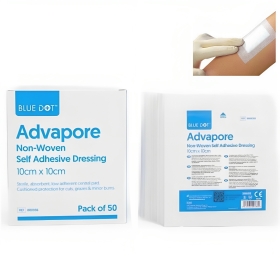
Sold: Pack of 50
Incl. VAT Exl. VAT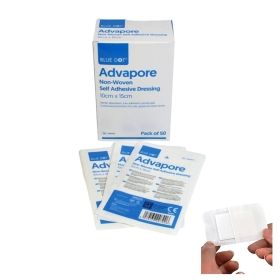
Sold: Pack of 50
Incl. VAT Exl. VAT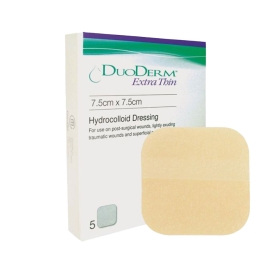
Sold: Pack of 5
Incl. VAT Exl. VAT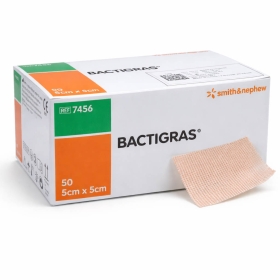
Sold: Pack of 50
Incl. VAT Exl. VAT
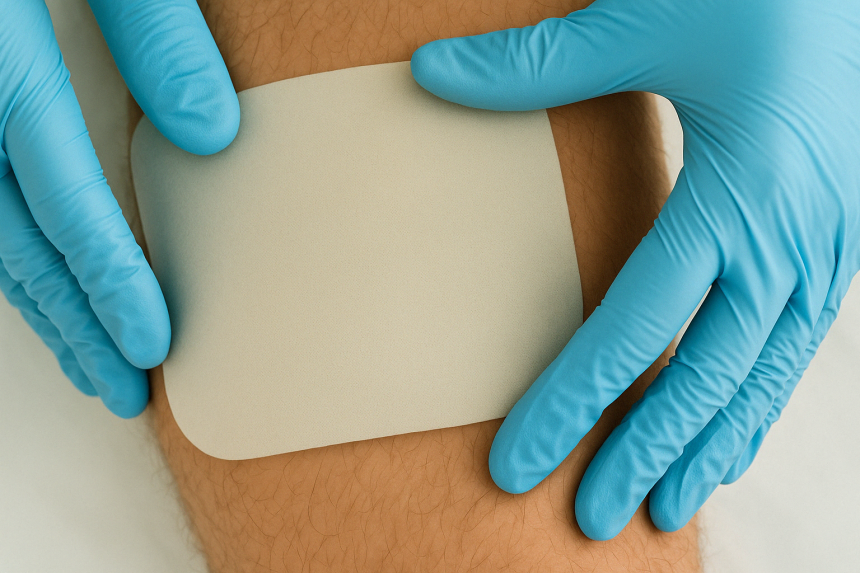
January 25, 2026
Hydrocolloid dressings are widely recognised in wound care for their ability to create a moist healing environment, which is crucial for tissue regeneration.
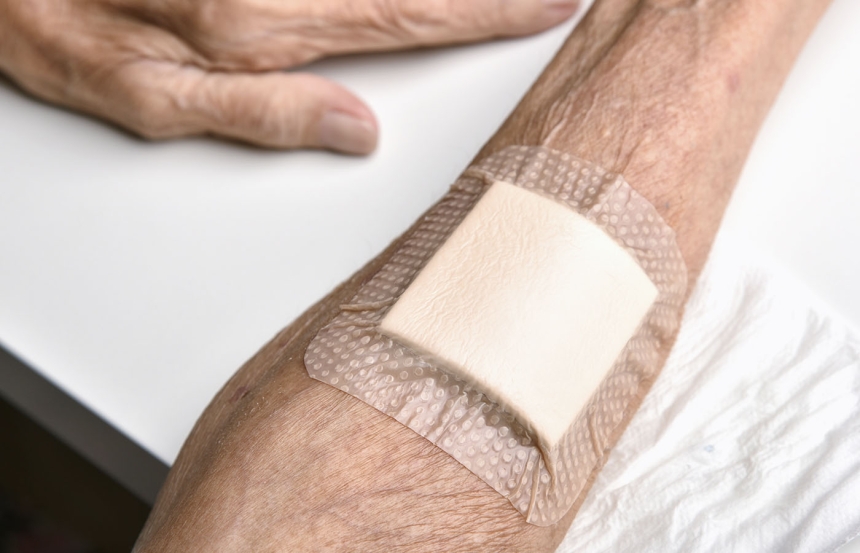
January 22, 2026
Proper wound care is crucial for healing and preventing infection. Modern wound dressings are designed to keep wounds in a moist, protected environment, which research has shown helps skin cells grow and wounds heal faster.
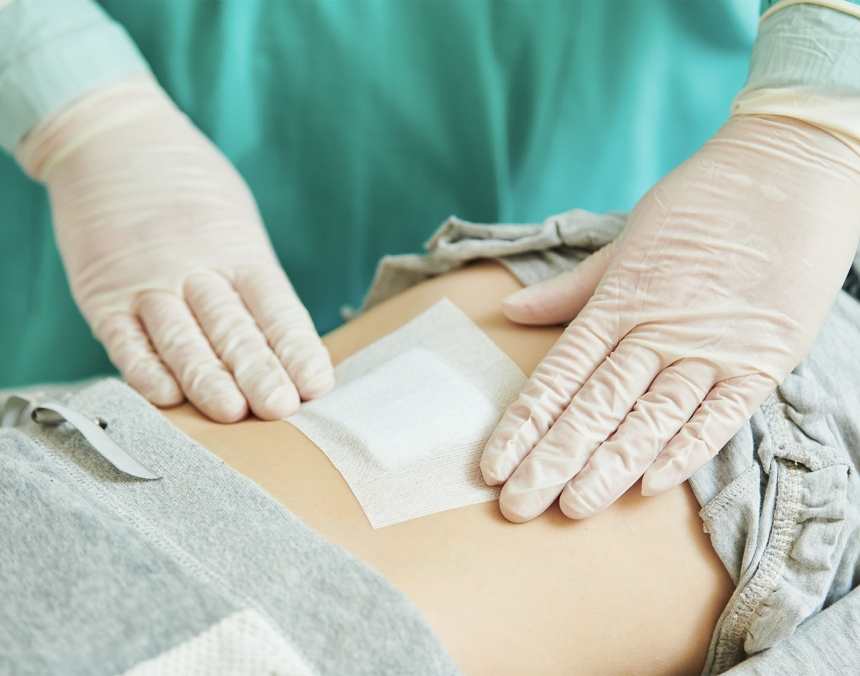
June 01, 2025
Wound dressings are an important part of medical care. They help protect wounds, promote healing, and lower the risk of infection. With many types of dressings available, it’s important to know their differences and uses. This is especially true when treating wounds of different severity.
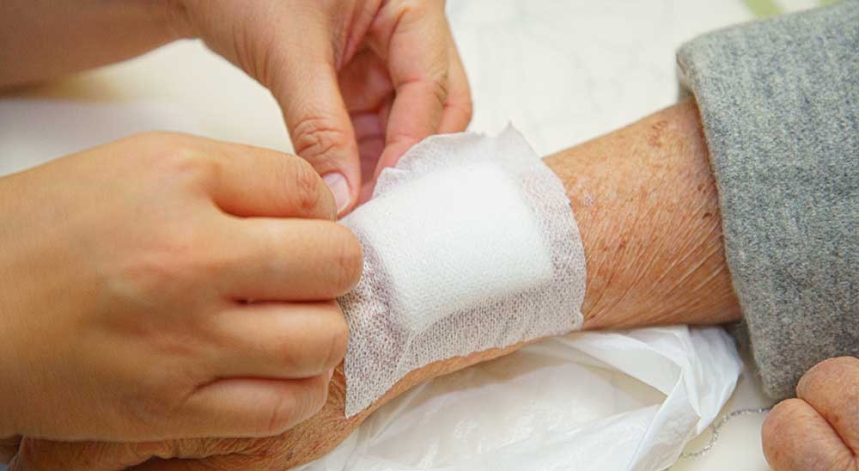
April 30, 2025
March 11, 2025
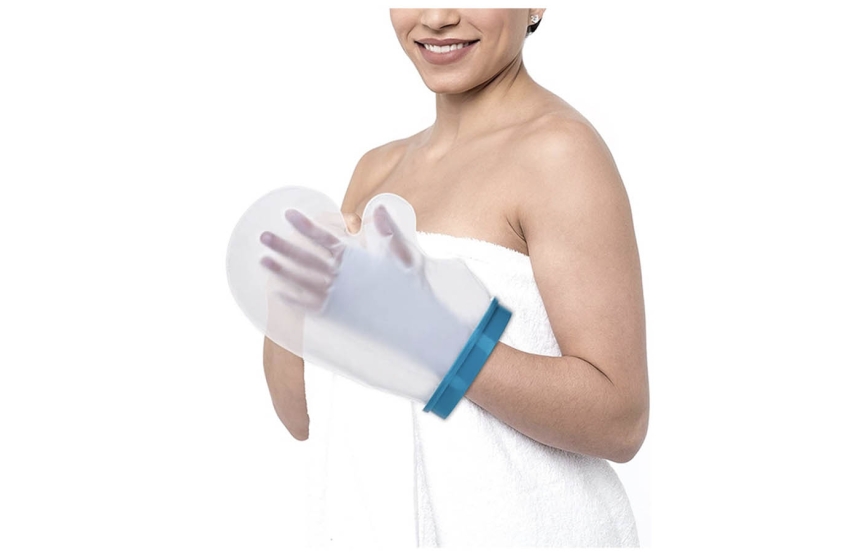
Breaking a bone is difficult enough - dealing with a cast shouldn't make life harder. Whether it's your arm, leg, ankle or wrist in a cast, cast protection is essential for comfort, hygiene and most importantly recovery.
If you've ever wondered how to protect a casted limb from water, knocks, dirt or discomfort, our guide covers it all.
May 02, 2024
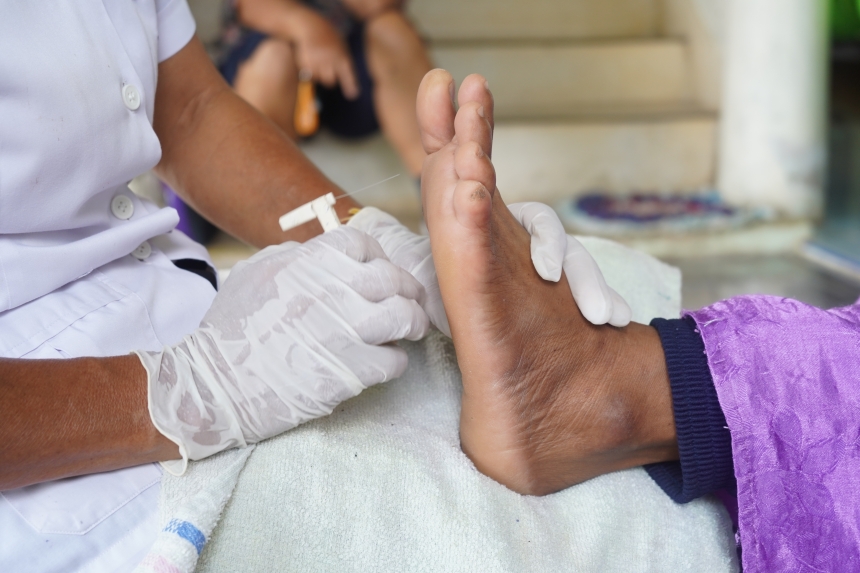
Diabetes is one of the most common diseases amongst adults in the UK, affecting roughly 4.3 million people and responsible for 174 amputations every week. Diabetic foot ulcers occur in between 10% and15% of people living with diabetes and, if left unmanaged, can lead to serious complications for the individual.
September 29, 2022
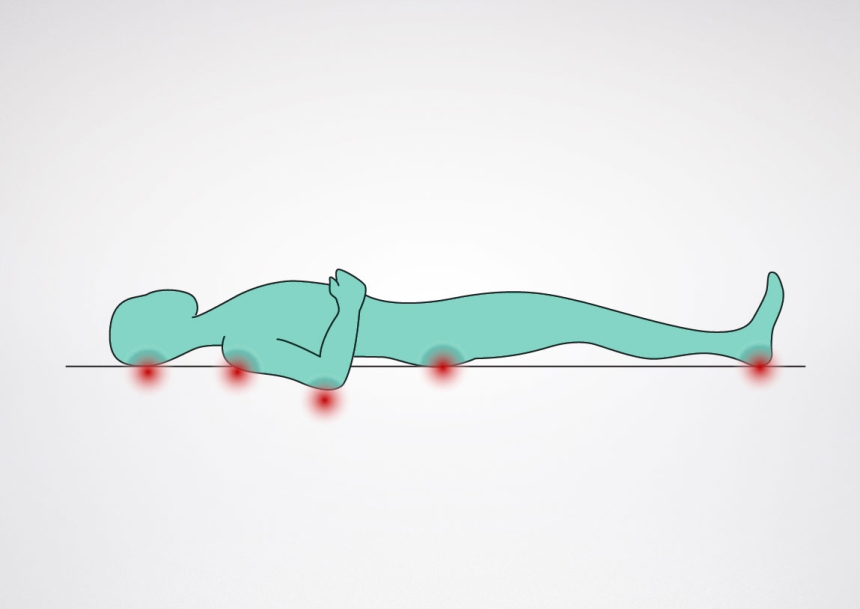
A pressure ulcer is an injury to the skin and underlying tissue, typically occurring when a person is confined to a bed or chair for prolonged periods of time. By disrupting the blood flow to an area under consistent pressure causes the skin to expand, which then develops into a pressure ulcer.
Sold: Box of 10
Incl. VAT Exl. VAT