




Types of Wound Dressings: A Guide to Choosing the Right Option
Wound dressings are an important part of medical care. They help protect wounds, promote healing, and lower the risk of infection. With many types of dressings available, it’s important to know their differences and uses. This is especially true when treating wounds of different severity.
Each type of dressing is made to keep a moist healing environment. This is important for tissue repair and cell growth. Choosing the right dressing for the right stage and type of wound can make a huge difference in outcomes.
Here’s a breakdown of the most common wound dressings and when they’re best used:
Gauze Dressings
These are the most widely used wound dressings, made from cotton or synthetic fibres. They’re great for superficial wounds and are highly absorbent. However, they can dry out and stick to the wound bed, which might slow healing or cause discomfort during removal.
Non-Adherent Dressings
Perfect for sensitive or delicate wounds such as burns, post-surgical wounds, or skin grafts. These dressings are designed not to stick to the skin, which helps minimise pain and trauma during dressing changes. However, they may not be suitable for wounds that produce a lot of fluid or show signs of infection.
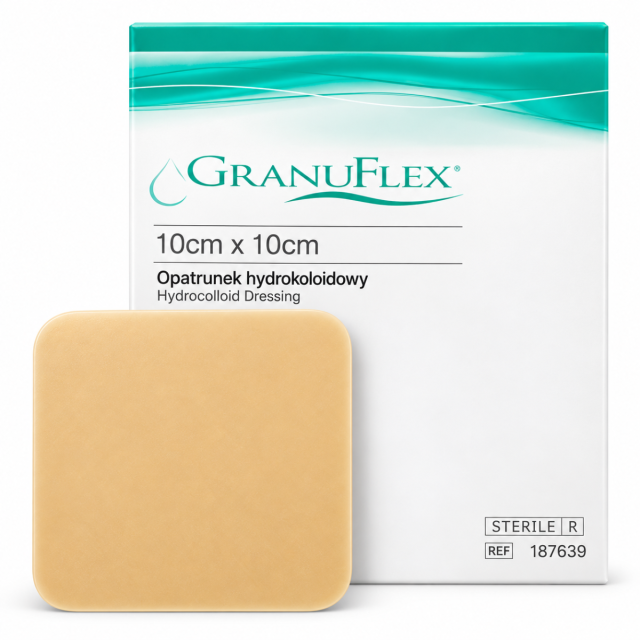
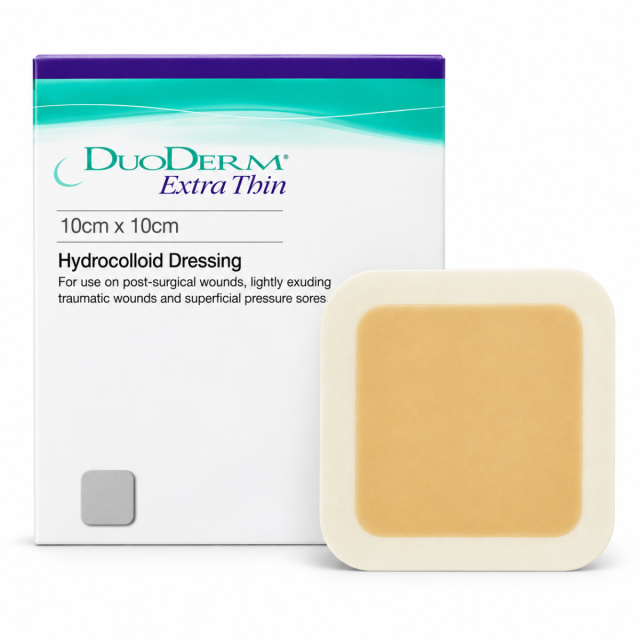
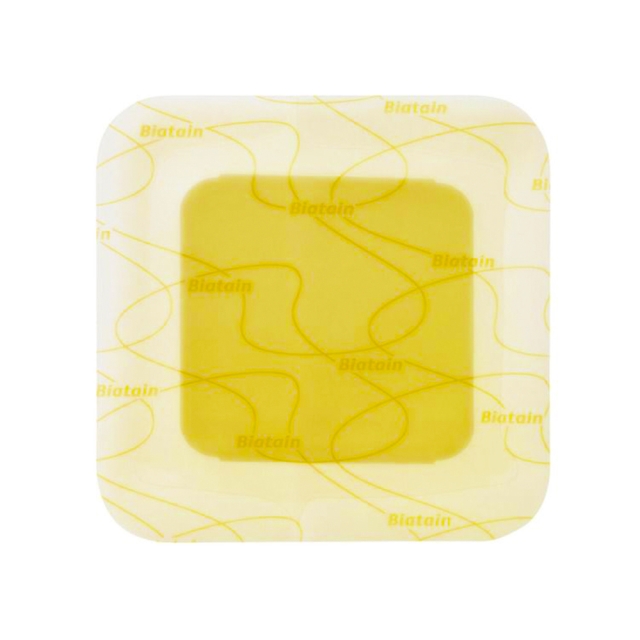
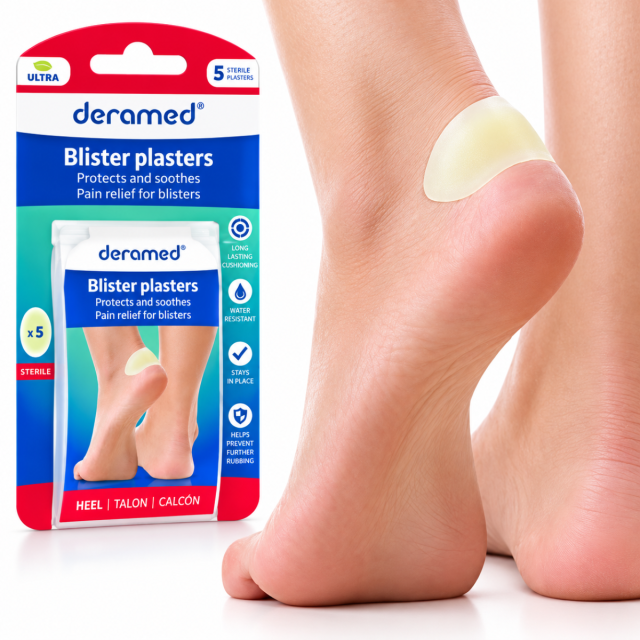
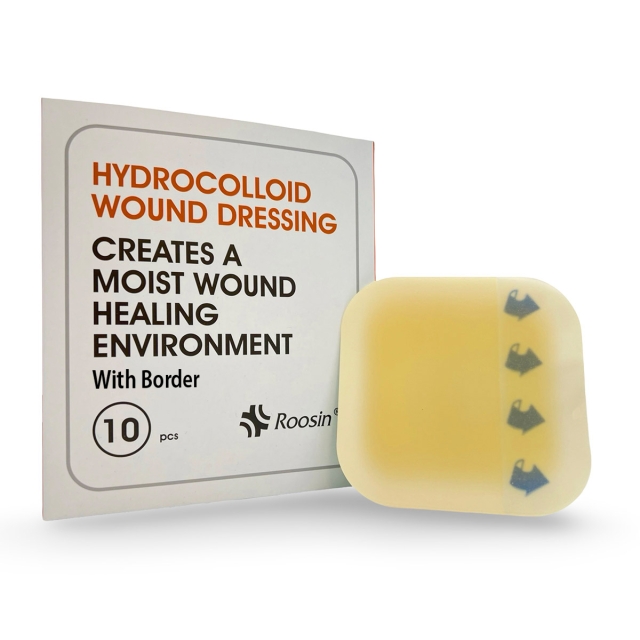
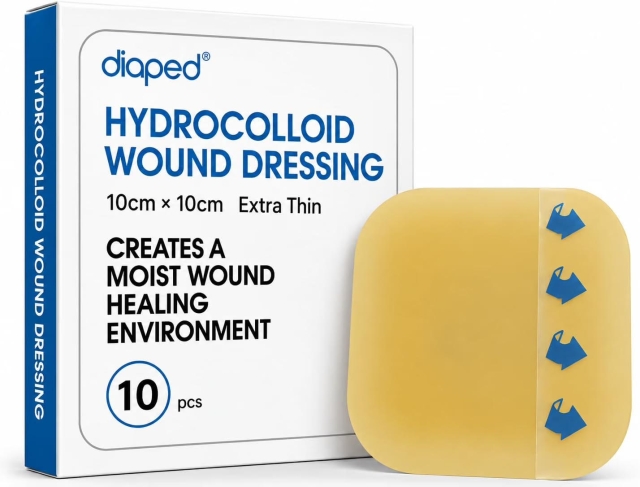
Hydrocolloid Dressings
These are self-adhesive dressings ideal for wounds with low to moderate levels of exudate. They help maintain moisture at the wound site, which supports faster healing and can reduce pain. They’re often used for pressure ulcers and minor burns.
Foam Dressings
Made from soft, absorbent polyurethane, foam wound dressings are best for moderate to heavily exudating wounds. They offer cushioning and help reduce the risk of maceration, making them useful for chronic wounds and pressure sores.
Alginate Dressings
Formulated from natural seaweed, alginate dressings turn into a gel when in contact with wound fluid. They are great for managing wounds that have a lot of fluid. They help keep a good moisture level for healing.
Transparent Film Dressings
These ultra-thin dressings are waterproof and allow oxygen to pass through while keeping out bacteria. Because they’re transparent, they allow for easy monitoring without removal. Best used on shallow wounds or as a secondary dressing.
Hydrogel Dressings
These contain water or glycerin to hydrate dry or necrotic wounds. They’re soothing, reduce pain, and help to soften dead tissue, aiding the body’s natural autolytic debridement process.
Collagen Dressings
Collagen wound dressings are made from natural sources and work by stimulating new tissue growth and reducing inflammation. They’re often used in chronic or slow-healing wounds but may not be suitable for those with allergies to animal products.
Silver Dressings
These contain antimicrobial silver, which helps to fight infection in wounds at risk of bacterial growth. While effective, they should be used under guidance as prolonged use can affect healthy tissue.
Composite Dressings
These dressings combine different materials in one layer. They are made to treat complex wounds that need various types of care. This includes managing fluid, protecting against infection, and helping healing.
Frequently Asked Questions About Wound Care and Dressings
What is the best dressing to put on an open wound?
For most open wounds, a non-adherent, sterile dressing is ideal – such as a hydrocolloid, foam, or silicone-based dressing. These provide a moist environment that supports healing while protecting from infection. For infected or weepy wounds, antimicrobial dressings like Inadine (povidone-iodine) or silver dressings may be used under clinical guidance.
What are the 5 basic rules of wound dressing?
- Keep the wound clean and monitor for signs of infection.
- Use the correct dressing type for the wound stage and moisture level.
- Ensure dressings are sterile and changed regularly.
- Avoid trauma to the wound when applying or removing dressings.
- Support moist wound healing unless otherwise advised by a clinician.
What are three common types of wound dressings?
- Foam dressings – absorbent and cushiony, ideal for moderate to heavily exuding wounds.
- Hydrocolloid dressings – promote moist healing, suitable for clean, non-infected wounds.
- Alginate dressings – made from seaweed, great for soaking up wound fluid and managing slough.
How do you know which wound dressing to use?
The best dressing depends on the wound’s type, location, moisture level, and whether there’s infection. Dry wounds benefit from moisture-retaining dressings, while wet or infected wounds need absorbent, antimicrobial dressings. If unsure, seek advice from a clinician or wound care specialist.
Is it better to dress a wound or leave it open?
Modern evidence shows that covered wounds heal faster. A dressing keeps the wound moist, protected from dirt and bacteria, and helps prevent scab formation that can delay healing.
What should you NOT put on an open wound?
Avoid hydrogen peroxide, alcohol, and iodine tinctures directly on open wounds – they can damage healthy tissue. Also avoid cotton wool, as fibres may stick or get left behind.
How long should you keep a dressing on a wound?
Dressings should typically be changed every 1–3 days, depending on the wound type and dressing used. If the dressing becomes soaked, dirty, or starts to smell – change it sooner.
How do you dress an open wound at home?
First, wash your hands and gently clean the wound with sterile saline or clean water. Pat the area dry and apply a sterile, non-stick dressing. Secure it with medical tape or a bandage. Monitor the wound daily for changes.
How can you make wounds heal faster naturally?
Keep wounds clean and moist (but not soggy), eat a protein-rich diet, stay hydrated, and avoid smoking. Zinc, vitamin C and omega-3s may support healing. Honey-based dressings also have natural healing properties.
What dressing draws out pus?
Alginate and hydrofibre dressings are excellent at drawing out pus and exudate. If infection is present, a dressing with an antimicrobial agent such as silver or iodine may be used.
How do you dress a wound so it doesn't stick?
Use non-adherent dressings like Jelonet (paraffin gauze) or silicone-based products. These reduce trauma to healing tissue and make dressing changes more comfortable.
When is moist wound healing not recommended?
Moist wound healing is not suitable for dry necrotic wounds or where there’s poor circulation (e.g. ischaemic limbs), unless debridement is being done. It's also avoided in fungal infections or where excessive moisture leads to maceration.
When should you not use Inadine dressings?
Inadine should be avoided in people with iodine sensitivity, thyroid conditions, or large deep wounds that require long-term management. It’s not suitable for chronic use or for patients undergoing radioiodine therapy.
When should Jelonet not be used?
Jelonet should be avoided if the wound is heavily exuding, as its paraffin base may trap fluid and delay healing. It’s not antimicrobial, so avoid using it on infected wounds unless combined with another treatment.
Do wounds heal faster when covered or uncovered?
Covered wounds almost always heal faster than those left open. A moist, protected environment promotes faster cell repair, reduces infection risk, and improves comfort.
What is the yellowish fluid that oozes from a wound?
This is usually serous fluid – a natural part of healing. If it’s clear or slightly yellow, it’s likely not a problem. If it becomes thick, green, or smells bad, it may indicate infection.
What should you avoid doing during wound healing?
- Don’t pick or scratch the wound or scab.
- Avoid soaking the wound too long (e.g. in baths).
- Don’t use harsh chemicals or scented lotions on the wound.
- Don’t smoke – it reduces oxygen flow and slows healing.
Wound Product Categories at Algeo.com
- Medical Dressing Gauze – Versatile, absorbent gauze dressings for cleaning, packing and covering a wide range of acute and chronic wounds.
- Dressing Tape for Wound Care – Adhesive fixation tapes designed to secure primary dressings in place, protect wounds and maintain patient comfort.
- Non Adherent & Silicone Dressings – Low-trauma dressings that protect delicate tissue and minimise pain by preventing the dressing from sticking to the wound bed.
- Hydrocolloid Wound Dressings – Gel-forming dressings that create a moist healing environment for low to moderately exuding wounds such as pressure ulcers and minor burns.
- Bandages & Plasters – Comprehensive range of bandages and adhesive plasters for everyday wound protection, support and secure coverage of minor injuries.
- Hydrogel Dressings Wound Care – Hydrating dressings that cool, soothe and re-moisturise dry or necrotic wounds while supporting gentle autolytic debridement.
- Alginate Wound Dressings – Highly absorbent seaweed-based dressings ideal for moderate to heavily exuding wounds, forming a gel that maintains a moist wound environment.
- Transparent Dressings – Thin, waterproof film dressings that protect wounds from contamination while allowing easy visual monitoring of the wound site.
- Foam Wound Dressings – Soft, absorbent foam dressings providing cushioning and exudate management for moderate to heavily exuding wounds such as ulcers and pressure sores.

Sold: Pack of 10
Incl. VAT Exl. VAT