




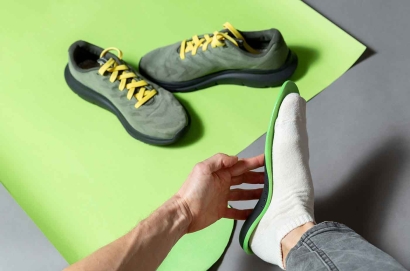
Many patients and some professionals find this question confusing: what is the difference between foot orthotics and insoles? They both go in your shoes. They both offer support. But they’re not the same thing – not even close. From high street gel inserts to fully customised medical-grade orthotics, there’s a whole spectrum of foot supports available, each with its own purpose.
In this article, we break down the key differences between insoles, orthotics and everything in between. Whether you’re a podiatrist explaining options to patients, a physio looking to recommend support, or just someone who wants to stop their feet from screaming after a long day – this guide is for you. We'll help you understand the role of insoles, when orthotics are needed, and why those in-between solutions – orthotic insoles.
Insoles
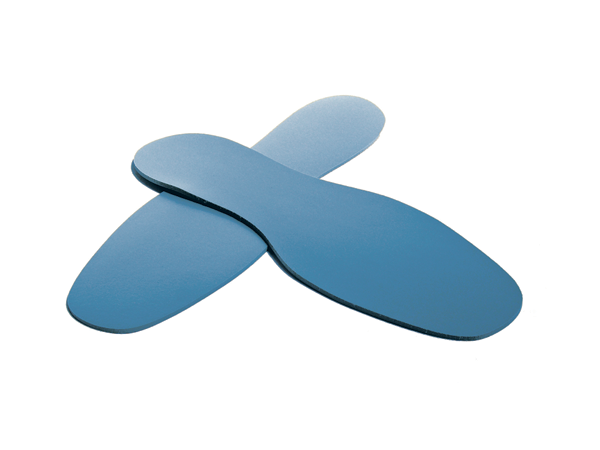
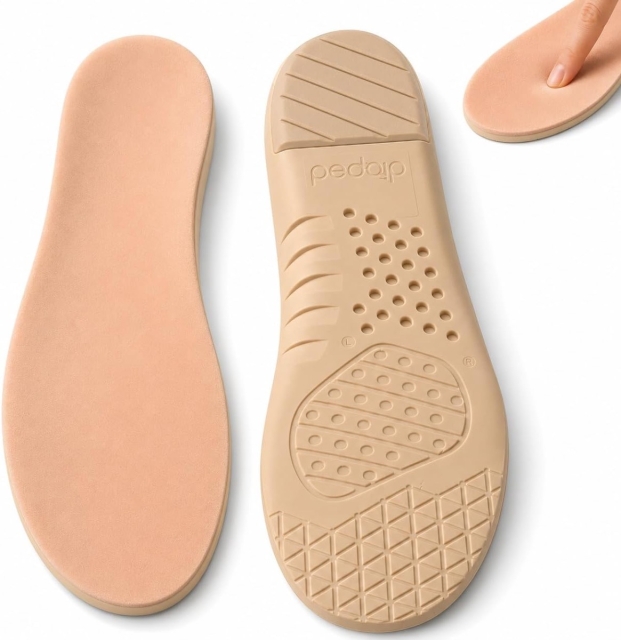
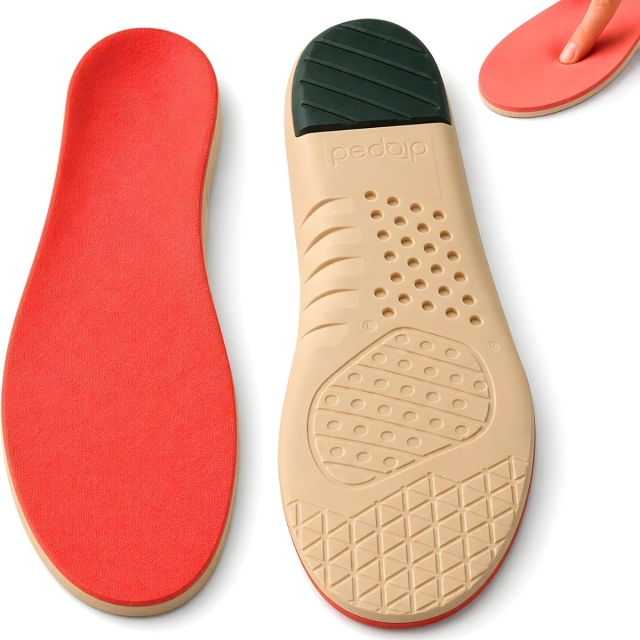
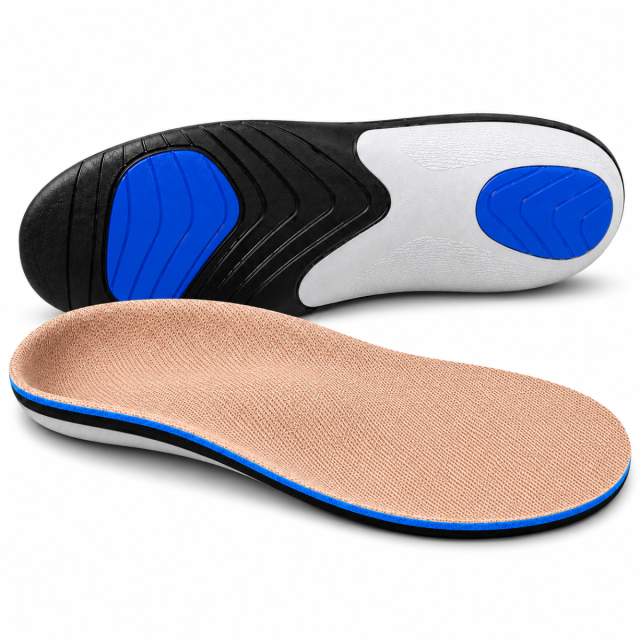
Insoles are mass-produced inserts that fit inside shoes to provide additional cushioning and basic support. They are easy to find in stores. People often use them to relieve minor foot pain or tiredness from standing or walking for a long time.
Materials commonly used include foam, gel or memory foam, offering varying degrees of softness and shock absorption. While insoles can improve comfort, they are not tailored to address specific foot conditions or biomechanical issues.
Foot Orthotics: Functional Medical Devices
Foot orthotics are special devices. They are often prescribed to fix problems with the feet and lower legs. They also provide targeted support.
They can be made to fit a person's foot shape, walking style, and any medical issues they have. Orthotics help with issues like plantar fasciitis, flat feet, and overpronation. They can redistribute pressure, improve alignment and reduce strain on the feet, ankles and lower legs.
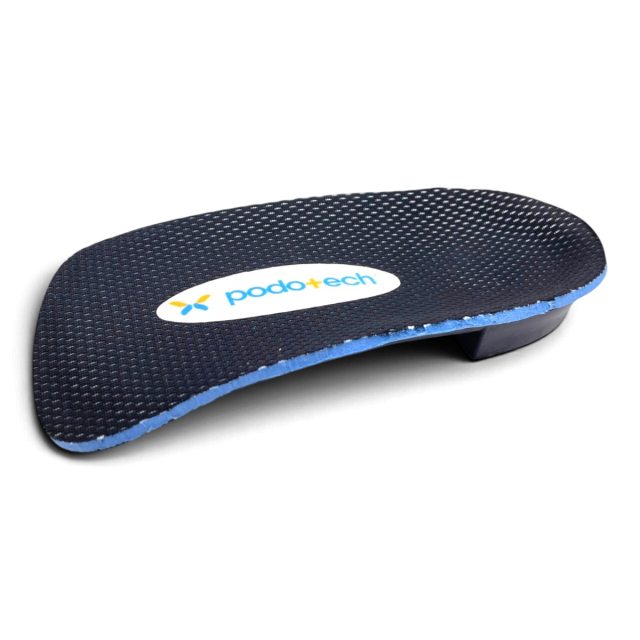
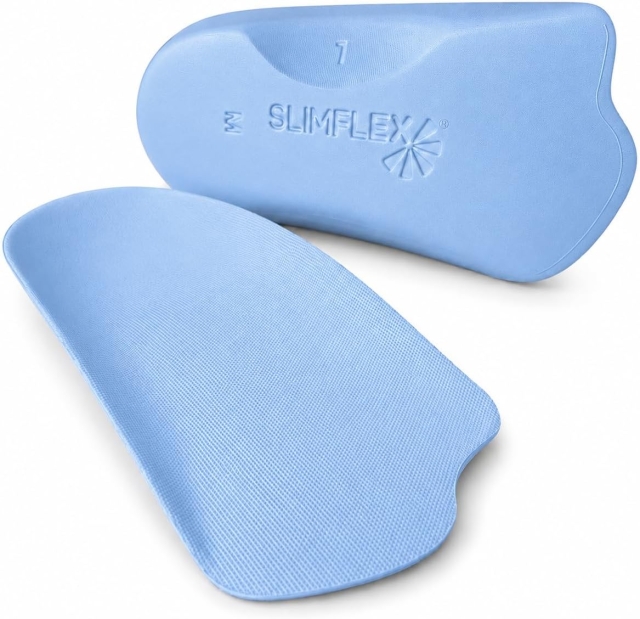
In the modern era, orthotics can now also be purchased pre-fabricated with specific design features built-in. These features are incorporated to functionally control the foot. Watch for terms like 'post', 'skive', and 'rearfoot wedge'. These usually mean the device is a functional foot orthotic, not just cushioning insoles.
In Inbetweeners - Orthotic Insoles!
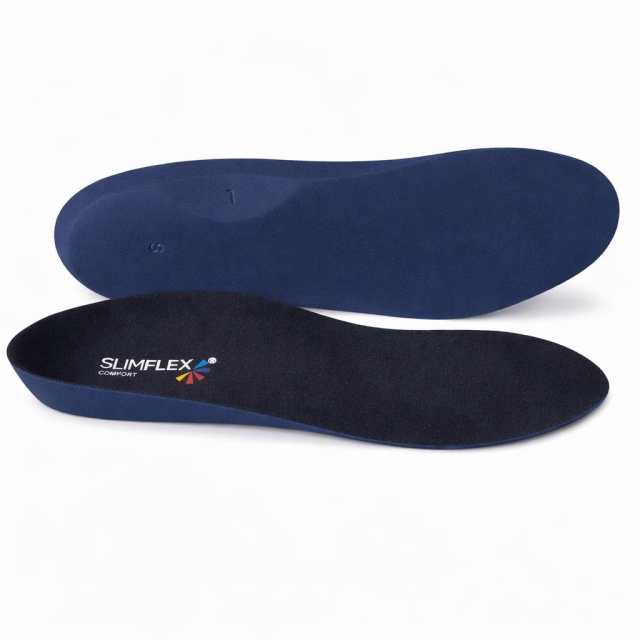
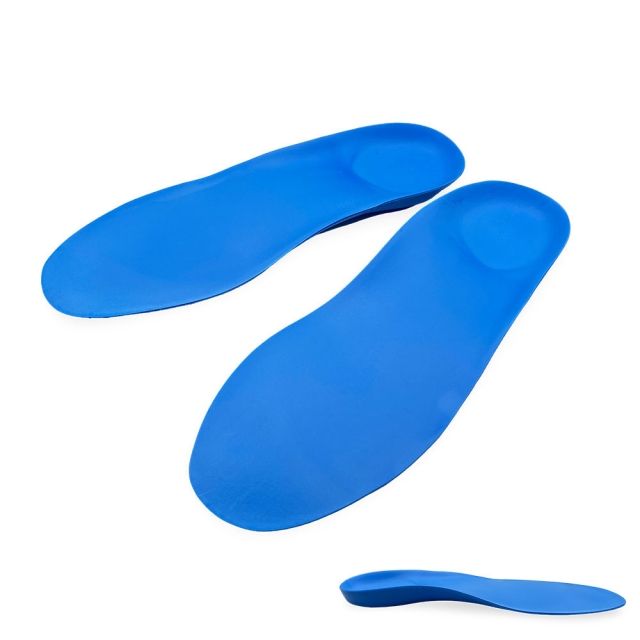
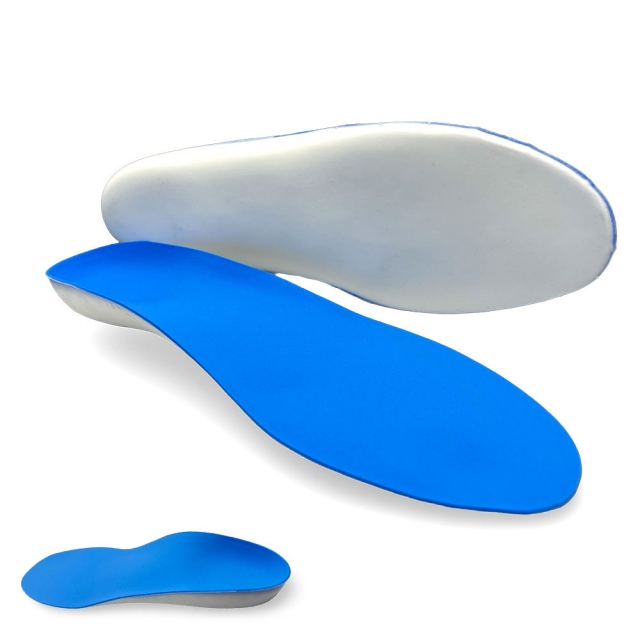
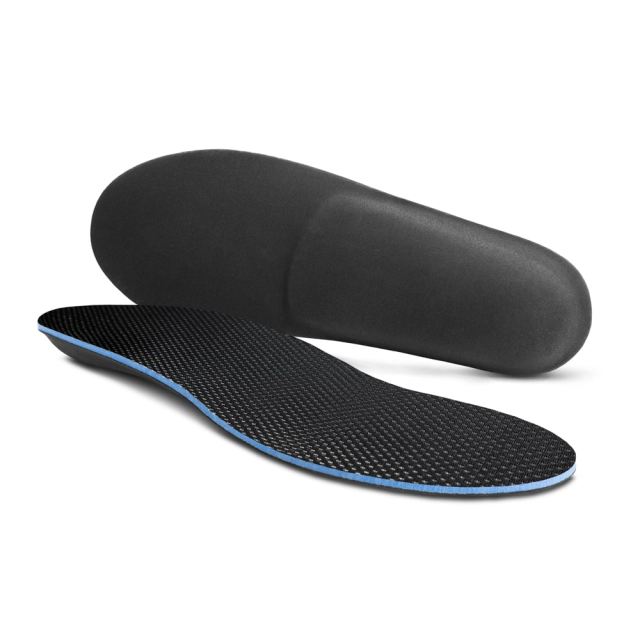
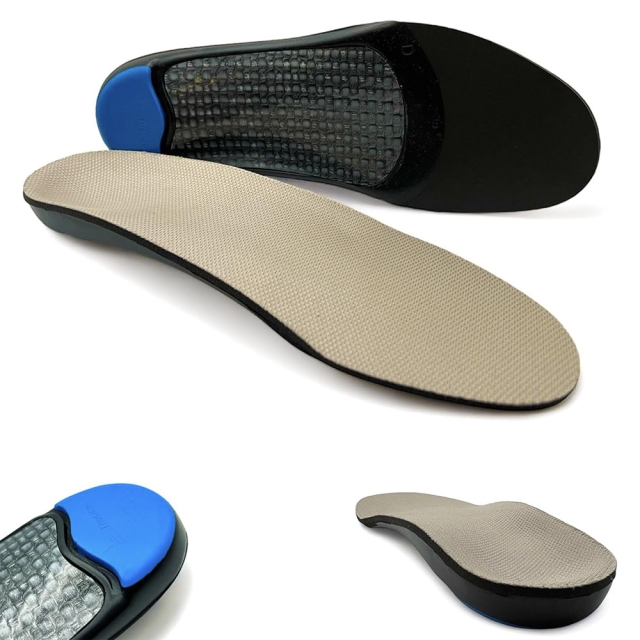
Orthotic insoles lie in the middle between functional foot orthotics and insoles. They can be used straight from the pack. They can fix over 50% of foot problems. They do this by providing arch support and rearfoot control. Most basic insoles do not have these features.
Like foot orthotics, orthotic insoles are prescribed by medical professionals. They can be modified to fit the patient's needs. For example, a rearfoot wedge or a metatarsal dome may be added to the orthotic insole.
Choosing Between Insoles and Orthotics
The choice between insoles and orthotics depends on the individual’s needs. For general comfort or minor discomfort, over-the-counter insoles may suffice. However, for persistent pain, structural foot issues or specific medical conditions, consulting a healthcare professional for custom foot orthotics is advisable.
In summary, insoles give general comfort and work for minor issues. However, orthotics provide tailored support for specific foot problems. This makes orthotics a better choice for people with serious or long-term foot issues.
Sold: Sold per Pair
Incl. VAT Exl. VAT