






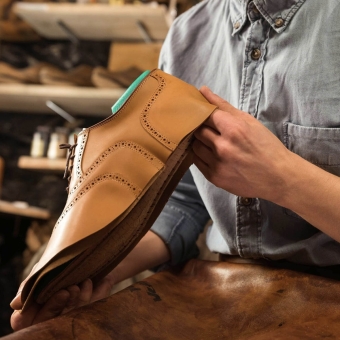
Practical advice on contact adhesive glues, bonding techniques and material compatibility for orthotic fabrication, shoe repair, leatherwork and workshop applications.
Contact Adhesives


Algeos offers a comprehensive range of glues, bonding agents, adhesive tapes, removers and solvents.
With options for fast-drying, flexible and high-tensile bonds, our solutions support everything from detailed precision work to high-volume production environments.
Our adhesives are trusted across footwear repair, orthotics, podiatry and industrial applications, delivering consistent performance on materials such as rubber, EVA, leather, cork and foams.
We ship same day on stocked items and handle large-volume deliveries through our specialist courier network.
Choosing the right glue or adhesive makes a difference to bond strength, finish quality and long-term performance.
Whether you are repairing footwear, laminating orthotic layers, bonding foam and cork, working with leather and fabrics, assembling props or carrying out workshop repairs, selecting a compatible bonding system can improve durability and consistency.
This guide covers the main adhesive types, materials, common applications and practical considerations for choosing a suitable product.
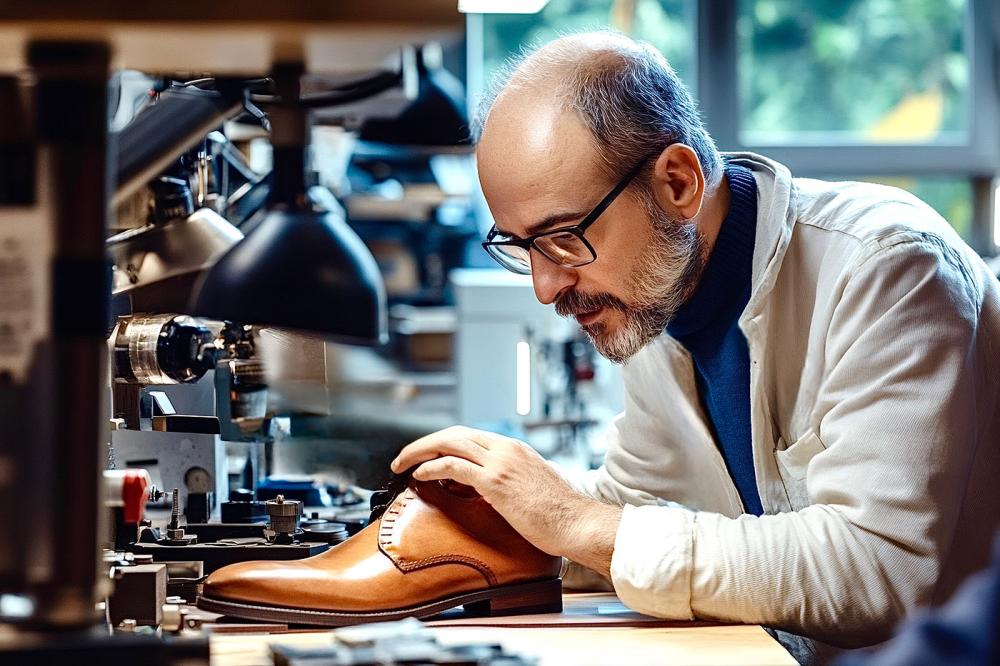
Specialist glues and adhesives bond materials including EVA, rubber, cork, leather, foams, fabrics, top covers and selected plastics. In orthotic, footwear repair and workshop applications, contact adhesives are frequently chosen for compatible materials requiring a strong, flexible bond.
Spray adhesives, cyanoacrylates, primers and other bonding systems play different roles depending on the substrates, working time and whether the bond must be temporary, structural or long-lasting.
Foams, rubber, leather, cork, fabric and plastics may need a formulation suited to their surface properties.
Many bonded parts flex, compress or take repeated impact. The bond must suit those conditions.
Correct product selection, surface preparation and application improve finish quality and reduce failures.
Common in footwear, orthotic fabrication and leatherwork. Often applied to both surfaces and joined after the specified tack-off period.
Typical materials: suitable EVA, rubber, cork, leather and layered components.
Useful for fast, even coverage on suitable soft materials, fabrics, padding and linings. Not every aerosol is temporary: check the individual formulation.
Typical applications: top covers, foam laminates and fabric work.
Fast-setting glues for small repairs and detail work. Some specialist grades offer greater flexibility than conventional super glues.
Typical applications: small-area repairs and precise bonds.
Substrates such as polyurethane, certain rubbers or synthetic surfaces may require a compatible preparer or primer.
Typical applications: difficult soles and PU/Poron components.
Specialist formulations can use heat during activation or reactivation, according to the manufacturer's process.
Typical applications: controlled specialist footwear or fabrication work.
| Material | Common starting point | Why consider it? | Important check |
|---|---|---|---|
| EVA | Compatible contact adhesive | Flexible layered assembly | Grade and surface finish |
| Rubber | Rubber-compatible contact adhesive | Durability with movement | Rubber type; primer if specified |
| Leather | Leather-compatible contact adhesive | Footwear and leatherwork | Finish, oils and surface preparation |
| Cork | Compatible contact adhesive | Footbeds and layered components | Porosity and even coating |
| Foam/PU/Poron | Suitable contact or spray adhesive | Top covers and cushioning layers | Foam compatibility; primer if required |
| Plastics/synthetics | Specialist adhesive and sometimes primer | Difficult surface bonding | Identify the exact polymer first |
| Fabric | Suitable spray or contact adhesive | Broad coverage and laminates | Bleed-through, flexibility and finish |
| Use case | Bonding task | What to consider |
|---|---|---|
| Orthotic modifications | Bond EVA, Poron and top covers | Flexibility, correct coat and suitable PU primer |
| Shoe repair | Repair soles or reinforce components | Rubber/sole type, strength, flex and preparation |
| Insole adjustments | Secure pads, wedges or heel lifts | Permanent versus repositionable hold |
| Leathercraft | Join linings and reinforcements | Controlled application and clean edges |
| Props and costumes | Join foam, fabric or synthetic parts | Material sensitivity, finish and flexibility |
| Workshop repairs | Fix varied components | Both substrates and working conditions |
| Difficult surfaces | Bond synthetic soles or PU | Correct primer and manufacturer-approved method |
Dust, oil, old adhesive and surface coatings can reduce adhesion. Prepare as specified.
A general glue may be unsuitable for flexible, porous or difficult-to-bond substrates.
Contact adhesives need the specified drying or activation step before joining.
Some PU, rubber and synthetics need a product-specific primer system.
Apply suitable, even pressure as directed for reliable contact and consolidation.
Use ventilation, PPE and handling procedures required by the SDS and COSHH assessment.
A compatible contact adhesive is a common starting point for EVA and cork. Foam requires particular care: some foams need special formulations or a primer. Confirm the exact product and material combinations.
General-purpose glue may be unsuitable for stressed or flexible assemblies. Specialist products and proper surface preparation can offer a more appropriate solution.
Contact adhesive describes a bonding process, while spray refers to a method of application. Some spray products are themselves contact adhesives. Check the exact product's permanence, strength and approved materials.
Sometimes. Rubber types, polyurethane and other synthetics vary considerably. First identify the substrate and then check the adhesive manufacturer's primer recommendations.
Times vary by formulation, temperature, coating and substrate. Initial tack, handling strength and full cure are not the same. Follow the product's instructions.
They require suitable risk assessment and controls. Some products contain flammable or hazardous solvents. Read the current SDS, work in appropriate ventilation and follow COSHH procedures.
No. Polyethylene, polypropylene, silicone and certain coated or low-energy materials can be particularly difficult to bond. Selection must be based on the exact material and product technical guidance.
November 10, 2026
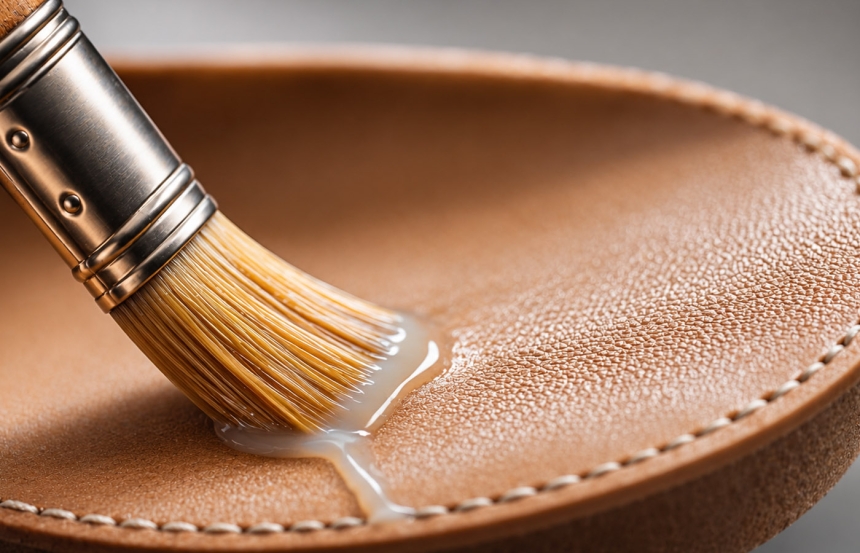
Practical advice on contact adhesive glues, bonding techniques and material compatibility for orthotic fabrication, shoe repair, leatherwork and workshop applications.
March 29, 2026
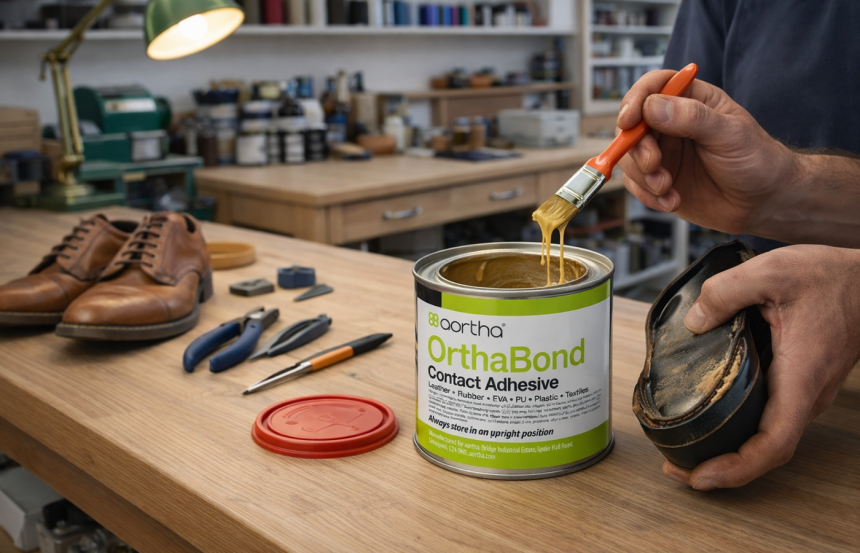
Orthabond has built a strong reputation with cobblers, repairers and workshop users because it delivers the kind of flexible permanent bond that footwear repairs actually need. Now, with the arrival of the new 500ml tin, the product becomes easier to justify for smaller jobs, lighter usage and home repairs where a full litre can feel excessive.