




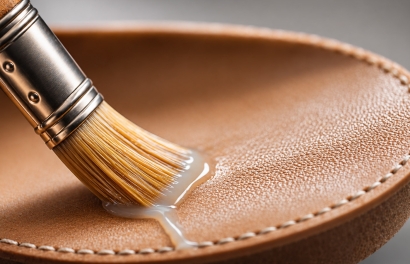
Contact Adhesives
Practical advice on contact adhesive glues, bonding techniques and material compatibility for orthotic fabrication, shoe repair, leatherwork and workshop applications.
Understanding contact adhesives
The right adhesive and preparation method can make a significant difference to the quality of a repair or fabricated bonded component. These guides explain how contact bonding works, where it is used and what to check before selecting a glue.
Contact adhesive, also called contact cement or contact glue, is a bonding product typically applied to both prepared surfaces. After the specified drying or tack-off period - the surfaces are brought together and pressed firmly to form an initial bond.
Contact adhesives are commonly used for compatible leather, rubber, EVA foam, cork, fabrics and orthotic insole components. Not all formulations bond every material: surface preparation, primers, flexibility and curing conditions all affect the finished result.
Contact adhesive articles and guides
Start with the essentials, then explore practical articles on shoe glues, difficult surfaces, adhesive removal and specialist bonding techniques.
Understanding Contact Adhesives and How to Use Them
Learn how contact adhesives work, their main benefits and limitations, and their uses in footwear and orthotic manufacture.
Read guide →Contact Adhesives: Algeos How to Use Guide
A practical walkthrough of surface preparation, adhesive application, alignment, pressing and finishing.
Read guide →Best Glues for Shoes: Algeos Guide
Compare professional adhesives for sole bonding, flexible footwear repairs and different material combinations.
Read guide →More adhesive and bonding guides
Contact Adhesive: Your Questions Answered
Answers to common questions about bonding, drying times, water resistance and material suitability.
Read guide →How to Use Contact Cement
An introduction to preparing surfaces and applying contact cement across different workshop projects.
Read guide →Renia Primers for Difficult Shoe Repairs
Why some synthetic sole materials need special preparation, primers or a different bonding system.
Read guide →Transparent Bonding with Renia Adhesives
Explore clear adhesive solutions where neat appearance and reduced visibility of the bond line matter.
Read guide →How to Remove Contact Adhesive
Methods for removing adhesive residue while considering the underlying material and surface finish.
Read guide →Why Orthabond Is Our Best Shoe Glue
A closer look at Orthabond contact cement, flexible shoe repairs and practical application technique.
Read guide →Finding the Best Adhesive Glue for Shoe Repairs
Understand the differences between contact adhesive, rubber cement and super glue for footwear repairs.
Read guide →What Is Spray Adhesive Good For?
When spray application may suit wider coverage, fabrics, lining work or lighter assembly tasks.
Read guide →Orthabond Contact Adhesive in 500ml Tins
Why a smaller tin can suit occasional repairs and workshops that do not need larger adhesive volumes.
Read article →For additional articles, browse the Algeos contact adhesive article archive.
Choosing a contact adhesive or bonding system
The best choice depends on both substrates, how the finished item will flex, and the conditions in which it will be used. Adhesives, primers and cleaners perform different jobs.
| Type or consideration | Common application | What to check | Learn more |
|---|---|---|---|
| Neoprene contact adhesive | Selected footwear, foam, leather and general workshop bonds | Material compatibility, tack-off time, flex performance and curing conditions | Orthabond guide |
| Rubber-based adhesive | Compatible rubber, footwear and orthotic components | Exact formulation and bonding method; “rubber cement” is not one universal product type | Shoe glue comparison |
| Specialist adhesive for synthetics | Selected polyurethane, TR and other difficult sole materials | Substrate identification, preparation and manufacturer-approved adhesive system | Difficult repairs |
| Spray adhesive | Broad, even coverage for suitable fabrics, foams and linings | Bond strength, permanence, material suitability and application controls | Spray adhesive guide |
| Primer or preparer | Surface preparation for materials that are difficult to bond | Compatibility with both the substrate and chosen adhesive | Primer advice |
| Adhesive remover or thinner | Cleaning equipment or removing suitable adhesive residues | Surface sensitivity and whether thinning is permitted by the adhesive manufacturer | Removal guide |
This is a general selection guide, not a product-by-product compatibility chart. Follow the current technical data sheet and safety data sheet for the exact product.
How to use contact adhesive
Most conventional two-sided contact adhesives follow a similar process, but drying times, coat requirements and handling instructions vary by product.
Identify and prepare
Confirm material compatibility. Clean and prepare each surface as instructed, removing contamination and loose old adhesive.
Apply evenly
Apply the specified coat to the required surface or surfaces using an appropriate brush or applicator.
Allow to tack off
Follow the product's stated drying time and bonding window. Avoid joining the parts while the adhesive is too wet.
Align, press and cure
Position carefully, apply firm even pressure and allow the bond to develop its required strength before use.
Important workshop safety
Many solvent-based contact adhesives contain flammable solvents and can release harmful vapours. Read the label and safety data sheet, use the specified ventilation or extraction and protective equipment, and keep products away from ignition sources. Check Algeos product support and safety data sheets before use.
Frequently asked questions about contact adhesives
What is the difference between contact adhesive and contact cement?
The terms are commonly used interchangeably. Both generally refer to a bonding method in which adhesive-coated surfaces are allowed to reach the specified tack stage before being pressed together. Always follow the individual product instructions.
Can contact adhesive bond EVA foam and orthotic materials?
Yes, selected contact adhesives can bond EVA, cork, leather, certain rubber materials and orthotic top covers. Check compatibility with both materials and test where appropriate, as some foams and plastics require specialist preparation.
How long does contact adhesive take to dry?
There is no universal drying time. The tack-off or open time depends on the formulation, coat thickness, surface and workshop conditions. Initial grip on joining is not the same as full cure; check the manufacturer's instructions for both.
Do I need a primer before using contact adhesive?
Not always. Some rubber, polyurethane, thermoplastic rubber and other synthetic surfaces can be difficult to bond and may need an appropriate primer or specialist adhesive. Read the Renia primer guide.
Is contact adhesive waterproof?
Water resistance varies by product and bond design. Do not assume every contact adhesive is waterproof, or that bonding a shoe sole makes the whole shoe waterproof. Check the product's resistance data for the intended conditions.
Can I reposition materials after they touch?
Usually, repositioning is limited once a contact bond has formed. Align the parts carefully before joining and use the pressure and assembly method specified by the manufacturer.
How do I remove dried contact adhesive?
Removal may involve suitable mechanical methods or a compatible adhesive remover. Solvents can damage plastics, coatings and finishes, so test the method and follow the relevant safety information. Read our removal guide.
What is the difference between contact adhesive and super glue?
Many contact adhesives are chosen for larger, flexible bonds that need surface preparation and a tack-off period. Cyanoacrylate super glues set rapidly and can suit some small repairs, but performance on flexing materials varies by formulation. Compare shoe glue types.
Find the right contact adhesive
Shop Algeos adhesives for footwear repair, orthotic fabrication and specialist workshop bonding.
Need application tools? Explore glue brushes and pots or browse the wider adhesives and workshop bonding range.
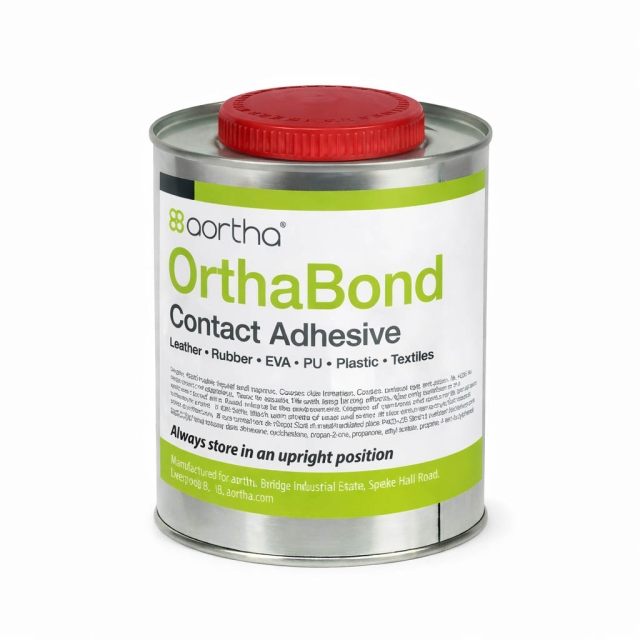
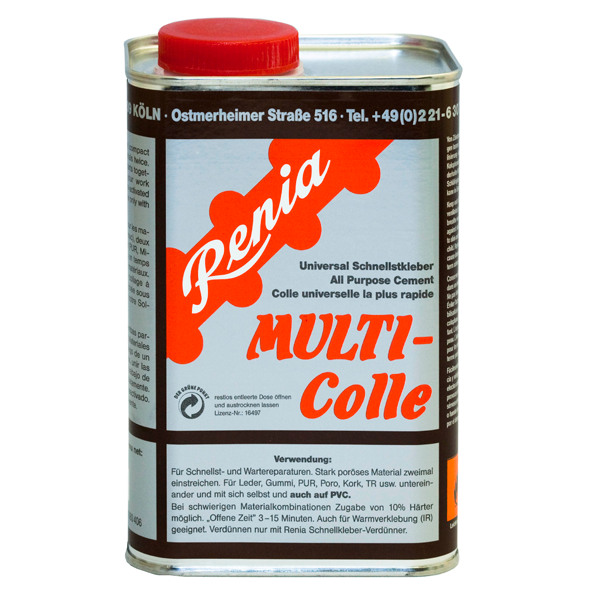
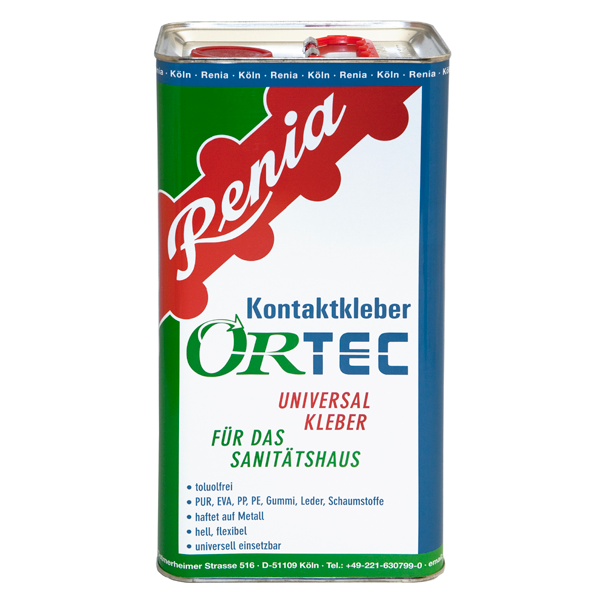
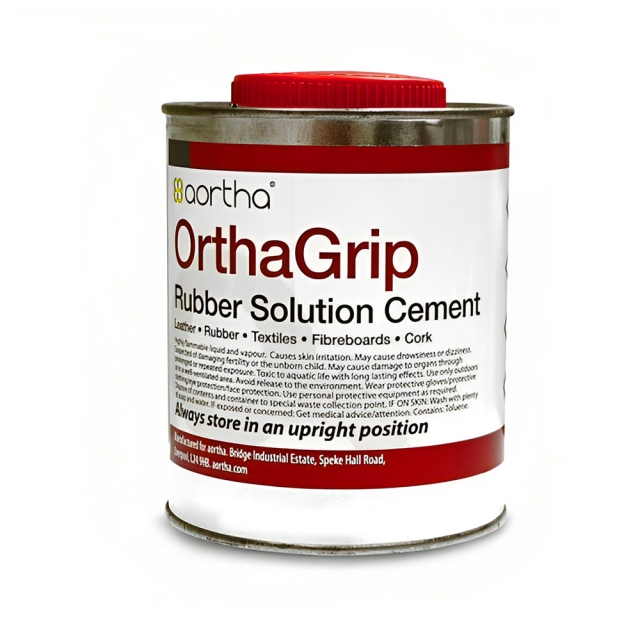
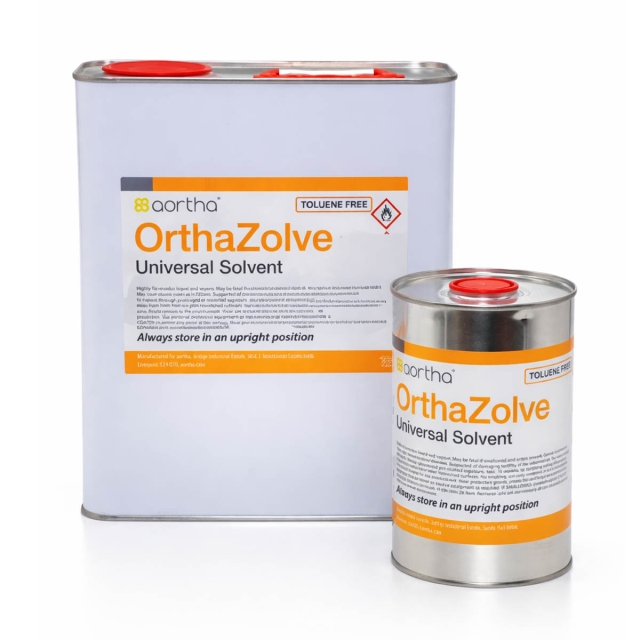
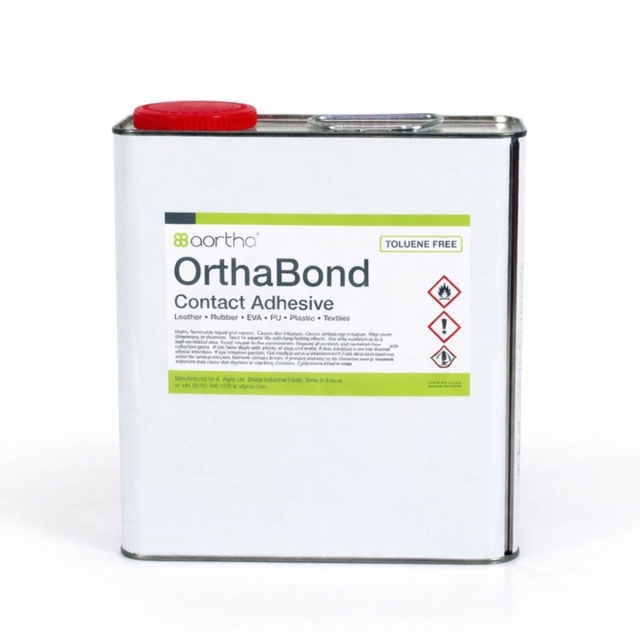
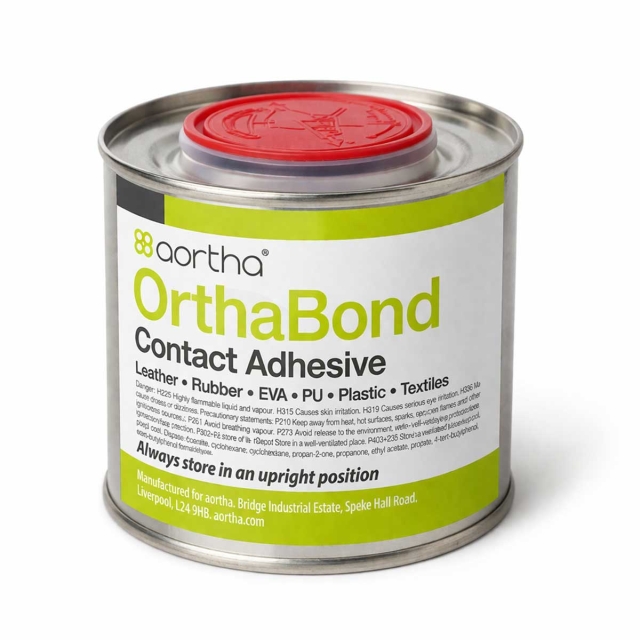
Sold: 1 Litre
Incl. VAT Exl. VAT