




EVA Foam Knowledge Hub
Explore the properties, applications and selection of EVA foam with practical guides for podiatrists, orthotists, footwear technicians and manufacturers.
Understanding EVA foam
From cushioning and support to cutting and fabrication, EVA foam is used in a range of clinical, footwear and workshop applications. These guides explain how to compare grades and select materials for different purposes.
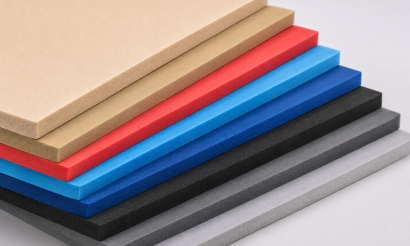
EVA foam is a lightweight expanded material made from ethylene-vinyl acetate copolymer. Its properties vary with formulation, cell structure, hardness, density, thickness and processing.
In orthotic and footwear applications, EVA may be used for insoles, wedges and cushioning components. Selecting a suitable grade requires more than comparing colour or appearance.
EVA foam articles and guides
Start with our featured guides, then browse further articles covering foam properties, material selection and practical applications.
What is EVA Foam? Your Questions Answered
A plain-English introduction to the material, its key properties and where it is commonly used.
Read guide →EVA Foam Shore Hardness Explained: A25 to A65
Understand Shore A grades and why hardness should be considered alongside device design and use.
Read guide →How EVA Foam Is Used in Orthotic Insoles
Explore the role of EVA in orthotic manufacture and how material choice affects the finished device.
Read guide →More EVA foam guides
Closed-Cell EVA Foam: What Makes It Different?
Discover how closed-cell structure influences moisture resistance, weight and resilience.
Read guide →What Is EVA Foam Used For?
An accessible overview of EVA's uses across healthcare, footwear and practical projects.
Read guide →EVA Material Properties and Applications
Understand density, shaping characteristics and wider performance considerations.
Read guide →Guide to Buying EVA Foam Sheets
How to assess sheet specifications and select material for your intended job.
Read guide →Choosing the Right Foam for Orthotics & Prosthetics
Compare the considerations involved in selecting foam for patient-specific devices.
Read guide →100 Uses for EVA Foam
From workshop padding to sport and creative work, explore 100 practical applications.
Read guide →Creative Uses for EVA Craft Foam
Ideas for makers, hobbyists and designers working with lightweight foam sheets.
Read guide →Boat Building and Repair Using EVA Foam
Explore potential EVA uses in selected marine construction and repair projects.
Read guide →Comparing EVA foam properties
Hardness, density, thickness, cell structure and workability describe different material characteristics. Consider them together when choosing a grade.
| Property | What it tells you | Why it matters | Read more |
|---|---|---|---|
| Shore A hardness | Resistance to surface indentation | Influences the feel and local resistance of a material | Hardness guide |
| Density | Mass per unit volume | Can influence weight and performance but does not independently define hardness | Material properties |
| Thickness | Sheet depth before fabrication | Determines available material for shaping, cushioning and finished fit | Buying guide |
| Cell structure | How the foam's internal cells are arranged | Influences moisture behaviour, compression and handling | Closed-cell guide |
| Workability | Suitability for cutting, grinding and forming | Affects fabrication methods and finished quality | Processing properties |
How to choose the right EVA foam
A straightforward selection process helps match the material to the application. For medical devices, this should form part of an appropriate clinical and device assessment.
Define the application
Identify whether the material will provide cushioning, posting, structural support or non-clinical protection.
Check the specification
Review hardness, density, thickness, dimensions and relevant manufacturer information.
Plan fabrication
Consider cutting, bonding and forming requirements. Follow the material supplier's processing guidance.
Evaluate the result
Check fit, durability and performance under expected conditions. Review patient response when used clinically.
For podiatrists and orthotic technicians
Material properties are only one part of orthotic performance. Device geometry, loading, footwear fit and patient needs also matter. Read more about EVA in orthotic insoles and foam selection for orthotic and prosthetic production.
Frequently asked questions about EVA foam
What is EVA foam?
EVA foam is an expanded material made from ethylene-vinyl acetate copolymer. It is widely used for cushioning, footwear, orthotics and protective applications.
Is EVA foam waterproof?
Closed-cell EVA foam generally resists water uptake. However, the water resistance of a finished item depends on its construction, seams, damage and exposure conditions. Read the closed-cell guide.
What is Shore A hardness?
Shore A hardness measures resistance to indentation. It is one selection criterion and should not be confused with density. See the A25 to A65 explanation.
Can EVA foam be used in orthotic insoles?
Yes. Selected grades are used for cushioning, posting and support in orthotic devices. The correct grade and design depend on clinical needs and intended function.
Can EVA foam be cut and shaped?
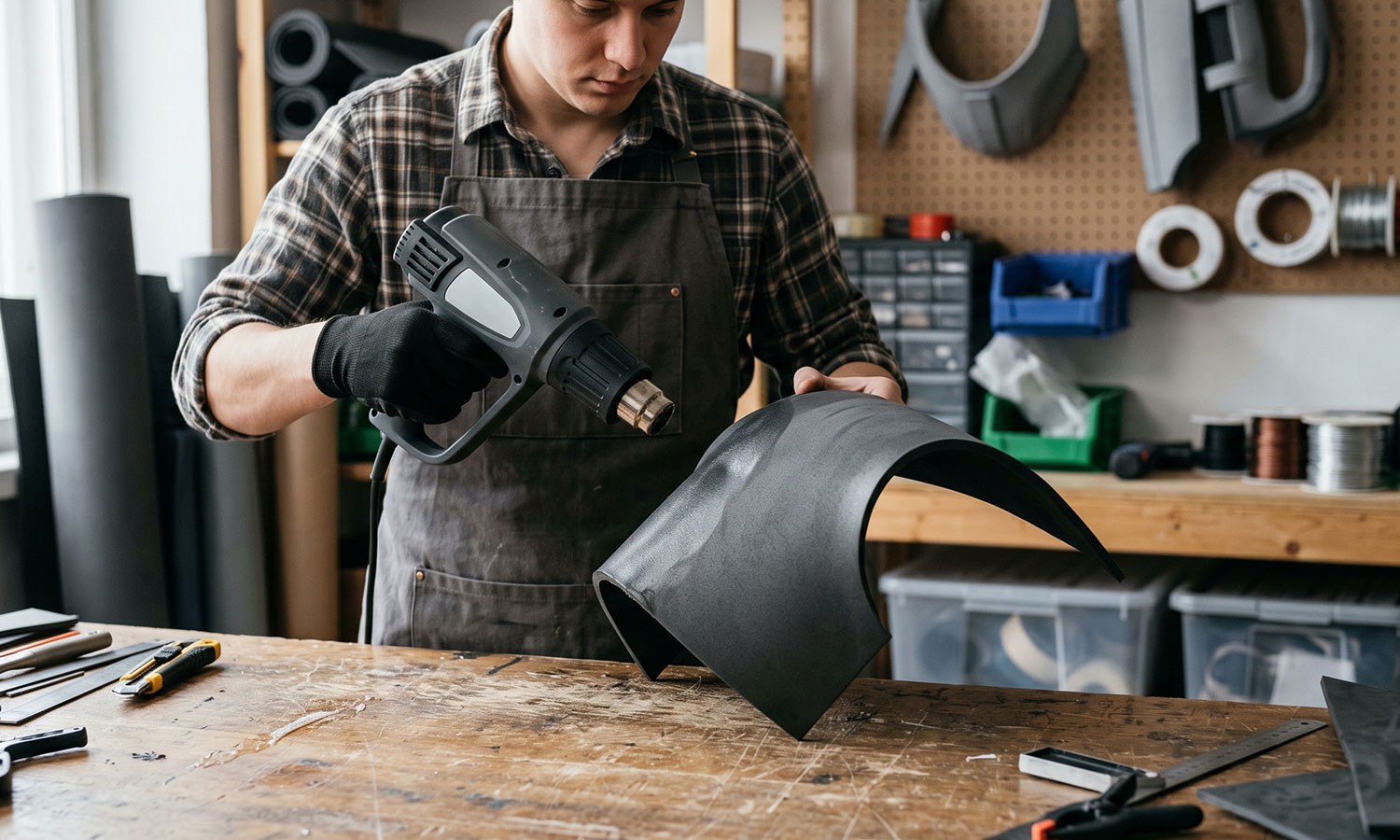
Many EVA foam sheets can be cut, ground or heat-formed using suitable equipment. Always check product-specific handling guidance and use appropriate ventilation and protective equipment.
How do I choose EVA foam sheet thickness?
Consider available space, required finished dimensions, intended function and the amount of material needed for shaping. Assess thickness alongside hardness and density, not as a substitute for either.
Ready to select an EVA foam sheet?
Browse Algeos EVA sheets and compare options for your application.
Further reading: Algeos EVA article archive. Check product suitability against the manufacturer's specification.