Algeos expands pressure-care portfolio through new Caversham partnership
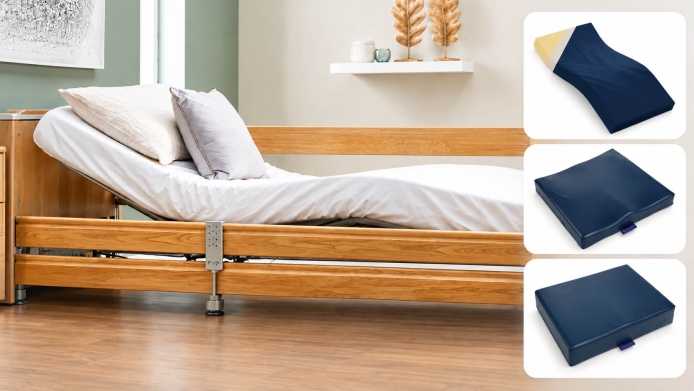
Algeos has expanded its pressure-care portfolio through a new distribution partnership with Caversham®, making four specialist Class I medical devices available to healthcare professionals and care providers across the UK.
Welcome aboard! In this blog, we will explore the world of boat building and repairs with EVA (Ethylene-Vinyl Acetate). EVA has become increasingly popular as a preferred material for boat construction and repairs due to its numerous advantages from its durability and versatility to its comfort safety, aesthetics, low maintenance and environmental friendliness.
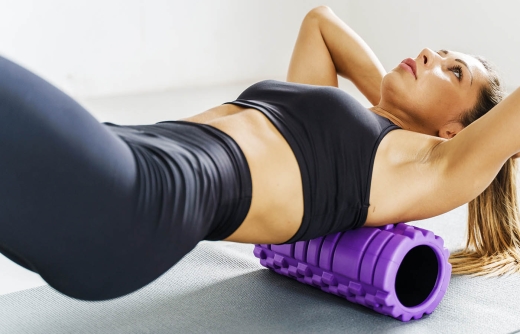
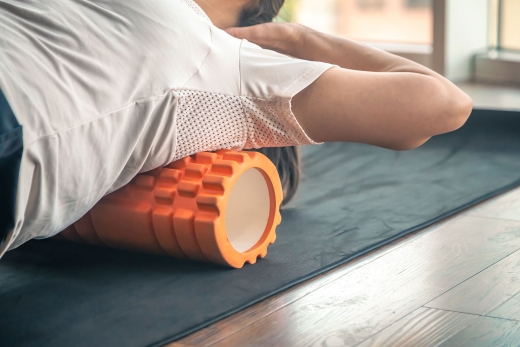
Foam rollers have moved from physio clinics and elite gyms into living rooms, kit bags and workplace wellness corners. Whether you’re a clinician guiding patient rehab, a runner chasing a PB, or someone battling desk-shoulder, the right roller can help reduce muscle tension, improve range of motion and speed up recovery.
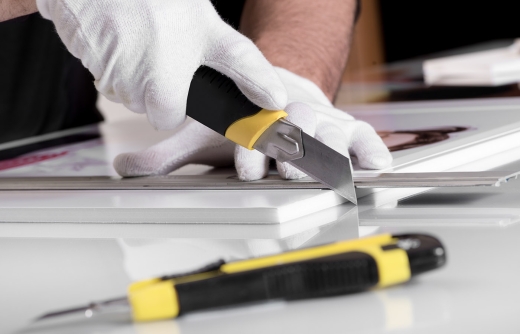
EVA foam sheets are used in far more than insoles and padding. They are lightweight, easy to cut, available in different densities, and suitable for medical, footwear, sport, creative, workshop and everyday practical jobs. This guide breaks down 100 real-world uses and explains each one in plain English.
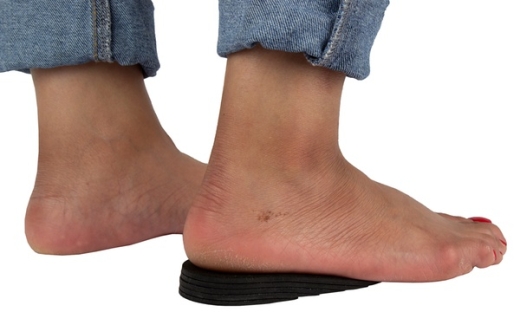
This article is intended to give an overview of the different types of in-shoe orthotic heel inserts available and their strengths and shortcomings, and to assist you in choosing appropriate heel lift product
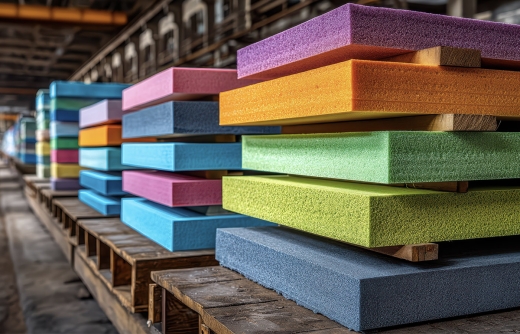
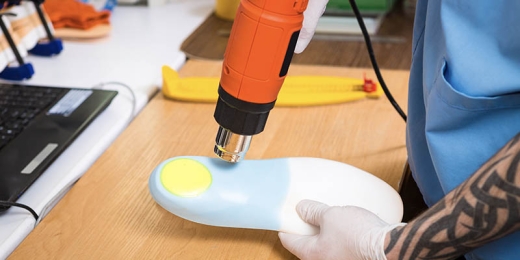
This mini-guide explores the key properties of our foams - including density, thermoforming ability and ease of shaping - as well as its many practical uses.
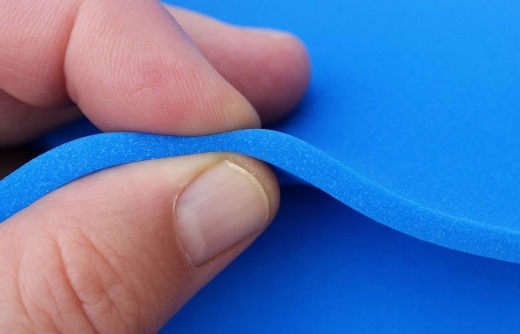
EVA foam (ethylene-vinyl acetate) is a lightweight, flexible, and durable material used in a wide range of industries. Known for its shock-absorbing properties, waterproof nature, and ease of use, EVA foam is a go-to material in everything from healthcare to creative crafts. In this article, we’ll explore the many ways EVA foam is used and why it is such a valuable resource.
EVA foam sheets are the quiet superstar of DIY, crafts, footwear repairs, home fitness and even marine projects. They’re light, durable, water-resistant, and easy to shape - making them perfect for anyone from weekend makers to seasoned hobbyists.
Foam materials play a critical role in the performance, comfort, and effectiveness of orthotic and prosthetic devices. The right foam can make the difference between a device that supports healing and mobility, and one that causes discomfort, skin irritation or mechanical failure.
Plastazote is a closed-cell, crosslinked polyethylene (XLPE) foam widely used in engineering, medical devices, orthotics and protective packaging. Chemically, it is produced from low-density polyethylene (LDPE) that is crosslinked with high-energy irradiation and inert nitrogen gas.
Orthotic components are essential in addressing a range of foot-related issues. Whether you're a podiatrist, physiotherapist, or simply someone seeking relief from foot pain, these additions allow for targeted support, realignment, and cushioning.
EVA foam – short for Ethylene Vinyl Acetate – is a soft, flexible, and durable material that’s widely used in healthcare, orthotics, sports, education, and beyond. Known for its shock-absorbing and cushioning qualities, EVA foam strikes a balance between firmness and comfort.
Craft foam, particularly EVA foam, is a versatile material. It's a favorite among crafters, cosplayers, and DIY enthusiasts. EVA stands for ethylene-vinyl acetate. This soft, flexible material comes in various colors and thicknesses.
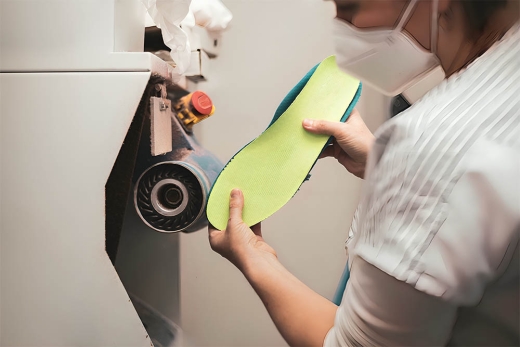
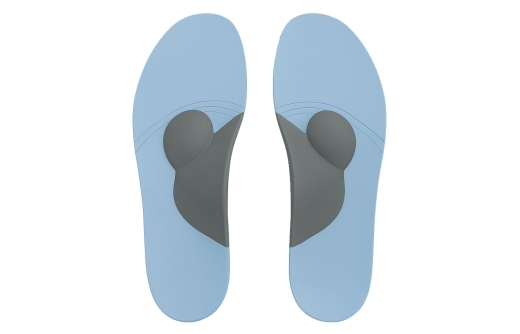
In clinical orthotics, orthotic insoles are a frontline tool for treating foot dysfunction, redistributing pressure and improving overall biomechanics. The success of these insoles depends not just on clinical assessment and design, but also on material selection. One material consistently chosen by podiatrists, orthotists and orthotic technicians is EVA foam. Here's why.
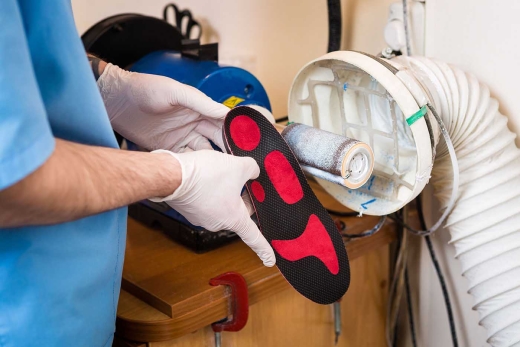
In principle, the use of custom-made foot orthotics allows clinicians to provide a more accurate device to better treat patients, however this depends on the materials and methods used, as well as cost and manufacturing time. Staff shortages within O&P roles, as well as funding cuts, means that orthotists and workshop managers need to use the most cost and time effective materials and methods to best serve their patients.