




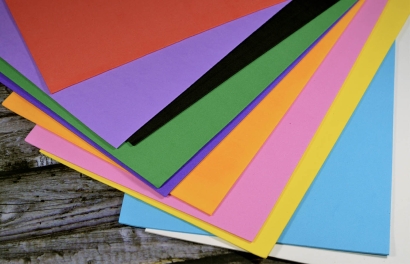
EVA foam sheets are the quiet superstar of DIY, crafts, footwear repairs, home fitness and even marine projects. They’re light, durable, water-resistant, and easy to shape - making them perfect for anyone from weekend makers to seasoned hobbyists.
This guide explains what EVA is, how to choose thickness and density, finishes to look for, how to work with it, typical costs and smart buying tips - plus a handy FAQ at the end.
What is EVA Foam?
EVA stands for Ethylene Vinyl Acetate, a closed-cell foam (meaning it doesn’t soak up water). It’s slightly rubbery, springy and comfortable underfoot, with excellent shock absorption and durability. You’ll see it in flip-flops, yoga mats, kids’ craft sheets, cosplay armour, boat decking, packaging and more.
Why people choose EVA
- Lightweight but tough – easy to carry, cut and shape.
- Shock absorbent – ideal for gym mats, footwear and protective padding.
- Water-resistant & buoyant – good for bathrooms, gyms and boats.
- Non-toxic options available – widely used in toys and play mats.
- DIY-friendly – cuts, glues, heats and sands nicely.
- Cost-effective – broad range of sizes, densities and prices.
How to Choose the Right EVA Sheet
1) Thickness (how thick the sheet is)
Match thickness to the job. Thinner is great for detail work and lining - thicker is better for cushioning and flooring.
- 2–5 mm (thin): Crafts, models, drawer linings, costume details.
- 6–12 mm (medium): Cosplay armour, padding, yoga mats, insoles.
- 20 mm+ (thick): Gym flooring, boat decking, heavy-duty cushioning.
2) Density (soft vs firm)
Density influences feel, support, and durability.
- Low density: Softer, more flexible and “squishy”. Better for crafts, costumes and comfort padding.
- High density: Firmer, holds shape under load. Better for flooring, marine use, and supportive footwear layers.
Tip: If it needs to handle weight or wear (e.g., floor tiles, decking), choose a higher-density EVA. For comfort layers and curved costume shapes, softer EVA is easier to work and wear.
3) Colour
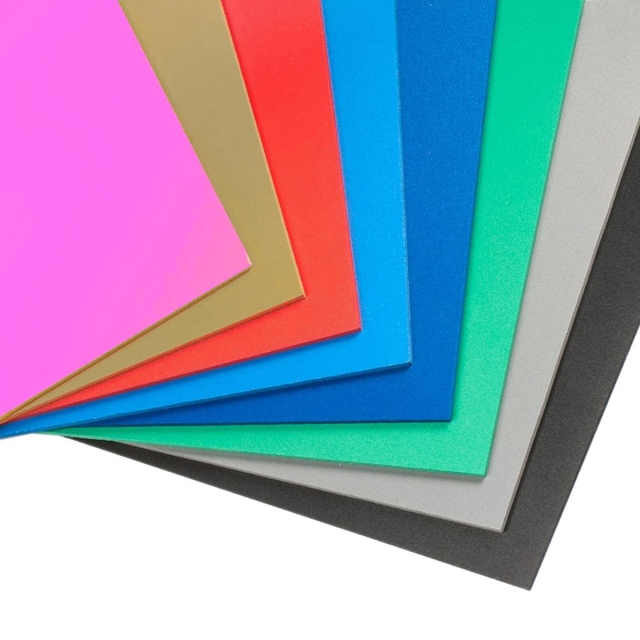
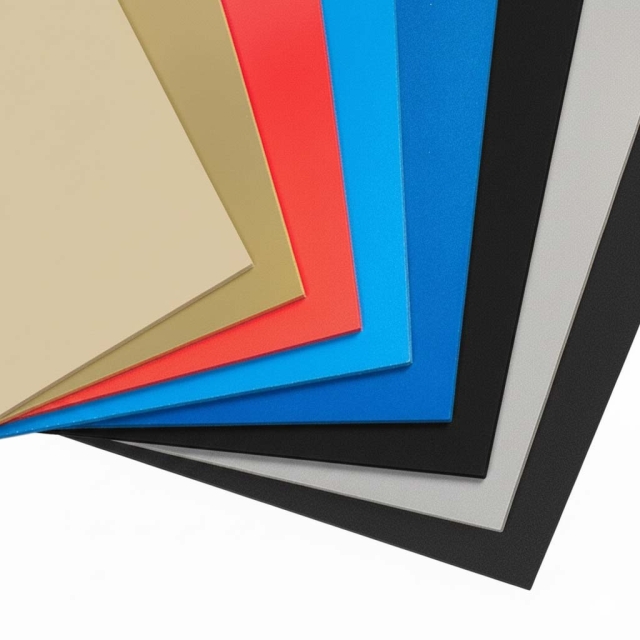
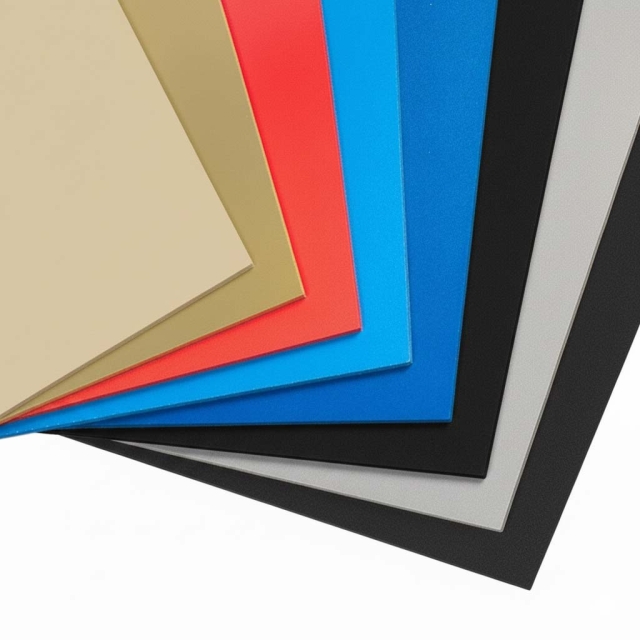
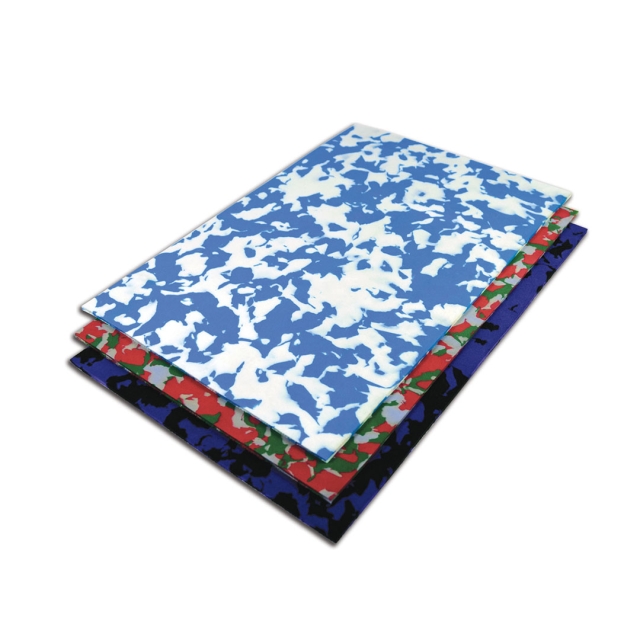
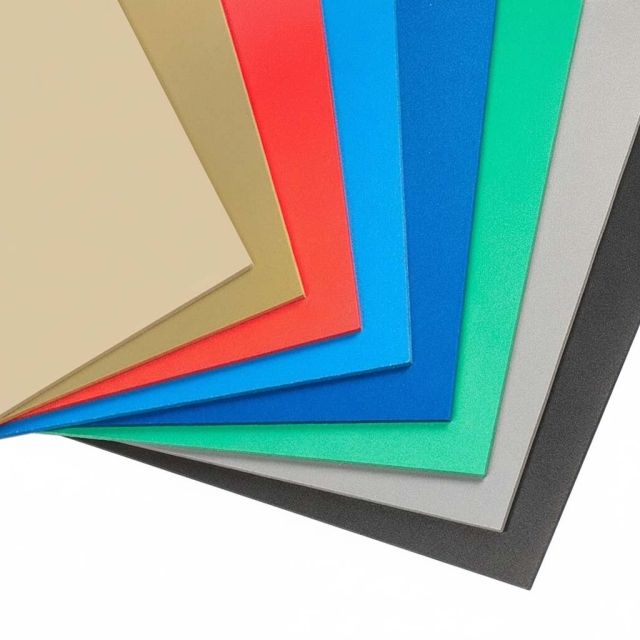
EVA is sold in a wide colour range. Choose bright colours for crafts and cosplay (less painting), darker tones for outdoor or high-traffic areas (hide dirt and scuffs), and neutrals for a professional gym or workshop finish.
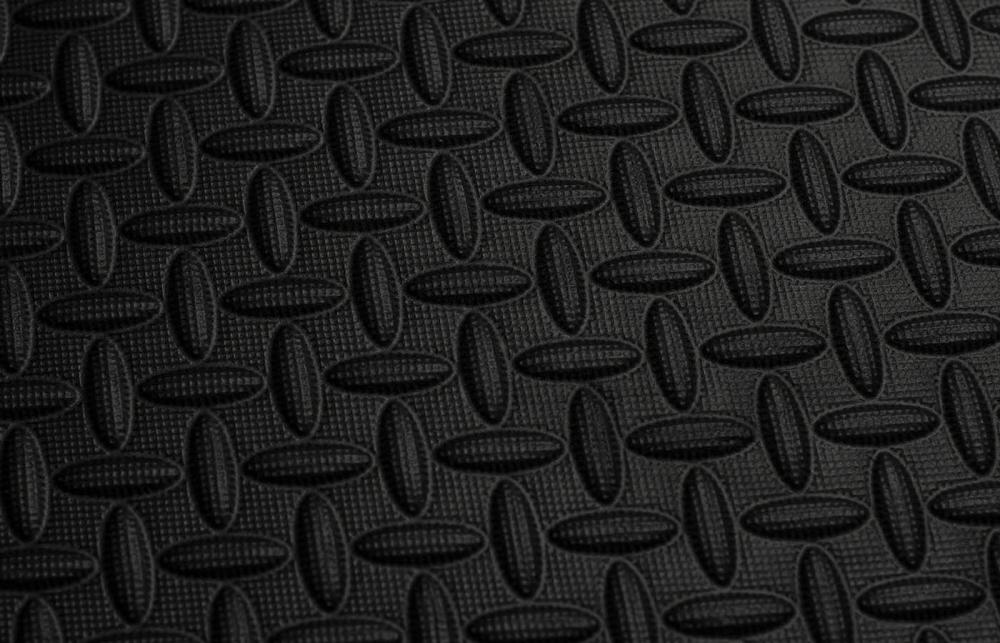
4) Surface finish
- Smooth: Easiest to cut and glue; ideal for crafts and costume builds.
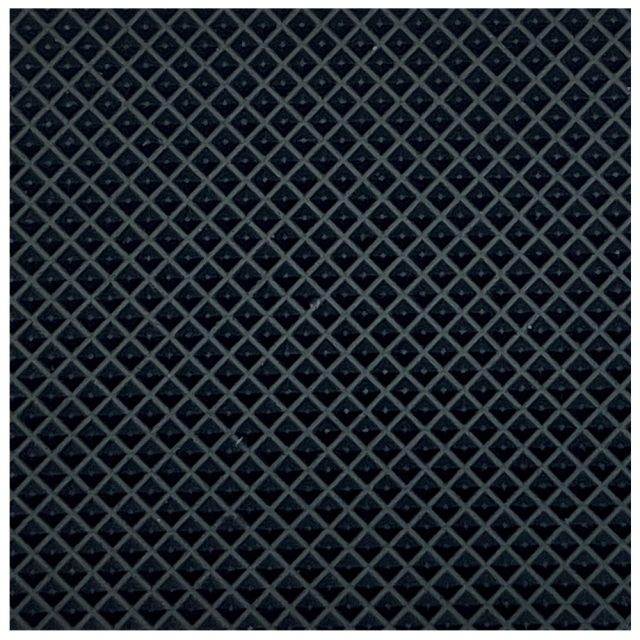
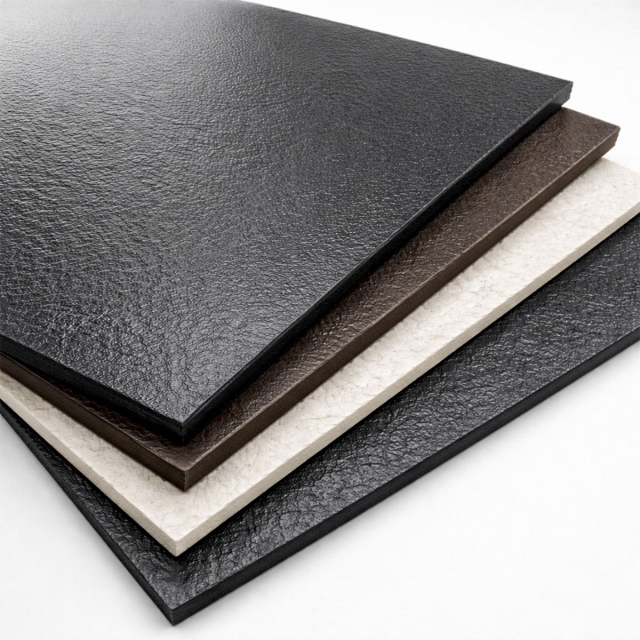
- Textured (e.g. diamond/embossed/pebble/ribbed): Adds grip and reduces slip - great for boat decking, steps and gym flooring.
5) Sheet size
From small A4 pieces to large sheets and rolls. Measure your project first. Larger sheets reduce joins and speed up installation for floors and decks.
6) Safety and standards
For children’s spaces or play mats, look for non-toxic / phthalate-free / BPA-free claims and reputable suppliers. If the sheet will get wet or be used outdoors, check it’s suitable for that environment.
Popular Uses for EVA Sheets
- Footwear & repairs: Flip-flops, sandals, insoles, midsole layers, shoe patches.
- Crafts & cosplay: Armour, props, masks, decorative panels.
- Home & DIY: Drawer liners, tool chest liners, padding, anti-rattle bumpers, simple sound dampening.
- Sports & fitness: Yoga mats, interlocking gym tiles, protective padding.
- Marine & outdoor: Non-slip boat decking, step treads, camping pads.
- Kids’ play: Play mats and safe craft foam (choose non-toxic products).
Working with EVA: Tools and Techniques
Cutting
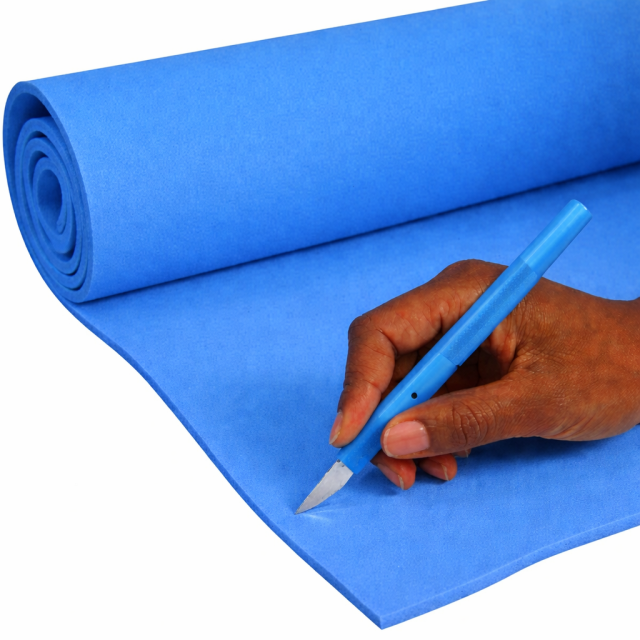
For thin sheets (up to ~5 mm), sharp scissors or a craft knife work well. For thicker sheets, use a sharp utility knife with repeated light passes, a hot knife, or a small bandsaw for very thick blocks. Always use a cutting mat and fresh blades for cleaner edges.
Shaping
Warm EVA with a heat gun to bend or form curves. Heat gradually and evenly; hold the shape until it cools. You can use simple moulds (bowls, pipes) to keep curves consistent.
Bonding (gluing)
- Contact adhesive: Strongest, most durable bond for footwear, props, and mats.
- Hot glue: Quick and easy for crafts and small builds (less strong for high-stress joins).
- Double-sided tapes: Handy for liners and temporary positioning.
Tip: Lightly roughen glossy surfaces with fine sandpaper before gluing, and press parts firmly while the adhesive sets.
Painting & finishing
For cosplay and display pieces, seal first (e.g., with PVA or a dedicated foam primer) for smoother paint. Acrylic paints work well. Light sanding cleans up cut edges; a quick pass with heat can also soften fuzzed edges on some foams.
Cost Guide (Typical UK Ranges)
Prices vary by size, thickness, density, and finish. Buying larger sheets or rolls often lowers the price per m².
| Sheet / Roll Size | Typical Thickness | Density | Indicative Price Range | Common Uses |
|---|---|---|---|---|
| A4 craft sheet | 2–5 mm | Soft | £1–£5 | Kids’ crafts, small cosplay details, drawer bumpers |
| Medium sheet (~50 × 50 cm) | 6–12 mm | Soft / Medium | £8–£15 | Cosplay panels, padding, yoga/kneeling mats |
| Large roll (~1 m × 2 m) | 10–20 mm | Medium | £20–£40 | Larger armour pieces, bench pads, camping mats |
| Heavy-duty sheet (~2 m × 1 m) | 20–40 mm | High density | £50–£100+ | Gym flooring, boat decking, impact protection |
Buying Tips
- Measure twice: Plan your cuts and allow for offcuts - especially for angled or curved pieces.
- Choose thickness for the job: Thin sheets for detail - thick for cushioning and floors.
- Match density to durability: High-density for weight-bearing and outdoor use - low-density for comfort and contouring.
- Pick the right finish: Smooth for crafting and gluing; textured for grip and anti-slip.
- Check safety notes: For kids’ spaces, look for non-toxic claims from reputable sellers.
- Start small if unsure: Buy a sample or small sheet to test cutting, heat-forming and adhesives.
- Store flat: Keep sheets flat and out of strong sunlight to avoid curling or warping.
Where to Buy
- Craft & hobby shops: Colourful thin sheets for DIY, schools and cosplay details.
- Fitness and flooring retailers: Yoga mats and interlocking tiles.
- Marine suppliers: Textured, anti-slip decking sheets.
- Specialist foam material stores online: Broad choice of thicknesses, densities, and big-format sheets or rolls.
- Marketplaces (Amazon, eBay): Convenient and often cost-effective—check reviews and seller ratings.
Frequently Asked Questions
Is EVA safe for children?
Yes - EVA is widely used for play mats and toys. Look for reputable, non-toxic products and check any safety notes from the seller.
Does EVA absorb water?
No. It’s a closed-cell foam, so it resists water and floats - ideal for bathrooms, kitchens and marine use.
Can I cut EVA with scissors?
For thin sheets (up to around 5 mm), good scissors work. For thicker pieces, use a sharp craft or utility knife with light, repeated passes - or a hot knife for super clean edges.
What glue works best on EVA?
Contact adhesive gives the strongest, most durable bond. Hot glue is quick for crafts but not as strong for high-stress joins.
Can I paint EVA sheets?
Yes. Seal first (e.g., PVA or foam primer) and use acrylic paints. Multiple thin coats beat one heavy coat for a clean finish.
How long does EVA last?
With normal use, EVA is long-lasting. It doesn’t soak up moisture and resists cracking, so it performs well indoors and outdoors.
Thickness and Texture Key
EVA foam sheets are a brilliant all-rounder for home projects, cosplay, footwear fixes and more. Pick the right thickness for your task, choose a density that matches the wear and tear, and select the finish that makes sense - smooth for crafting, textured for grip. Test on a small piece if you’re unsure, and once you’ve got the feel for cutting, heating and gluing, you’ll see why makers reach for EVA again and again.
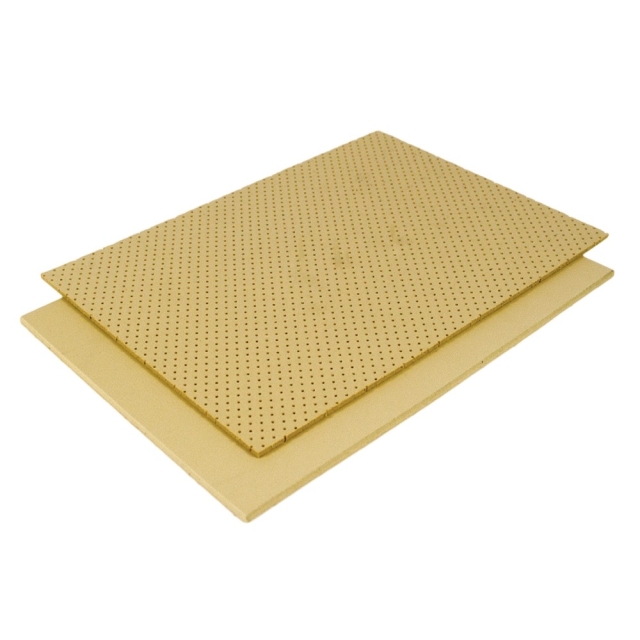
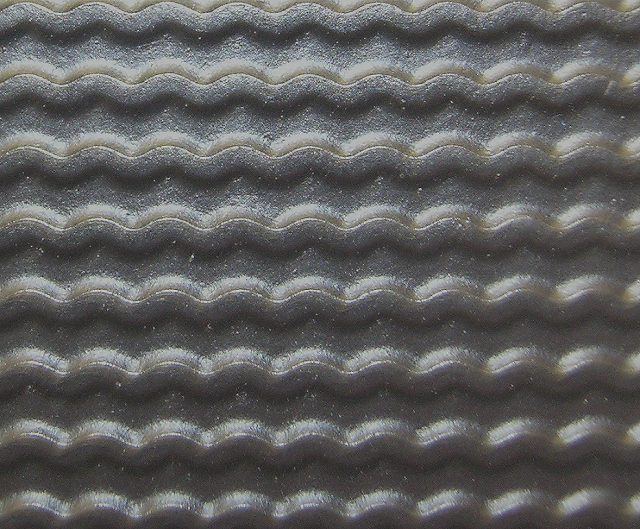
Sold: Sheet
Incl. VAT Exl. VAT