





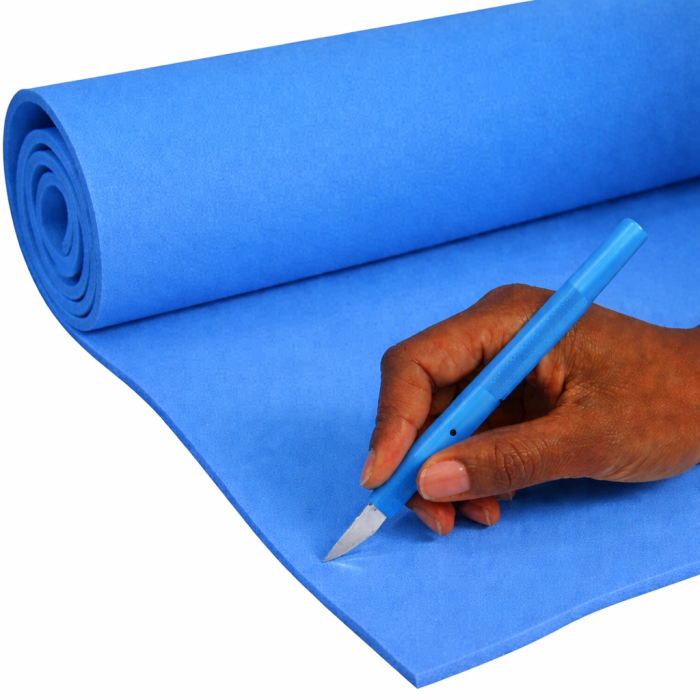
Aortha Orthashock EVA - Low Density Foam with Memory
Orthashock is produced from a slow memory foam which has been transformed by compressions giving it great shock absorbing properties - suitable for body areas that must remain to free of pressure.
Orthashock is a highly versatile, lightweight and malleable orthopaedic material developed for creating high-performance orthotic and cushioning solutions.
Adapts to meet specific biomechanical and comfort needs.
Hygienic, water-resistant and easy to clean.
Sold: Sheet Size: 1000 x 1000mm
Incl. VAT Exl. VAT
Product Description
Slow Memory EVA Sheet for Shock Absorption, Pressure Relief and Custom Orthotic Cushioning
This slow memory EVA sheet is designed for cushioning applications where impact reduction, delayed recovery and dependable comfort matter. It is a lightweight thermoformable material used in orthotic insoles, pressure-relief padding, heel and forefoot cushioning, top covers and specialist interfaces where a standard foam may rebound too quickly.
For clinicians, technicians and workshop users, it offers a practical alternative to traditional cushioning foams when a softer, more protective interface is needed. It is particularly useful in builds intended to reduce local pressure, soften high-impact loading and improve comfort in daily wear, sport or orthopaedic use.
Key selling points
- Slow memory closed-cell EVA with delayed recovery characteristics.
- Excellent shock absorption for orthotic and cushioning applications.
- Thermoformable and easy to customise for patient-specific builds.
- Lightweight and flexible for comfortable wear with minimal bulk.
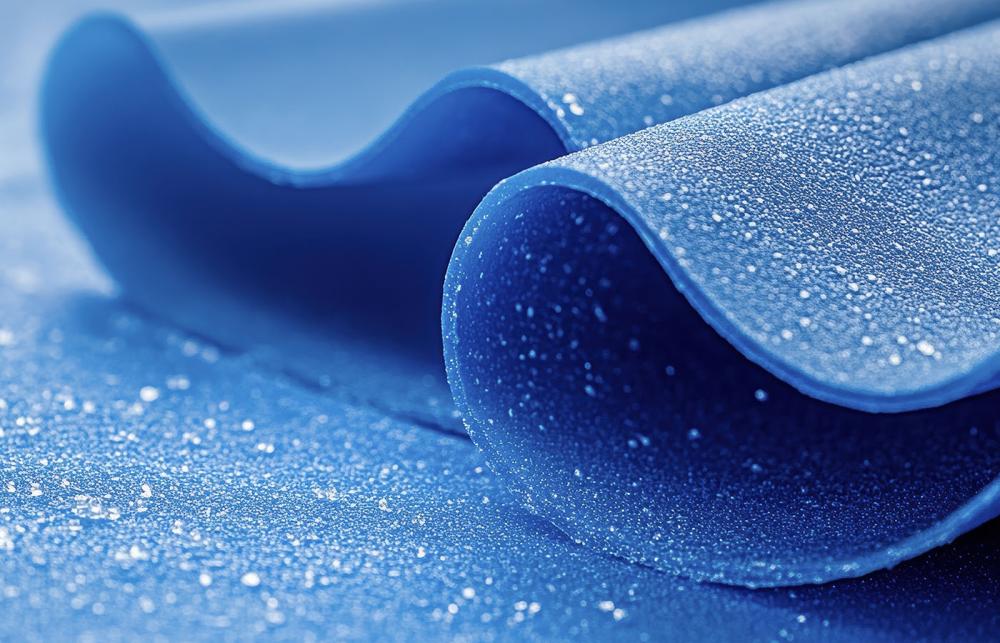
- Closed-cell structure supports hygiene, washability and easy cleaning.
- High tear resistance and good long-term rebound for repeated use.
What it does and how it works
This material works by compressing under load and then returning to shape more gradually than standard EVA. That delayed recovery behaviour helps spread force over time, soften impact and create a more protective feel in pressure-sensitive or high-load areas.
Because it is thermoformable, it can be heated and shaped to suit the intended application. This makes it useful for custom orthotic and cushioning work where both fit and material performance matter, especially in heel, forefoot and interface layers that need to combine softness with durability.
Common problems it may help with
This is a fabrication material rather than a finished treatment on its own, but it can be used in devices intended to improve shock absorption, reduce localised pressure and create a more comfortable interface between the body and an orthotic or footwear system. It is often selected when a build needs more cushioning and slower rebound than standard EVA sheet alone can provide.
- Reducing discomfort in pressure-sensitive body areas.
- Adding heel cushioning or forefoot cushioning to orthotic builds.
- Creating soft top covers and mid-layers in custom insoles.
- Improving comfort in AFO interfaces and protective padding systems.
- Supporting sports or leisure padding where repeated impact is a concern.
Applications and suitability
- Custom orthotic insoles and footbeds.
- Orthotic top covers and mid-layer cushioning builds.
- Pressure-relief padding components.
- Heel and forefoot cushioning systems.
- AFO interface layers.
- Leisure and contact sports protective padding.
This material is generally best suited to podiatrists, orthotic technicians, footwear specialists, prosthetic and orthotic workshops, and informed users selecting foam by performance rather than density alone.
Who it may not suit
- Anyone looking for a firm structural sheet for heel lifts, wedges or rigid posting.
- Users wanting a finished insole or ready-to-wear orthotic rather than raw material.
- Projects that need rapid rebound rather than delayed recovery.
- Applications where very high stiffness and low compression are the main priority.
Product specifications
| Material type | Slow memory closed-cell EVA sheet |
|---|---|
| Primary function | Shock absorption, cushioning and pressure-relief fabrication |
| Material behaviour | Delayed recovery with slow memory characteristics |
| Thermoformable | Yes |
| Density | 0.20 ± 0.03 g/cm³ |
| Hardness | Shore A 22 ± 5 |
| Test note | Published density and hardness values are based on tests performed on a 20mm thickness sample |
| Sheet size | 950 x 950mm |
| Material structure | Closed-cell, lightweight, flexible and washable |
| Typical uses | Orthotic insoles, top covers, mid-layers, pressure-relief padding, heel cushioning, forefoot cushioning and AFO interfaces |
Usage instructions
Select this material when a build needs cushioning, shock absorption and slower rebound rather than firm structural support. Cut the sheet to size, heat and mould where shaping is required, then finish and bond according to the intended orthotic, padding or interface design.
Because this material is chosen for its delayed recovery and cushioning behaviour, it is best used in areas where comfort, pressure reduction and impact management are the main goals. Trial fitting and staged workshop testing are advisable when combining it with firmer layers, top covers or shell materials.
Benefits
- Helps reduce impact forces in high-load areas.
- Supports pressure relief where a softer interface is needed.
- Improves comfort in orthotic, footwear and protective padding builds.
- Maintains useful rebound and cushioning performance over time.
- Adds minimal bulk thanks to its lightweight structure.
- Supports custom fabrication through heat shaping and easy finishing.
Contraindications & warnings
- This is a raw fabrication material, not a finished medical device for direct self-treatment.
- It is not the best choice where rigid support or firm structural posting is required.
- Use suitable workshop precautions when cutting, heating, grinding or bonding the material.
- Check compatibility with other materials and adhesives before batch production.
- Confirm the required sheet dimensions before ordering when cutting layouts are important.
- Assess the suitability of the finished device for the intended user, activity level and pressure profile.
FAQ: What is slow memory EVA used for?
Slow memory EVA is commonly used for cushioning and pressure-relief components in orthotic and protective builds. Typical uses include orthotic insoles, heel cushioning, forefoot cushioning, AFO interfaces, top covers and padding layers where a softer, slower-rebound material is preferred.
FAQ: How is this different from standard EVA sheet?
The key difference is its delayed recovery behaviour. Instead of springing back immediately, it compresses under load and returns to shape more gradually, which can help improve comfort and shock absorption in pressure-sensitive or high-impact areas.
FAQ: Is this suitable for orthotic insoles?
Yes, it is well-suited to custom orthotic insoles and footbeds, especially when cushioning and impact management are important. It can be used as part of a layered build or as a comfort-focused interface material depending on the design goals.
FAQ: Can it be heat moulded?
Yes, this material is thermoformable and can be shaped for custom orthopaedic and cushioning applications. That makes it useful for bespoke fabrication where contouring, fit and targeted pressure management all matter.
FAQ: Is this a good choice for pressure-relief applications?
Yes, that is one of its core strengths. Its soft feel, shock-absorbing performance and slow memory response make it useful in builds intended to reduce local pressure and create a more forgiving interface against the skin or device surface.
FAQ: Can it be used in sports padding as well as clinical orthotics?
Yes, it is suitable for both clinical and sports-related cushioning applications. It can be used where repeated impact, comfort and protective padding are all important, including leisure and contact sport interfaces.
FAQ: Is it hygienic enough for close-contact applications?
The closed-cell structure helps resist moisture uptake and makes the material easier to clean than many open-cell foams. That makes it a practical option for top covers, interface layers and other applications where routine hygiene matters.
FAQ: Why should I check the size before ordering?
The page presents the product as a 1000 x 1000mm sheet, while the technical specification also lists 950 x 950mm. If your workshop layout, yield or cut plan depends on exact dimensions, it is sensible to confirm the selected size before purchase.
Product Summary
This slow memory EVA sheet is a lightweight, thermoformable, closed-cell cushioning material designed for orthotic insoles, pressure-relief padding, heel and forefoot cushioning, top covers and AFO interfaces. It is best suited to builds that need soft shock absorption, delayed recovery and durable everyday comfort rather than firm structural support.
Frequently bought together
Sold: Sheet
Incl. VAT Exl. VAT
Sold: Sheet Size: 1000 x 1000mm
Incl. VAT Exl. VAT
Sold: Sold per Roll
Incl. VAT Exl. VAT
Sold: Sheet
Incl. VAT Exl. VAT
Sold: Sheet
Incl. VAT Exl. VAT
Sold: Sheet size: 1000 x 1000mm
Incl. VAT Exl. VAT
Sold: Sheet size: 1000 x 1000mm
Incl. VAT Exl. VAT
Sold: Each
Incl. VAT Exl. VAT
Sold: Sold per Sheet
Incl. VAT Exl. VAT
Sold: Sold per Sheet
Incl. VAT Exl. VAT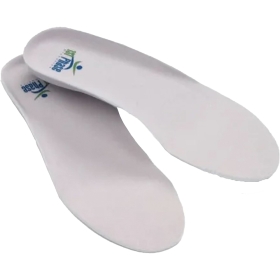
Sold: Sold per Pair
Incl. VAT Exl. VAT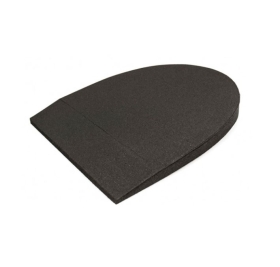
Sold: Sold per Pair
Incl. VAT Exl. VAT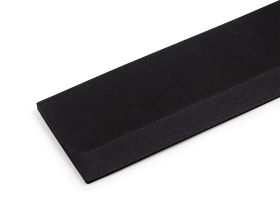
Sold: Each
Incl. VAT Exl. VAT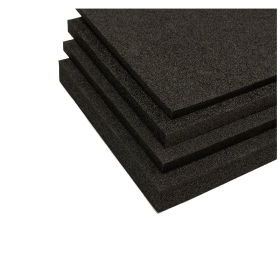
Sold: Sheet Size: 1500mm x 1000mm
Incl. VAT Exl. VAT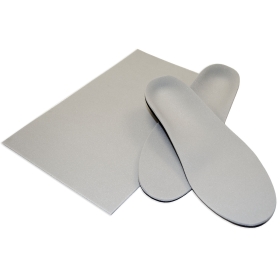
Sold: Sheet
Incl. VAT Exl. VAT

Sold: Sheet Size: 1000 x 1000mm
Incl. VAT Exl. VAT