





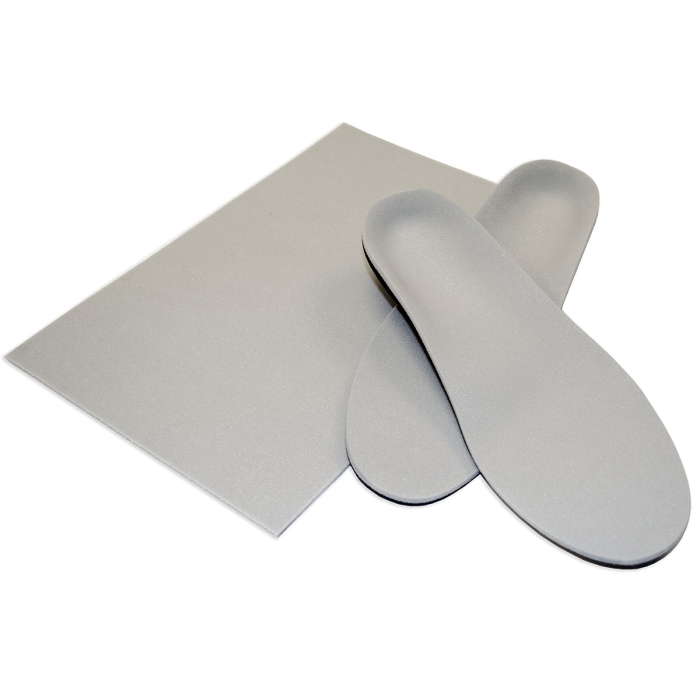
Movado Cushioning Material for Orthotics
Shear resistant cushioning foam material for orthopaedic and insole covers. Cost effective, versatile foam.
Sold: Sheet
Incl. VAT Exl. VAT
Product Description
Soft Closed-Cell Orthotic Cushioning Foam
A super-soft, closed-cell cushioning material (Shore A15) designed for orthotic linings, top covers and pressure-sensitive applications.
Best for: Sensitive feet, diabetic and arthritic presentations, orthotic top covers and prosthetic interfaces where shear and pressure reduction are priorities.
Not ideal for: Rigid control layers or high-density structural components requiring firm mechanical support.
- Closed-cell, water-resistant and hygienic composition
- Excellent shear resistance with soft skin contact feel
- Thermoformable and easy to fabricate
What is it?
Aortha Movado is a soft, closed-cell cushioning foam developed specifically for orthotic and prosthetic applications. With a Shore A hardness of 15, it sits at the very soft end of the spectrum, making it suitable for patients and users who require gentle compliance and pressure redistribution.
The closed-cell structure means the material does not absorb water, helping to maintain hygiene and dimensional stability in everyday use. It is PVC free and designed to be breathable, making it appropriate for in-shoe environments where comfort and skin integrity are important.
Movado can be used as a lining material, top cover, or lightweight cushioning layer within simple insoles and more advanced orthotic therapy devices.
Who is it for?
Movado is intended for professional orthotic fabrication and footwear development settings, particularly where skin protection and shear management are clinical priorities.
- Orthotists and podiatrists fabricating custom foot orthoses
- Prosthetic technicians requiring soft interface materials
- Footwear developers producing comfort-focused insoles
- Hospital workshops managing high-risk foot presentations
- Clinics supporting arthritic or diabetic patients
It is especially suitable where compliance is limited and force-based shear stresses are present, such as in neuropathic or arthritic feet. Material selection should always be based on full clinical assessment and device design requirements.
What is it used for?
Applications
- Orthotic top covers to help reduce in-shoe pressures
- Insole linings for sensitive or high-risk feet
- Soft interface layers in braces and prosthetic appliances
- Lightweight cushioning components in multi-layer orthoses
- Custom cut insoles and orthotic covers
Characteristics
- Shore A15 softness for high compliance
- Good impact absorption capability
- Excellent shear resistance
- Closed-cell composition – water absorption free
- Soft and comfortable against the skin
- Breathable and hygienic
- Good chemical resistance
- Thermoformable and easy to shape
Typical Users
- Clinicians designing orthoses for diabetic foot management
- Practitioners managing arthritic joint discomfort
- Technicians producing accommodative insoles
- Manufacturers requiring consistent, soft top cover material
How to work with it
Movado can be cut, shaped and thermoformed to suit a wide range of orthotic designs. When used as a top cover, it is typically laminated to a supportive base layer. As a lining, it can be bonded to shells or appliance interiors to create a softer interface.
Heat activation within the recommended temperature range allows the material to contour effectively to moulds or foot shapes. Care should be taken to avoid overheating, which may affect material structure.
Expected Use Timeline
First use
When incorporated into an orthosis, Movado provides immediate softness and cushioning underfoot. Users often report a noticeably softer interface compared to firmer top covers.
Ongoing use (weeks and beyond)
With regular wear, the material is designed to maintain cushioning and resist shear-related breakdown. As with all soft foams, periodic inspection is recommended to monitor for compression set, surface wear or delamination from base layers.
Replacement intervals will vary depending on activity level, body weight and footwear environment.
Common Problems and How This Product Helps
| Common problem | How the product helps |
|---|---|
| High plantar pressure in sensitive feet | Soft Shore A15 composition helps redistribute load across a broader area. |
| Shear-related skin irritation | Excellent shear resistance supports reduced friction at the skin interface. |
| Moisture-related hygiene concerns | Closed-cell structure prevents water absorption. |
| Discomfort from rigid orthotic shells | Used as a lining to create a softer interface between shell and foot. |
| Material breakdown due to chemical exposure | Good chemical resistance supports durability in clinical settings. |
Key Benefits
- Very soft Shore A15 hardness suited to high-risk or sensitive feet
- Closed-cell, water-resistant and hygienic composition
- Excellent shear resistance for improved skin protection
- Thermoformable and easy to fabricate
- Available in multiple conversion formats
- PVC free material option
Common Mistakes to Avoid
- Using as a structural base layer where firmer support is required
- Selecting insufficient thickness for higher body weight users
- Overheating beyond recommended temperature range
- Failing to review wear patterns in high-load patients
How to Work With Movado
- Select appropriate thickness based on patient weight and device design.
- Cut to required shape using suitable workshop tools.
- Heat within the recommended temperature range (110–130°C).
- For 4mm material, allow approximately 1½–2 minutes of heat activation time.
- Form over cast or mould and allow to cool in position.
- Laminated constructions should be bonded using compatible adhesives.
Thickness guidance based on patient weight:
- Below 85kg: 3mm
- 85kg–115kg: 4mm
Technical specifications
| Property | Specification |
|---|---|
| Hardness | Shore A15 |
| Colour | Silver Grey |
| Sheet size | 920 x 650mm |
| Heating temperature | 110–130°C |
| Heat activation time (4mm) | 1½ – 2 minutes |
| Composition | Closed-cell, PVC free foam |
| Water absorption | Water absorption free |
Material conversion options
- Sheet format (standard and mini-sheet)
- Pre-cut insoles
- Orthotic covers (8 sizes)
Lamination options are available on request to suit specific orthotic manufacturing requirements.
Frequently Asked Questions
Is Movado suitable for diabetic foot orthoses?
It is commonly selected for high-risk or sensitive feet due to its softness and shear resistance. Final material choice should be based on individual clinical assessment.
Can it be used as a standalone insole?
It may be used as a simple cushioning insole, but in many cases it performs best as a top cover or lining combined with a supportive base layer.
Does it absorb moisture?
No. Its closed-cell composition is water absorption free, supporting hygiene and durability.
What thickness should I choose?
As a general guide, 3mm is suitable for users below 85kg, and 4mm for those between 85kg and 115kg. Clinical judgement should always guide final selection.
Is it easy to thermoform?
Yes. Within the recommended temperature range of 110–130°C, the material becomes pliable and can be shaped effectively.
Can it be laminated?
Yes. Movado can be laminated to other orthotic materials depending on device design and workshop processes.
Complementary and Pairing Suggestions
- Supportive EVA or polypropylene orthotic base shells
- High-density rearfoot posting materials
- Adhesives compatible with closed-cell foams
- Additional top cover fabrics for enhanced finish
- Shear-reducing interface layers for high-risk feet
Written by: Algeos Product & Clinical Content Team
Last reviewed: February 2026
This content is provided for buyer guidance and product understanding. It is not a substitute for diagnosis, prescription or professional clinical advice. Material selection should be based on full patient assessment and appropriate fabrication standards.
Frequently bought together
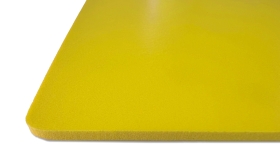
Sold: Sold per Sheet
Incl. VAT Exl. VAT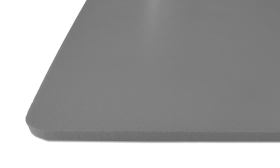
Sold: Sold per Sheet
Incl. VAT Exl. VAT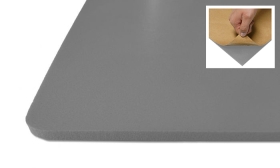
Sold: Sold per Sheet
Incl. VAT Exl. VAT
Sold: Sold per Sheet
Incl. VAT Exl. VAT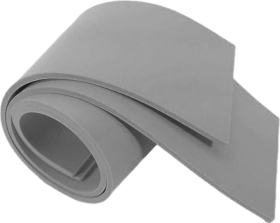
Sold: Sold per Mini Sheet
Incl. VAT Exl. VAT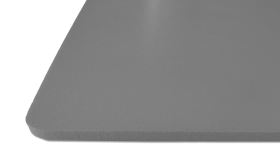
Sold: Sold per Sheet
Incl. VAT Exl. VAT
Sold: Sheet
Incl. VAT Exl. VAT
Sold: Sheet
Incl. VAT Exl. VAT
Sold: Sold per Pair
Incl. VAT Exl. VAT
Sold: Sold per Pair
Incl. VAT Exl. VAT
Sold: Sheet
Incl. VAT Exl. VAT