





Memory foam shoe inserts have become a popular choice for people looking to add comfort and support to their everyday footwear.
Whether you’re on your feet all day at work, dealing with foot pain or simply looking for a bit more cushion in your trainers, memory foam insoles can seem like an easy solution. But are they the best option for your feet - and are they always the healthiest choice?
The Comfort Factor: Why Memory Foam Appeals to So Many
There’s no denying the plush, sink-in feeling of memory foam. Originally developed for NASA, this material contours to your foot shape, providing a customised feel with every step.
For many people, especially those with no specific foot conditions, that cushioning alone can bring instant relief from hard soles or unsupportive footwear. It’s no surprise that memory foam is often used in lifestyle shoes and slippers to give that 'walking-on-clouds' sensation.
The Good, the Not-So-Good and the Podiatrist Perspective
While memory foam can offer short-term comfort, some podiatrists caution against relying on it long-term - especially for those with underlying biomechanical issues. Unlike medical-grade orthotics, memory foam compresses under pressure.
This means that over time it may lose its structure, offering less support where it’s most needed, such as the arch or heel. In contrast, podiatrists often favour insoles made from EVA, polyurethane or gel combinations that offer both cushioning and support while maintaining shape and function over time.
Comfort vs Support: What’s the Difference?
It’s easy to confuse comfort with proper support. Memory foam is soft and forgiving, but this softness doesn’t always equal stability. For individuals who overpronate or need specific arch support, memory foam inserts may not provide enough corrective benefit.
Supportive insoles are designed to hold your foot in a healthier position, helping reduce fatigue and strain. Memory foam, on the other hand, may feel good initially but might not correct poor foot posture—and in some cases, could even contribute to it.
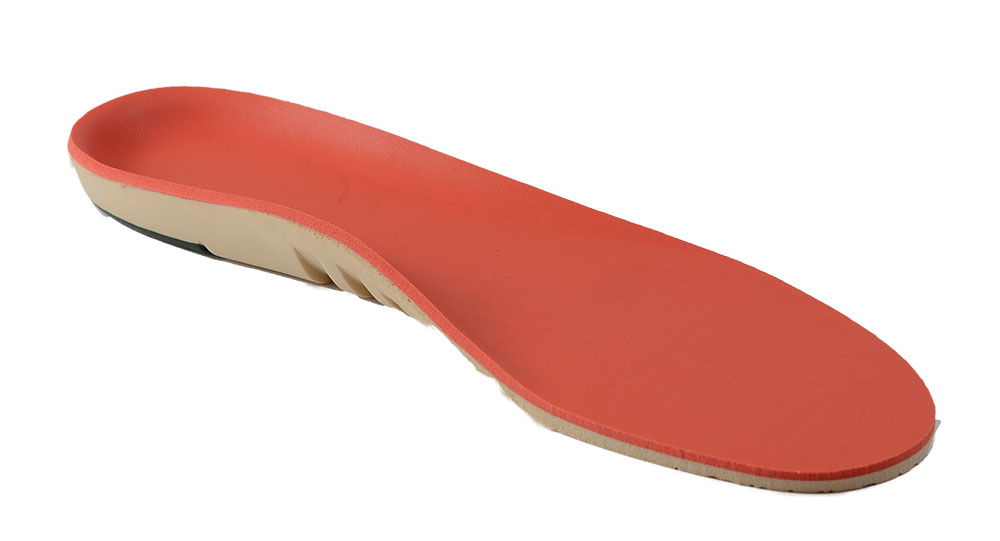
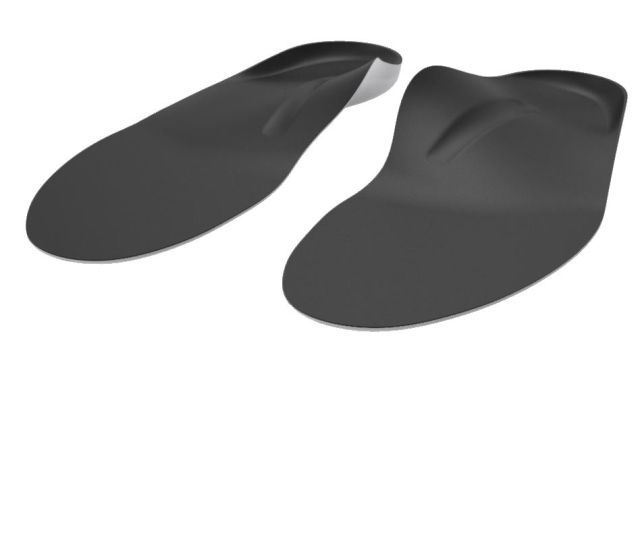
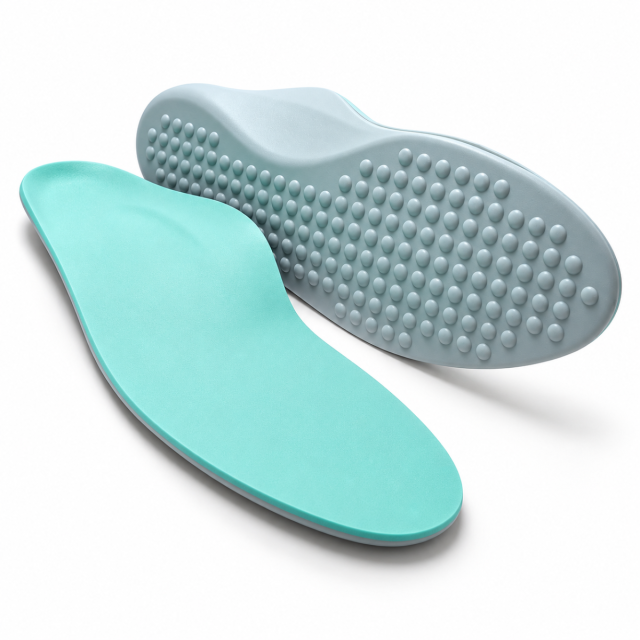
Duosoft PLUS - advanced memory foam insoles prescribed by NHS clinicians
Daily Walking and Standing: Is Memory Foam Enough?
If you're on your feet all day—say, as a nurse, shop assistant, or teacher - comfort matters. But so does durability and biomechanical support. A well-made memory foam insole can offer relief for short-term tasks, but for prolonged activity, it’s worth considering hybrid insoles that combine memory foam with firmer support layers.
Look for insoles that also feature heel cups, metatarsal pads or shock-absorbing zones.
Plantar Fasciitis and Pain Concerns
People suffering from plantar fasciitis often turn to memory foam in the hope of reducing heel pain. While the cushioning may offer some temporary relief, it doesn't always address the root issue: lack of support.
Without firm arch support and heel cradling, memory foam inserts may even worsen symptoms over time. If your feet start to hurt more after using insoles, it could be a sign that the inserts are not the right fit—or that your foot needs more structured support.
Choosing the Right Shoe Inserts: What to Consider
There’s no one-size-fits-all when it comes to insoles. The best choice depends on your foot shape, the type of footwear you’re using, and any conditions you might have, such as arthritis, flat feet or bunions. Memory foam insoles may benefit individuals with mild joint pain by offering a soft buffer against hard surfaces. But again, softness isn’t always enough. If you're unsure, it’s worth getting a gait analysis or asking a healthcare professional for advice.
Price vs Performance: What Should You Spend?
It’s tempting to grab a £10 pair of memory foam insoles at the local chemist, but price can be a reflection of quality and durability. That said, you don’t need to spend a fortune. For most users, a good insole will fall in the £15–£35 range. This typically buys better materials, more sophisticated designs, and longer-lasting comfort. Custom orthotics prescribed by a professional are more expensive, but they are also tailored specifically to your feet and can be a worthwhile investment if you have recurring problems.
Common Drawbacks to Watch Out For
One of the biggest complaints about memory foam is that it flattens over time. This loss of structure can mean reduced support and a return of discomfort. Also, because memory foam absorbs moisture, it’s not always the best choice for people with sweaty feet or those prone to fungal infections. Always check if the insole is breathable or features an antimicrobial layer.
Final Thoughts: Are Memory Foam Inserts Worth It?
Memory foam shoe inserts can be a helpful comfort boost, especially for casual use or for those without major foot issues. They offer immediate relief from hard shoe soles and can be a low-cost option to improve everyday footwear. However, for more serious foot problems - or for people who spend long hours on their feet - consider pairing memory foam with more supportive features, or opting for podiatrist-recommended alternatives. Your feet will thank you in the long run.
Need Help Finding the Right Fit?
If you’re unsure about which insole is right for your feet, don’t just guess. Look for trusted suppliers who offer different insole types, clear size guidance, and advice tailored to specific conditions. And if pain persists, always consult with a podiatrist or physiotherapist before relying on any insole as a solution.
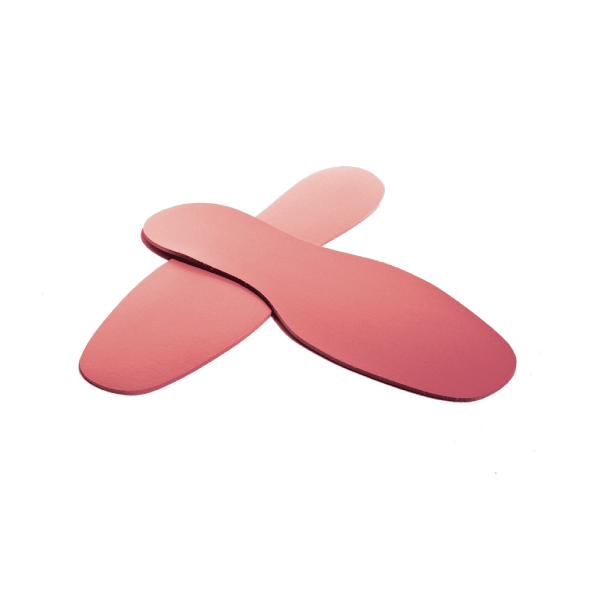
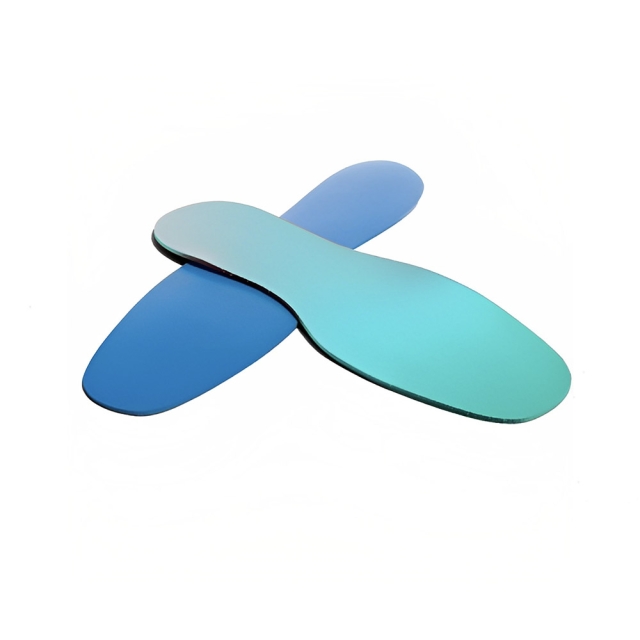
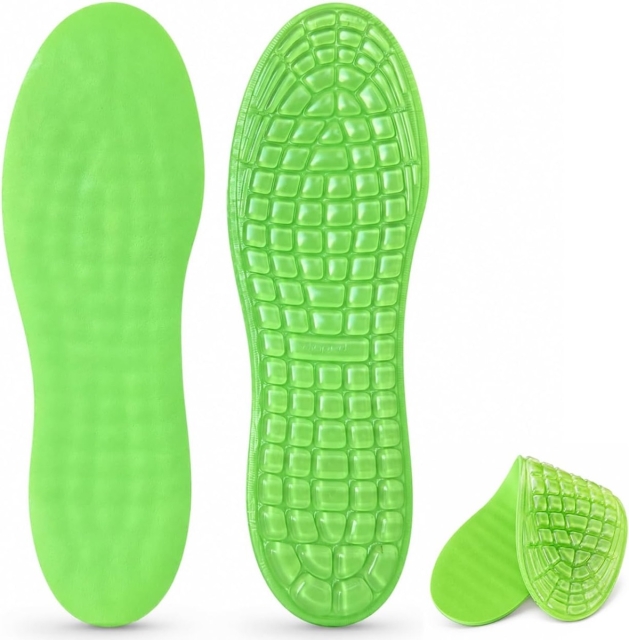
View Algeos Memory Foam Insoles range here >>
Sold: Sold per Pair
Incl. VAT Exl. VAT