





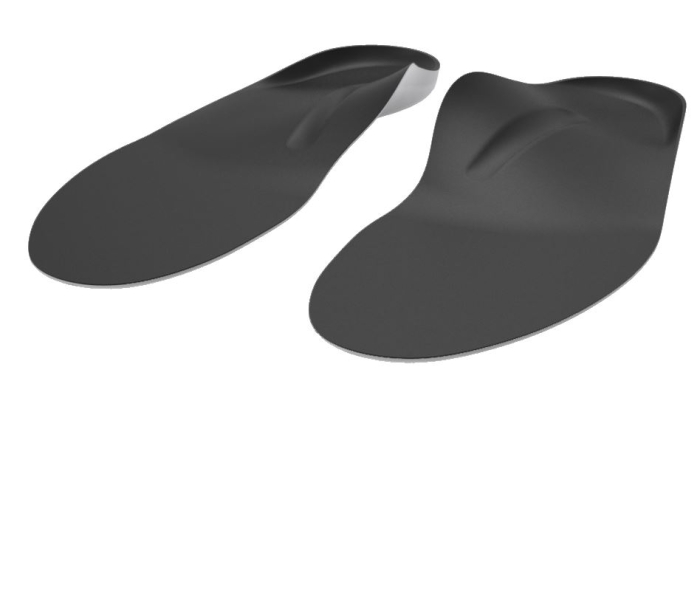
Interpod Soft-Long Foot Orthotics for Plantar Fasciitis
Interpod Soft Foot Orthotics for Plantar Fasciitis are an essential tool in the management of foot biomechanics, aiming to correct and alleviate symptoms associated with flat feet, heel pain and related foot conditions.
NHS staple, Interpod Soft devices are trusted and clinically proven correct pronated feet and alleviate heel pain.
Children's (kids) sizes available for this model.
Sold: Sold per Pair
Incl. VAT Exl. VAT
Product Description
Functional Cushioned Foot Orthotics for Sensitive Arches
Super-comfortable, full-length cushioning orthoses incorporating biomechanical control, designed to support low arches and flat feet while helping spread pressure more evenly across the foot.
Best for: Sensitive feet, younger wearers and adults who want gentle arch support with added stability; flat feet (pes planus), low arches, overpronation patterns, general foot fatigue and plantar fasciitis-style arch or heel discomfort where cushioning is a priority.
Not ideal for: People who need maximum rigid control (for example, severe instability or highly demanding posting requirements), extremely tight footwear with limited depth, or unresolved pain that is severe, worsening, or associated with numbness (seek professional assessment).
- Dual-layer cushioning: soft comfort layer over a supportive base
- Full-length design for heel-to-toe support and forefoot comfort
- Polyurethane construction for durable shock absorption
What is it?
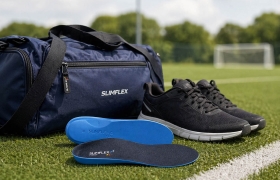
Interpod Soft-Long Foot Orthotics are full-length, cushioning orthoses designed to combine everyday comfort with practical biomechanical support. They are shaped to support the medial arch and help guide foot posture during standing, walking, and activity.
The aim is straightforward: provide a stable, comfortable foundation that reduces concentrated pressure and helps the feet feel less strained over the course of the day.
Soft-Long orthotics are built from strong, high-quality cushioning materials and are engineered to fit into a wide range of footwear. They are often chosen for people who find rigid devices too aggressive, or for anyone who wants a softer interface for sensitive feet while still benefiting from structured support and alignment features.
Because the design is full-length, it supports the heel and arch while also providing forefoot padding. This can be helpful if you spend long hours on your feet, walk a lot, or notice discomfort in the ball of the foot during daily routines.
Who is it for?
These orthotics are made for people who need more support than a standard comfort insole but prefer a cushioning feel. They can be suitable for both adults and children (depending on the size range available) and are commonly used in school shoes, casual footwear, and trainers where consistent support is needed across different activities.
Soft-Long can be a sensible choice if you:
- Have flat feet or low arches and want gentle arch guidance without an overly rigid feel.
- Experience foot fatigue after long periods of walking or standing.
- Have sensitive feet and need cushioning as well as support.
- Notice your feet roll inwards (overpronation) and you want more stability during movement.
- Have heel or arch discomfort that may be aggravated by repetitive impact.
- Want an orthotic that can move with you between everyday shoes and trainers.
What does it help with?
Soft-Long orthotics are designed to support foot mechanics and reduce stress caused by uneven loading. They do not replace a diagnosis or personalised treatment plan, but they may help improve day-to-day comfort by supporting the arch, improving stability, and reducing impact through cushioning materials.
Condition-to-practical benefit examples
- Flat feet (pes planus): supports the medial arch to encourage a more stable base for standing and walking.
- Overpronation: helps guide foot posture, which may reduce knock-on strain through ankles, knees, and hips for some wearers.
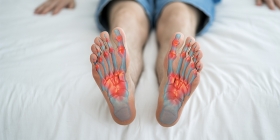
- Plantar fasciitis-style symptoms: arch support plus shock absorption can help reduce day-to-day strain through the plantar fascia region.
- Heel spurs / heel pain patterns: cushioning helps soften impact at heel strike and can reduce pressure on sensitive areas.
- Metatarsalgia (ball-of-foot discomfort): full-length design provides forefoot padding and pressure redistribution.
- General foot fatigue: dual-layer comfort and stability can make long days on your feet feel more manageable.
How does it work?
The Soft-Long design blends cushioning and control rather than relying on one approach alone. This can suit people who need support but are sensitive to firm, rigid devices.
Key mechanisms include:
- Anatomically contoured arch support: supports the medial arch and helps keep the foot aligned during activity. This can reduce excessive strain through the arch and plantar fascia region.
- Dual-layer (dual-density) construction: a soft top layer focuses on comfort, while the firmer base layer provides stability and structure.
- Shock absorption: materials are selected to dampen impact forces during movement, helping reduce repetitive stress to the heel and forefoot.
- Rearfoot wedging: included to maintain supportive control without needing an excessively high arch profile, which can be important for sensitive feet.
- Cuboid notch and plantar fascial groove: shaped features designed to support comfort and biomechanical alignment, particularly in the midfoot region.
The result is an orthotic that aims to feel cushioned and forgiving at the surface, while still offering structured guidance underneath. For many users, this balance supports more consistent wear, which is often just as important as the design itself.
Expected comfort and use timeline
First use: Most people notice the cushioning immediately. The arch support should feel gentle and supportive rather than sharp. If you are new to orthotics, start with short periods to allow your feet to adjust.
Short-term use (days): As you wear them more consistently, you may notice improved comfort during long stands or walks. Some mild muscle awareness in the arch or lower leg can occur as your gait mechanics change.
Ongoing use (weeks): With regular use in suitable footwear, many people find the orthotics become part of everyday comfort and support. If symptoms remain severe, worsen, or shift significantly, consider professional advice to check fit, footwear, and whether a different support profile is more appropriate.
Problem and solution overview
| Common problem | How the product helps |
|---|---|
| Feet feel tired and sore after a long day | Dual-layer cushioning helps soften impact and reduce overall strain |
| Low arches or flat feet cause instability when walking | Anatomical arch contour supports a more stable foot posture |
| Heel discomfort during standing or heel strike | Shock-absorbing polyurethane helps dampen impact forces |
| Ball-of-foot discomfort (metatarsalgia-style pain) | Full-length design provides forefoot padding and pressure redistribution |
| Sensitive feet can’t tolerate very rigid orthotics | Supportive base layer plus softer top layer offers a gentler feel |
Key benefits
- Gentle, anatomically designed arch support for low arches and flat feet
- Dual-layer cushioning for comfort plus stability
- Polyurethane construction for durable shock absorption
- Full-length support from heel to toe, including forefoot comfort
- Rearfoot wedging supports alignment without an overly high arch feel
- Suitable for everyday footwear, school shoes, and trainers (where depth allows)
Fit and comfort check
The orthotic should sit flat in the shoe with no curling at the toe or lifting at the heel. You should feel supported, not pushed. A snug fit is normal; pinching, numbness, or tingling is not.
- If the shoe feels tight, remove the original insole (if possible) and re-check fit.
- If you feel pressure under the arch, reduce wear time and build up gradually.
- If discomfort persists beyond an adjustment period, seek advice on sizing, footwear compatibility, or alternative support profiles.
Common mistakes to avoid
- Going from zero to all-day wear immediately: even cushioned orthoses can change mechanics; build up gradually.
- Using in worn-out or very flexible shoes: supportive footwear helps the orthotic work as intended.
- Ignoring persistent pain: ongoing, sharp, or worsening symptoms should be assessed by a healthcare professional.
- Assuming one insole fits every shoe: different shoe shapes and volumes affect comfort and alignment.
How to use
- Choose suitable shoes: look for enough depth and a stable heel counter. Trainers and many school shoes work well.
- Remove existing liners: take out the shoe’s original insole if removable.
- Insert the Soft-Long orthotics: place them fully back so the heel sits correctly and the forefoot lies flat.
- Start gradually: begin with 1–2 hours per day and increase over 1–2 weeks as comfortable.
- Use consistently: wear during the activities that trigger fatigue or discomfort (work shifts, walking, sport).
- Check wear and tear: replace if the cushioning becomes compressed or the shape no longer feels supportive.
Technical specifications
| Product type | Full-length cushioning orthoses with biomechanical control |
|---|---|
| Length | Full length (heel to toe) |
| Arch support | Anatomically contoured medial arch support |
| Construction | Dual-layer (soft comfort top layer with a firmer base layer) |
| Material | Polyurethane (high shock-absorbing cushioning material) |
| Shock absorption | Designed to dampen impact through heel and forefoot |
| Rearfoot feature | Rearfoot wedging to support alignment with a lower arch profile |
| Design features | Cuboid notch; plantar fascial groove |
| Sizes | Varies by option (adult and child sizing range available depending on selection) |
| Left/right | Pair (left and right) |
| Care and cleaning | Wipe clean with a damp cloth; air dry away from direct heat; do not machine wash |
| Pack contents | 1 pair of Interpod Soft-Long Foot Orthotics |
Frequently asked questions
Are these orthotics suitable for sensitive or younger feet?
They are designed to be cushioning and supportive, which can suit sensitive feet and users who prefer gentler support. Choosing the correct size and suitable footwear is important for comfort.
Do they help with flat feet and low arches?
Yes. The anatomically contoured arch support is designed to support the medial arch and improve stability for flat feet and low-arch patterns.
Can they help with plantar fasciitis?
They are designed to reduce strain through the arch and dampen impact, which may help manage plantar fasciitis-style discomfort. Persistent or severe symptoms should be assessed by a healthcare professional.
Will they fit in my shoes?
They are designed for versatile use, but fit depends on shoe depth and shape. They tend to work best in shoes with enough volume, such as trainers, school shoes, and many casual shoes.
How long should I wear them each day?
Start gradually and increase wear time as your feet adjust. Many people wear them during the parts of the day that involve the most standing, walking, or sport.
Do they provide rigid control like a custom orthotic?
No. These are cushioning orthoses with biomechanical control features. They provide structured support, but they are designed to feel softer and more forgiving than maximum-control rigid devices.
When should I seek professional advice?
If you have severe pain, numbness, tingling, a new injury, or symptoms that worsen despite supportive footwear and sensible use, it is advisable to seek assessment from a qualified healthcare professional.
Complementary product suggestions
For a well-rounded foot comfort approach, consider pairing these orthotics with supportive footwear, blister prevention products (if shoes rub during the break-in period), heel cushions if extra shock reduction is needed, and stretching aids for calves and plantar fascia where appropriate. For sports and long shifts, moisture-wicking socks can also help improve comfort inside the shoe.
Content credibility
Written by: Algeos Product & Clinical Content Team
Last reviewed: January 2026
Purpose: This content is intended to support informed purchasing decisions and safe product use. It does not provide diagnosis or replace personalised medical advice.
Sold: Pack of 5 Pairs
Incl. VAT Exl. VAT
Sold: Sold per Pair
Incl. VAT Exl. VAT
Sold: Sold per Pair
Incl. VAT Exl. VAT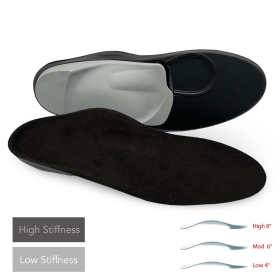
Sold: Sold per Pair
Incl. VAT Exl. VAT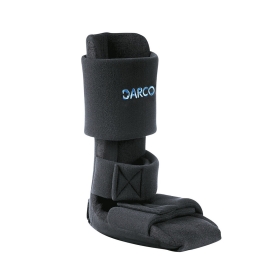
Sold: Each
Incl. VAT Exl. VAT
Sold: Pair
Incl. VAT Exl. VAT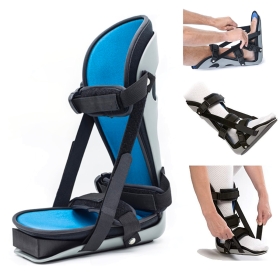
Sold: Each
Incl. VAT Exl. VAT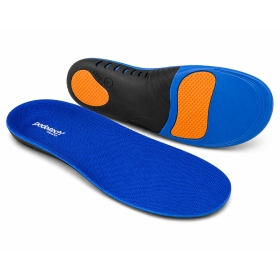
Sold: Sold per Pair
Incl. VAT Exl. VAT
Sold: Pair
Incl. VAT Exl. VAT
Sold: Each
Incl. VAT Exl. VAT
Sold: Sold per Pair
Incl. VAT Exl. VAT
Sold: Sold per Pair
Incl. VAT Exl. VAT
Sold: Kit
Incl. VAT Exl. VAT
Sold: Each
Incl. VAT Exl. VAT
Sold: Sold per Pair
Incl. VAT Exl. VAT
Sold: Sold per Pair
Incl. VAT Exl. VAT
Sold: Pack of 5 Pairs
Incl. VAT Exl. VAT
Sold: 5 Pairs
Incl. VAT Exl. VAT
Sold: Sold per Pair
Incl. VAT Exl. VAT
Sold: Sold per Pair
Incl. VAT Exl. VAT
Sold: Sold per Pair
Incl. VAT Exl. VAT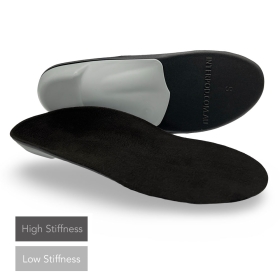
Sold: Pair
Incl. VAT Exl. VAT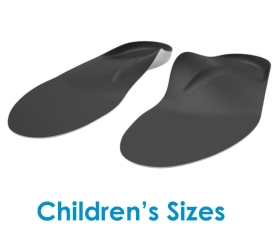
Sold: Sold per Pair
Incl. VAT Exl. VAT
Sold: Sold per Pair
Incl. VAT Exl. VAT



Sold: Sold per Pair
Incl. VAT Exl. VAT