




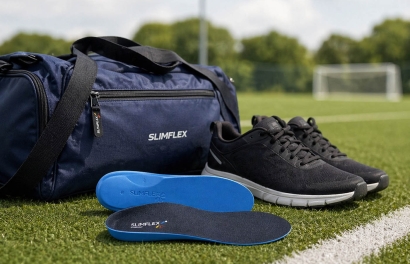
The best insoles for plantar fasciitis usually combine arch support, heel cushioning and a stable heel cup. The right choice depends on your symptoms, footwear, foot type, activity level and whether you need gentle cushioning, firm control or a more clinical orthotic option.
This guide compares a wider selection of Algeos insoles, including Slimflex, Interpod, Podotech, Duosoft, Diaped and Silipos options. It is designed to help you choose between everyday orthotic insoles, sports insoles, diabetic-friendly cushioning, semi-bespoke orthotics and heel cups for focused heel pain relief.
Quick Picks: Insoles for Plantar Fasciitis
Not every case of plantar fasciitis needs the same insole. A runner, a heavier wearer, someone with delicate diabetic feet and a person needing professional orthotic control may all need very different solutions.
| Best For | Recommended Option | Why Choose It? | Shop |
|---|---|---|---|
| Best overall everyday support | Slimflex Comfort 3/4 Length Orthotic Insoles | A practical everyday orthotic for plantar fasciitis, heel pain, arch support and shoes where full-length insoles may take up too much space. | View product |
| Best full-length everyday option | Slimflex Comfort Medium Density Full Length Insoles | Full-length support for people who want cushioning and control from heel to forefoot. | View product |
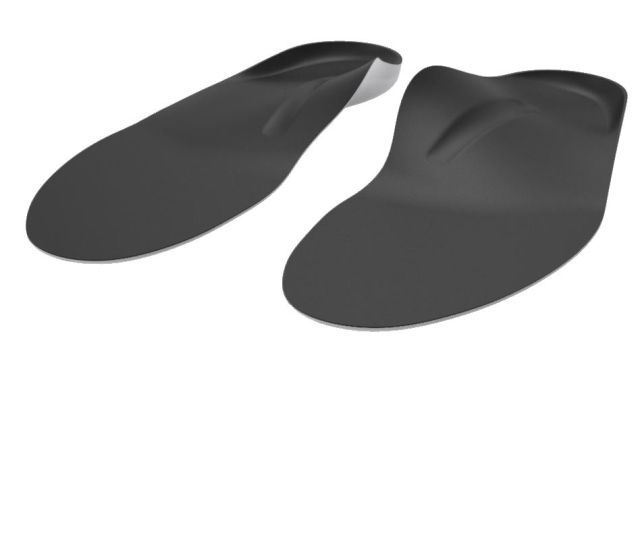
| Best professional prefabricated orthotic | Interpod Flex Foot Orthotics with Heel Cup | A professional-grade prefabricated orthotic option used where stronger functional support and heel control are needed. | View Interpod range |
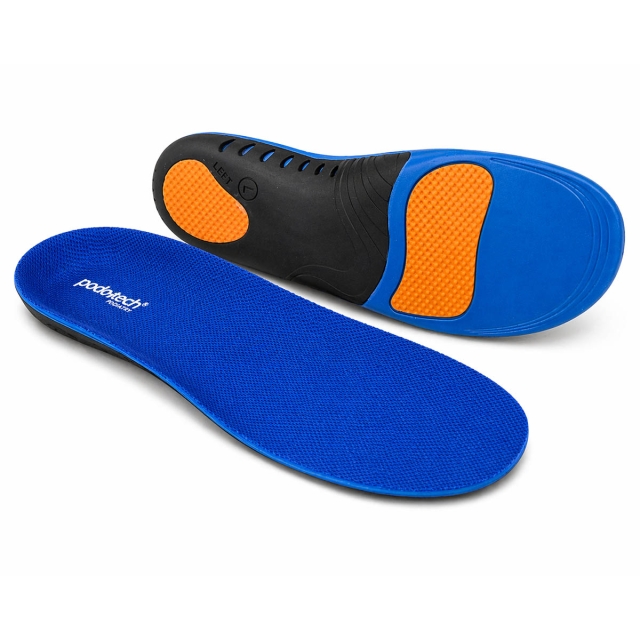
| Best semi-bespoke option | Podotech Stars Sirius Semi-Bespoke Orthotic Insoles | Customisable support for plantar fasciitis, metatarsalgia, overpronation, flat feet and general foot fatigue. | View product |
| Best for delicate or sensitive feet | Duosoft Plus Advanced Memory Foam Diabetic Insoles | Very soft cushioning for diabetes, arthritis, neuropathy, foot deformity or generally sensitive feet. | View product |
| Best diabetic orthotic support | Interpod Diabetic Foot Orthotics | Combines a supportive orthotic base with a PORON 96 top cover to help redistribute pressure and absorb shock. | View product |
| Best for sports and active users | Slimflex Simple HD Orthotic Insoles | High-density support for runners, gym users and harder-wearing active users who need firmer control. | View product |
| Best for heavier wearers | Slimflex Comfort High Density Insoles | Firm full-length support for stronger foot control, reliable arch support and rearfoot stability. | View product |
| Best heel cushioning add-on | Silipos WonderCup Silicone Gel Heel Cup | Dual-density gel heel support for plantar fasciitis, Achilles tendonitis and heel pain relief. | View product |
| Best value / multi-shoe option | Slimflex Green Orthotic Insoles | A lower-cost orthotic option offering cushioning with mild functional control for everyday shoes and trainers. | View product |
| Range comparison | Algeos Orthotic Insoles Range | Compare Slimflex, Interpod, Podotech, Diaped, Silipos and other orthotic insole options. | View full range |
Need Plantar Fasciitis Insoles?
Explore Algeos orthotic insoles for arch support, heel cushioning, plantar fasciitis, sports use, sensitive feet and diabetic footcare. Choose from everyday insoles, professional prefabricated orthotics, semi-bespoke devices and specialist heel cushions.
Shop Plantar Fasciitis InsolesWhat Is Plantar Fasciitis?
Plantar fasciitis is one of the most common causes of pain under the heel. It involves irritation, overload or inflammation of the plantar fascia, the strong band of tissue running from the heel bone towards the toes.
Typical symptoms include sharp heel pain when taking the first steps in the morning, discomfort after rest, and pain after long periods of standing, walking or running. Risk factors can include poor footwear support, increased activity, hard surfaces, tight calf muscles and prolonged time on your feet.
How Do Insoles Help Plantar Fasciitis?
Insoles help plantar fasciitis by managing load through the foot. A good insole does not simply add softness; it supports the arch, cushions the heel, improves rearfoot stability and helps reduce excessive strain on the plantar fascia.
Key ways insoles can help
- Arch support: helps reduce excessive flattening of the foot and tension through the plantar fascia.
- Heel cushioning: absorbs impact under the heel during walking, standing and daily activity.
- Deep heel cup: helps stabilise the rearfoot and keep the heel better positioned inside the shoe.
- Pressure redistribution: spreads load more evenly across the foot instead of concentrating pressure under the heel.
- Foot alignment: may help people with overpronation by improving mechanical control during gait.
- Skin protection: specialist diabetic and sensitive-foot insoles may help reduce pressure, friction and rubbing in vulnerable feet.
How to Choose the Right Insoles for Plantar Fasciitis
The right insole depends on the cause of your heel pain and the type of footwear you use most often. A soft gel insert may feel comfortable at first, but some people need firmer arch support to reduce strain properly.
1. Identify your arch type
Flat feet often need firmer arch support and more rearfoot control. High arches usually need extra cushioning because the foot may absorb shock less effectively. Neutral arches often do well with a balanced orthotic insole that combines moderate support and comfort.
2. Decide how much control you need
For mild symptoms, an everyday orthotic may be enough. For greater pronation control, sports use, heavier wearers or professional fitting, a firmer orthotic or semi-bespoke option may be more appropriate.
3. Consider foot sensitivity
If you have diabetes, neuropathy, arthritis, reduced sensation or delicate skin, soft pressure-relieving insoles may be more suitable than firm control devices. These users should check footwear fit carefully and seek professional advice if there is any risk of rubbing or skin breakdown.
4. Match the insole to your footwear
Work shoes and trainers often suit full-length orthotic insoles. Lower-volume shoes may need a slimmer or 3/4 length design. Always check that the insole does not make the shoe too tight, as this can create new pressure points.
Why material and density matter
Insole material affects how soft, firm, supportive or protective an orthotic feels. EVA is widely used for lightweight support and cushioning. PORON is often used where shock absorption and pressure redistribution are important. Silicone gel can help cushion heel impact, while memory foam and diabetic insole materials can help protect sensitive or vulnerable feet.
| Your Situation | Choose This Type of Insole | Why |
|---|---|---|
| First-step heel pain in the morning | Cushioned orthotic insole | Helps reduce heel impact and supports the arch during early movement. |
| Flat feet or overpronation | Functional orthotic with heel cup | Helps improve alignment and reduce excessive strain through the arch. |
| High arches | Shock-absorbing full-length insole | Helps compensate for reduced natural shock absorption. |
| Delicate, arthritic or sensitive feet | Soft diabetic or memory foam insole | Prioritises pressure relief, cushioning and comfort. |
| Diabetes or vulnerable skin | Diabetic insole or diabetic orthotic | Helps redistribute pressure and reduce friction in appropriate footwear. |
| Heavier wearers | High-density EVA orthotic | Offers firmer support and better resistance to compression during daily use. |
| Sport or gym use | High-density or performance-style orthotic | Designed to fit trainers and manage repeated impact. |
| Heel-only impact pain | Gel heel cup or heel cushion | Targets shock absorption directly under the heel. |
| Severe or persistent pain | Professional assessment | May require tailored treatment, footwear advice or custom orthoses. |
What Features Should Plantar Fasciitis Insoles Have?
Firm but comfortable arch support
The arch support should feel supportive without feeling like a hard lump under the foot. It should help reduce strain on the plantar fascia while still being comfortable enough for regular use.
Cushioned heel area
Heel cushioning helps reduce impact forces, especially for people who walk on hard floors, stand for work or experience sharp pain under the heel.
Deep heel cup
A deeper heel cup helps stabilise the rearfoot and can improve the way the heel sits inside the shoe.
Pressure-relieving materials
For sensitive, diabetic or arthritic feet, materials such as memory foam, polyurethane, plastazote and PORON may be useful because they focus on comfort, pressure redistribution and shock absorption.
Correct fit inside the shoe
An insole should support the foot without making the shoe tight. If your toes feel cramped or the heel slips out of the shoe, the insole and footwear combination may not be suitable.
Insoles for Plantar Fasciitis: Algeos Product Options
Below are practical product recommendations based on common user needs. The aim is not simply to choose the softest insole, but to match the right level of support, cushioning, pressure relief and control to the person wearing it.
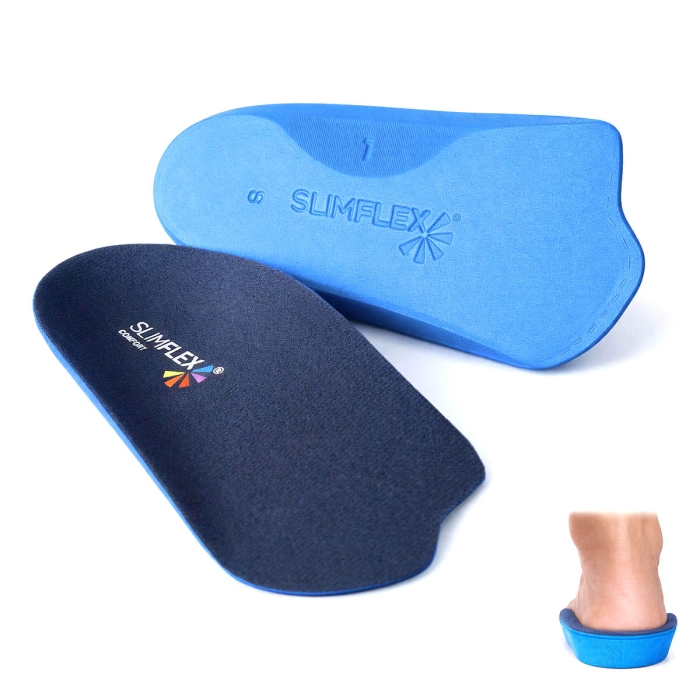
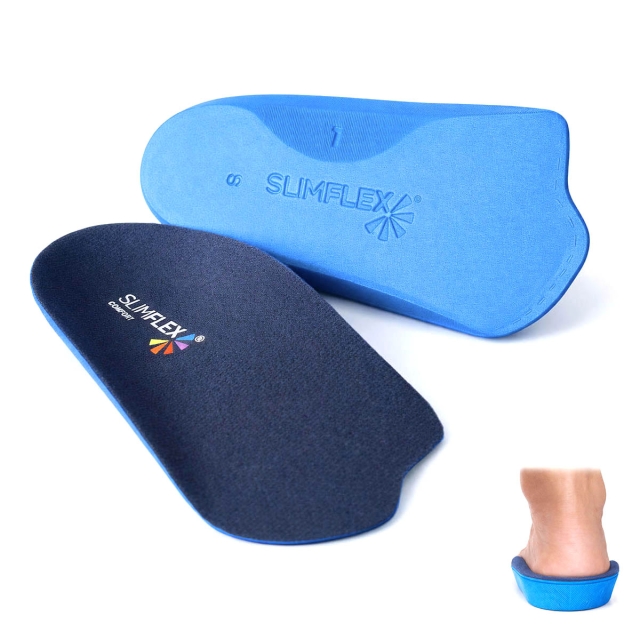
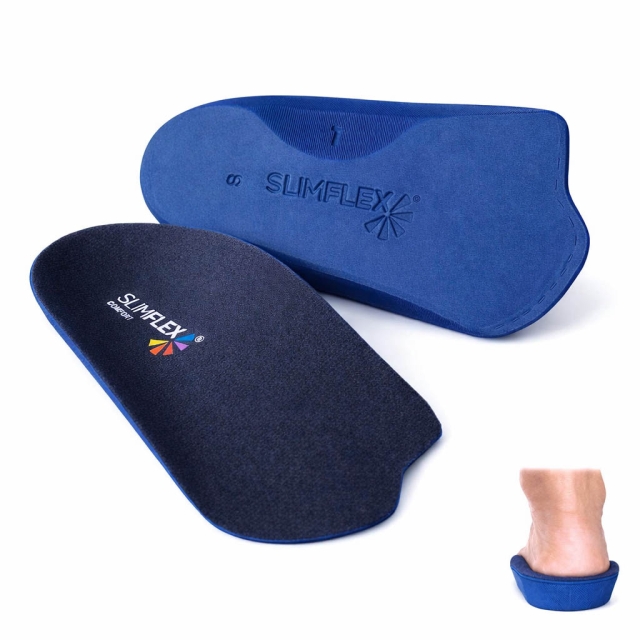
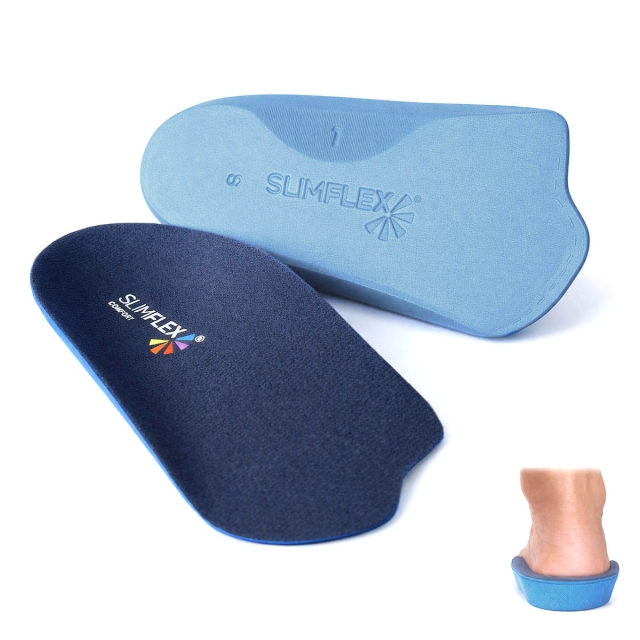
Slimflex Comfort 3/4 Length Orthotic Insoles
Best for: everyday plantar fasciitis support, mild to moderate heel pain and shoes where full-length insoles may take up too much room.
Slimflex Comfort 3/4 Length insoles are a practical first-choice option for people who need arch support, heel control and comfort in everyday footwear.
Why choose them: good all-round support with easier fit in many shoe types.
Not ideal for: users who need full-length cushioning under the forefoot.
View Slimflex Comfort 3/4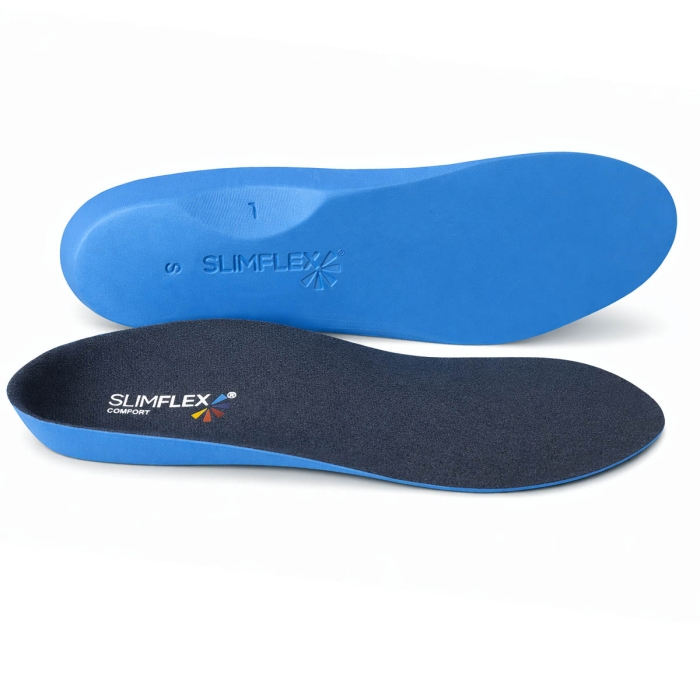
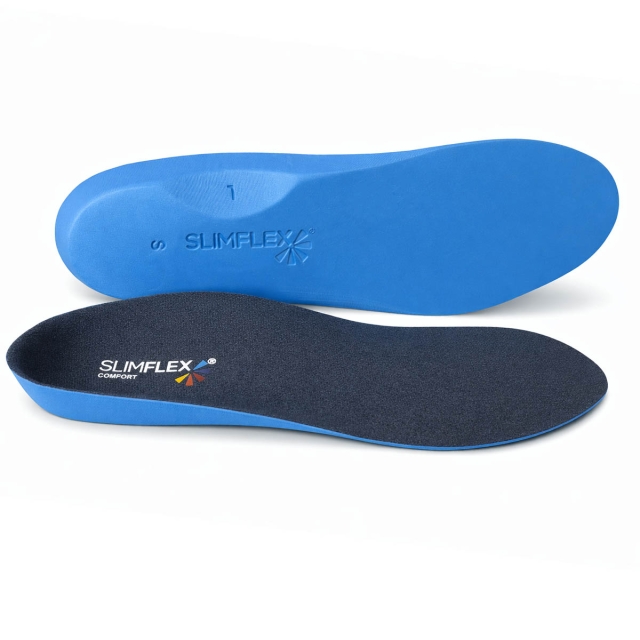
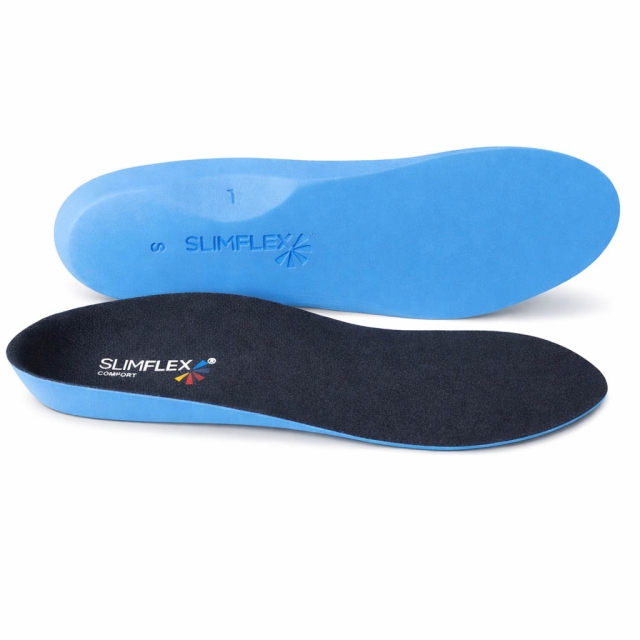
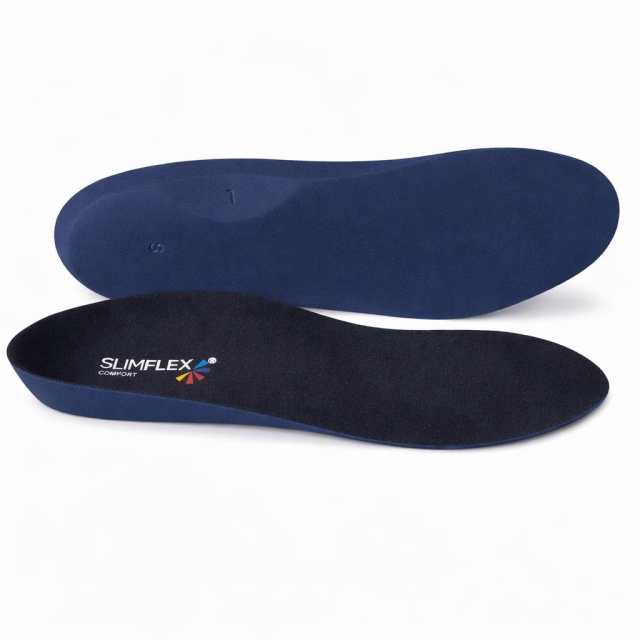
Slimflex Comfort Medium Density Full Length Insoles
Best for: people who want full-length support, cushioning and comfort across the whole foot.
The full-length Comfort option is useful when support is needed from heel to forefoot. It suits trainers, work shoes and footwear with enough internal space for a full orthotic insole.
Why choose them: balanced support and comfort for daily use.
Not ideal for: tight-fitting or low-volume shoes.
View Slimflex Comfort Full Length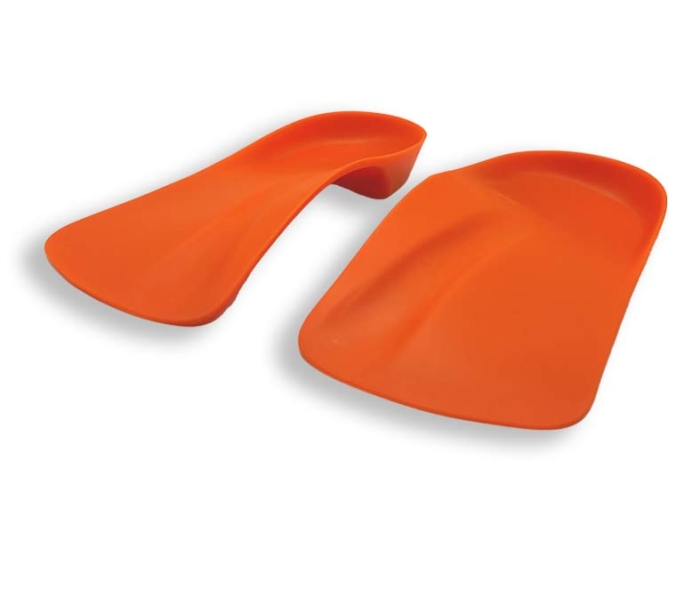
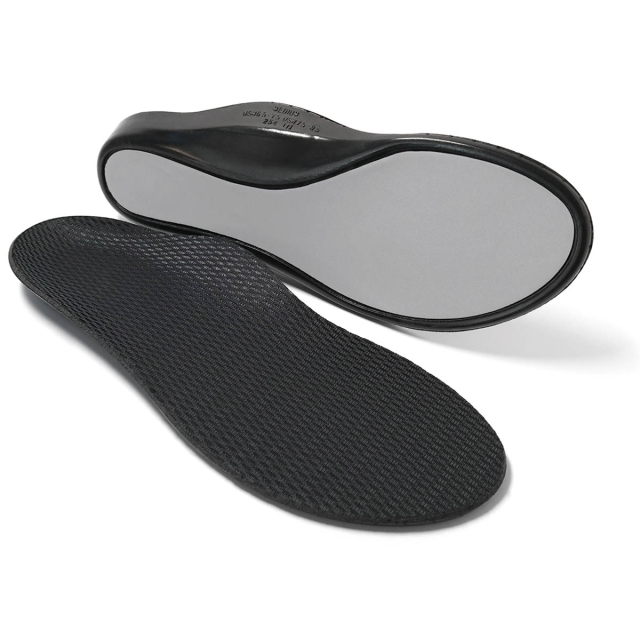
Interpod Flex Foot Orthotics with Heel Cup
Best for: people who need a more professional prefabricated orthotic with functional support and heel stability.
Interpod Foot Orthotics are positioned as professional-choice prefabricated orthotics, offering an off-the-shelf alternative to custom-made devices for suitable users.
Why choose them: stronger orthotic control and heel cup support.
Not ideal for: very sensitive feet or users who only need simple cushioning.
View Interpod Flex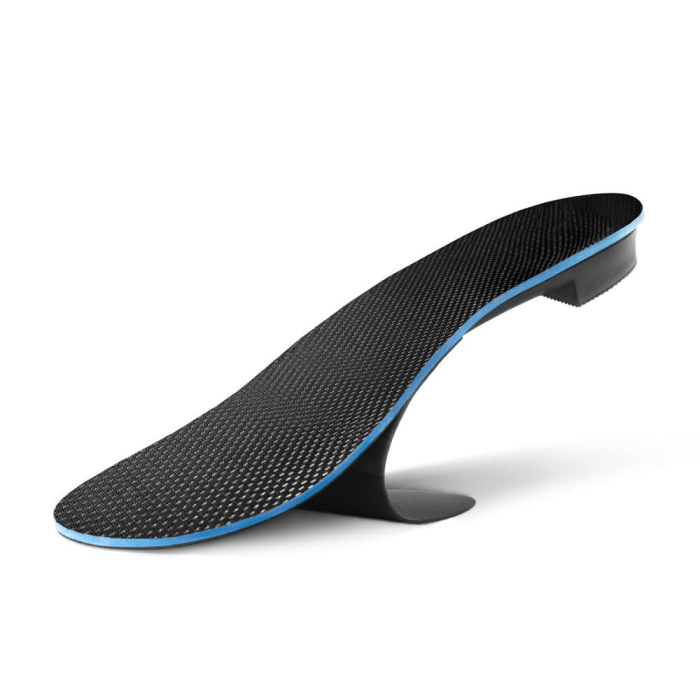
Podotech Stars Sirius Semi-Bespoke Orthotic Insoles
Best for: users who want a more customisable orthotic option for plantar fasciitis, overpronation, flat feet, metatarsalgia or general foot fatigue.
Podotech Stars Sirius insoles can be used as a reliable supportive insole and may also be adapted by clinicians where extra modification is needed.
Why choose them: a more advanced option when standard insoles feel too basic.
Not ideal for: users who only need a low-cost everyday insole.
View Podotech Stars Sirius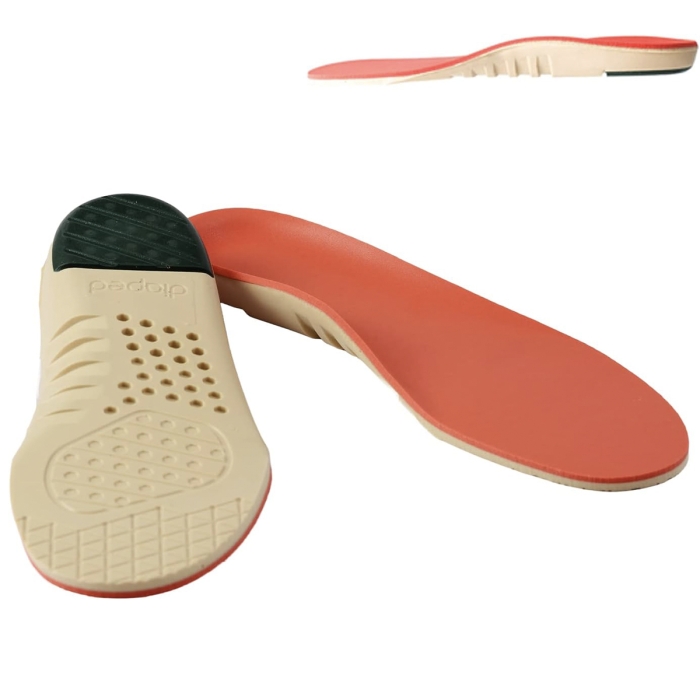
Duosoft Plus Advanced Memory Foam Diabetic Insoles
Best for: delicate feet, sensitive feet, diabetes, arthritis, neuropathy, foot deformity or users who find firm orthotics uncomfortable.
Duosoft Plus insoles are made from two types of memory foam and are designed for people who need a soft, protective footbed to help reduce calluses, blisters and friction.
Why choose them: soft cushioning and comfort for vulnerable feet.
Not ideal for: users who need firm pronation control or maximum arch correction.
View Duosoft Plus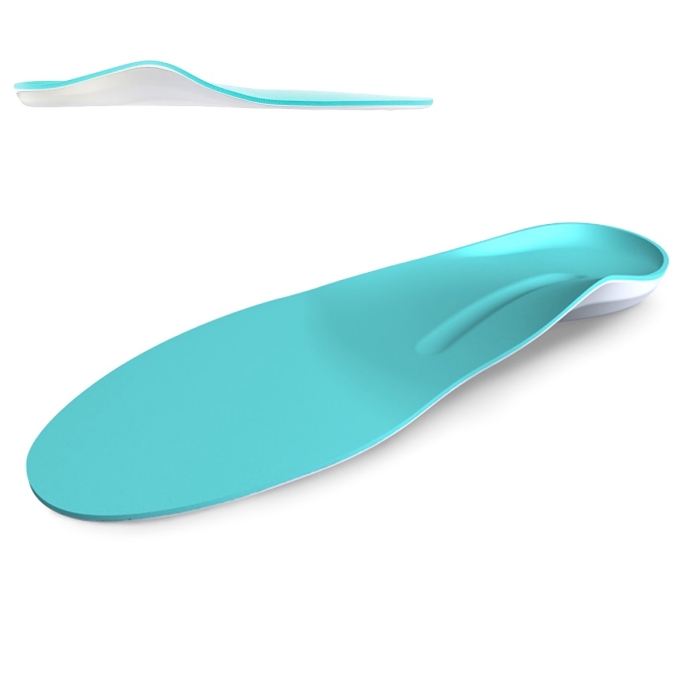
Interpod Diabetic Foot Orthotics
Best for: people who need both pressure redistribution and a supportive orthotic structure.
Interpod Diabetic Foot Orthotics combine a supportive polyurethane base with a PORON 96 top cover to help absorb shock, redistribute pressure and support foot function.
Why choose them: combines diabetic-foot cushioning with orthotic support.
Not ideal for: people with active wounds or high-risk diabetic foot problems unless advised by a clinician.
View Interpod Diabetic Orthotics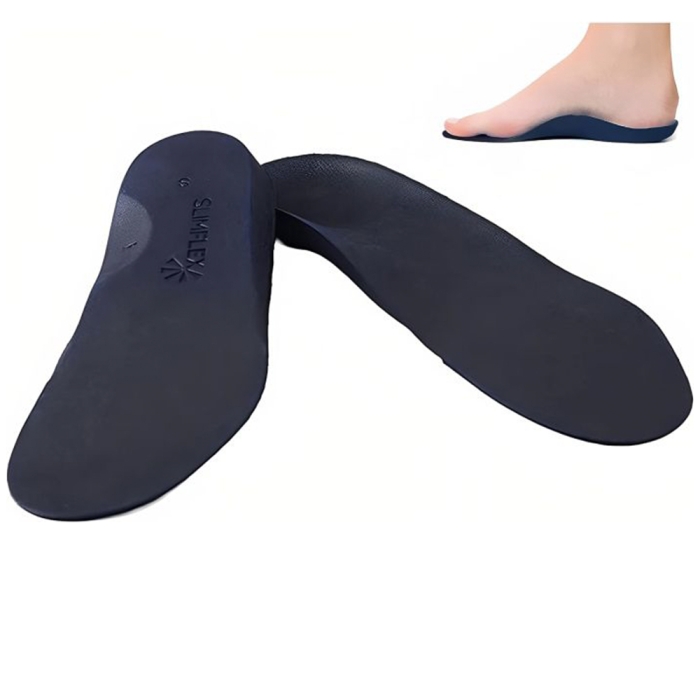
Slimflex Simple HD Orthotic Insoles
Best for: runners, gym users, sports footwear and very active people who need more robust support.
Slimflex Simple HD Insoles are high-density full-length orthotics designed for plantar pain and harder-wearing users. Their firmer structure makes them suitable where greater control and durability are needed.
Why choose them: firm high-density support for repeated impact and demanding use.
Not ideal for: very sensitive feet or users who prefer a soft cushioning feel.
View Simple HD Full Length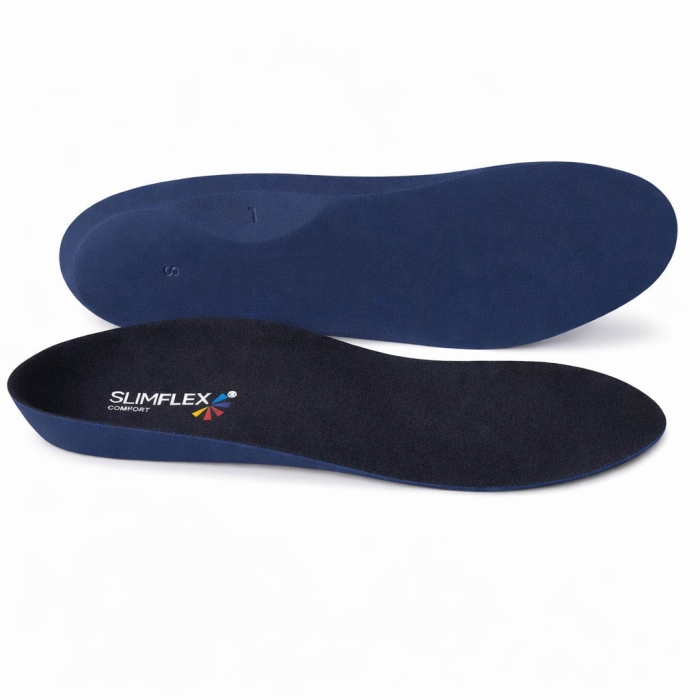
Slimflex Comfort High Density Insoles
Best for: heavier wearers, highly pronated feet, flatter feet and people needing stronger control.
Slimflex Comfort High Density Insoles provide firm support for people who need stronger foot control, arch support and rearfoot stability in everyday footwear.
Why choose them: stronger control for people who compress softer insoles too quickly.
Not ideal for: delicate feet or users who cannot tolerate firm orthotic support.
View High Density Comfort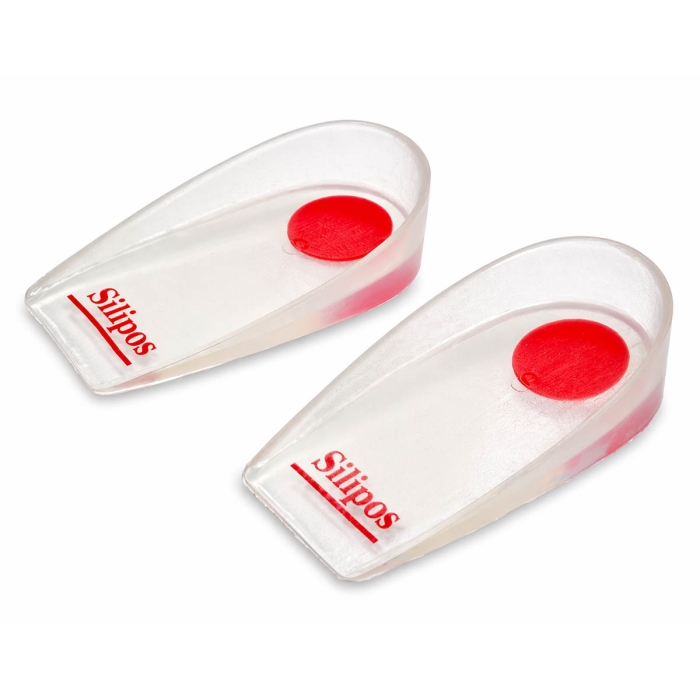
Silipos WonderCup Silicone Gel Heel Cup
Best for: heel pain, plantar fasciitis, Achilles tendonitis and impact-related heel discomfort.
The Silipos WonderCup is a dual-density silicone gel heel cup designed to provide heel support, cushioning and shock absorption.
Why choose it: targeted heel cushioning that can be used where full orthotic control is not the main requirement.
Not ideal for: users who need full arch support or full-length pressure redistribution.
View Silipos WonderCup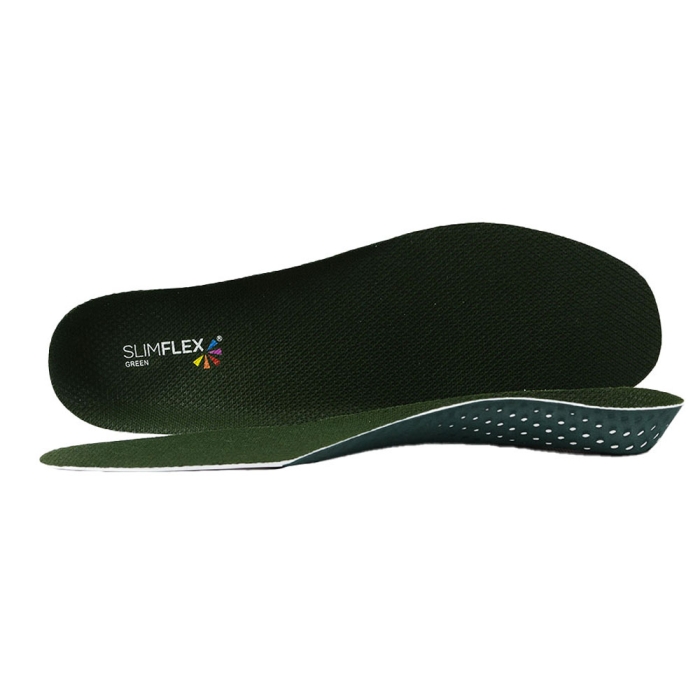
Slimflex Green Orthotic Insoles
Best for: everyday shoes, trainers, mild support needs and users who want a cost-effective orthotic option.
Slimflex Green Insoles provide cushioning with mild functional control. They are useful for people who want to support multiple pairs of shoes without repeatedly moving one pair of insoles around.
Why choose them: a practical value option for everyday use and mild support.
Not ideal for: severe plantar fasciitis, heavier users or cases requiring firm biomechanical control.
View Slimflex Green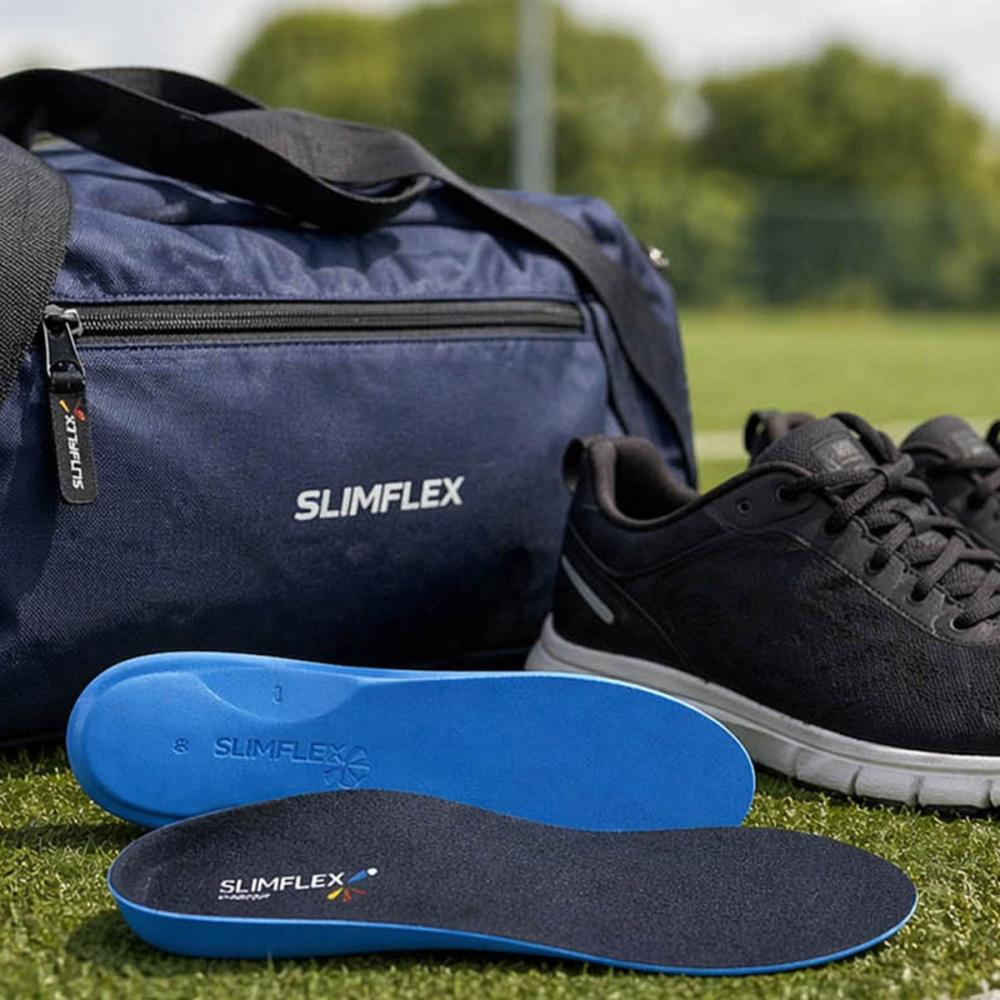
Algeos Orthotic Insoles Range
Best for: comparing different orthotic options by brand, density, length, support level and clinical need.
Algeos supplies a wide range of orthotic insoles, including options for plantar fasciitis, heel pain, sport, diabetic footcare, flat feet, high arches and everyday fatigue.
Why choose it: the best starting point if you want to compare Slimflex, Interpod, Podotech, Diaped and Silipos options.
Not ideal for: users who need a single quick recommendation without comparing products.
View Full Orthotic Insoles RangeComparison Table: Which Insole Is Right for You?
| Product / Type | Best For | Support Level | Cushioning | Footwear Fit | Clinical Notes |
|---|---|---|---|---|---|
| Slimflex Comfort 3/4 Length | Everyday plantar fasciitis and heel pain support | Medium | Good under heel | Many everyday shoes, trainers and work shoes | Good first-choice option where full-length cushioning is not essential. |
| Slimflex Comfort Full Length | Full-length everyday comfort and support | Medium | Good across the foot | Trainers, work shoes and footwear with removable liners | Useful when support and cushioning are needed from heel to forefoot. |
| Interpod Flex Orthotics | Professional prefabricated orthotic support | Medium to high | Moderate | Supportive shoes and trainers | Better where stronger heel cup control and orthotic function are needed. |
| Podotech Stars Sirius | Semi-bespoke support, overpronation and more advanced fitting | Adaptable | Moderate to good | Supportive footwear with adequate depth | Useful when customisable support is preferred over a basic off-the-shelf insole. |
| Duosoft Plus | Delicate, arthritic, neuropathic or generally sensitive feet | Low | Very soft | Roomier shoes and diabetic-friendly footwear | Best where pressure relief and comfort matter more than firm control. |
| Interpod Diabetic Foot Orthotics | Diabetic foot support and pressure redistribution | Moderate | High shock absorption | Diabetic-friendly shoes and supportive footwear | Combines an orthotic base with PORON cushioning for diabetic foot concerns. |
| Slimflex Simple HD | Sports, runners and active users | High | Moderate | Trainers, running shoes and sports footwear | Robust high-density support for repeated impact and active use. |
| Slimflex Comfort High Density | Heavier wearers, flat feet and highly pronated feet | High | Moderate | Roomier shoes, trainers and work footwear | Useful where firmer control is more important than softness. |
| Silipos WonderCup | Heel cushioning, heel spurs and impact-related heel pain | Heel-focused | High under heel | Most footwear with enough heel space | Good add-on where heel cushioning is the main priority. |
| Slimflex Green | Value option, mild support and multi-shoe use | Mild to moderate | Moderate | Everyday shoes, casual footwear and trainers | Good for lower-cost everyday support, but not maximum control. |
| Custom Orthoses | Complex, persistent or professionally assessed cases | Tailored | Tailored | Depends on prescription and footwear | Consider when off-the-shelf options are not enough. |
Clinical Insight: What Podiatrists Look for in Plantar Fasciitis Insoles
From a podiatry perspective, plantar fasciitis is rarely just a cushioning problem. It is often linked to tissue load, calf tightness, footwear, activity levels and the way the foot moves during walking.
Clinicians often look for a combination of medial arch support, rearfoot stability, appropriate heel cushioning, a secure footwear fit and patient tolerance. An insole that is technically supportive but too uncomfortable to wear is unlikely to help, because regular use matters.
For sensitive or diabetic feet, the priority may shift towards pressure redistribution, friction reduction and skin protection. For sports users or heavier wearers, durability and resistance to compression become more important.
Insoles usually work best as part of a wider plan that may include calf stretching, plantar fascia stretching, footwear changes, gradual activity modification and professional assessment where symptoms persist.
When Are Insoles Not Enough?
Insoles can be useful, but they are not a magic fix. You should seek professional advice if pain is severe, symptoms do not improve, heel pain follows an injury, or pain is associated with numbness, swelling, redness, wounds or systemic symptoms.
People with diabetes, reduced sensation, poor circulation, inflammatory arthritis or complex foot problems should avoid relying only on self-treatment. A podiatrist or healthcare professional can help assess whether off-the-shelf insoles, semi-bespoke orthotics, diabetic insoles or custom orthoses are most appropriate.
FAQs About Plantar Fasciitis Insoles
Do insoles cure plantar fasciitis?
No. Insoles do not cure plantar fasciitis on their own, but they can reduce strain, improve comfort and support recovery when used alongside stretching, footwear changes and sensible activity management.
Are firm or soft insoles better for plantar fasciitis?
Many people need both support and cushioning. A very soft insole may feel comfortable but may not provide enough arch support. A very firm insole may provide control but feel uncomfortable. The best option is usually supportive, cushioned and well fitted to the shoe.
Which insoles are best for delicate or sensitive feet?
People with delicate, arthritic, diabetic or generally sensitive feet may prefer soft pressure-relieving insoles such as Duosoft or diabetic insole options. Firm orthotics may be too rigid for some users unless advised by a clinician.
Which insoles are best for sports?
Sports users usually need a more durable insole with good heel stability and firmer support. High-density orthotics, such as Slimflex Simple HD, are often better suited to repeated impact, running, gym use and harder-wearing activity.
Which insoles are best for heavier wearers?
Heavier wearers often benefit from high-density EVA insoles because they provide firmer control and resist compression better than softer materials. The right option should still feel comfortable and fit properly inside the shoe.
Are diabetic insoles suitable for plantar fasciitis?
Diabetic insoles can help with cushioning, pressure redistribution and foot protection, but they may not always provide the same level of arch control as a functional orthotic. People with diabetes, reduced sensation or vulnerable skin should seek professional advice before changing insoles.
Can heel cups help plantar fasciitis?
Heel cups can help cushion impact and reduce heel pressure, especially when pain is focused directly under the heel. However, they usually provide less arch support than full orthotic insoles.
Can I use plantar fasciitis insoles in running shoes?
Yes, provided the shoes have enough internal space and the insole does not make the fit too tight. Running shoes usually work well with full-length insoles because they often have removable liners.
How long should I wear insoles each day?
Most people benefit from wearing insoles during weight-bearing activity, especially when walking, standing or working. Some users may need to build up wear time gradually over several days.
How long do plantar fasciitis insoles last?
This depends on the material, body weight, activity level and frequency of use. Daily-use insoles should be replaced when they lose cushioning, flatten, crack, become uncomfortable or no longer provide effective support.
Are expensive insoles always better?
No. Fit, support level, comfort and suitability for your foot type matter more than price alone. Some people do well with an off-the-shelf orthotic, while others need professional assessment or custom orthoses.
When should I see a podiatrist?
See a podiatrist or healthcare professional if heel pain lasts more than a few weeks, keeps returning, affects daily activity, or is associated with diabetes, numbness, swelling, injury or other concerning symptoms.
Compare Orthotic Insoles for Heel Pain
Browse the Algeos orthotic insole range for options designed to support common foot problems including plantar fasciitis, flat feet, heel pain, diabetic foot concerns, sports use and arch discomfort.
Shop Orthotic InsolesReferences and Further Reading
- NHS: Plantar fasciitis
- NICE CKS: Plantar fasciitis
- British Journal of Sports Medicine: Foot orthoses for plantar heel pain, systematic review and meta-analysis
- Algeos: Orthotic Insoles Range
- Algeos: Plantar Fasciitis Insoles
- Algeos: Interpod Foot Orthotics
- Algeos: Podotech Foot Orthotics
- Algeos: Diabetic Insoles
- Algeos: Silicone Gel Insoles

About the Author
Marc Cameron has over 25 years of experience in health-related product development, with specialist knowledge across orthotic therapy, podiatry products and medical supply. His work includes developing and managing healthcare product ranges for professional and consumer markets across the UK, Europe, Australia and the Middle East.
Content note: This article is for general information only and does not replace professional medical advice.
Sold: Sold per Pair
Incl. VAT Exl. VAT