





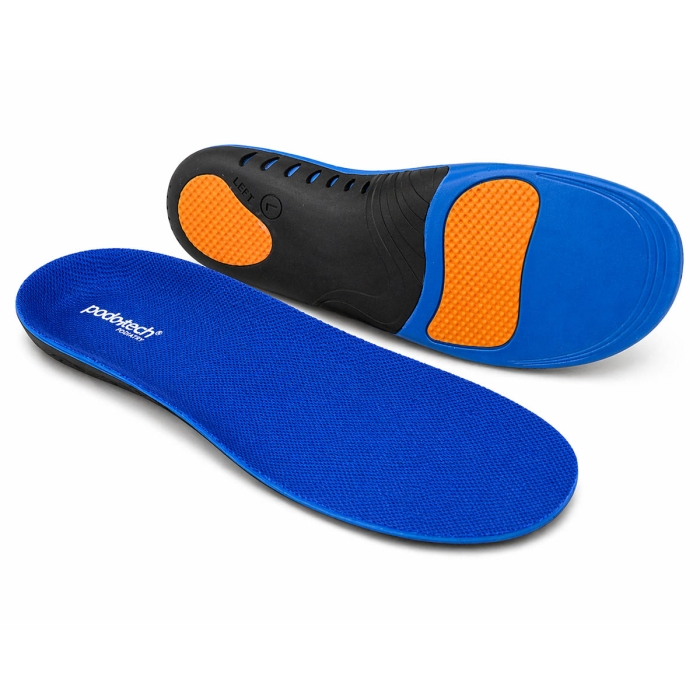
FasciaFix Insoles for Plantar Fasciitis and Arch Support
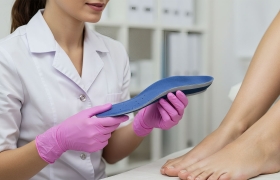
FasciaFix Plantar Fasciitis insoles are designed to provide effective relief from plantar fasciitis - a common cause of heel pain.
These orthotic insoles offer targeted arch support and heel cushioning, which help to distribute pressure evenly across the foot - reducing strain on the plantar fascia and promoting healing.
By improving foot alignment and absorbing shock, they alleviate discomfort and enhance walking comfort.
Private practice customers: If you would like to stock FasciaFix as a 1st line off-the-shelf device, please contact us for volume breaks.
Sold: Sold per Pair
Incl. VAT Exl. VAT
Product Description
Arch Support, Heel Cushioning and Everyday Heel Pain Relief
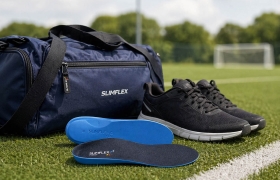
FasciaFix are ready-to-wear orthotic insoles designed to support the arch, cushion the heel and improve overall foot alignment where plantar fasciitis-style pain is making daily movement uncomfortable.
They are built to reduce strain through the sole of the foot while making standing, walking and sport feel more supported.
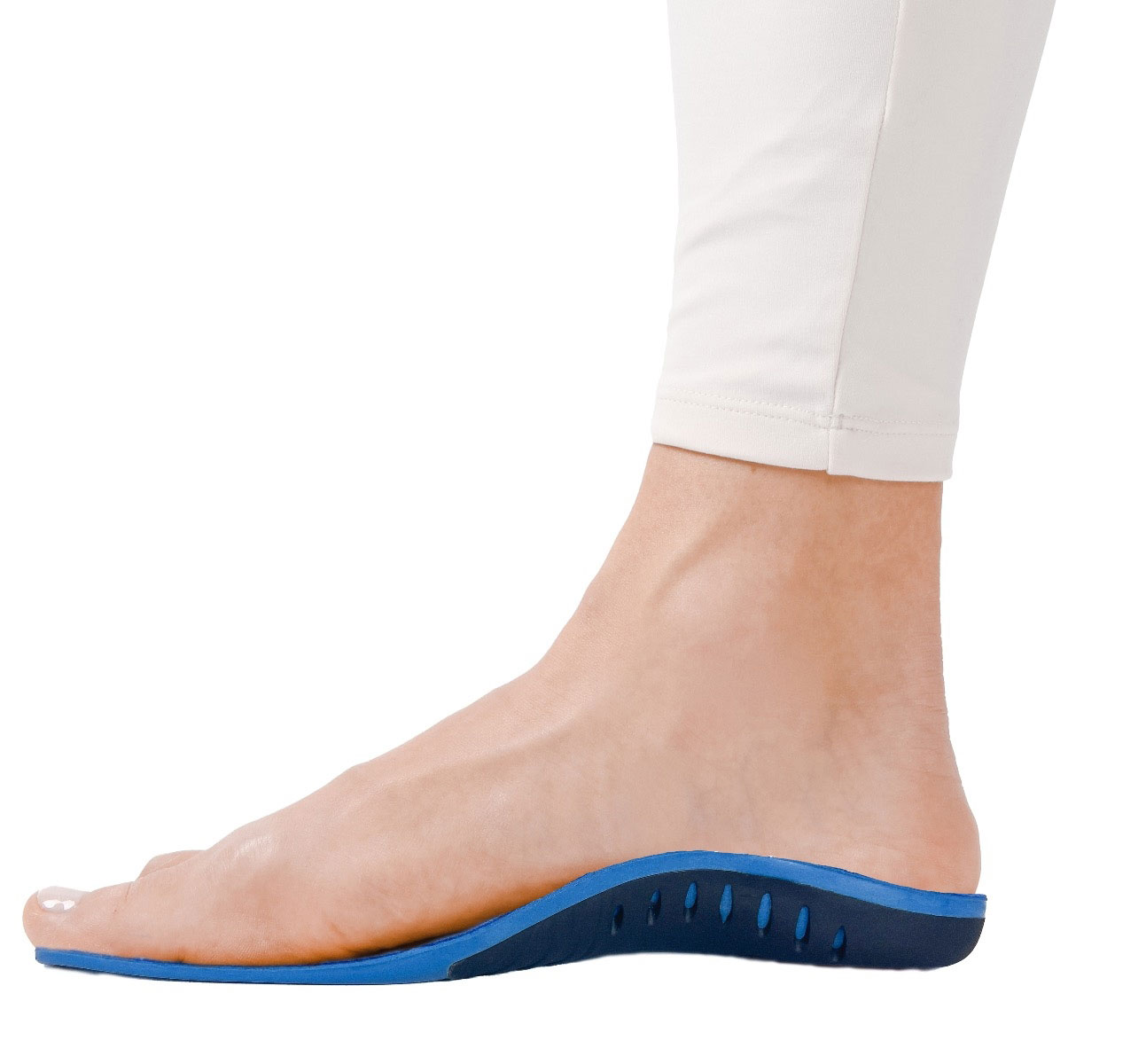
With reinforced arch support and a shock-absorbing PU heel pad, these insoles are a practical option for people who want more structure than a soft comfort insole - without moving straight to a fully bespoke device.
Key Selling Points
- Targeted support for plantar fasciitis-style arch and heel pain
- Reinforced arch support helps control excess foot movement
- Shock-absorbing PU heel pad helps soften impact under the heel
- Designed to redistribute pressure across the foot for daily comfort
- Suitable for work, walking, commuting and many sporting activities
- Ready-to-wear design for people who want structured support without a custom orthotic
What It Does and How It Works
These insoles are designed to support the areas of the foot that commonly need help in plantar fasciitis and heel-pain patterns: the arch, the heel and the overall position of the foot during stance and gait.
The reinforced arch profile helps guide the foot into a more controlled position, which can reduce repeated strain through the plantar fascia.
The heel area includes a shock-absorbing PU pad to help reduce impact under the heel during walking and standing.
Together - the support structure and cushioning elements aim to improve comfort, support alignment and make everyday movement feel less aggravating.
Common Problems It May Help With
- Plantar fasciitis-style heel pain
- Arch pain linked to overload through the plantar fascia
- Heel discomfort from long periods on your feet
- Foot fatigue during work, walking or everyday activity
- Overpronation and flat feet where more structured support is needed
- Repeated impact discomfort where heel cushioning is helpful
Understanding Plantar Fasciitis
Plantar fasciitis is a very common cause of heel pain. It develops when the plantar fascia, the thick band of tissue linking the heel bone to the toes, becomes irritated, overstretched and pretty painful.
One common contributing factor is overpronation - where the foot rolls inward too much - increasing repetitive strain on the plantar fascia and aggravating heel discomfort.
Arch-support insoles are a widely used clinical intervention to help reduce stress on the plantar fascia and improve foot biomechanics, as reflected in current guidance from NICE CKS.
Beware: Soft, non-supportive insoles are unlikely to provide the structure needed to manage symptoms effectively.
Applications and Suitability
These insoles are suited to people who want structured arch support with heel cushioning in a ready-to-wear format. They are commonly used by people managing plantar fasciitis symptoms, by workers who spend long hours standing, and by active users who want more support and shock absorption inside everyday or sports footwear.
- Everyday walking and commuting
- Long shifts in retail, healthcare, hospitality and warehouse settings
- Training and sport where support and shock absorption are useful
- People with flat feet or overpronation who prefer controlled support
- Users wanting an accessible option before considering custom orthoses
Who It May Not Suit
These insoles are not the best choice for every foot type or every shoe. They may be less suitable where footwear has very limited internal depth, where the foot shape is highly complex, or where symptoms are worsening quickly and need clinical assessment rather than a retail insole alone.
- Shoes with very limited internal space
- Severe foot deformity requiring custom orthoses
- Users who only want very soft cushioning without structured arch support
- Unresolved pain that is worsening rapidly or not responding to basic support measures
Product Specifications
| Product type | Ready-to-wear orthotic insoles |
|---|---|
| Primary indication | Plantar fasciitis-style arch and heel pain, heel discomfort and arch support needs |
| Support profile | Reinforced arch support for controlled support |
| Heel cushioning | Shock-absorbing PU heel pad |
| Pressure management | Designed to redistribute pressure across the foot |
| Fit | Varies by size option |
| Left / right | Pair supplied for left and right feet |
| Trim-to-fit | Varies by option; check pack labelling |
| Materials | Orthotic support structure with cushioning elements and PU heel pad |
| Care | Wipe with a damp cloth and air dry away from direct heat. Do not machine wash. |
| Pack contents | 1 pair of insoles |
Usage Instructions
- Choose footwear with a stable heel counter and enough depth to accommodate an insole comfortably.
- Remove the existing liner first if the shoe has a removable insole, as this usually improves fit.
- Place the insole fully into the shoe so the heel sits securely at the back.
- Check the fit while standing. The arch should feel supportive, not harsh, and the toes should still have room.
- Begin with 1 to 2 hours a day and increase wear gradually over 1 to 2 weeks as your feet adapt.
- Use them during the activities that usually trigger symptoms, such as long shifts, walking or exercise.
Benefits
- Helps reduce strain through the plantar fascia during standing and walking
- Supports the arch in a more controlled way than a simple soft insole
- Helps cushion the heel where impact and pressure are often highest
- Can improve comfort in daily footwear when heel and arch pain are limiting activity
- Offers a practical bridge between basic cushioning insoles and more specialist orthotic solutions
- May help make work, walking and sport feel more manageable when symptoms are load-related
Contraindications & Warnings
Structured insoles should feel supportive, but they should not create sharp pressure, rubbing or worsening symptoms. Persistent or escalating pain should always be assessed properly, especially if symptoms are severe, changing quickly or affecting normal walking.
- Introduce gradually rather than wearing all day immediately
- Very flexible, shallow or worn-out shoes can reduce comfort and performance
- If the arch feels too aggressive at first, reduce wear time and build up more slowly
- If you feel pressure points, check positioning and shoe fit before continuing
- Seek professional advice if pain persists, worsens or is severe
- Insoles can help manage symptoms, but they are not a standalone cure
FAQs
What are FasciaFix insoles used for?
They are used to support the arch, cushion the heel and reduce strain through the sole of the foot where plantar fasciitis-style symptoms are making movement uncomfortable. They are especially relevant for heel pain, arch discomfort and support needs linked to standing, walking and everyday activity.
They are designed as ready-to-wear orthotic insoles rather than simple soft comfort inserts. That means they aim to guide foot position as well as add cushioning.
Can they help with plantar fasciitis?
They may help by supporting the arch, improving alignment and reducing repeated stress through the plantar fascia during daily movement. The heel cushioning can also help soften impact under the heel, which is often the most sensitive area.
They are best seen as one part of a broader management plan. Many people also benefit from appropriate footwear, stretching, strengthening and activity modification.
Who are these insoles best suited to?
They are best suited to people with plantar fasciitis-style heel or arch pain, overpronation, flat feet or foot fatigue that becomes worse during standing and walking. They are also a good option for people who want a structured, ready-to-wear insole before considering custom orthoses.
Workers on their feet, commuters and active users often choose this type of support because it balances structure with practical everyday comfort.
Are they just soft comfort insoles?
No. These insoles combine cushioning with reinforced arch support, so they offer more control than a basic soft insert.
This matters because plantar fasciitis-style symptoms often respond better to a combination of support and pressure redistribution rather than cushioning alone.
How long should I wear them each day?
If you are new to orthotic-style support, it is usually best to start with short periods and increase gradually as tolerated. A break-in period helps your feet adapt to the more structured support profile.
Many people choose to wear them during the activities that usually trigger symptoms, such as work shifts, long walks or sport. Consistency is often more useful than occasional wear.
Can I use them for sport and running?
They can be suitable for sport where additional support and shock absorption are helpful, provided the footwear has enough depth and stability. Fit inside the shoe matters, especially in tighter sports footwear.
If symptoms worsen during activity, reduce the load and reassess the shoe and insole combination. Ongoing or worsening pain should be checked by a clinician.
Will they fit in every shoe?
Not always. Like many orthotic insoles, they work best in shoes with enough internal depth and a stable structure.
Very shallow shoes or highly flexible footwear may feel tight or may not allow the insole to sit correctly. Removing the original liner often improves fit.
Will these cure plantar fasciitis?
No insole should be viewed as a guaranteed cure. FasciaFix can help reduce strain and improve comfort, but plantar fasciitis often needs a wider approach that may include footwear changes, stretching, strengthening and load management.
If symptoms are severe, prolonged or worsening, a professional assessment is the best next step. That is particularly important if morning pain is intense or everyday walking is becoming difficult.
Related Links
Product Summary
FasciaFix Plantar Fasciitis Insoles are ready-to-wear orthotic insoles designed to support the arch, cushion the heel and reduce strain through the plantar fascia during standing, walking and sport. With reinforced arch support, a shock-absorbing PU heel pad and pressure-redistributing design, they are suited to people looking for structured everyday relief from plantar fasciitis-style heel and arch pain.
Frequently bought together
Sold: Sold per Pair
Incl. VAT Exl. VAT
Sold: Sold per Pair
Incl. VAT Exl. VAT
Sold: Sold per Pair
Incl. VAT Exl. VATSold: Sold per Pair
Incl. VAT Exl. VAT
Sold: Each
Incl. VAT Exl. VAT
Sold: Each
Incl. VAT Exl. VAT
Sold: Pair
Incl. VAT Exl. VAT
Sold: Kit
Incl. VAT Exl. VAT
Sold: Each
Incl. VAT Exl. VAT
Sold: Pair
Incl. VAT Exl. VAT
Sold: Each
Incl. VAT Exl. VAT
Sold: Sold per Pair
Incl. VAT Exl. VAT
Sold: Sold per Pair
Incl. VAT Exl. VAT
Sold: Each
Incl. VAT Exl. VAT
Sold: Each
Incl. VAT Exl. VAT
Sold: Sold per Pair
Incl. VAT Exl. VAT
Sold: Sold per Pair
Incl. VAT Exl. VAT
Sold: Each
Incl. VAT Exl. VAT
Sold: Sold per Pair
Incl. VAT Exl. VAT
Sold: Sold per Pair
Incl. VAT Exl. VAT
Sold: Each
Incl. VAT Exl. VAT



Sold: Sold per Pair
Incl. VAT Exl. VAT