



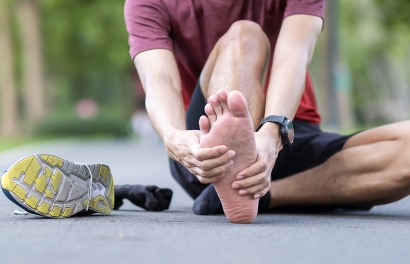
Plantar fasciitis can make the first few steps in the morning feel like walking on a plug - haaa. The good news: a simple routine of stretching, strengthening and gentle rolling exercises can help reduce tension through the plantar fascia, calf and Achilles tendon - the key areas commonly linked with heel and arch pain.
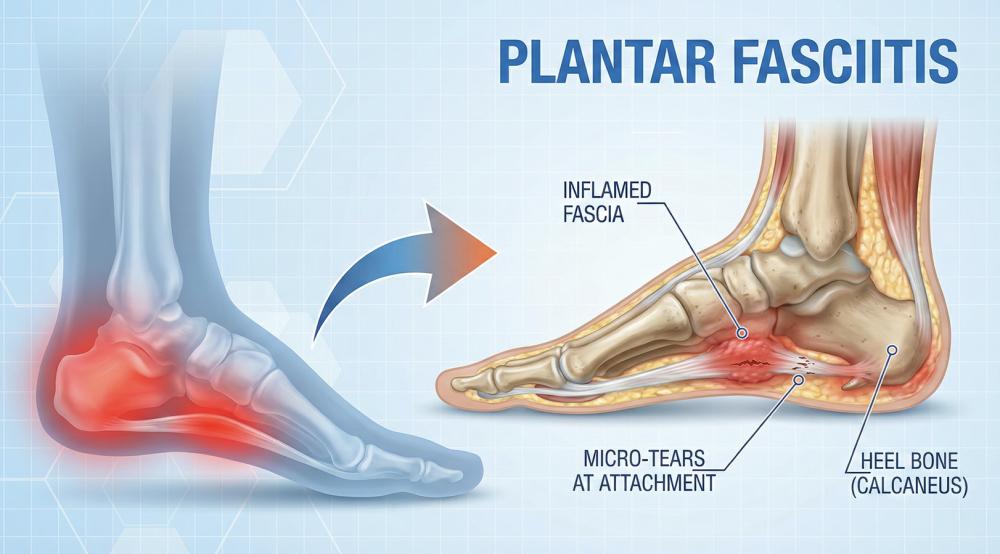
Plantar fasciitis is usually felt as pain under the heel or along the arch of the foot, often worse with the first steps after sleep or after sitting. The plantar fascia is the thick band of tissue running from the heel bone to the base of the toes. When it becomes irritated or overloaded, stretching the arch, calf and Achilles tendon is widely recommended as part of conservative management.
The exercises below are commonly used in physiotherapy, podiatry and orthopaedic rehabilitation for plantar heel pain. They combine direct plantar fascia stretching, calf flexibility work, soft tissue rolling and progressive foot strengthening.
What is plantar fasciitis?
Plantar fasciitis, also called plantar heel pain or plantar fascia pain, is irritation of the strong fibrous band under the foot that connects the heel to the toes. It is often linked with load, footwear, tight calf muscles, sudden changes in activity, prolonged standing, reduced ankle mobility or poor foot strength.
Before you start
These exercises should feel like a mild to moderate stretch or controlled muscle effort - not sharp pain. Stop if symptoms increase significantly, if you have numbness, swelling, bruising, recent injury, diabetes-related foot complications, inflammatory arthritis, or severe pain that does not improve. In those cases, speak to a GP, podiatrist or physiotherapist before continuing.
The 8 best plantar fasciitis exercises
For best results, combine direct plantar fascia stretching with calf stretching, gentle soft tissue rolling and foot-strengthening work. The aim is to reduce morning stiffness, improve foot and ankle mobility and gradually build the strength needed to tolerate daily walking, standing and exercise.
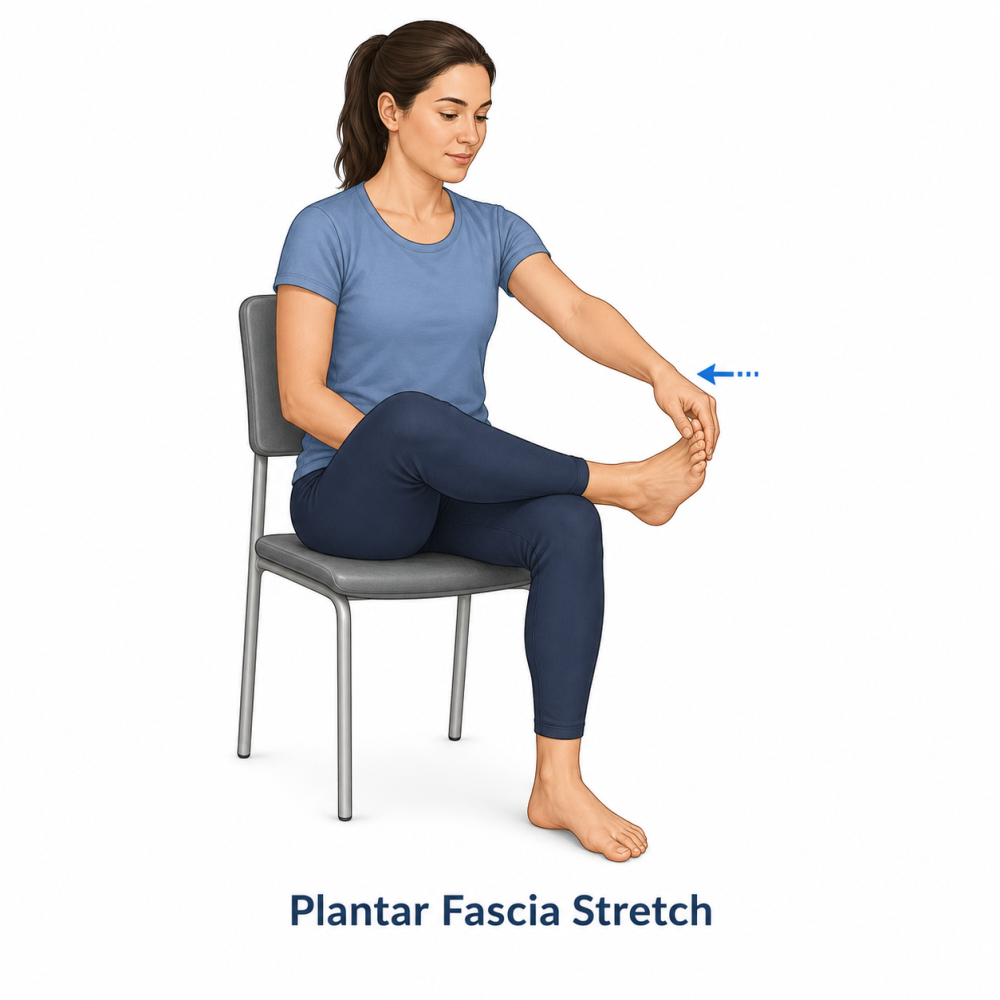
1 Plantar Fascia Stretch
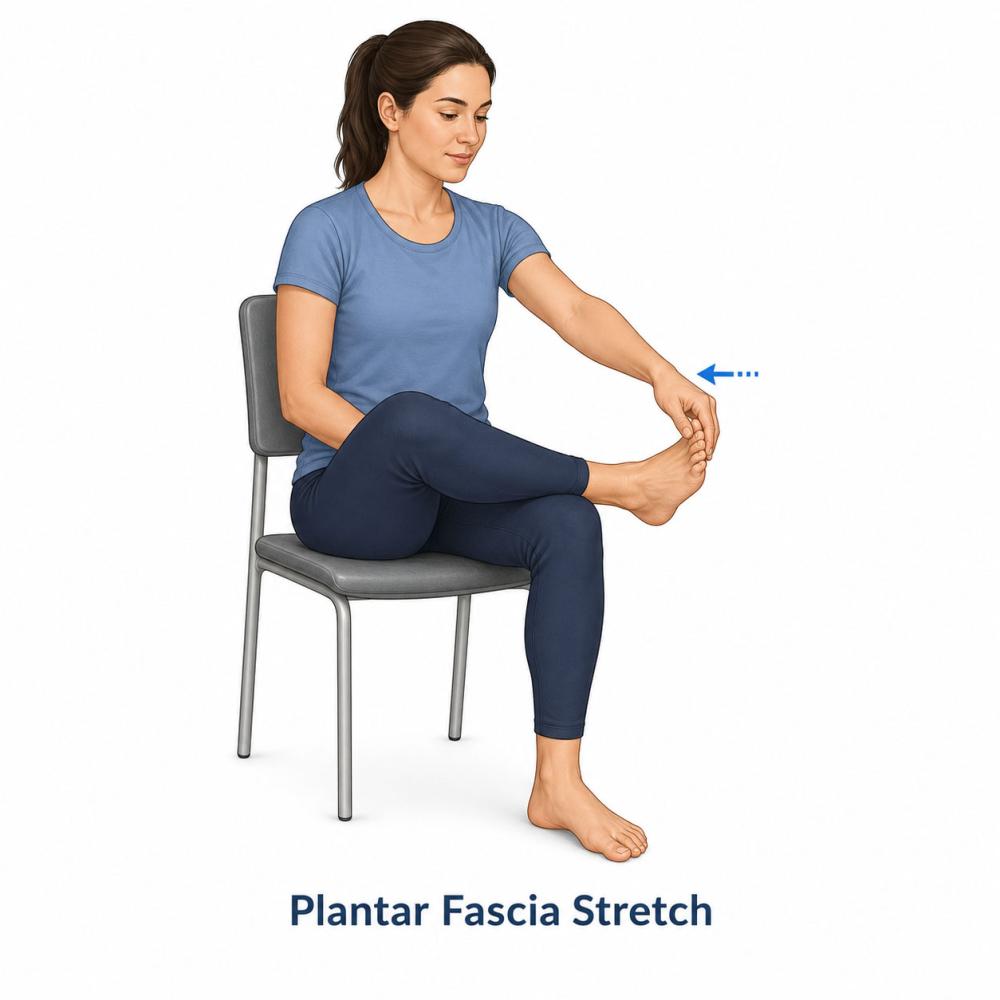
This is one of the most targeted stretches because it directly tensions the plantar fascia under the foot.
- Sit on a chair and cross the affected foot over the opposite knee.
- Hold the base of the toes with your hand.
- Gently pull the toes back toward the shin until you feel a stretch through the arch.
- Massage the arch lightly with your other thumb if comfortable.
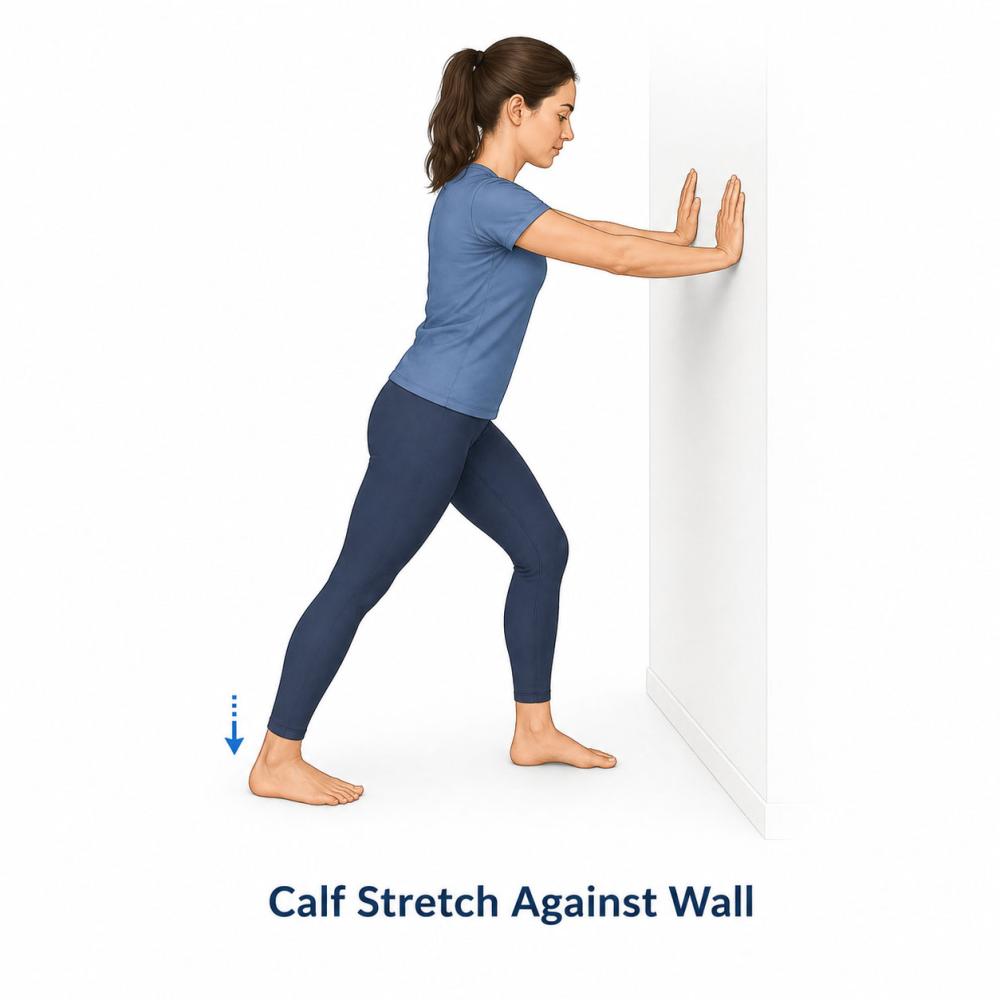
2 Calf Stretch Against Wall
Tight calf muscles can increase strain through the Achilles tendon and plantar fascia. This stretch targets the gastrocnemius, the larger calf muscle.
- Stand facing a wall with both hands on the wall.
- Step the affected leg behind you.
- Keep the back knee straight and the heel flat on the floor.
- Lean forward until you feel a stretch in the upper calf.
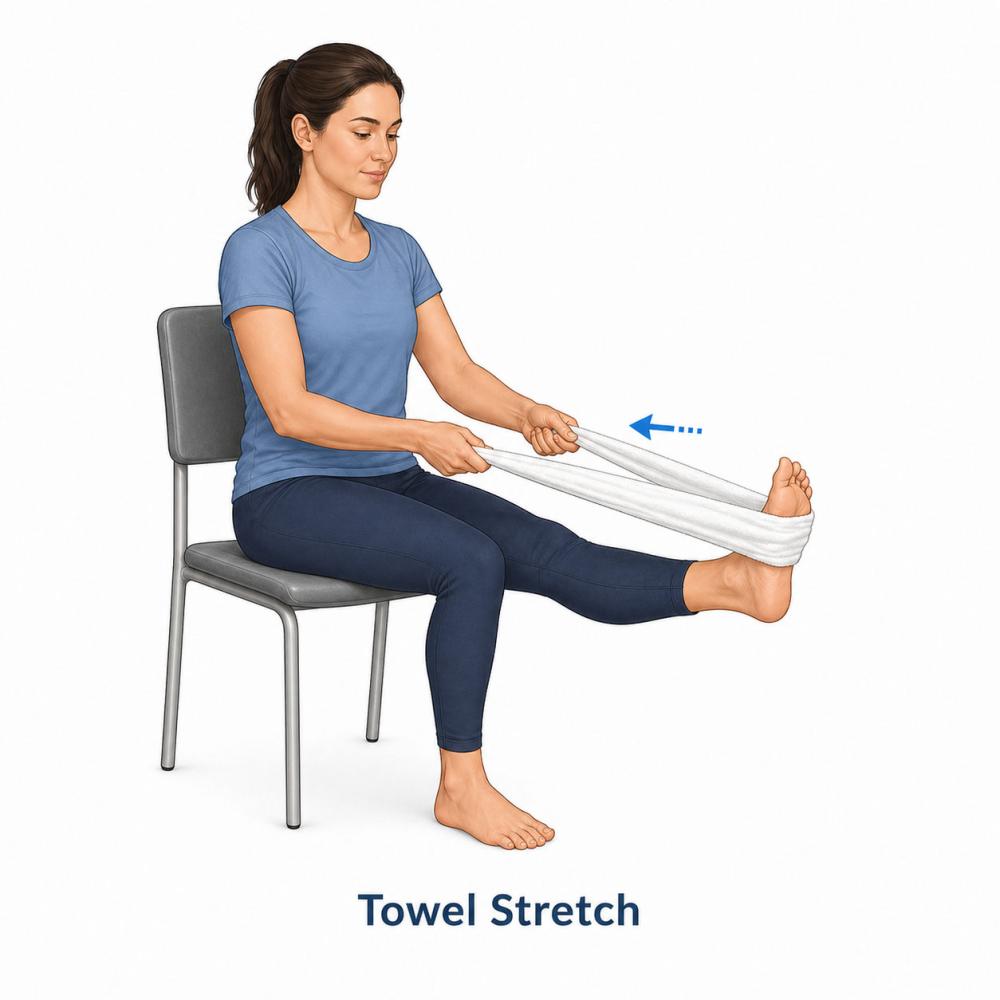
3 Towel Stretch
The towel stretch is useful before getting out of bed, especially if your heel pain is worst during the first few steps of the day.
- Sit with your leg straight in front of you.
- Loop a towel around the ball of the foot.
- Keep the knee straight.
- Gently pull the towel toward you until you feel a stretch through the calf, Achilles and sole of the foot.
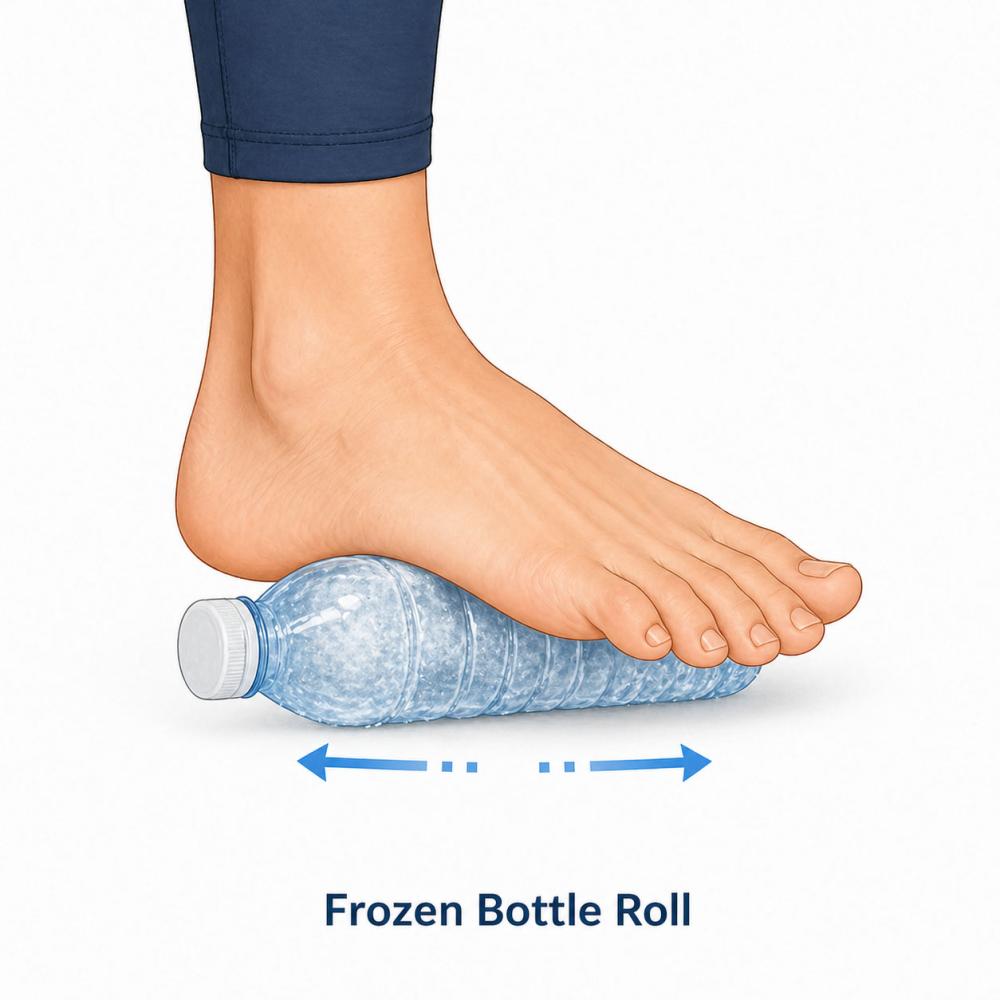
4 Frozen Bottle Roll
This combines gentle massage with cold therapy. It can be especially helpful after a long day on your feet.
- Place a frozen water bottle on the floor.
- Sit down and place the arch of the affected foot on the bottle.
- Roll the bottle from the heel toward the ball of the foot and back again.
- Use light to moderate pressure — do not crush your foot into it.
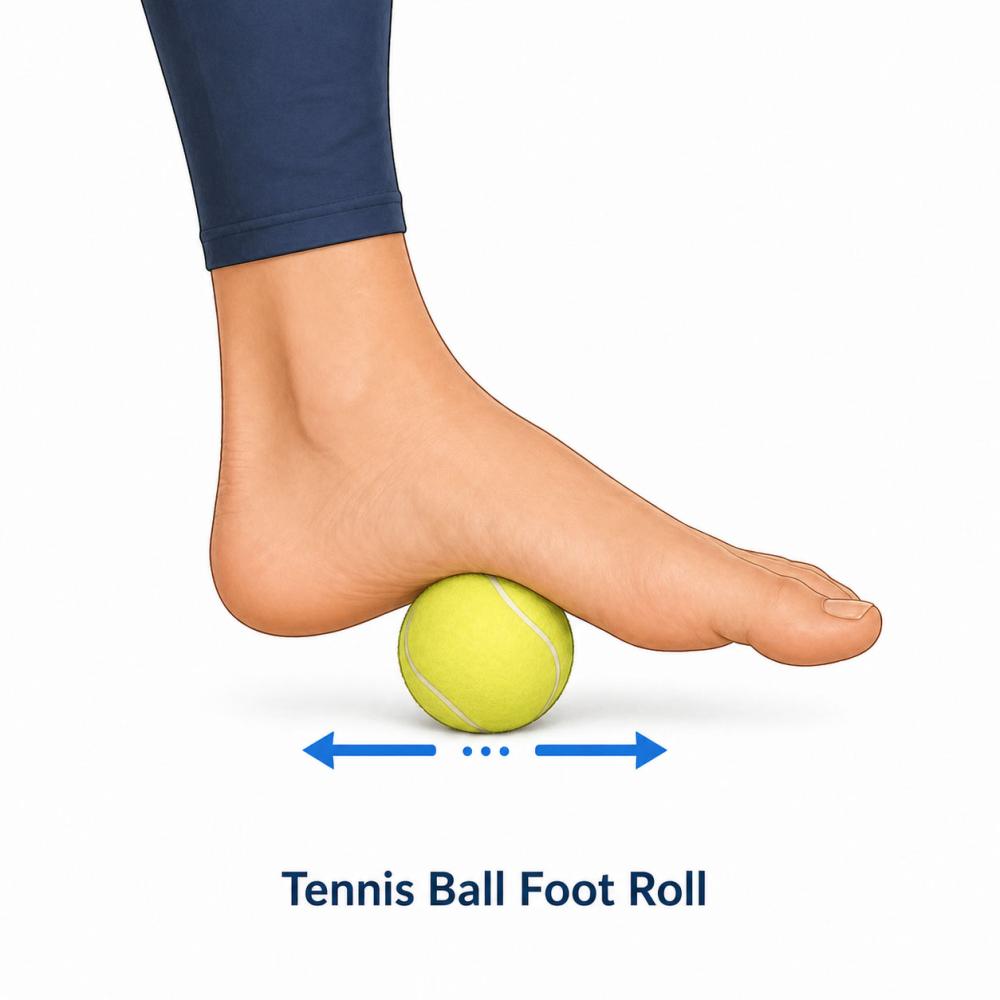
5 Tennis Ball Foot Roll
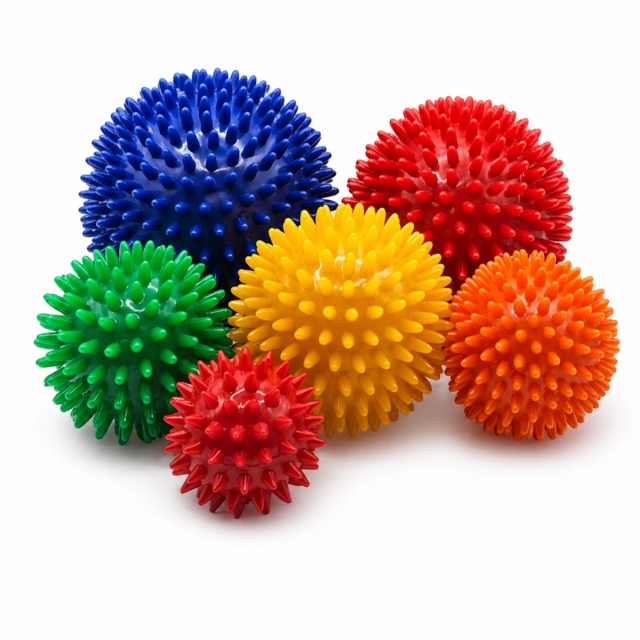
A tennis ball or massage ball can help reduce stiffness through the sole of the foot. This should feel relieving, not bruising.
- Sit on a chair and place a tennis ball under the arch.
- Roll slowly from the heel to the ball of the foot.
- Pause gently on tight spots for a few seconds.
- Avoid pressing directly into severe pain.
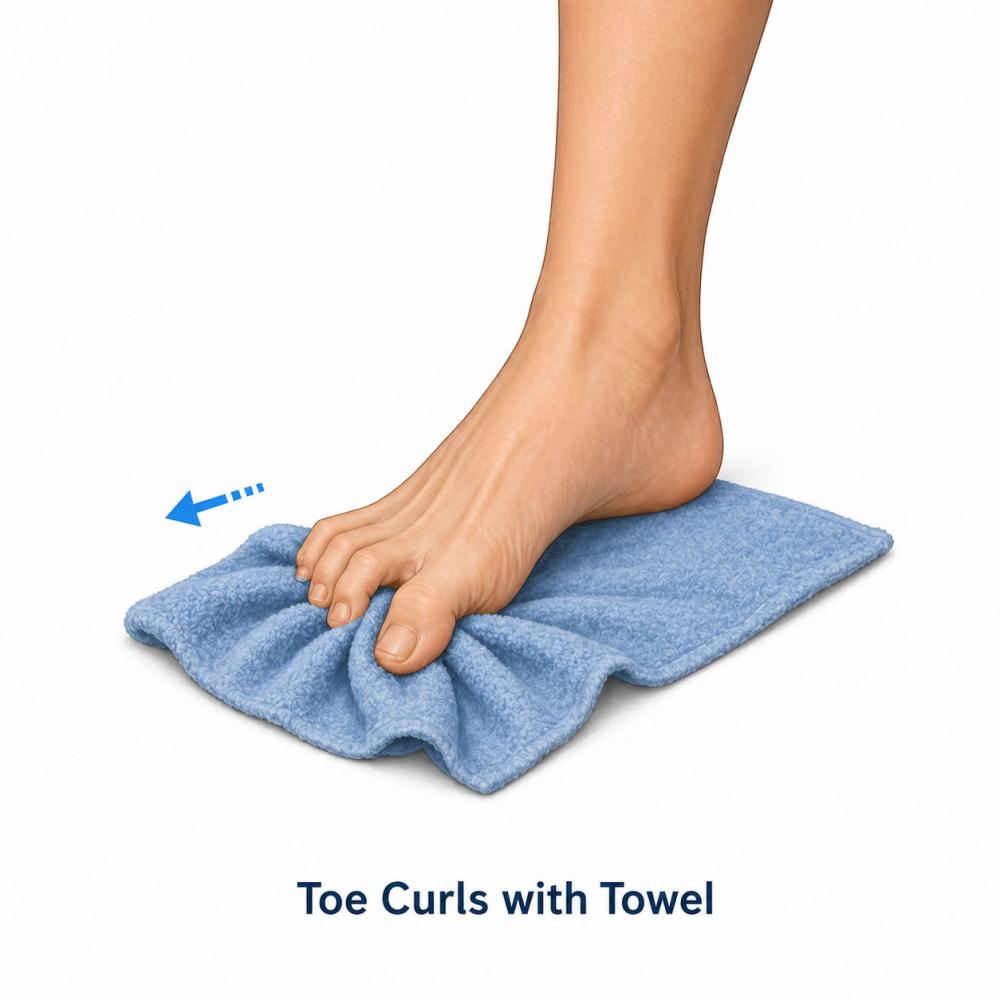
6 Toe Curls with Towel
Toe curls strengthen the small intrinsic muscles of the foot. Better foot strength can support the arch and reduce excess strain on the plantar fascia.
- Sit with your foot flat on a small towel.
- Keep your heel on the floor.
- Use your toes to scrunch the towel toward you.
- Relax, flatten the towel and repeat.
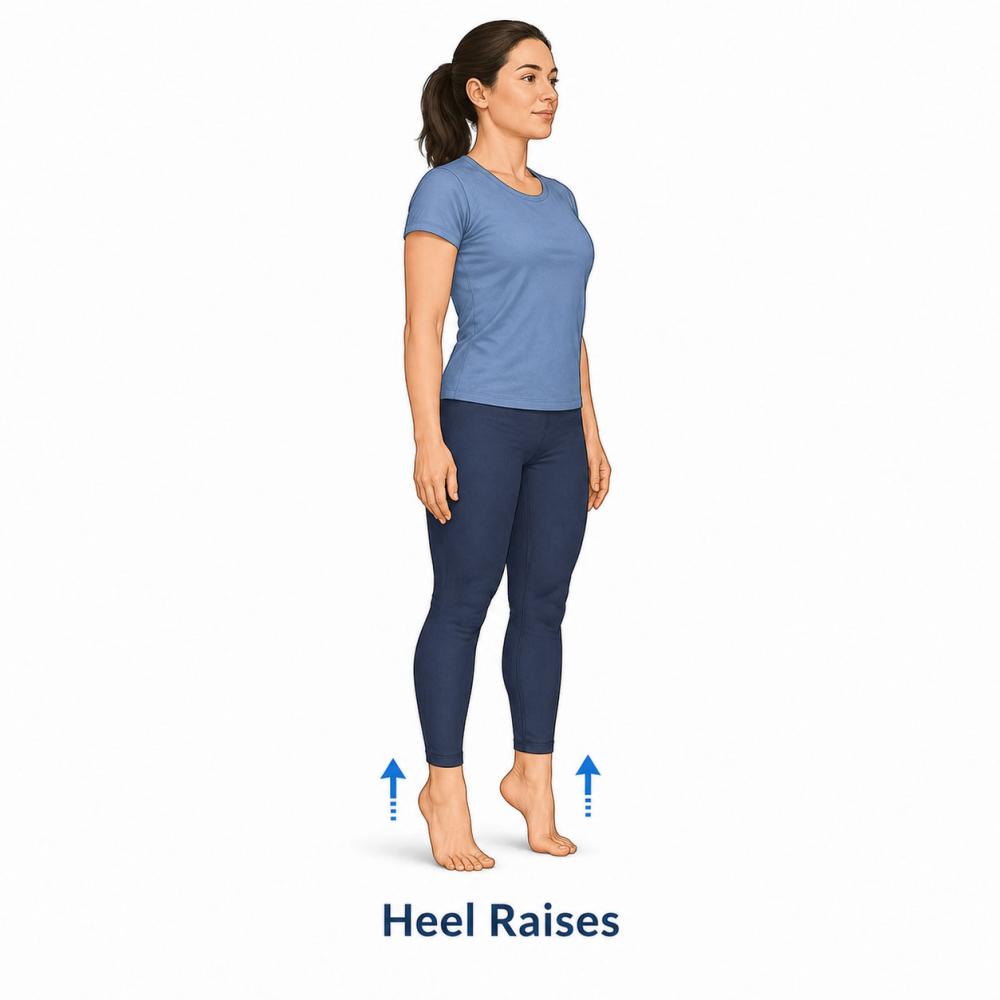
7 Heel Raises
Heel raises strengthen the calf and Achilles complex. Start gently; this is a strengthening exercise, not a stretch.
- Stand near a wall or chair for balance.
- Keep both feet hip-width apart.
- Slowly rise onto the balls of your feet.
- Pause briefly, then lower your heels with control.
8 Big Toe Stretch
The big toe and plantar fascia work together during walking. Improving big toe extension can help the foot move more comfortably through each step.
- Sit down and place the affected foot across the opposite knee.
- Hold the big toe gently.
- Lift it upward until you feel a stretch under the toe and along the arch.
- Do not force the joint if it feels stiff or painful.
Daily routine for plantar fasciitis sufferers
Use this as a practical routine. It should take around 10–15 minutes.
- Before getting out of bed: Do the towel stretch and plantar fascia stretch.
- After washing or breakfast: Do the calf stretch against the wall.
- Midday or after work: Use the tennis ball roll or frozen bottle roll.
- Evening: Repeat the calf stretch, then do toe curls and heel raises.
- Before longer walks: Repeat the plantar fascia stretch and big toe stretch.
Consistency matters more than intensity. A few gentle exercises every day will usually beat one heroic “rehab marathon” at the weekend - your fascia is not impressed by drama.
Exercise comparison table
| Exercise | Main purpose | Best for | Suggested dose |
|---|---|---|---|
| Plantar Fascia Stretch | Directly stretches the plantar fascia | Morning heel pain and arch tightness | 15–30 seconds, 3–5 repeats |
| Calf Stretch Against Wall | Stretches the calf and Achilles tendon | Tight calves, limited ankle movement | 20–30 seconds, 3 repeats |
| Towel Stretch | Stretches calf, Achilles and sole of foot | First-step pain before standing | 20–30 seconds, 3 repeats |
| Frozen Bottle Roll | Cold therapy plus gentle massage | Post-activity soreness | 5–10 minutes |
| Tennis Ball Foot Roll | Soft tissue massage | Arch stiffness and mild tight spots | 2–5 minutes |
| Toe Curls with Towel | Strengthens small foot muscles | Arch support and foot control | 10–15 reps, 2–3 sets |
| Heel Raises | Strengthens calf and Achilles complex | Progressive loading and lower-leg strength | 8–12 reps, 2–3 sets |
| Big Toe Stretch | Improves big toe mobility and arch flexibility | Stiff big toe, tight forefoot and arch | 15–20 seconds, 3–5 repeats |
How quickly do plantar fasciitis exercises work?
Some people feel short-term relief within a few days, especially from morning stretching and rolling. Longer-term improvement usually requires several weeks of consistent work, alongside sensible footwear, load management and avoiding sudden spikes in walking, running or standing time.
Helpful tip
Keep supportive footwear near the bed. Doing your first few steps barefoot on a hard floor can irritate symptoms for some people. Stretch first, then step into supportive shoes or slippers.
When to get professional help
Book an assessment with a podiatrist, physiotherapist or GP if pain is severe, worsening, linked to trauma, associated with swelling or numbness, or not improving after several weeks of consistent self-care. You should also seek advice sooner if you have diabetes, circulation problems, nerve symptoms, inflammatory arthritis or a history of foot ulcers.
FAQs
Should I do plantar fasciitis exercises every day?
Gentle stretching can usually be done daily, especially first thing in the morning. Strengthening exercises such as heel raises and towel curls may be done daily or every other day depending on soreness and tolerance.
Is it better to stretch or strengthen plantar fasciitis?
Both are useful. Stretching can reduce tightness in the plantar fascia, calf and Achilles tendon, while strengthening improves support and load control through the foot and lower leg.
Can I walk with plantar fasciitis?
Usually, yes — but avoid sudden increases in distance or speed. Keep walks manageable, wear supportive footwear and reduce activity if pain increases during or after walking.
Are frozen bottle rolls better than tennis ball rolls?
They do different jobs. A frozen bottle adds cold therapy, which may help after activity. A tennis ball is more portable and useful for gentle soft tissue massage. Use whichever feels more comfortable.
Should these exercises hurt?
No. Mild stretching discomfort is acceptable, but sharp pain is not. Reduce pressure, shorten the hold or stop the exercise if pain worsens.
What is the best exercise for plantar fasciitis?
The plantar fascia stretch and calf stretch are two of the most useful starting exercises. For best results, combine them with strengthening exercises such as towel curls and heel raises.
Plantar fasciitis products - quick links
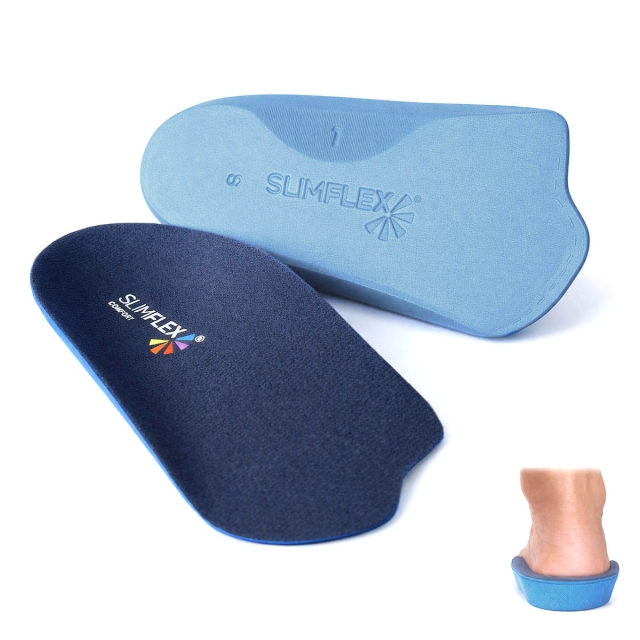
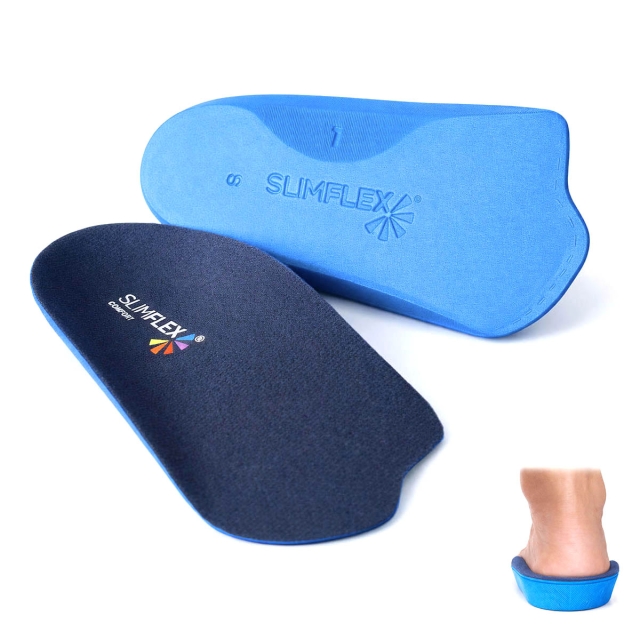
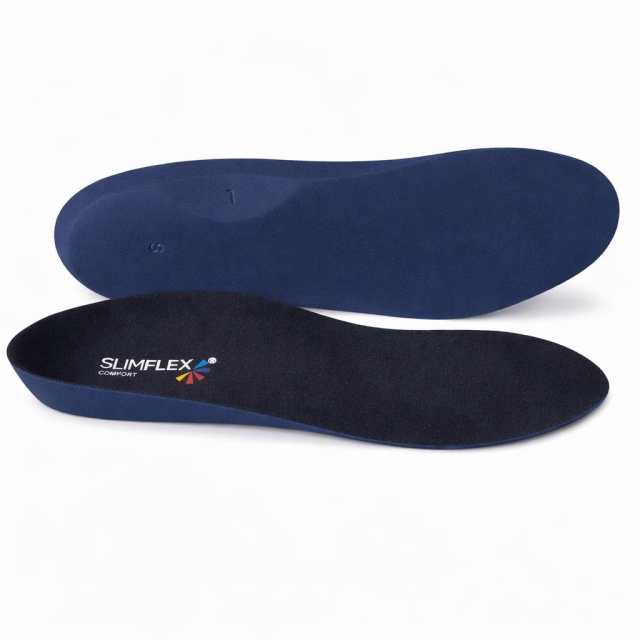
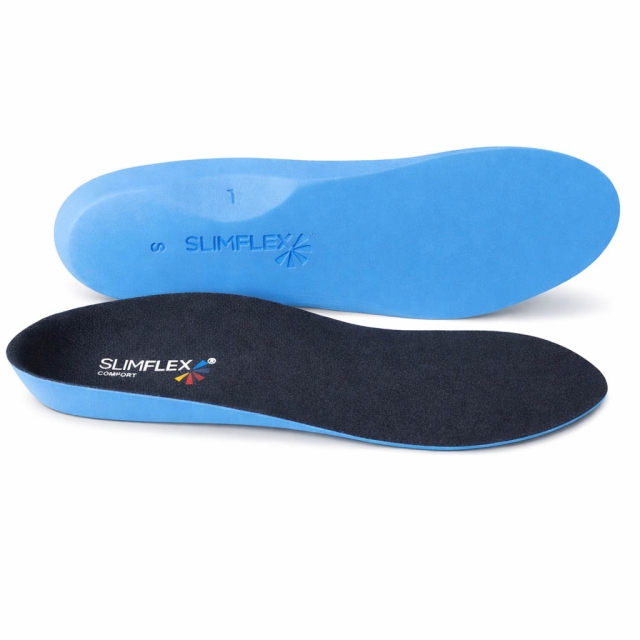
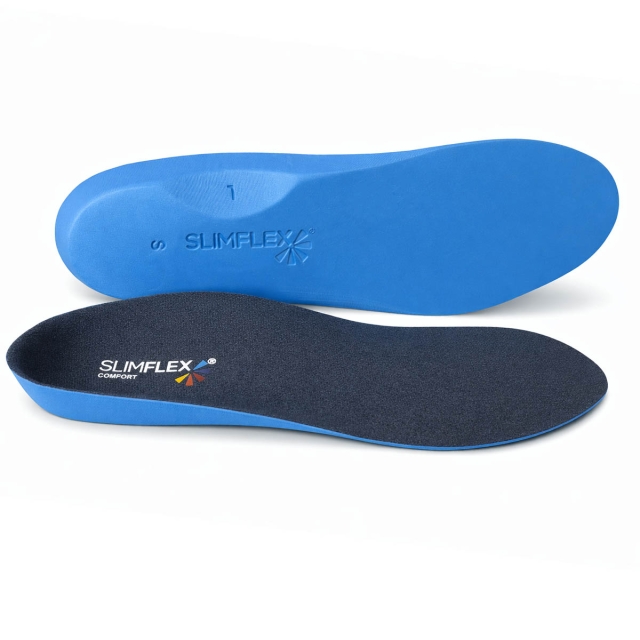
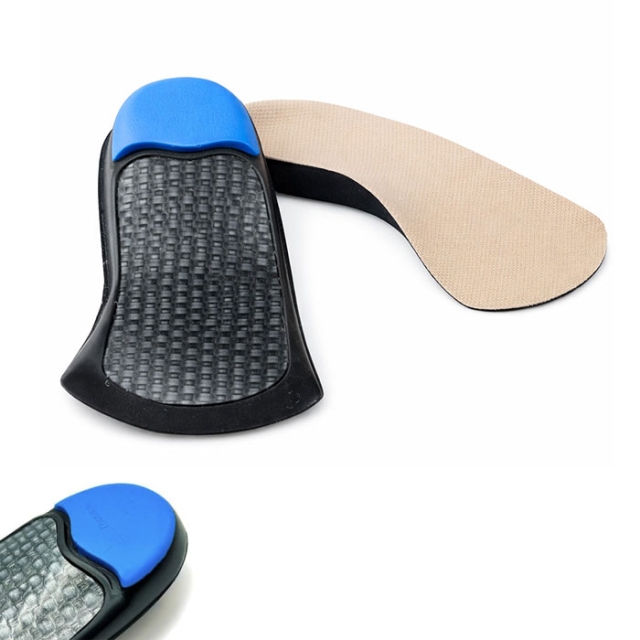
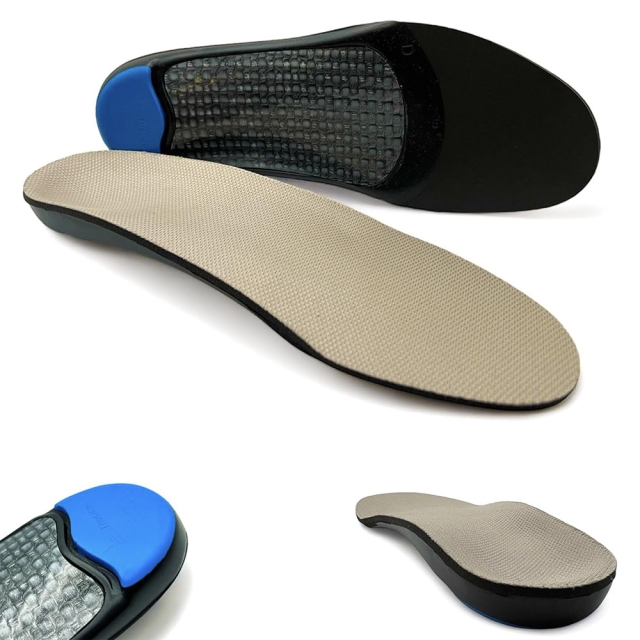
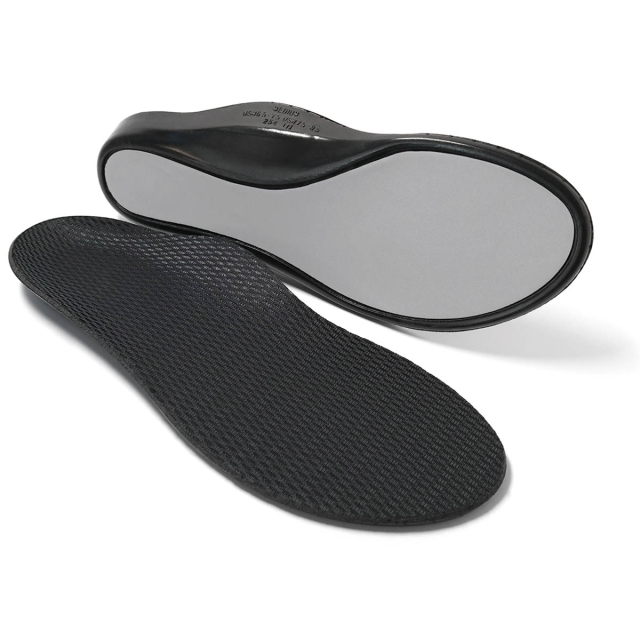
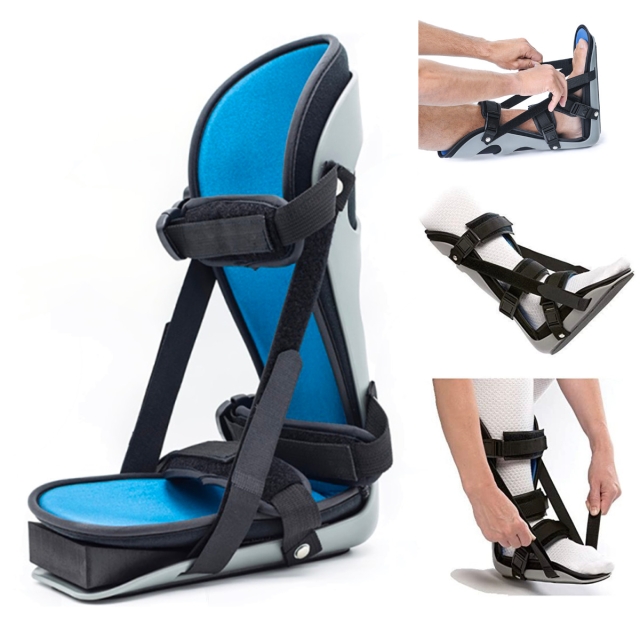
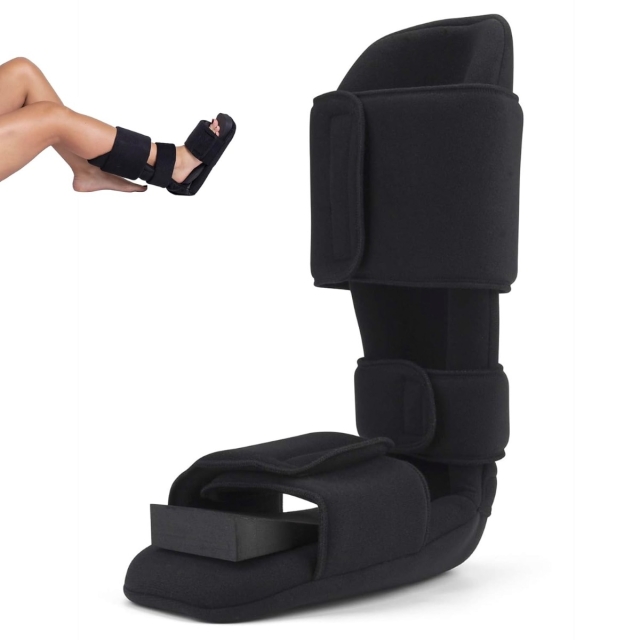
Exercises are a useful starting point, but many people also benefit from wearing supportive insoles, heel cushions or arch supports during the day. These plantar fasciitis products may help reduce strain through the heel, arch and Achilles area while you recover.
Plantar fasciitis insoles
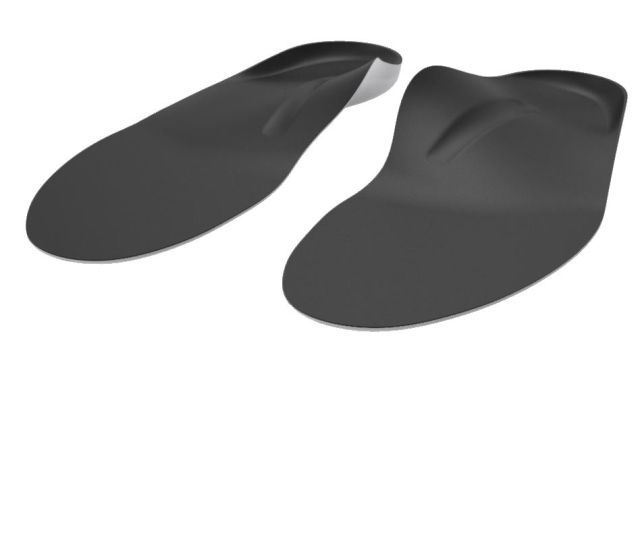
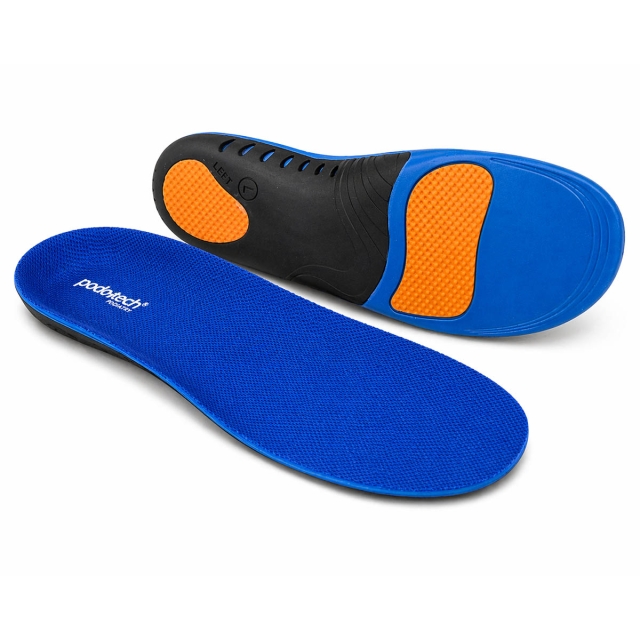
Supportive insoles can help cushion the heel and support the arch during walking, standing and daily activity.
FasciaFix insoles
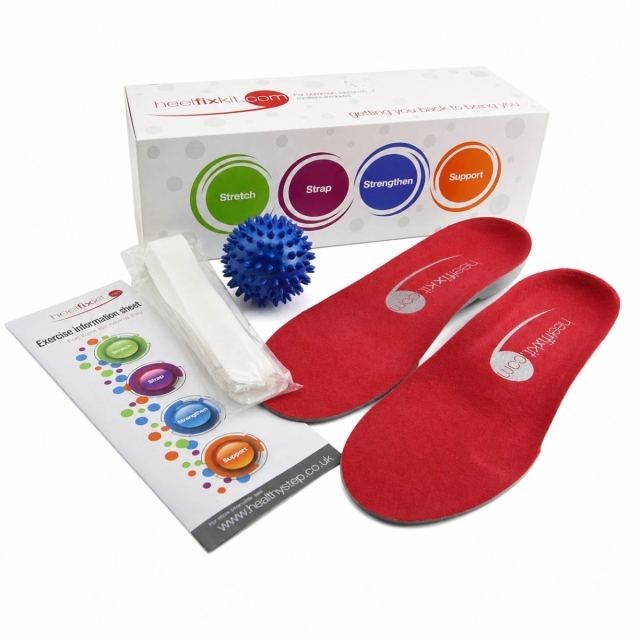
Designed specifically for plantar fasciitis, FasciaFix insoles provide targeted support for the plantar fascia and heel area.
Plantar fasciitis arch sleeve
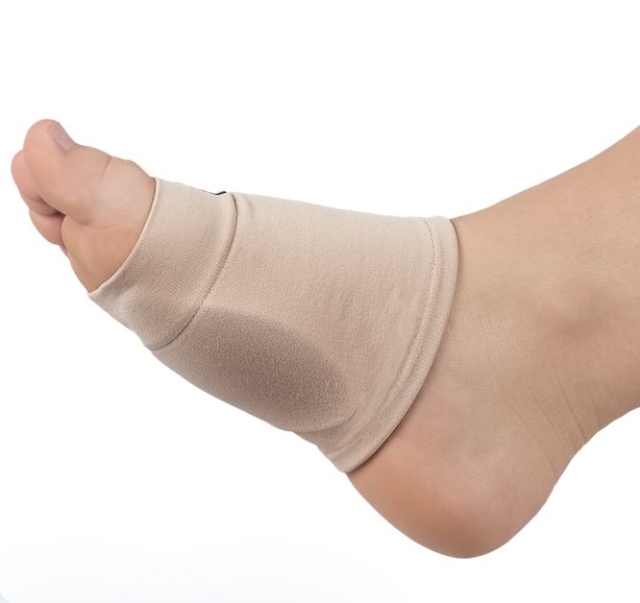
An elasticated sleeve that supports the arch and can be useful for people who need light compression and support around the foot.
Gel heel cups
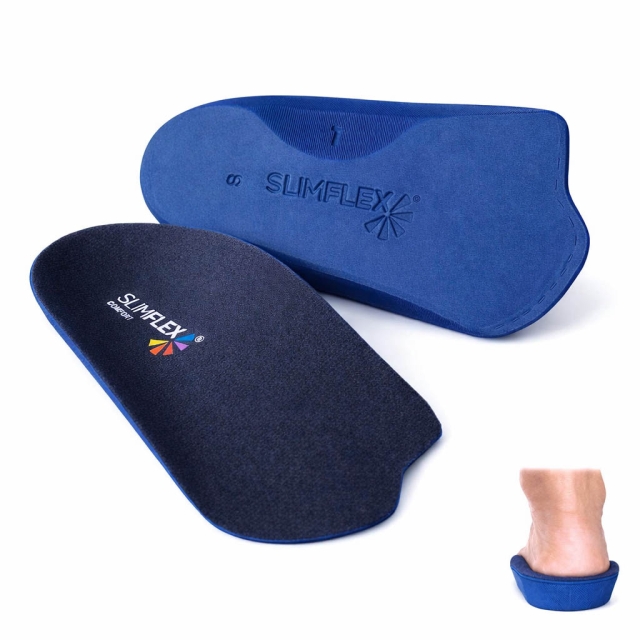
Heel cups can help cushion impact under the heel, especially for people with heel soreness during standing or walking.
Silipos heel gel range
Gel heel products provide cushioning and pressure relief for sore heels, heel spurs and general plantar heel discomfort.
Heel pain insoles
Explore insoles selected for heel pain, including options for cushioning, support and load distribution.
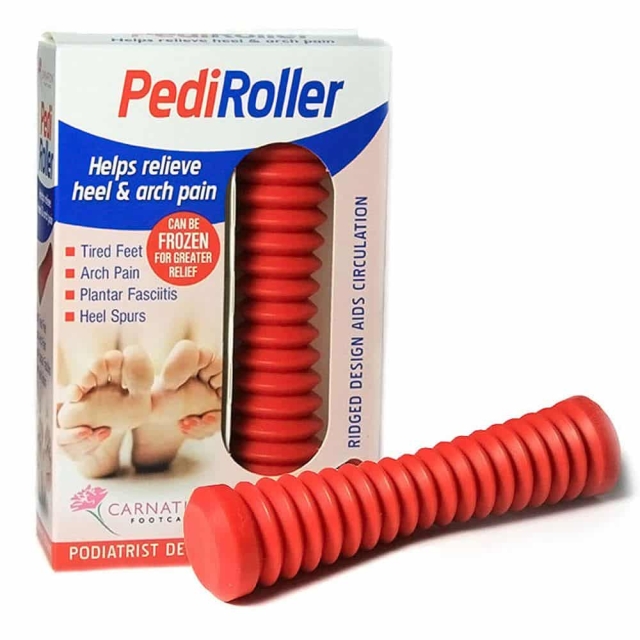
Sold: Each
Incl. VAT Exl. VAT