




Heel pain is a common issue affecting countless individuals. The pain can stem from various conditions such as plantar fasciitis, metatarsalgia, or simply tired feet from standing or walking for extended periods. Understanding the cause of your heel pain is the first step in finding the right treatment.
Common Causes of Heel Pain
Heel pain can often feel like a mystery, but it usually has a few well-known culprits. Plantar Fasciitis is one of the most prevalent causes, where the plantar fascia, a band of tissue running across the bottom of your foot, becomes inflamed, leading to sharp pain with each step.
Another offender is Metatarsalgia, which results in pain and inflammation in the ball of the foot, often exacerbated by high-impact activities or ill-fitting shoes.
Heel Spurs are bony growths that develop on the heel bone, often occurring alongside plantar fasciitis, and can cause significant discomfort.
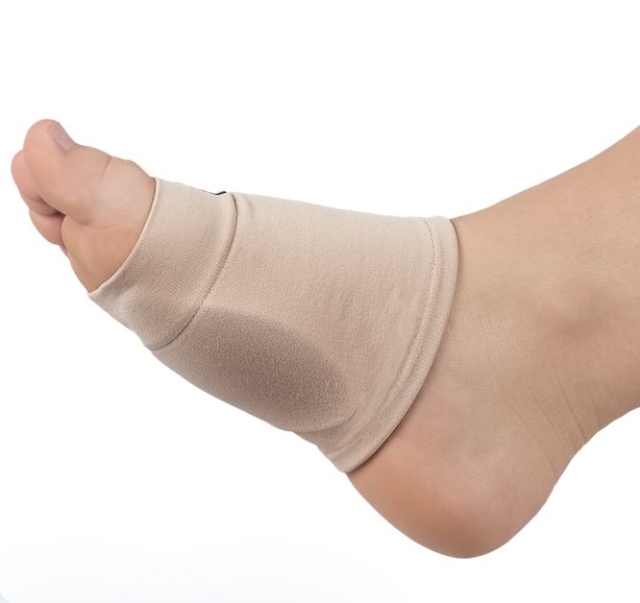
Lastly, structural foot issues like High Arches or Flat Feet can lead to uneven weight distribution, causing pain due to the additional stress placed on certain areas of the foot.
Impact of Lifestyle on Heel Pain
Lifestyle choices can significantly impact the development and severity of heel pain. People who spend long hours on their feet, such as healthcare workers or retail employees, are particularly susceptible to foot pain due to prolonged standing and walking.
Moreover, engaging in high-impact sports without proper footwear can exacerbate existing conditions or even lead to new injuries. Additionally, wearing unsupportive shoes, like high heels or flats with little cushioning, can strain the feet and contribute to the onset of pain.
Home Therapy Solutions for Plantar Fasciitis
Recognising heel pain early and addressing it promptly is crucial in preventing more severe complications. Ignoring the pain or delaying treatment can lead to chronic issues that are more challenging to manage.
Early intervention can often prevent the need for more invasive treatments down the line. Being proactive with foot health by incorporating supportive insoles, performing regular exercises, and choosing appropriate footwear can significantly reduce the risk of developing chronic heel pain.
The Role of Insoles in Alleviating Heel Pain
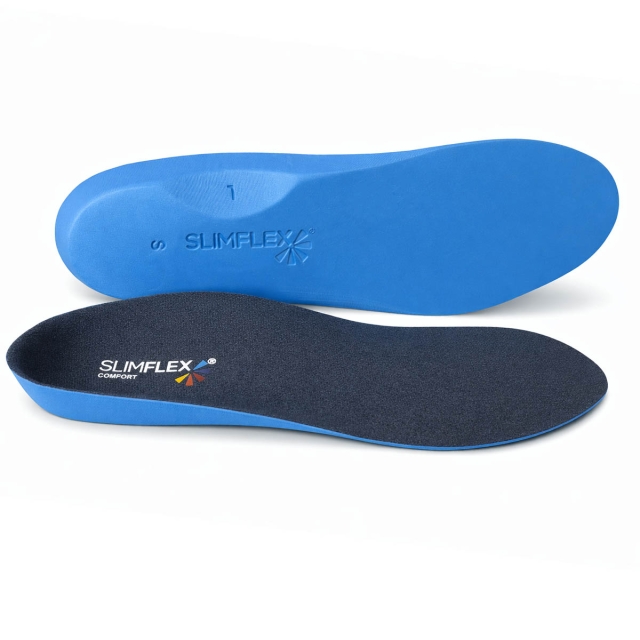
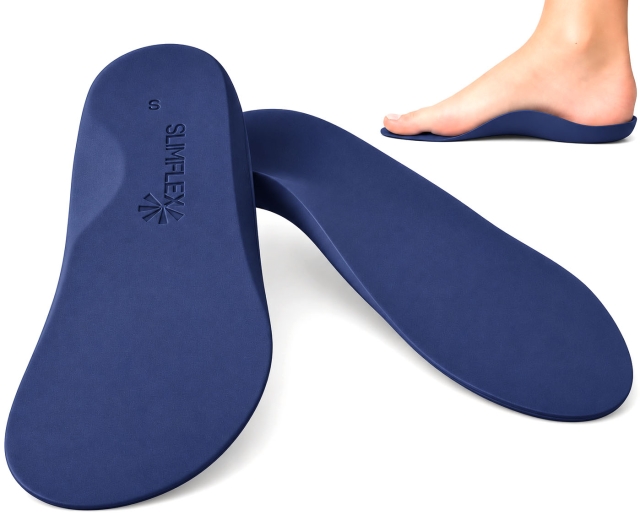
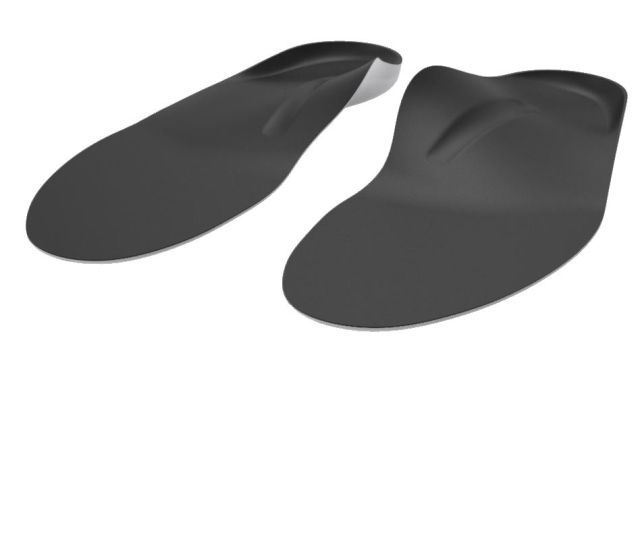
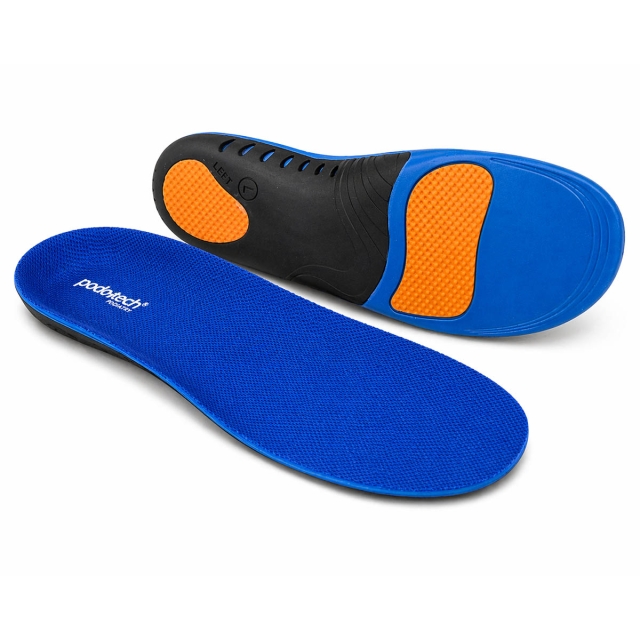
Insoles, also known as foot soles or inserts, are designed to provide additional cushioning and support to your feet. They can help distribute pressure more evenly, reduce strain on the plantar fascia and offer arch support for high insteps. Here's how different insoles can aid in heel pain treatment:
Types of Insoles
Insoles come in various forms, each designed to address specific needs and conditions. Cushioning Insoles are ideal for absorbing shock and reducing pressure on the heel and forefoot.
They are particularly beneficial for those who spend long hours standing or walking. Arch Support Insoles are essential for providing stability to high arches or flat feet, helping to balance weight distribution and alleviate associated pain.
Heel Cups are specialized insoles that offer targeted relief for heel pain by cushioning the heel and reducing strain on the plantar fascia, making them a popular choice for those dealing with plantar fasciitis.
Materials and Technology in Insole Design
The materials and technology used in insoles have advanced significantly, allowing for more effective and comfortable solutions. Memory foam and gel insoles provide exceptional cushioning and comfort, conforming to the shape of your foot for a personalised fit.
Some insoles incorporate advanced shock absorption technology, designed to minimise impact and protect the foot during high-impact activities.
Additionally, antimicrobial materials help reduce odor and bacteria, keeping your feet fresh throughout the day.
Benefits of Using Insoles
Insoles offer a multitude of benefits beyond pain relief. One of the primary advantages is Pain Relief, as insoles can significantly reduce discomfort by supporting and cushioning the foot.
They also promote Improved Posture by ensuring proper foot alignment, which can enhance overall body posture and reduce strain on the back and legs.
Moreover, insoles contribute to Increased Comfort, allowing individuals to stay on their feet longer without experiencing discomfort or fatigue, which is particularly beneficial for those with demanding lifestyles or occupations.
Choosing the Right Insoles for Your Needs
Selecting the right insole depends on your specific foot condition and shoe type. Consider the following factors when choosing insoles:
Arch Type
Understanding your arch type is crucial in selecting the right insoles. Determine whether you have high arches, low arches, or a neutral arch, as this will dictate the type of support you need.
Medial Arch Insoles are designed to provide targeted support for those with high arches, while High Arch Shoe Insoles offer the necessary support for individuals with pronounced arches, ensuring even weight distribution and reducing strain.
Shoe Type
The type of shoes you wear heavily influences the insole choice. Different shoes require different types of insoles to maximise comfort and support. Insoles for High Heels are specifically designed to provide cushioning and support in a smaller space, ensuring that your feet remain comfortable even in elevated footwear.
In contrast, Athletic Shoe Insoles are designed to withstand high-impact activities, offering enhanced shock absorption and support. Additionally, insoles for Sandals and casual shoes should fit comfortably without causing additional tightness or discomfort.
Specific Conditions
When dealing with specific foot conditions, choosing the right insoles is even more critical. For Plantar Fasciitis, look for insoles with strong arch support and deep heel cups, as these features provide the necessary relief and support.
Individuals suffering from Metatarsalgia can benefit from metatarsal pads or insoles with forefoot padding, designed to alleviate pressure and pain in the ball of the foot.
Those with a High Instep should opt for arch support inserts, which are crucial for maintaining foot comfort and ensuring proper weight distribution.
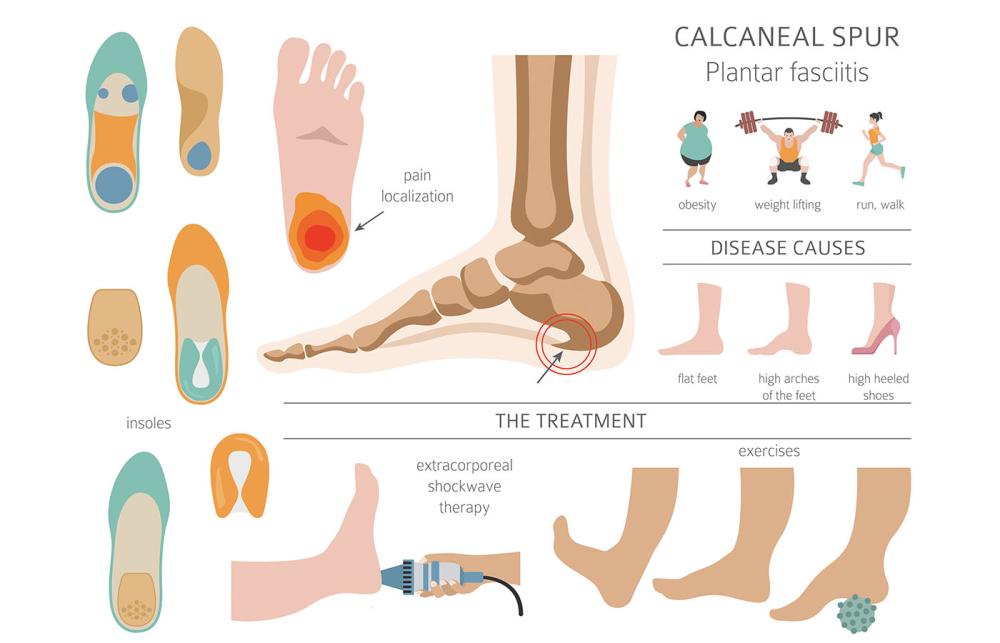
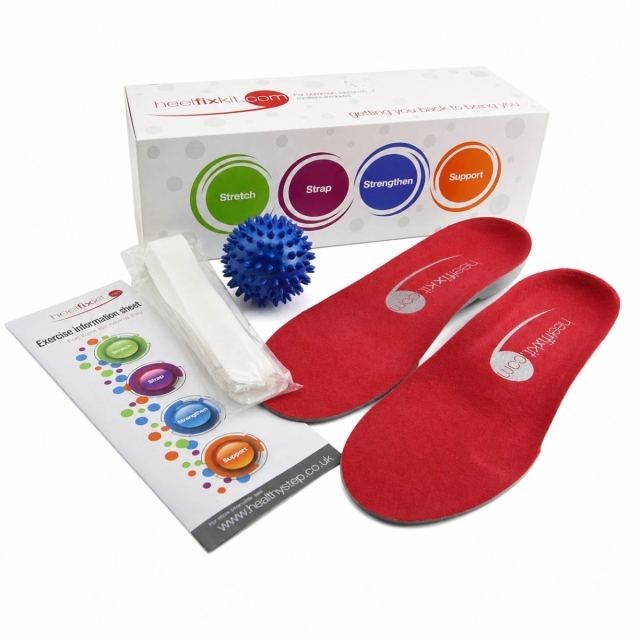
Plantar Fasciitis Cheat Sheet
Home Therapies and Exercises
While insoles are a critical component of heel pain treatment, combining them with home remedies and exercises can enhance relief.
Home Remedies
Home remedies can provide additional relief alongside the use of insoles. Ice Therapy involves applying ice to the affected area, which can help reduce inflammation and numb the pain.
Regular Stretching exercises, targeting the calf muscles and plantar fascia, can prevent stiffness and improve flexibility, reducing the likelihood of pain.
Additionally, Foot Massages can alleviate tension and promote relaxation, enhancing overall comfort and well-being.
Exercises for Heel Pain
Incorporating exercises into your routine can strengthen the foot and alleviate pain. Calf Stretches are essential for stretching the muscles connected to the plantar fascia, providing relief from tightness and discomfort.
The Towel Stretch is a simple exercise where you use a towel to gently stretch your foot while sitting, improving flexibility and reducing pain.
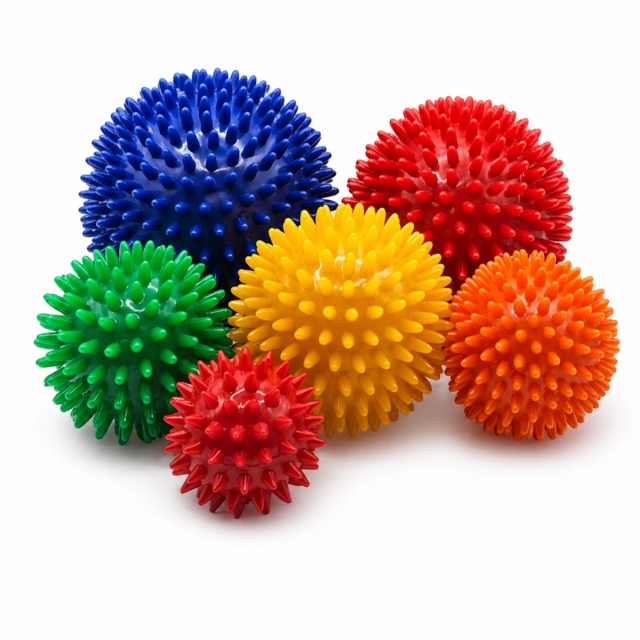
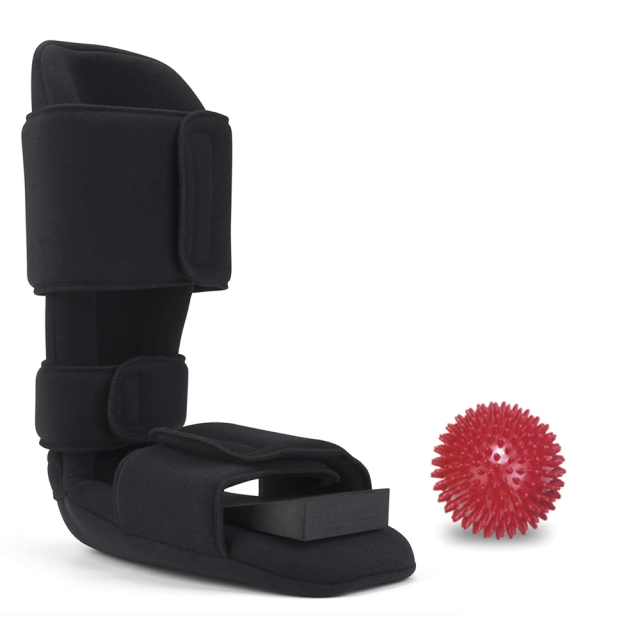
Rolling your foot over a tennis ball can massage the arch and relieve tension, making it an effective exercise for managing heel pain.
Importance of Consistency
Consistency is key when it comes to home treatments and exercises. Regularly incorporating these practices into your routine can lead to significant improvements in foot health and comfort.
It's important to be patient and persistent, as results may take time to manifest. By maintaining a consistent routine, you can effectively manage and alleviate heel pain, enhancing your overall quality of life.
When to Seek Professional Help
If home treatments and insoles do not alleviate your pain, it may be time to consult a healthcare professional. They can offer advanced treatments such as physio for plantar fasciitis or recommend specific plantar fasciitis medications.
Professional Treatments
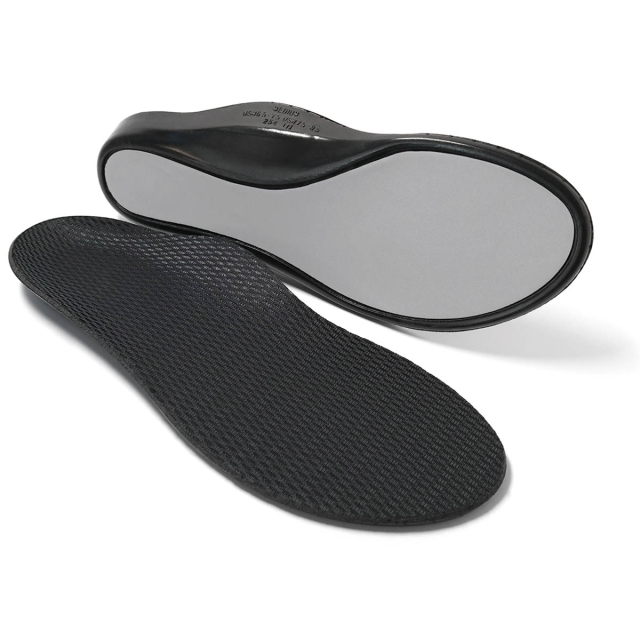
Professional treatments can provide targeted relief for more severe cases of heel pain. Orthopaedic Insoles are custom-made insoles designed to provide tailored support and comfort for your specific foot structure, offering a more personalised solution.
Physical Therapy involves exercises and treatments designed to strengthen the foot and alleviate pain, often guided by a trained therapist.
Additionally, Medication, such as anti-inflammatory drugs, may be prescribed to reduce pain and swelling, providing relief for those experiencing significant discomfort.
When Surgery is Considered
In some cases, surgery may be considered if other treatments fail to provide relief. Surgical intervention is typically a last resort and is only recommended for severe or chronic conditions that do not respond to non-invasive treatments.
A healthcare professional can assess your condition and determine whether surgery is a necessary step in your treatment plan.
Importance of Professional Consultation
Consulting a healthcare professional is crucial for accurately diagnosing the cause of your heel pain and determining the most effective treatment plan. They can offer expert advice and recommend appropriate interventions based on your specific needs.
By seeking professional help, you can ensure that you receive the best possible care and improve your chances of achieving lasting relief from heel pain.
Insoles - Essential for Foot Comfort
Choosing the right insoles is a vital step in achieving foot comfort and alleviating heel pain. By understanding your specific needs and conditions, you can select insoles that provide the right level of support and relief.
Remember, combining insoles with home treatments and professional advice can maximise your comfort and enhance your foot health. Whether you're dealing with plantar fasciitis or high arches, the right insoles can make a world of difference.
Prioritising foot health through appropriate insole selection and consistent care can lead to improved quality of life and greater overall well-being.
Related Product Groups on Algeos.com
|
Algeos full range for you to view by category. |
Insoles for diabetics and arthritic patients. |
For flat feet and people requiring robust foot support. |
Insoles for children and young adults. |
|
NHS-supplied orthotic insoles designed for versatile chairside fitting. |
Prefabricated orthotics range trusted by clinicians for broad conditions. |
Thermo-mouldable semi-bespoke orthotics designed to mimic custom devices. |
Gel cushioning insoles for shock absorption, comfort and everyday pain relief. |
|
Heel raises and lifts for Achilles pain, calf strain and leg length discrepancy. |
Insoles and orthotic options focused on arch support and heel pain reduction. |
Pressure-relieving memory foam insoles for comfort and sensitive feet support. |
Top covers and linings to improve comfort, durability and in-shoe feel. |
|
Semi-Bespoke Orthotics & Shells Orthotic shells designed for semi-bespoke builds and clinical customisation. |
Wedges and posts for modifying orthoses and refining alignment and control. |
Heel cushioning and heel spur solutions for targeted shock absorption. |
Heel raise additions for orthotic adaptations and plantar loading management. |
About the Author
Marc Cameron is a senior product specialist at Algeos.
Article revised 11th February 2026
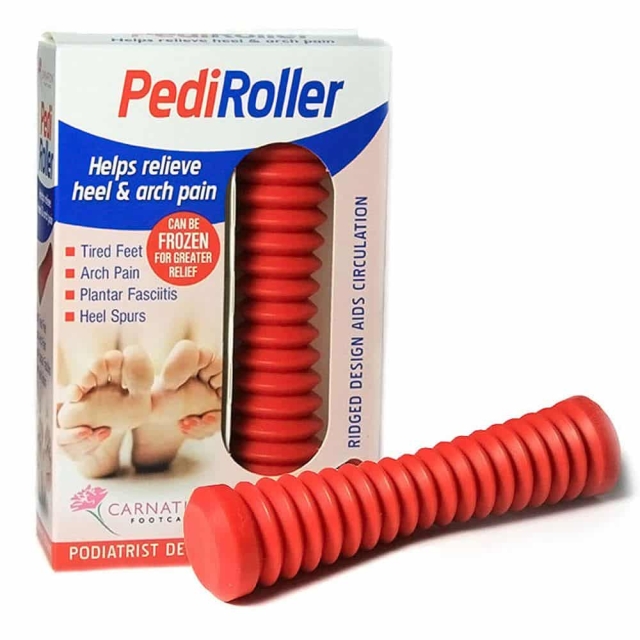
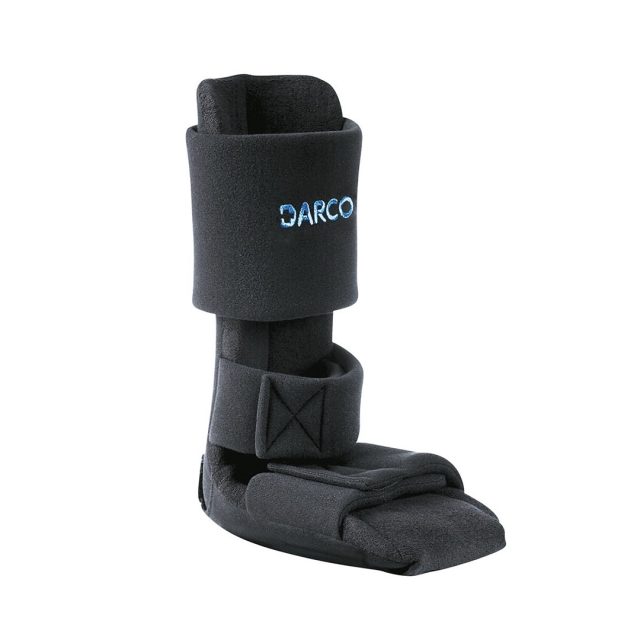
Sold: Each
Incl. VAT Exl. VAT