





Can acupuncture help plantar fasciitis? Possibly. Research suggests acupuncture may reduce heel pain for some people, particularly in the short term, but it is not a guaranteed cure and the evidence is not strong enough to make it a replacement for established treatments. It is best considered alongside stretching, strengthening, supportive footwear and sensible activity changes.
Plantar fasciitis can make something as ordinary as getting out of bed feel surprisingly difficult. Those sharp first steps are often the worst part. For people who have tried the usual measures and are still struggling, acupuncture is one additional option worth discussing with a qualified clinician.
Understanding Plantar Fasciitis
The plantar fascia is a strong band of connective tissue running beneath the foot, from the heel towards the toes. It helps support the arch and manage the forces produced by walking and running.
Plantar fasciitis is usually linked to repeated loading of this tissue rather than inflammation alone. That is why the term plantar fasciopathy is also used. Symptoms commonly include pain beneath or towards the inside of the heel, especially during the first steps in the morning or after sitting for a while. Pain may ease as the foot warms up, then return after prolonged standing or activity.
Factors such as a sudden increase in walking or running, prolonged standing, tight calf muscles and footwear with inadequate support can contribute. However, heel pain has several possible causes, so persistent or unusual symptoms deserve a proper assessment. The NHS plantar fasciitis guide explains the typical symptoms and when to seek help.
How Acupuncture May Help Plantar Fasciitis
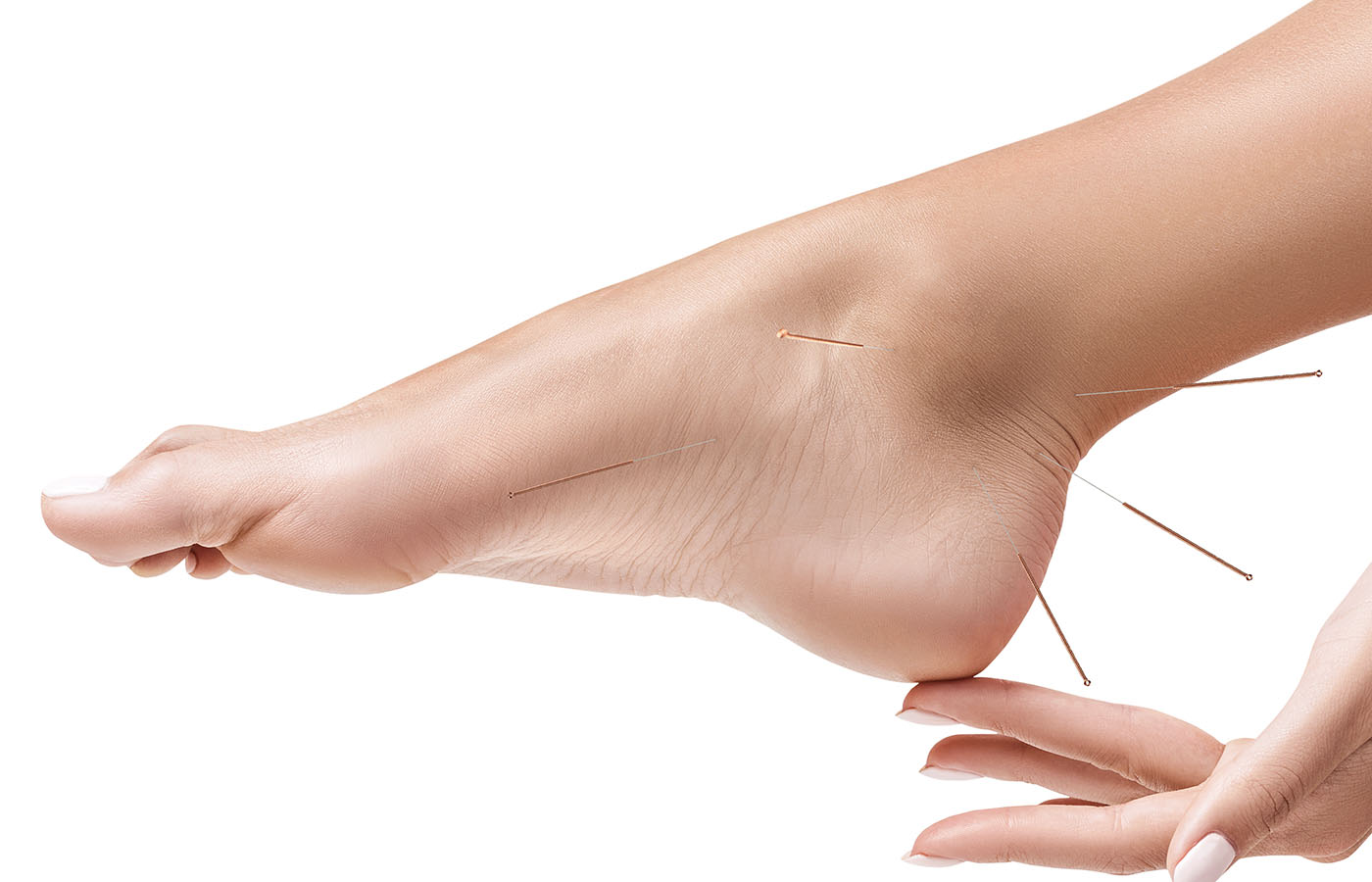
Acupuncture involves a trained practitioner inserting very fine needles at selected points on the body. It is used in some pain-management settings, including for musculoskeletal conditions.
Researchers have proposed that needling may influence how the nervous system processes pain. Changes in local tissue responses and the body's own pain-modulating pathways may also play a part. These mechanisms are still being investigated, and it has not been established that acupuncture repairs damaged plantar fascia or speeds tissue healing.
The practical aim is usually symptom relief: if heel pain becomes more manageable, a person may find it easier to continue with an appropriate rehabilitation programme. Acupuncture should not be presented as a way to correct the underlying loading problem on its own.
Research and Evidence: Does Acupuncture Work?
There is encouraging research, but the results need to be interpreted carefully. Studies use different needling methods, treatment schedules and comparison groups, making it difficult to predict who will benefit or how long any improvement will last.
- 2017 systematic review: A review of four randomised studies found reductions in plantar fasciitis pain over approximately four to eight weeks. The author concluded that acupuncture might help in the short term, but that longer-term effectiveness remained uncertain. Read the systematic review.
- 2011 randomised trial: A study involving 53 people with persistent heel pain compared needling at two different acupuncture points. It found differences in pain outcomes at some follow-up points, although the study was relatively small and could not establish that acupuncture was superior to an inert placebo. Read the trial.
- 2026 randomised trial: A study of 120 people with chronic, difficult-to-treat plantar fasciitis compared two acupuncture schedules with a waiting-list control. At four weeks, 56.7% of participants in the combined acupuncture groups achieved at least a 50% reduction in their worst pain, versus 33.3% of the waiting-list group. Improvements were also reported at later follow-up. Importantly, the comparison was with no treatment, not sham acupuncture, so the trial cannot separate the specific effect of needling from expectations and other treatment-related effects. Read the 2026 study.
What does this mean? Acupuncture may be a reasonable complementary option for selected patients with ongoing plantar heel pain, but it should not be described as proven to cure plantar fasciitis. Decisions should reflect patient preference, likely costs, potential risks and progress with established care.
Acupuncture and Dry Needling: Are They the Same?
The terms are sometimes used interchangeably, but the approaches are not identical. Traditional acupuncture is based on acupuncture point selection, while clinical dry needling commonly targets specific muscles or myofascial trigger points. There is overlap in the equipment and techniques, but the treatment reasoning may differ.
The 2023 plantar heel pain clinical practice guideline includes a recommendation for dry needling of relevant lower-leg and foot muscles. That recommendation should not be taken to mean that every form of acupuncture has the same evidence base or produces the same results.
NHS Guidance on Acupuncture for Plantar Fasciitis
The NHS advises that plantar fasciitis is usually managed first with measures such as stretching, supportive footwear, heel pads or insoles and changes to aggravating activities. Physiotherapy or podiatry assessment may be appropriate if symptoms continue.
The NHS also recognises that acupuncture may be available for certain types of long-term pain, but this does not mean it is routinely provided specifically for plantar fasciitis. Access and eligibility vary between services. Ask your GP, physiotherapist or local musculoskeletal service what is available rather than assuming acupuncture will be offered. See the NHS information on complementary therapies and acupuncture.
What to Expect from an Acupuncture Appointment
A practitioner should first discuss your symptoms, medical history, other treatments and expectations. They should explain why acupuncture might be appropriate, what the session involves, the risks and how progress will be assessed.
Treatment methods and the number of appointments vary. Some people experience temporary soreness or a small bruise, while others notice little sensation. Improvement is not universal, and an agreed review point is useful: if pain and function are not improving, it may be more sensible to reassess the diagnosis and treatment plan than to continue indefinitely.
Is Acupuncture Safe?
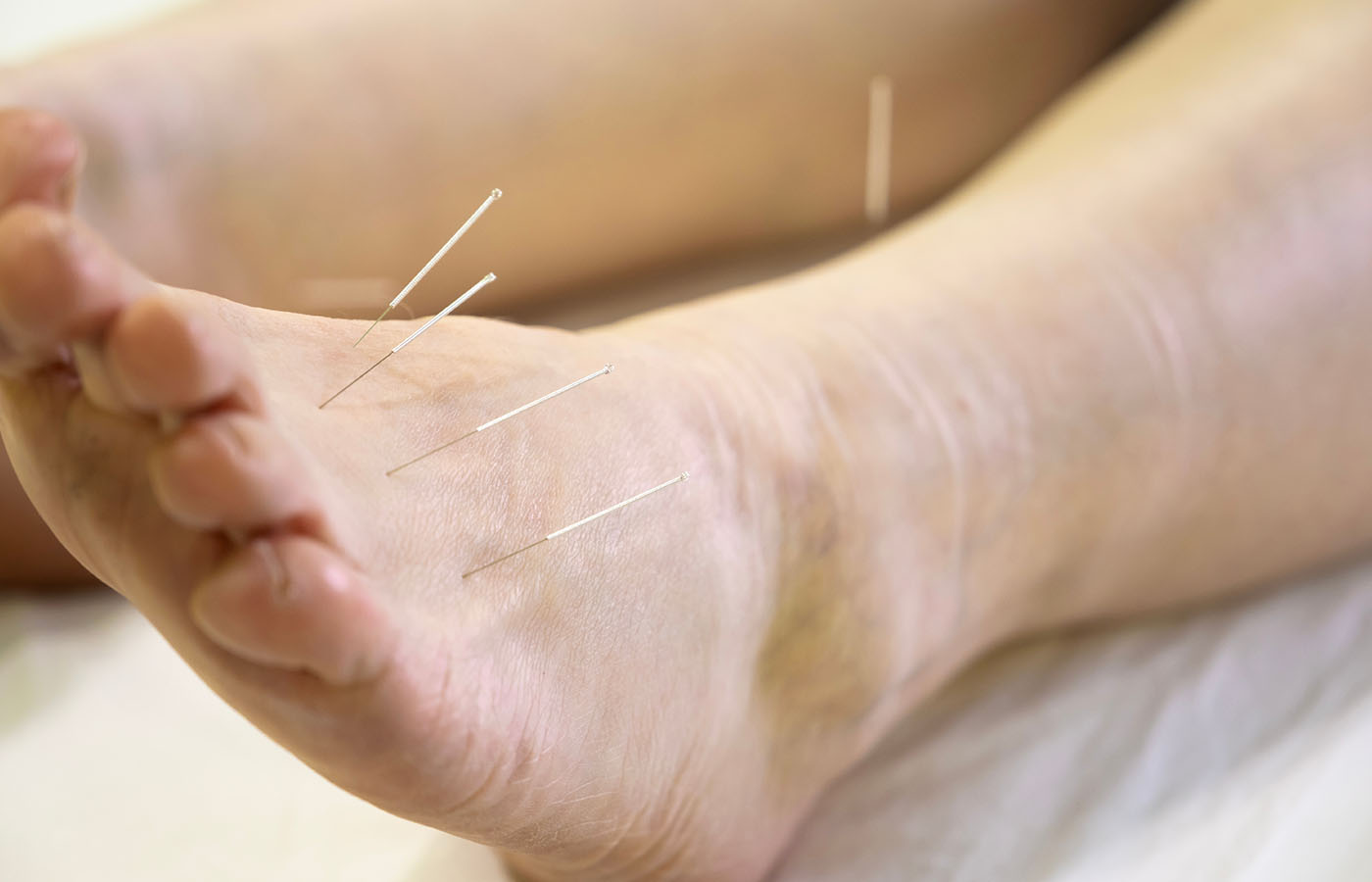
When performed by a suitably trained practitioner using sterile, single-use needles and correct infection-control procedures, acupuncture is generally considered a low-risk procedure. However, no needling treatment is completely risk-free. Bruising, bleeding, local soreness or faintness can occur, and serious complications are possible if the technique is unsafe.
Tell the practitioner before treatment if you take blood-thinning medicines, have a bleeding disorder, a skin infection or another health condition that may affect treatment suitability. Ask about their training, professional registration, insurance, hygiene procedures and sharps disposal arrangements. Acupuncture needles are for professional use and should not be used for self-treatment.
Combining Acupuncture with Other Plantar Fasciitis Treatments
Even when acupuncture helps with pain, the foot still needs an appropriate plan for managing load. That normally means more than one treatment working together:
- Stretching and strengthening: Foot-specific stretches, calf exercises and progressive strengthening can help improve comfort and the foot's ability to tolerate activity. Explore our plantar fasciitis exercise guide.
- Supportive footwear and orthoses: Cushioned shoes and suitable insoles can help manage symptoms while the foot recovers. Browse plantar fasciitis insoles and discuss individual requirements with a podiatrist.
- Activity management: Temporarily reduce activities that strongly aggravate symptoms, particularly prolonged standing or sudden increases in running, then return gradually as tolerated.
- Ongoing assessment: For pain that persists, a physiotherapist or podiatrist can review the diagnosis and consider other suitable treatments. Our research-backed plantar fasciitis treatment guide explains the wider range of options.
Patient Experiences: Why Results Can Vary
Some patients describe less heel pain and easier walking after a course of acupuncture; others notice little difference. Individual experiences are worth listening to, but testimonials cannot tell us how much improvement came from acupuncture itself, the natural course of the condition or other treatments undertaken at the same time.
A more useful way to judge progress is to track a few everyday measures before and during treatment: first-step pain in the morning, how long you can stand comfortably, walking tolerance and whether usual activities are becoming easier. Improvements in function matter at least as much as a temporary change in pain scores.
Recommended Acupuncture Needles for Professionals
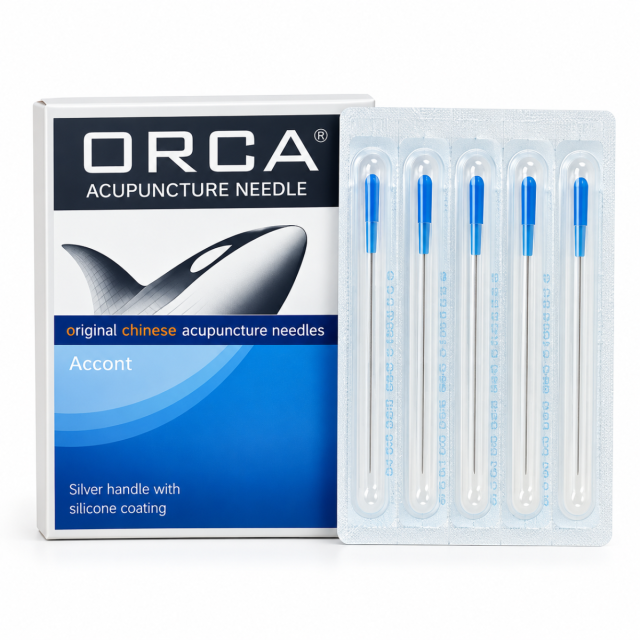
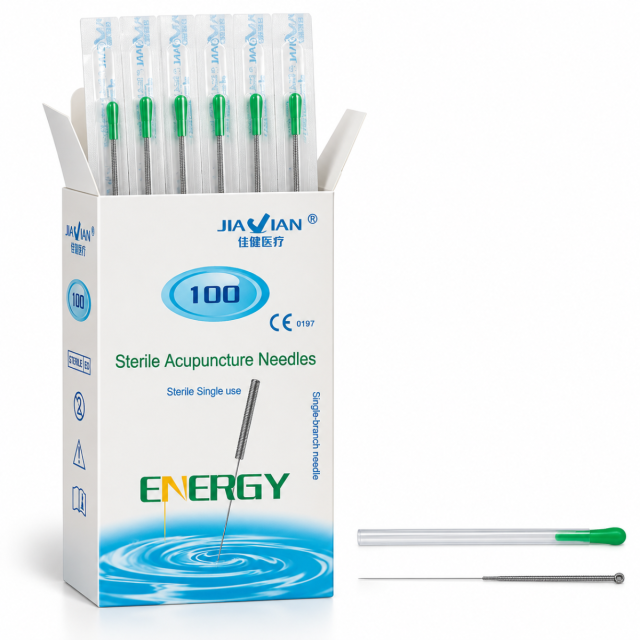
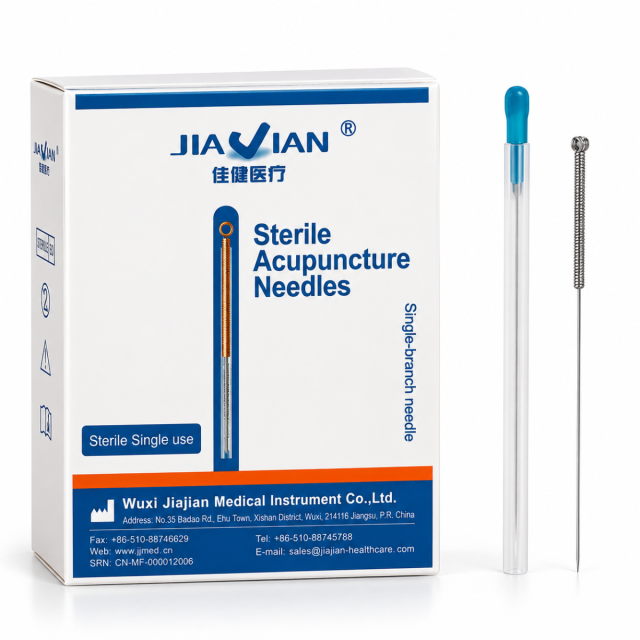
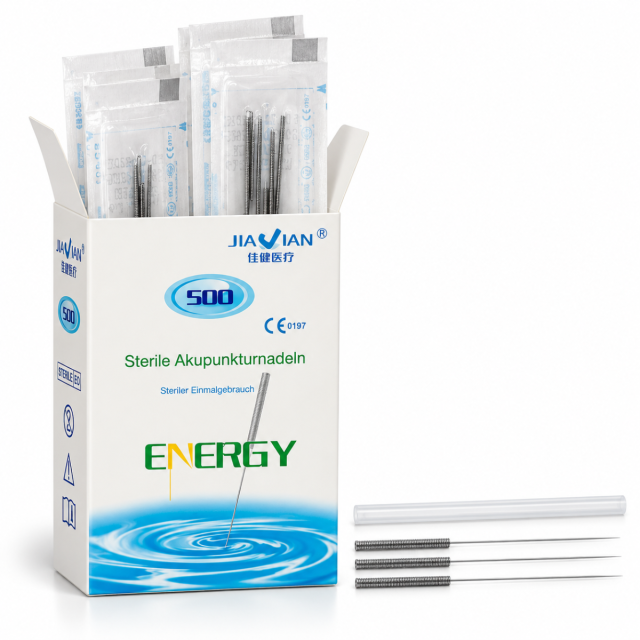
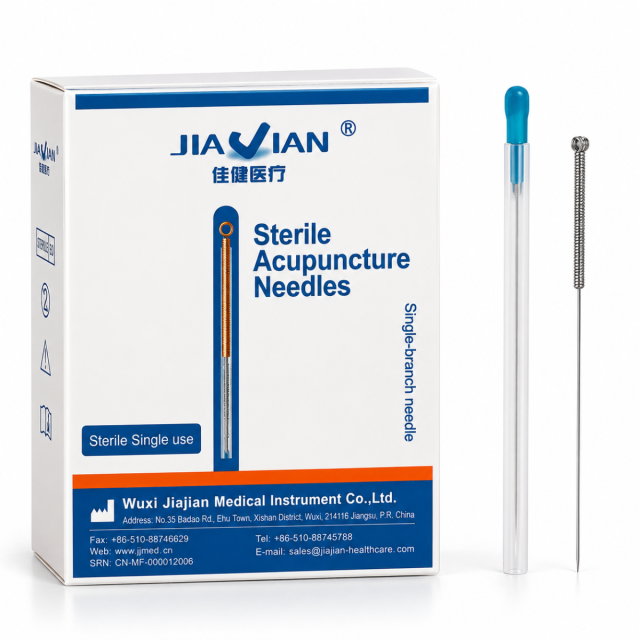
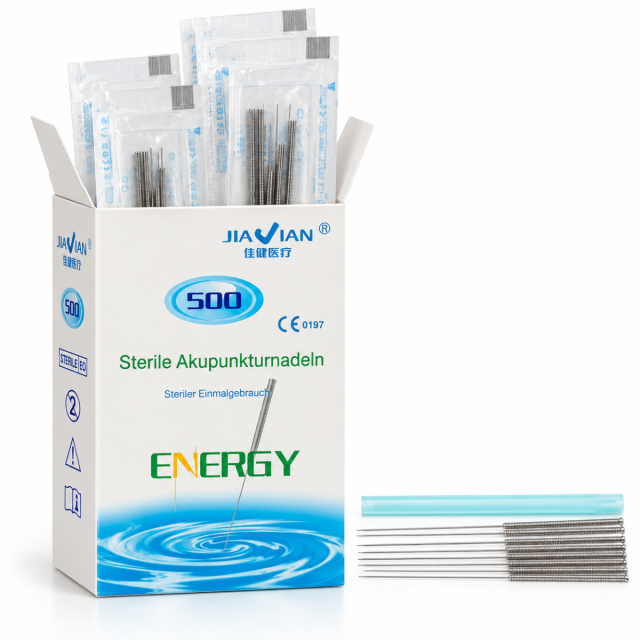
For trained acupuncturists and healthcare practitioners, Algeos stocks sterile, single-use acupuncture needles in different sizes and handle styles. Needle selection should be based on professional training, the intended technique and the manufacturer's instructions, not on claims that a particular needle treats plantar fasciitis better than another.
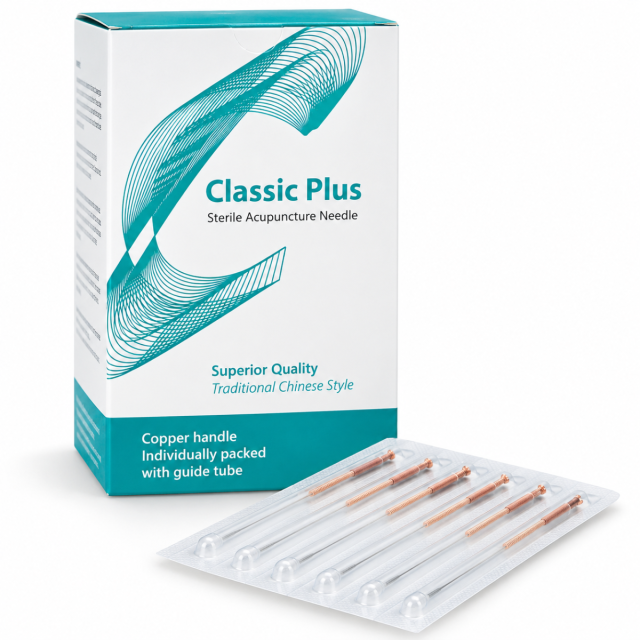
- Classic Plus Acupuncture Needles - Copper Handle: Single-use, sterile needles with a copper handle and guide tube, available in a selection of sizes.
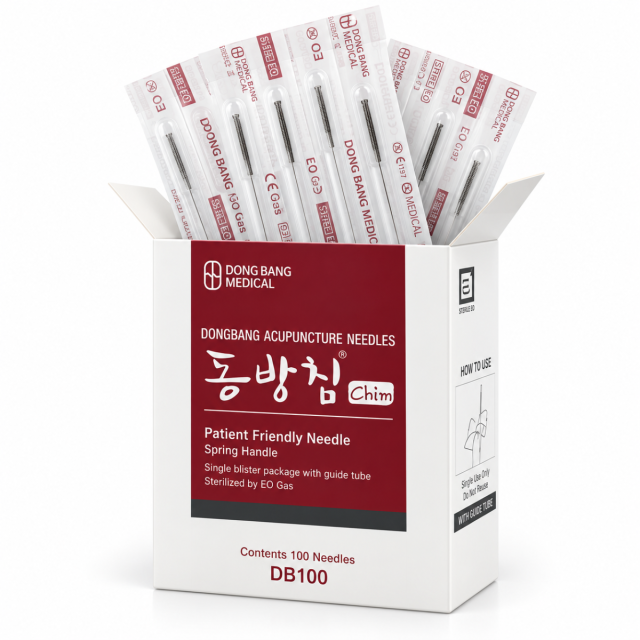
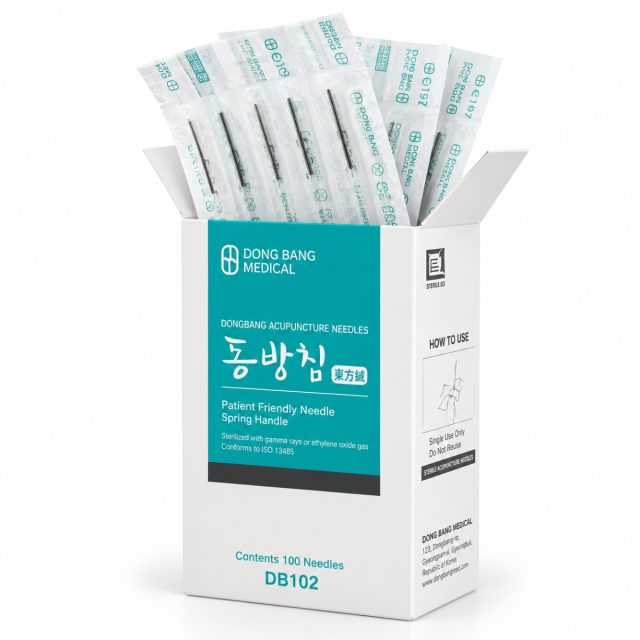
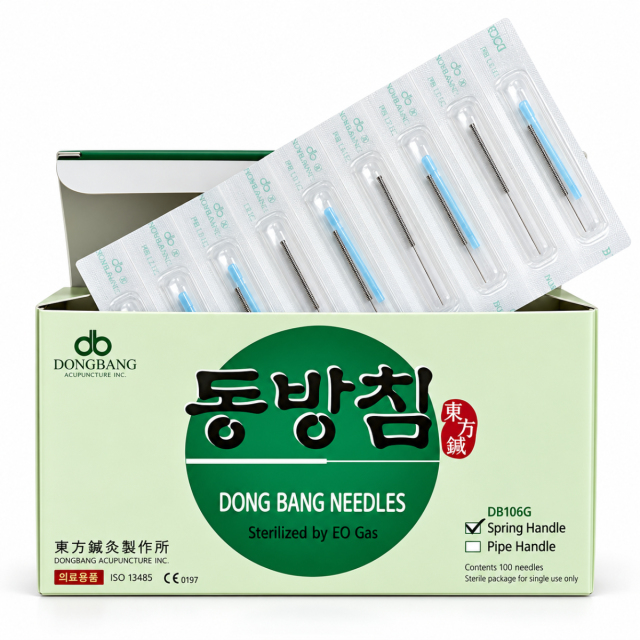
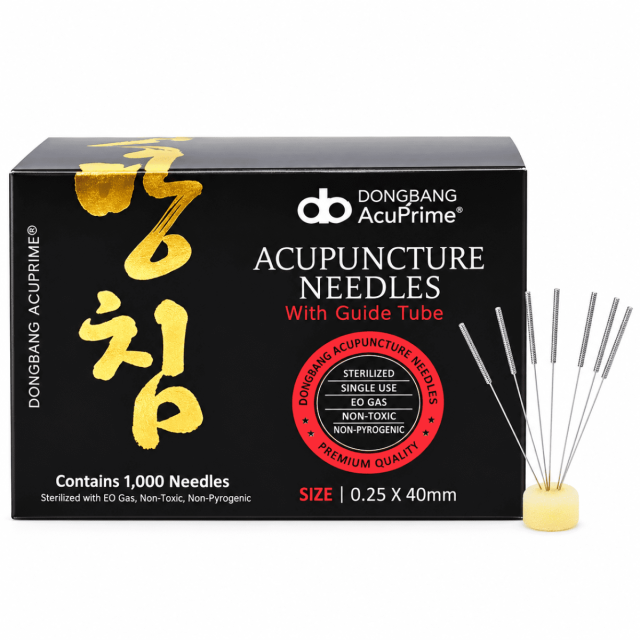
- DongBang DB100 Sterile Acupuncture Needles with Guide Tube: Single-use, stainless-steel acupuncture needles supplied with guide tubes and offered in different sizes.
See the complete Algeos professional acupuncture needle range for current product information and options.
Frequently Asked Questions
Can acupuncture cure plantar fasciitis?
There is no reliable evidence that acupuncture cures plantar fasciitis or repairs the plantar fascia. Some studies suggest that it can relieve pain, but longer-term benefits remain less certain.
How many acupuncture sessions are needed for plantar fasciitis?
There is no single evidence-based schedule that suits everyone. Trials have used different treatment courses. A qualified practitioner should agree a sensible review point with you and stop or reconsider treatment if it is not helping.
Is acupuncture better than stretching or insoles?
There is not enough consistent evidence to say that acupuncture is better. Stretching, exercise, supportive footwear and appropriate orthoses remain central parts of care; acupuncture is better considered an optional addition.
Does acupuncture for plantar fasciitis hurt?
People may feel a brief prick, dull ache or other temporary sensation during needling. Small bruises or soreness can occur afterwards. Tell the practitioner if you feel unwell or experience unexpected discomfort.
When should I seek medical advice for heel pain?
Seek assessment if pain is severe, worsening, recurring or has not improved after two weeks of self-care. The NHS also advises seeking medical advice if you have tingling or loss of feeling in your foot, or diabetes with foot pain. Do not assume every painful heel is plantar fasciitis.
Complementary Therapy for Plantar Fasciitis: The Bottom Line
Acupuncture may help some people manage plantar fasciitis-related pain, particularly when symptoms have become persistent. The evidence is promising in places, including a new trial published in 2026, but it does not establish acupuncture as a stand-alone cure or a replacement for rehabilitation.
If you are considering it, start with an accurate diagnosis, choose a qualified practitioner and keep doing the practical things that support recovery: appropriate exercise, sensible load management and footwear that works for your feet.
Medical information: This article is for general education and does not replace individual assessment, diagnosis or treatment advice from a GP, podiatrist, physiotherapist or other suitably qualified healthcare professional.

Sold: Each
Incl. VAT Exl. VAT