





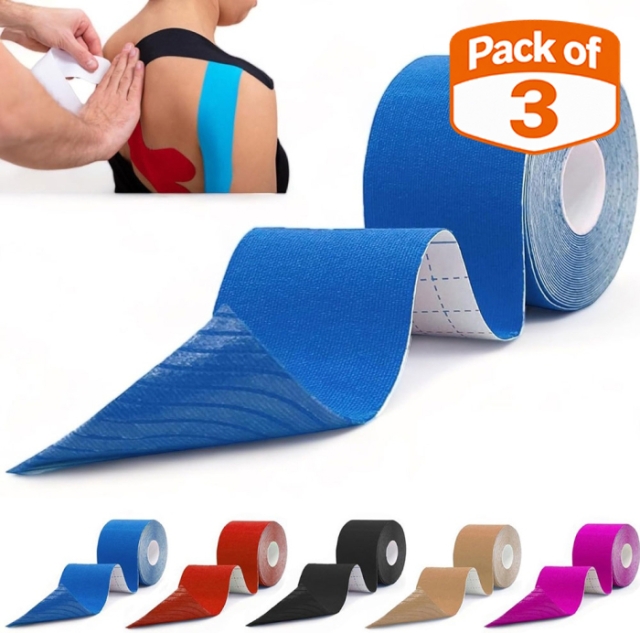
So what exactly does kinesiology tape do? When is it used and what the advantages of using this tape. Let's discuss what they are, what they do and how to choose the perfect tape for your needs.
Ankle Stability
Kinesiology tape can be a helpful tool for managing ankle instability, especially after sprains or in people with chronic “rolling” of the ankle. Unlike rigid sports tape - it doesn’t immobilise the joint but works by enhancing the body’s natural feedback and support systems.
One key effect is on proprioception – the body’s awareness of joint position. Instability often reduces this sense, making it harder to detect when the ankle is about to give way. The tape stimulates skin receptors, sending extra signals to the brain and improving reaction time.
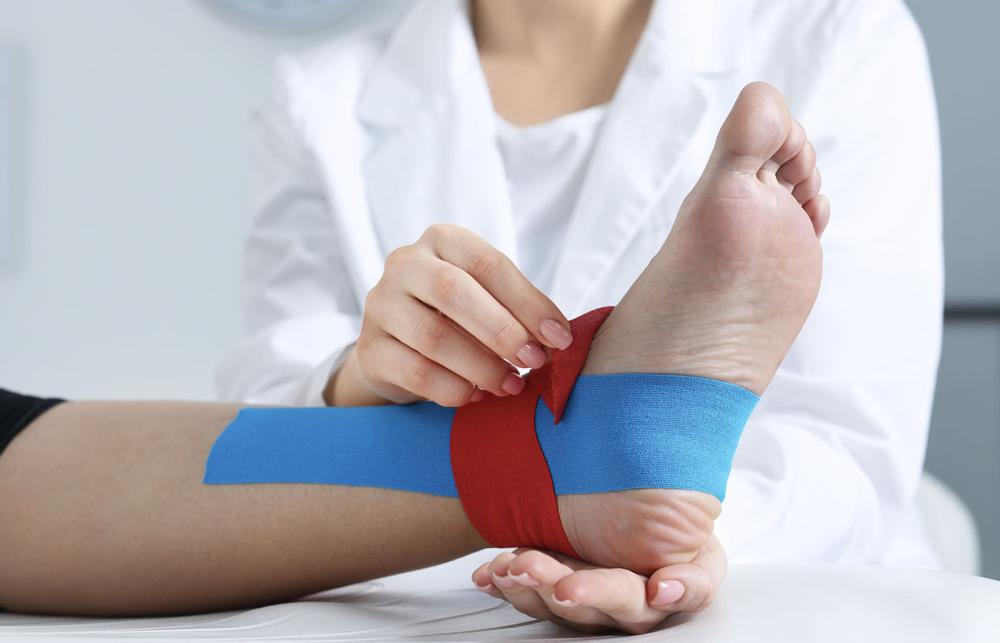
It also provides muscle activation cues. When applied along stabilising muscles, the tape gently encourages them to “switch on” at the right time, supporting balance and reducing sudden wobbling.
Kinesiology tape offers dynamic support too. Its elasticity allows natural movement but gives mild resistance at end ranges, helping prevent the ankle from rolling too far.
Shoulder Pain
Kinesiology tape is widely used for shoulder pain and instability, especially in conditions like rotator cuff injuries, impingement, bursitis, or postural issues. Unlike rigid strapping, it doesn’t lock the shoulder in place – instead, it works through feedback, muscle cueing, and gentle support. Here’s how it helps:
1. Postural correction
- Many shoulder problems are linked to rounded shoulders or poor alignment.
- Taping across the upper back and shoulder can provide a tactile reminder to keep the shoulders drawn back and the chest more open.
- This reduces strain on the rotator cuff and improves shoulder mechanics.
2. Reducing pain and impingement
- By slightly lifting the skin, kinesiology tape may reduce pressure on inflamed tissues and improve blood and lymph flow.
- This can ease discomfort from bursitis or tendon irritation.
3. Muscle activation or inhibition
- Taping along weakened muscles (e.g. rotator cuff, lower trapezius) can encourage activation.
- Taping across overactive or tight muscles (e.g. upper trapezius) can help inhibit excessive firing.
- The goal is restoring a better balance between stabilisers and movers.
4. Dynamic support
- Elastic recoil of the tape provides light support to the shoulder joint without restricting movement – ideal for athletes who need mobility.
5. Confidence and awareness
- Like with ankles, the tape gives constant feedback through the skin. Many patients report feeling more stable and supported when taped.
In practice: therapists typically apply strips across the deltoid, along the shoulder blade, or in an “I” or “Y” pattern depending on the condition. It’s usually part of a bigger plan including strengthening, stretching, and postural retraining.
Wrist and Forearm
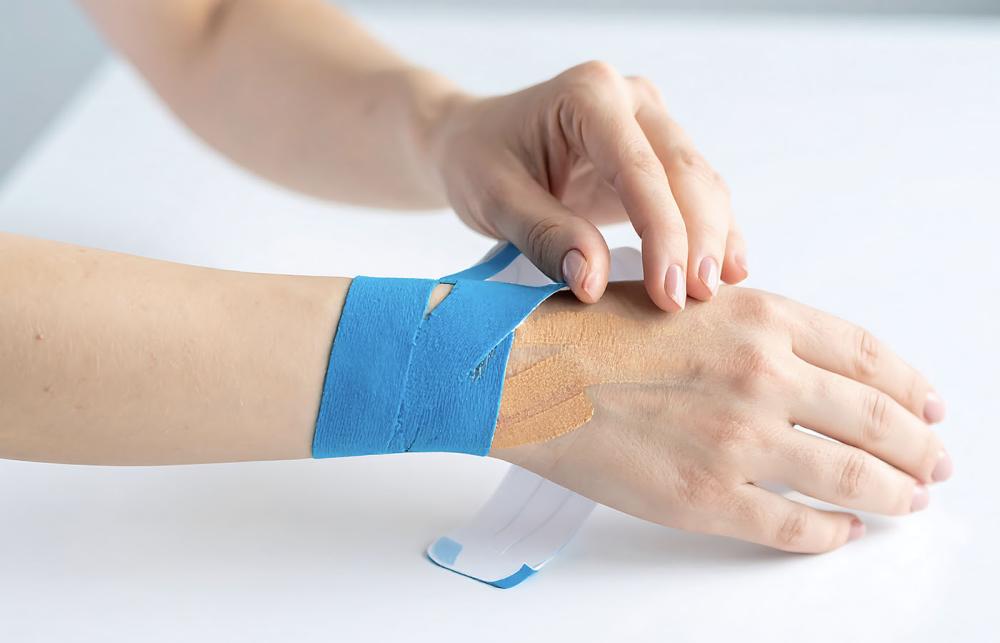
Kinesiology tape is often applied to the wrist and forearm to manage pain, swelling, or instability from conditions like sprains, carpal tunnel syndrome, tendonitis, or overuse injuries. The tape doesn’t rigidly restrict movement like a brace, but instead works by supporting tissues and giving the body extra feedback.
Leg and Knee
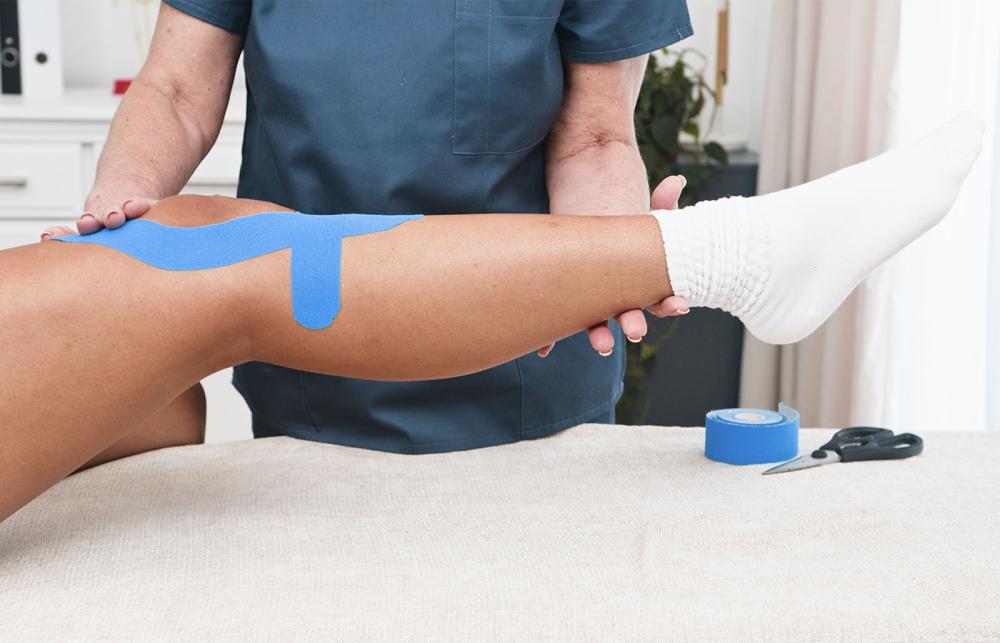
Kinesiology tape is commonly used on the leg and knee to help with pain, instability, and recovery after injury. It doesn’t act like a rigid brace – instead, it supports movement by improving feedback, reducing strain, and assisting circulation.
For the knee:
- Patellar tracking: Tape can guide the kneecap into a better position, reducing discomfort from conditions like patellofemoral pain syndrome.
- Instability: Elastic support around the joint gives gentle resistance at end ranges, helping prevent the knee from “giving way.”
- Swelling control: Useful after injuries or surgery, the tape lifts the skin microscopically to promote fluid drainage and reduce stiffness.
For the leg muscles:
- Quadriceps/hamstrings: Strips along these large muscles can cue them to activate properly or reduce tension if they’re overworking. This is helpful in strains or post-exercise soreness.
- Calf muscles: Taping can support recovery from calf strains or Achilles problems, and reduce fatigue during running or sport.
- Shin splints: Applied along the tibia and calf, kinesiology tape can decrease stress on irritated tissues.
Is Kinesiology Tape right for you?
The key advantage of kinesiology tape is that it provides support without restricting movement. Unlike rigid sports tape or braces, it allows you to stay mobile while still offering proprioceptive feedback, muscle cueing, and a sense of stability. This makes it especially popular in sports and rehab, where freedom of movement is vital.
The key disadvantage is that its effects are usually short-term and partly subjective. While many people feel more stable and experience less pain, research shows results can be variable. The tape doesn’t replace proper rehab, strengthening, or medical care, and in some cases, it may not make much difference beyond a psychological boost.
| Key Advantages | Key Disadvantages |
|---|---|
| Support without restricting movement – elastic tape allows normal range while adding gentle guidance at end ranges. | Short-term effect – benefits often fade after a few days and require reapplication. |
| Proprioceptive feedback – tactile cues can improve balance, joint awareness and timing of stabilising muscles. | Variable evidence – outcomes differ between individuals and conditions; effects may be modest or mainly perceived. |
| Swelling & pain modulation – skin lift can aid lymphatic flow; many report reduced pain and stiffness. | Not a standalone fix – does not replace strengthening, load management, or medical treatment. |
| Versatile & skin-friendly – multiple applications (ankle, knee, shoulder, wrist); breathable and wearable during daily activity or sport. | Application skill matters – poor technique or incorrect tension can reduce benefit or irritate skin. |
| Confidence boost – many feel more stable and willing to move, aiding graded return to activity. | Cost & sensitivity – ongoing re-taping adds cost; some users experience skin reactions to adhesives. |
Kinesiology tape is great for movement-friendly support and confidence, but it’s not a cure-all and shouldn’t be relied on as the only solution.
FAQ: How Kinesiology Tape Works
What is kinesiology tape?
It’s an elastic, therapeutic tape applied to the skin to support muscles and joints while allowing a full range of motion. Commonly used for injuries, it’s popular among athletes and those recovering from muscle strain.
How does it support muscles?
By gently lifting the skin, it reduces pressure on underlying muscles, promoting contraction and endurance during activity and reducing fatigue.
Does it relieve pain?
Yes, by lifting the skin and reducing tension in muscles, it improves blood flow and alleviates pain.
How does it enhance movement?
It supports proper muscle alignment and function without restricting movement, unlike rigid tapes.
Can it speed up recovery?
Yes, it stabilises muscles, reduces inflammation, and improves circulation, aiding faster healing.
Does it help with circulation?
The tape improves blood and lymphatic flow, reducing swelling and inflammation around injuries.
Can it prevent further injuries?
By offering support to weakened areas, it reduces strain and promotes correct movement, lowering the risk of re-injury.
What conditions can it be used for?
It’s effective for conditions like plantar fasciitis, tendonitis, and muscle strains, offering targeted support to various body parts.
How long can it be worn?
It typically lasts 3 to 5 days, staying in place even during exercise and showering.
Is it suitable for sensitive skin?
Most tapes are hypoallergenic, but individuals with sensitive skin should test it first to ensure no irritation occurs.
Article First published August 2024, edited August 2025
Read more about tapes buy online: Physiotherapy and Sports Tapes | KT Tape for Kinesiology
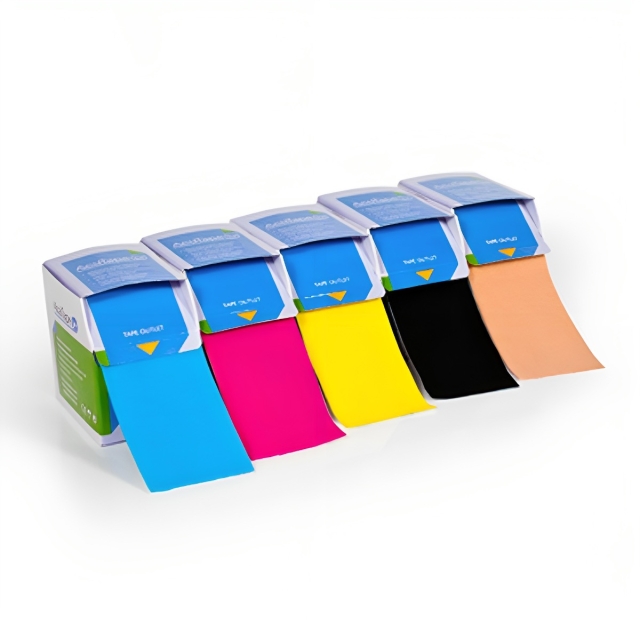
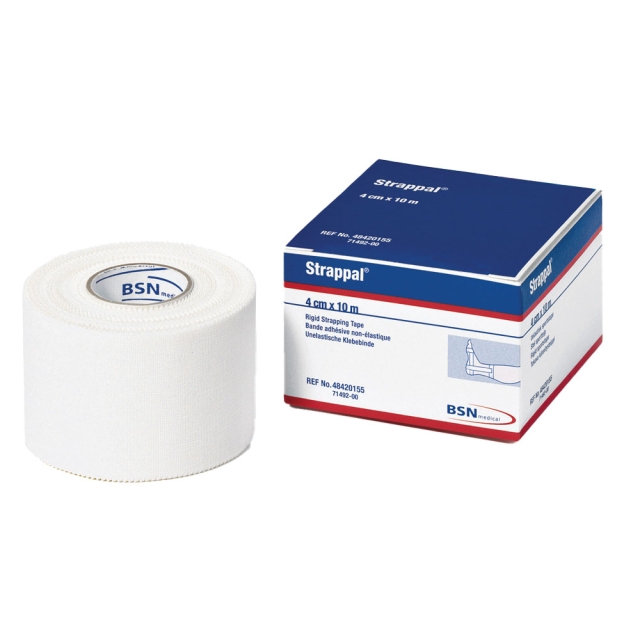
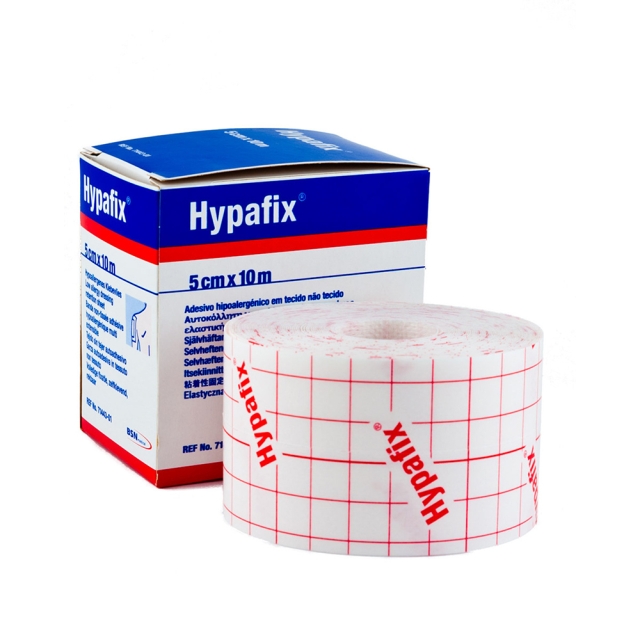
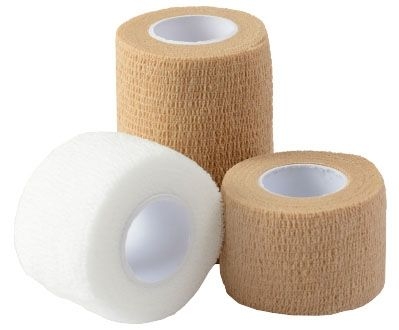
Sold: Per Roll
Incl. VAT Exl. VAT