Algeos expands pressure-care portfolio through new Caversham partnership
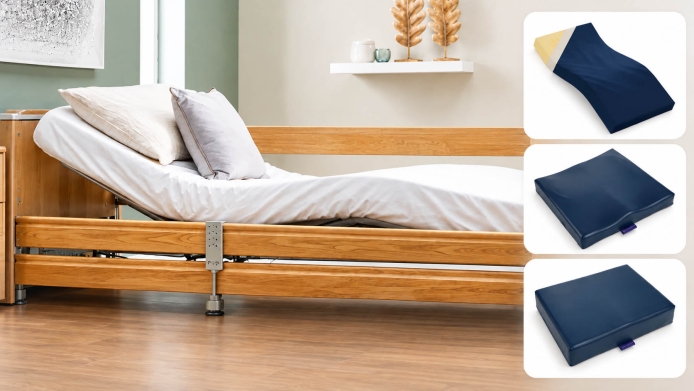
Algeos has expanded its pressure-care portfolio through a new distribution partnership with Caversham®, making four specialist Class I medical devices available to healthcare professionals and care providers across the UK.
Introducing our comprehensive range of sports injury tape and supports, designed to keep athletes performing at their best while providing essential protection and relief. Whether you're a football player, rugby enthusiast, or hockey pro, our products are engineered to support you through every twist, turn, and tackle.
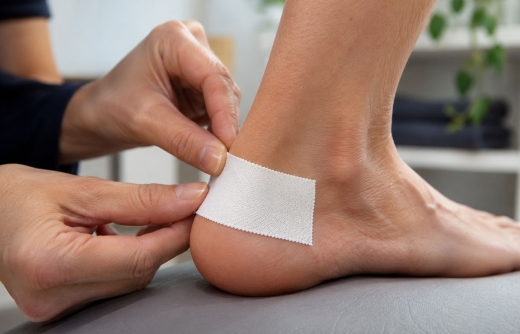
Applied smoothly to a known rubbing point before activity, tape may act as a protective layer. Heal: Not directly. Once a blister forms, protect it from further rubbing with a suitable dressing and allow the skin to recover.
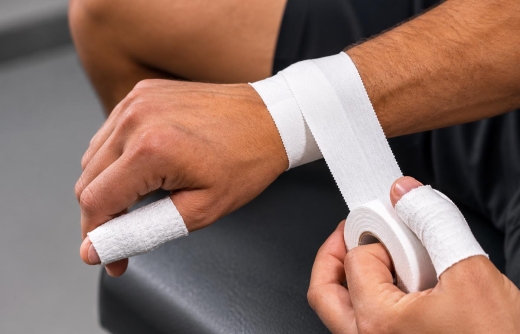
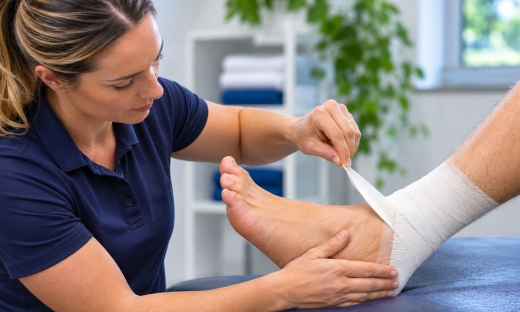
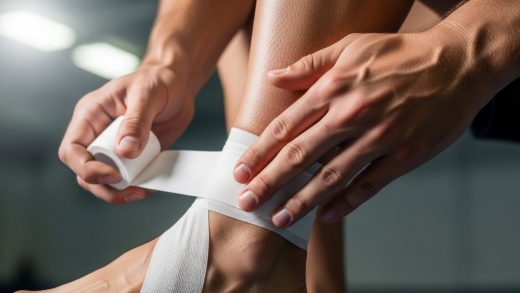
Zinc oxide tape is a small roll with a surprisingly big job: keeping joints supported when movement needs a little restraint. But the same grip that makes it useful can cause trouble when tape is pulled too tightly, left on too long or ripped off in a hurry.
Here is how to get the support without giving your skin a reason to complain.
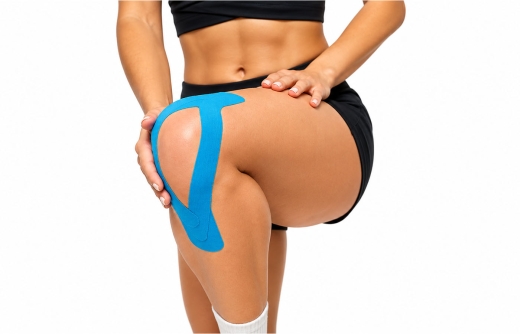
Kinesiology tape has become a common sight in the world of sports. You've likely seen athletes adorned with colourful strips of tape, strategically placed on their bodies. But what is this tape, and why is it used?
Sports taping is widely used by physiotherapists, sports therapists and athletes to support joints, manage movement and provide additional confidence during physical activity. From rigid zinc oxide tape to flexible kinesiology tape, choosing the right product depends on the body area, intended purpose and level of support required.
This guide explains the main types of sports tape, their clinical applications and how to use them safely.
Physiotherapy tapes are important tools in sports and rehab. They help prevent injuries and improve performance and recovery. This guide will explore the different types of sports tapes. The explanation will cover their uses and how to choose the right tape for you.
In this guide, we’ll introduce a simple and proven four-strip taping technique tailored for plantar fasciitis. This method involves strategically placing three long strips of tape along the foot and a shorter strip supporting the heel. The taping works by stabilising the arch, improving circulation, and relieving tension on the plantar fascia.
Did you know approximately 1 in 6 people in England have back pain, this includes people of all ages and all causes of back pain. Back pain is a common condition that affects people of all ages and it refers to discomfort, tension, or stiffness in the back area, ranging from mild to severe.
It can be in different regions from the lower back (lumbar region), middle back (thoracic region) and upper back (cervical and thoracic regions). The lumbar region is the most common area for back pain since it supports much of the body’s weight.
Kinesiology sports tapes, often seen adorning the bodies of athletes, have grown in popularity for their potential to aid in injury recovery and performance enhancement. These colourful tapes, with their distinctive patterns, are not just for show. They serve various functional purposes that can benefit anyone from professional athletes to everyday fitness enthusiasts. Here’s a guide on how to use them effectively.
Get ready for the London Marathon with our top ten tips for marathon success! Running a marathon takes mental and physical strength, but with our advice on positive self-talk, footware, strength training, and refueling, you'll be on your way to the finish line in no time.