




Types, Benefits and How to Choose the Right Tape
By Marc Cameron | Algeos
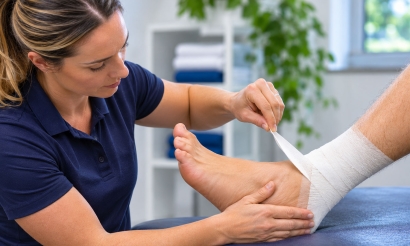
Sports taping is widely used by physiotherapists, sports therapists and athletes to support joints, manage movement and provide additional confidence during physical activity. From rigid zinc oxide tape to flexible kinesiology tape, choosing the right product depends on the body area, intended purpose and level of support required.
This guide explains the main types of sports tape, their clinical applications and how to use them safely.
What Is Sports Taping?
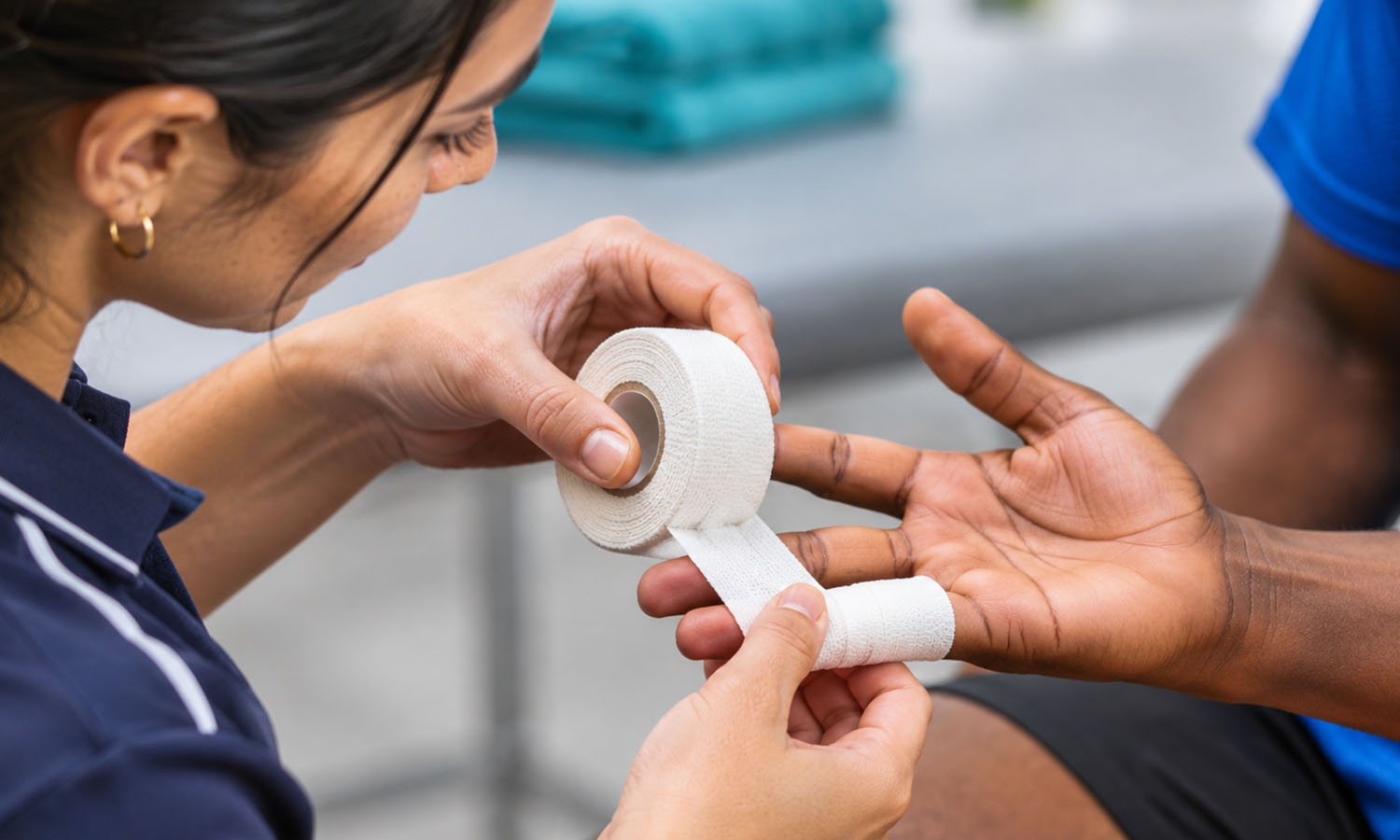
Definition: Sports taping is the application of specialised adhesive or self-adherent tape to the body to provide mechanical support, influence movement or secure protective materials during sport and rehabilitation. Different tapes provide different levels of flexibility, compression and restriction.
Sports taping may be used to protect vulnerable joints, assist rehabilitation or support participation in exercise. However, it is not a substitute for appropriate assessment, strength training or a structured rehabilitation programme.
For tape products suitable for professional and home applications, explore the Algeos physiotherapy tape range.
How Does Sports Tape Work?
Sports tape works differently depending on its construction and application. Non-elastic tape provides mechanical resistance to selected joint movements. Elastic tape stretches with the body and may offer sensory feedback without substantially restricting normal movement.
There are three important considerations:
- Mechanical support: Rigid strapping may limit excessive movement around a joint, particularly when applied using an appropriate technique.
- Sensory feedback: Contact between tape and skin may increase awareness of movement or positioning. However, measurable improvements in proprioception are not consistently demonstrated.
- Comfort and confidence: Some people report feeling more supported during activity, although this does not necessarily indicate greater joint stability.
Evidence supporting taping is strongest for certain applications, including reducing recurrent ankle sprains when appropriate external support is used. Claims that taping universally improves strength, circulation or athletic performance are less well established.
The Main Types of Sports Tape Explained
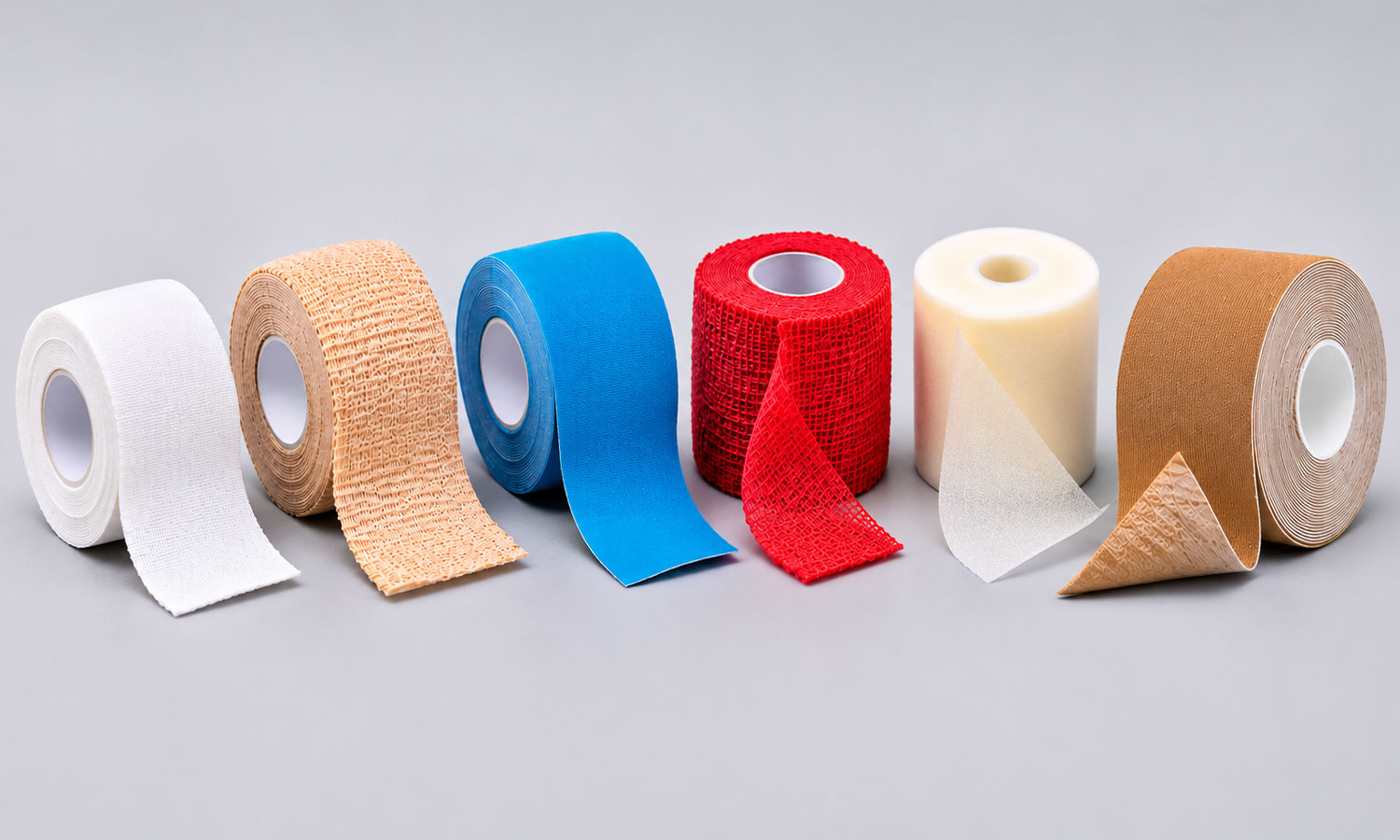
1. Zinc Oxide Tape
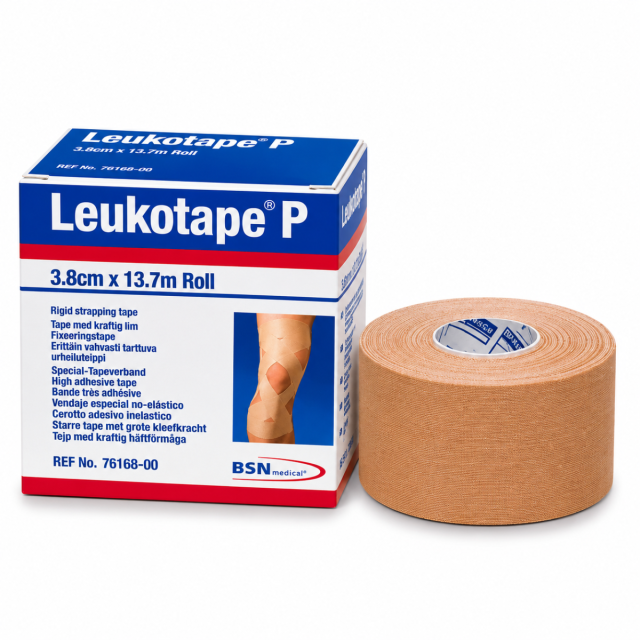
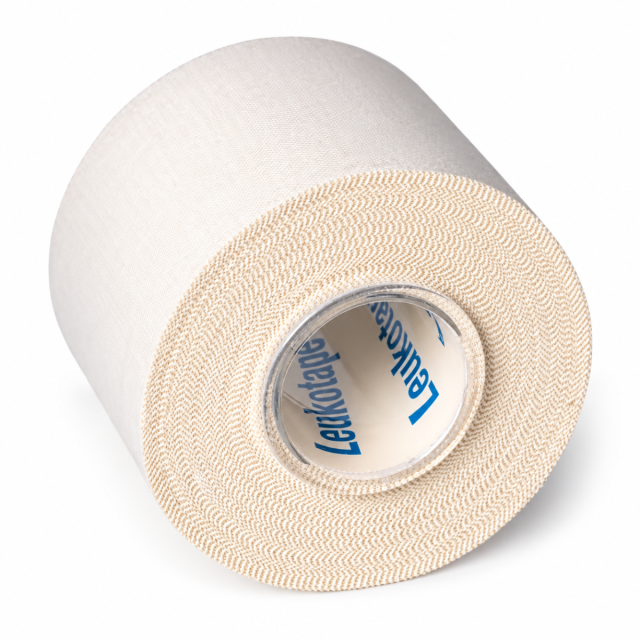
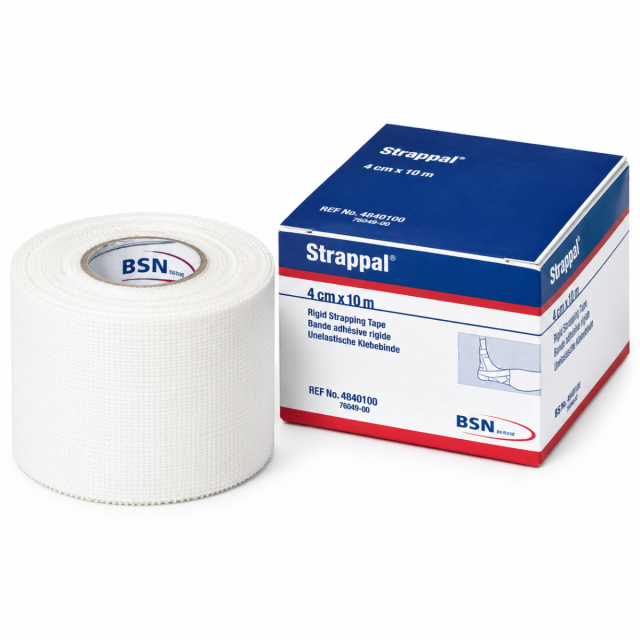
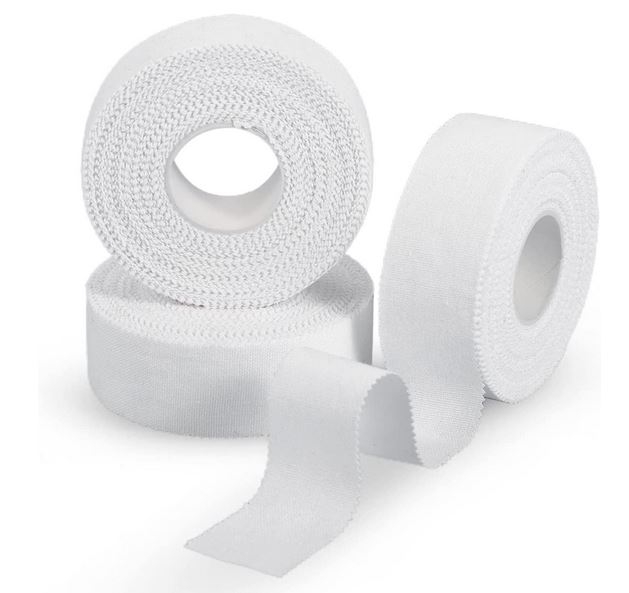
Zinc oxide tape is a strong, largely non-elastic adhesive tape used when firm joint support is required. It is commonly used around ankles, wrists and fingers to restrict selected movements.
Its rigidity makes it suitable for structured strapping techniques. Because it adheres firmly, careful application and removal are important, especially for sensitive skin.
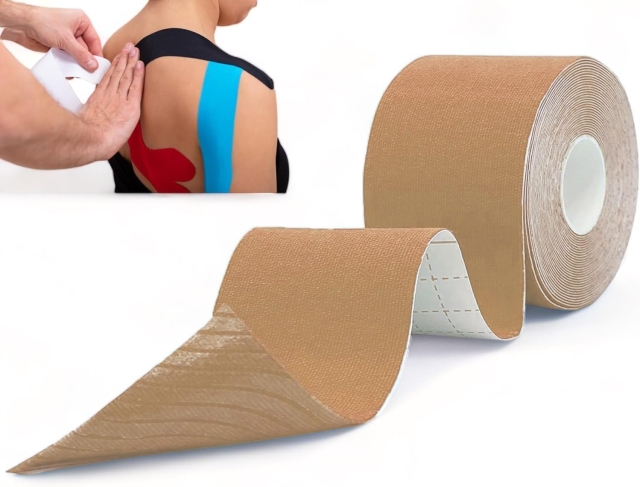
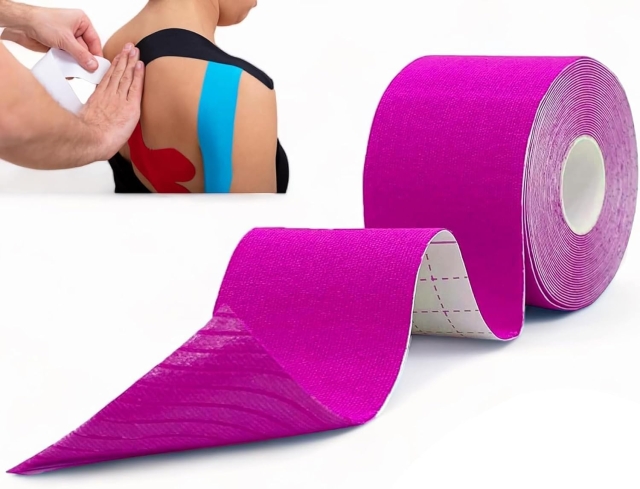
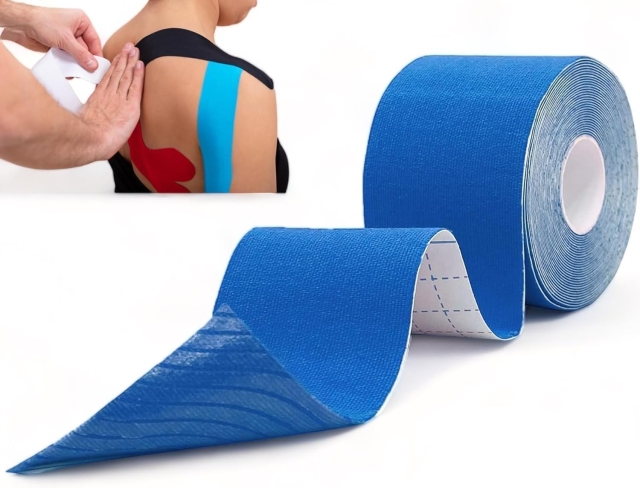
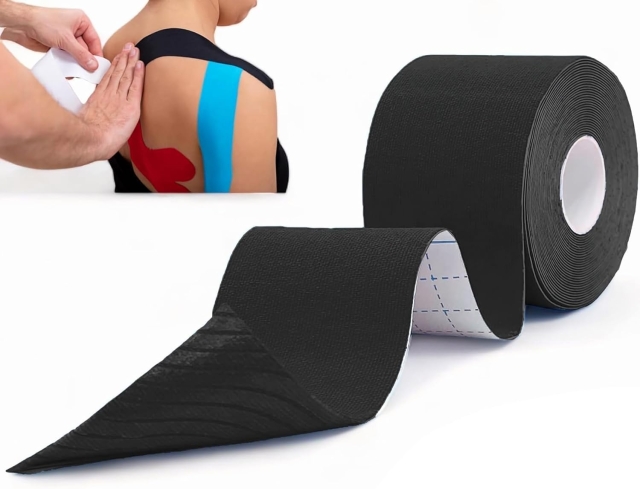
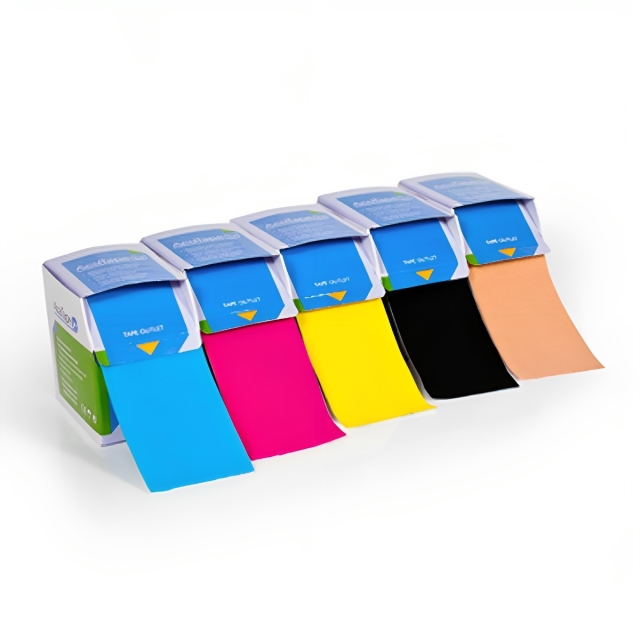
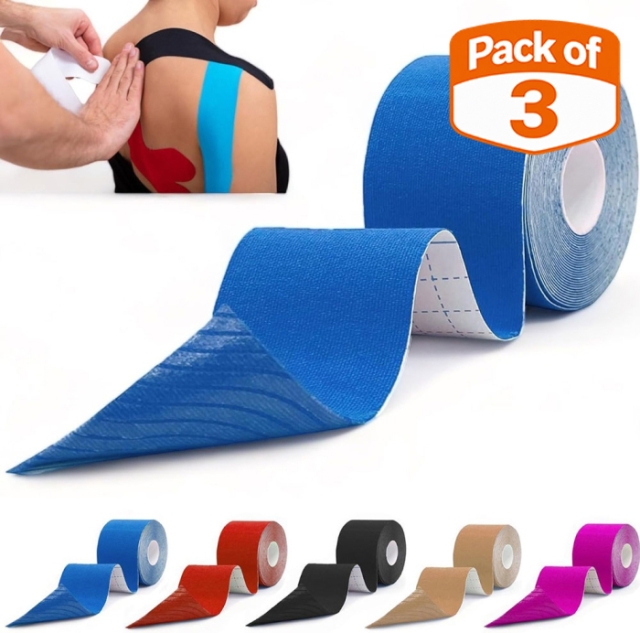
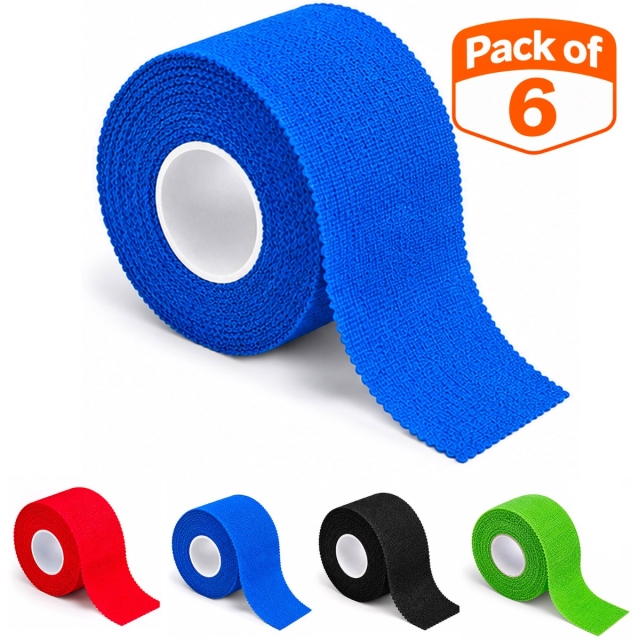
2. Kinesiology Tape
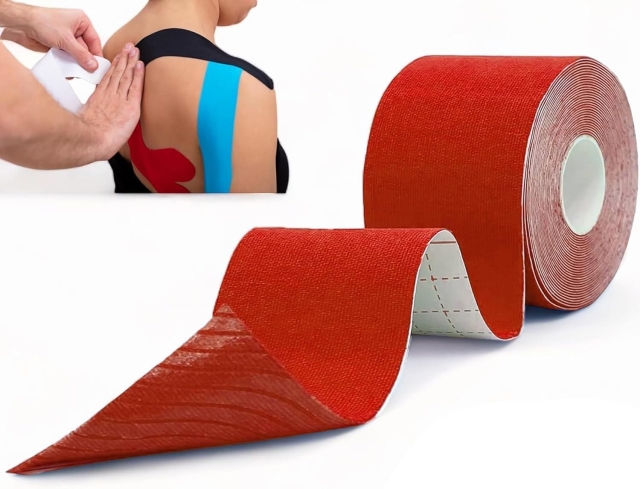
Kinesiology tape is a flexible, elastic tape designed to move with the skin. It is frequently used around shoulders, knees and muscle groups where maintaining movement is desirable.
Some studies suggest short-term improvements in pain or function, but findings vary between conditions. Kinesiology tape should not be relied upon to stabilise an unstable joint.
3. Elastic Adhesive Bandage (EAB)
Elastic adhesive bandage combines stretch with adhesive fixation. It can provide adaptable support and compression for sporting applications while allowing more movement than rigid tape.
The amount of tension requires care because excessive compression may cause discomfort or restrict circulation.
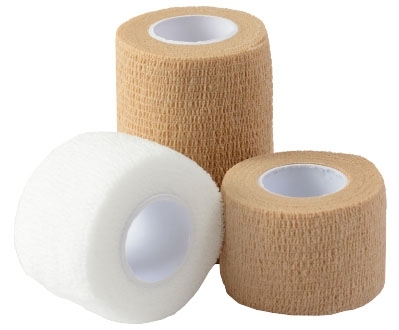
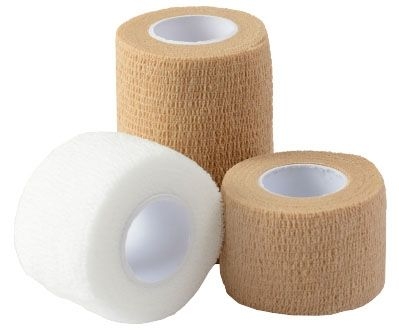
4. Cohesive Bandage
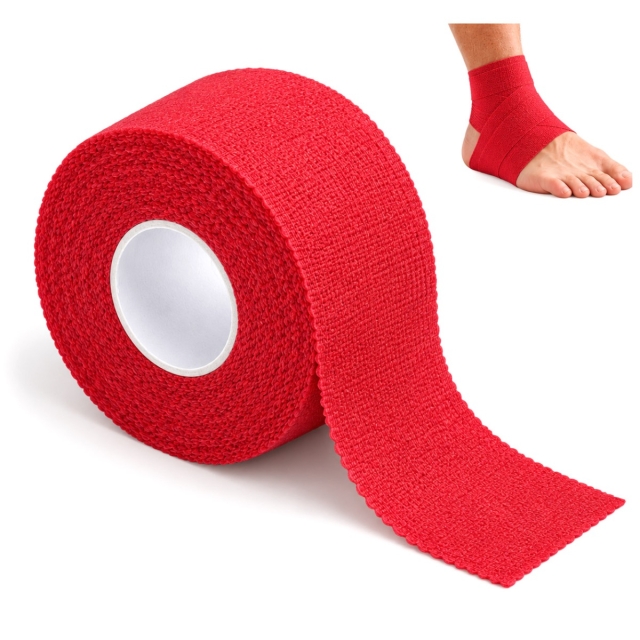
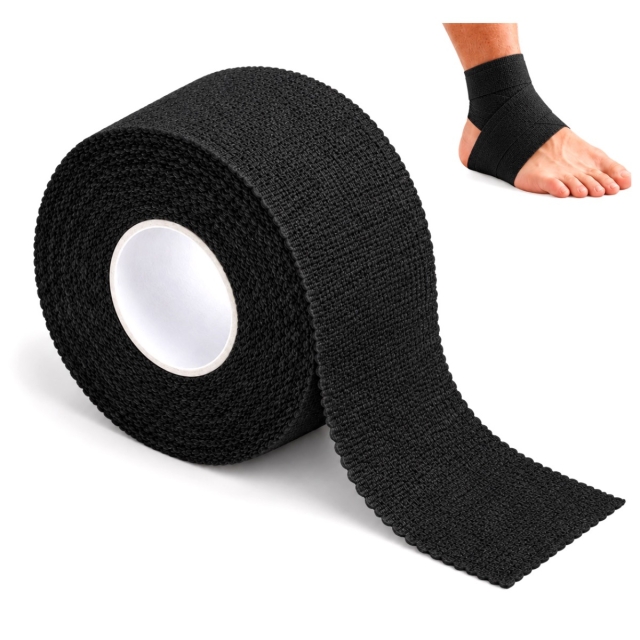
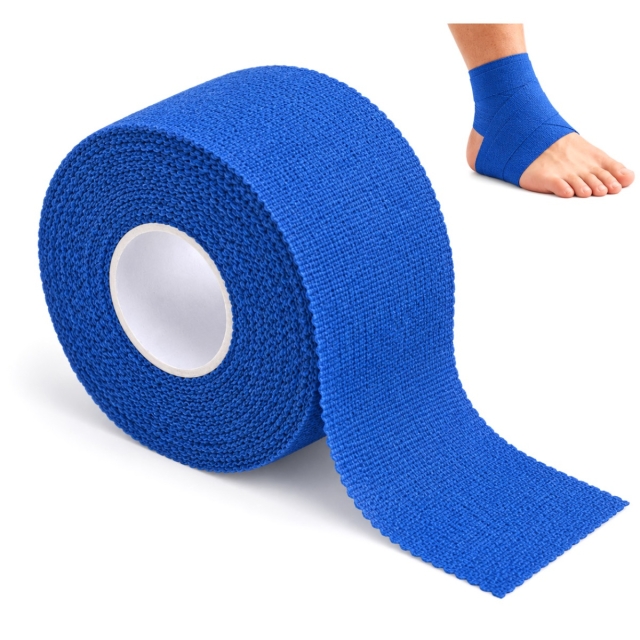
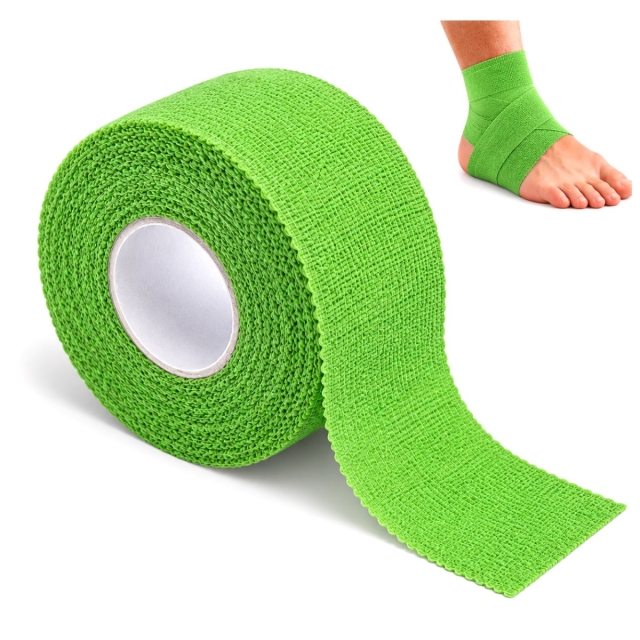
Cohesive bandage adheres primarily to itself rather than directly to the skin. It is useful for holding padding or dressings in place and for selected compression applications.
It is often convenient when repeated adjustments are required, but it should never be wrapped tightly around a limb.
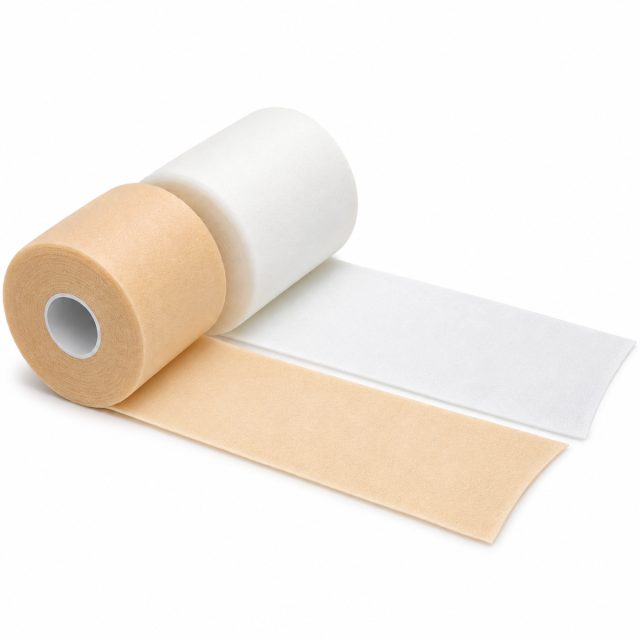
5. Underwrap and Fixation Tape
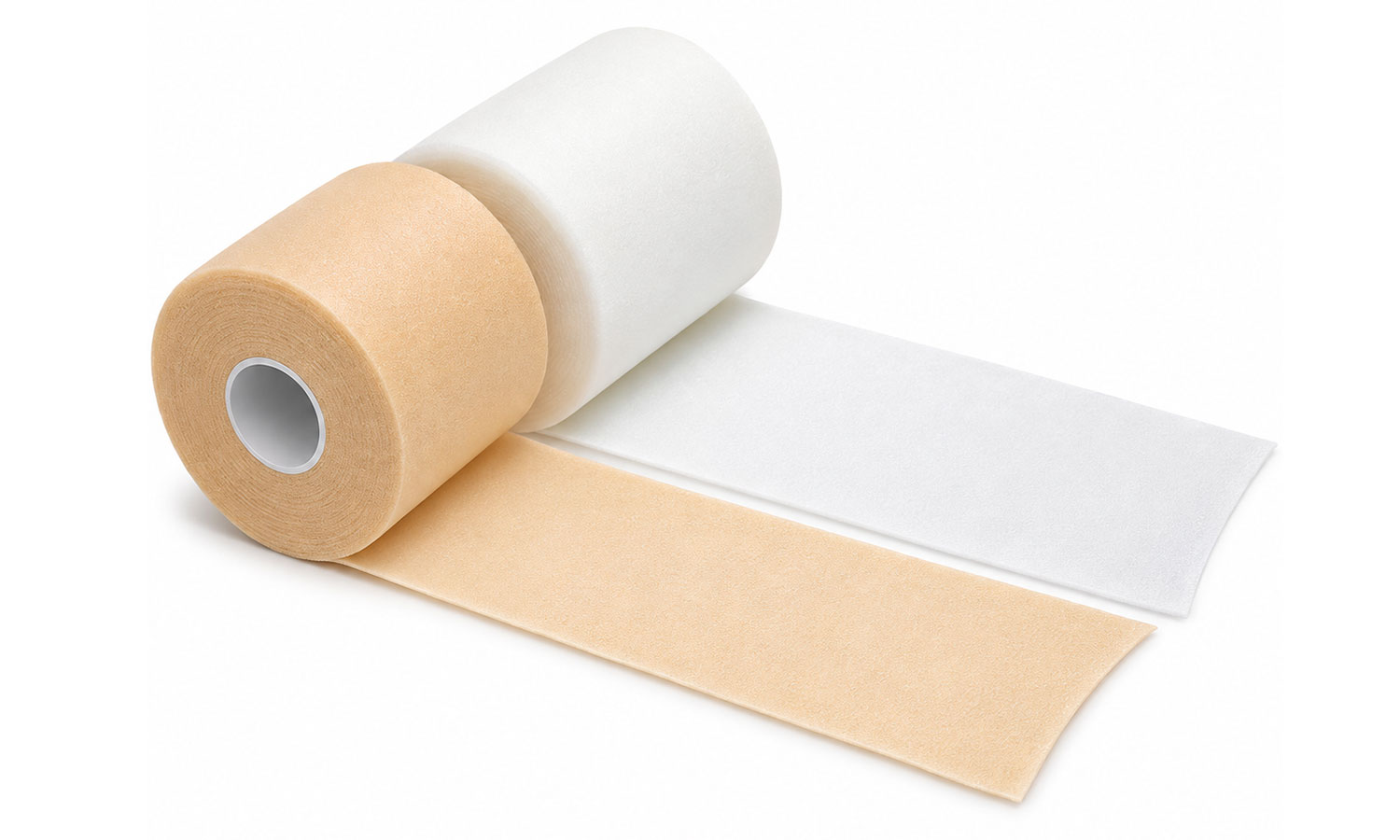
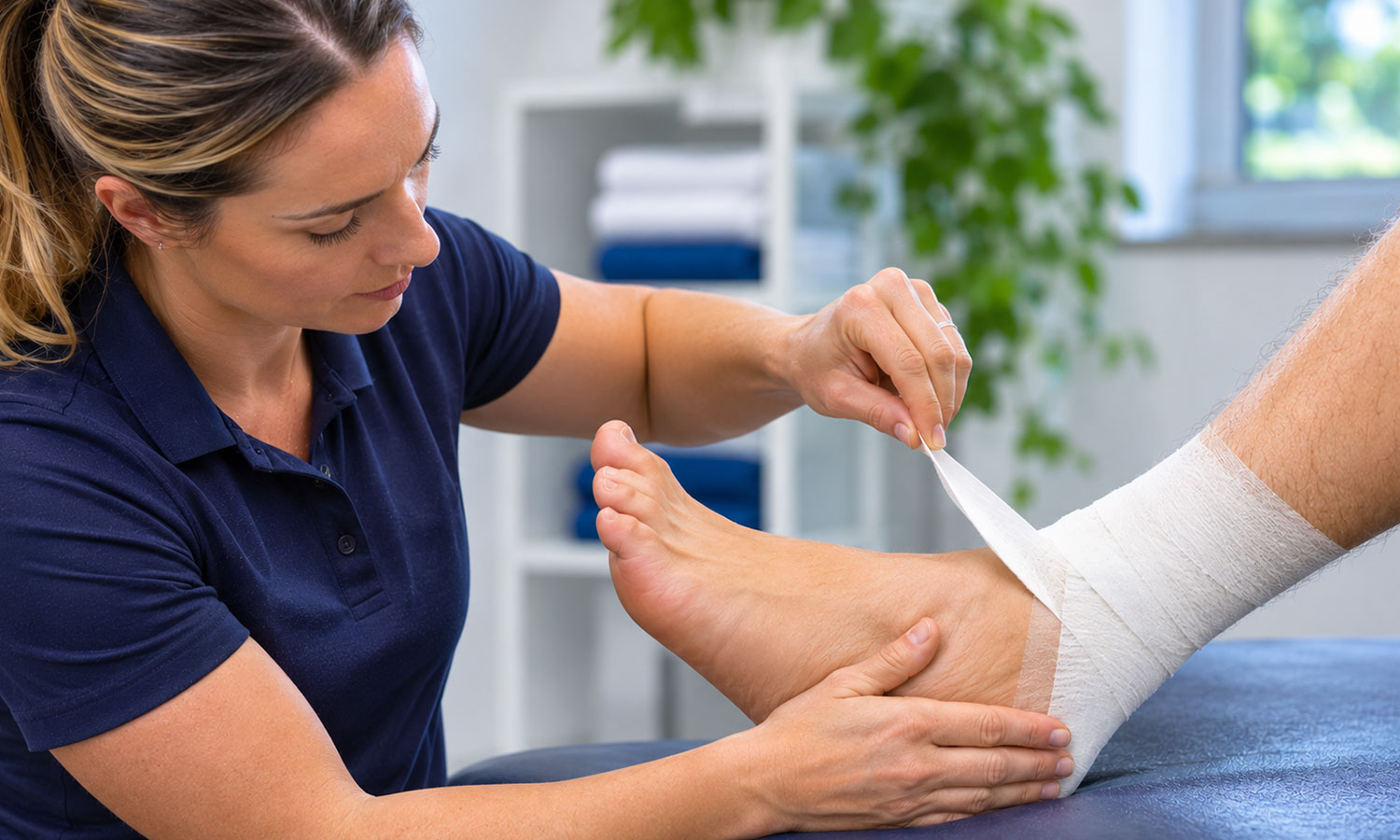
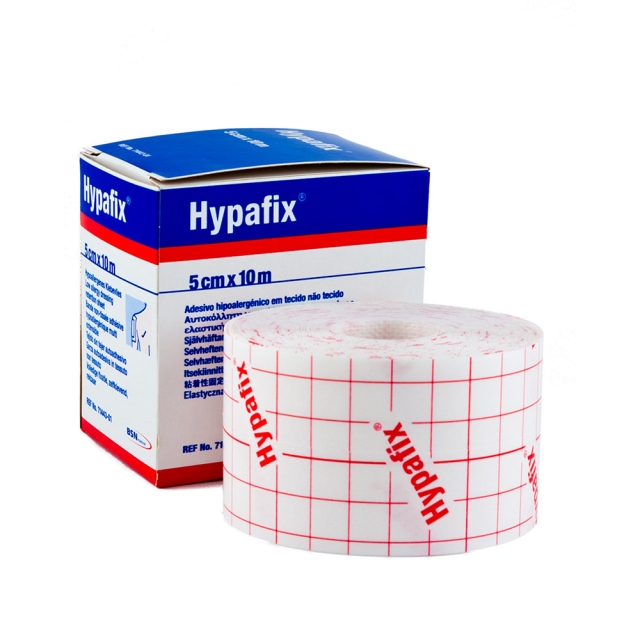
Underwrap (as below) provides a protective layer beneath rigid strapping and can reduce direct adhesive contact with the skin. Fixation tape is used to secure dressings, padding or other materials.
Neither should automatically be considered a replacement for supportive sports strapping.
Sports Tape Comparison: Which Type Should You Choose?
| Tape type | Stretch | Primary purpose | Typical application |
|---|---|---|---|
| Zinc oxide | Minimal | Firm mechanical support | Ankle, wrist and finger strapping |
| Kinesiology | High | Flexible taping and sensory feedback | Knee, shoulder and muscle areas |
| Elastic adhesive | Moderate | Adaptable support and compression | Sporting support techniques |
| Cohesive bandage | Variable | Self-adherent wrapping | Padding retention and compression |
| Underwrap | Variable | Skin protection beneath tape | Preparation for rigid strapping |
Quick recommendation: Choose rigid zinc oxide tape when restricting movement is the principal objective. Consider kinesiology tape when flexibility is important and the person understands its limitations. Use cohesive bandages primarily for wrapping and securing materials.
When Is Sports Taping Most Useful?
Ankle Support
Ankle strapping is commonly used by footballers, runners and court-sport athletes, particularly following previous ligament injuries. Evidence-based guidelines indicate that appropriately selected tape or ankle braces can reduce recurrent sprains.
For individuals needing reusable external support, ankle braces and supports may be a practical alternative.
Knee and Muscle Applications
Elastic kinesiology tape is sometimes applied around the knee or along muscle groups during rehabilitation. It may improve perceived comfort in some people, but it does not repair injured tissue or reliably correct muscle function.
Wrist and Finger Support
Rigid tape can help restrict selected movements of the wrist or fingers during sporting participation. However, suspected fractures, dislocations or significant ligament injuries require assessment before strapping.
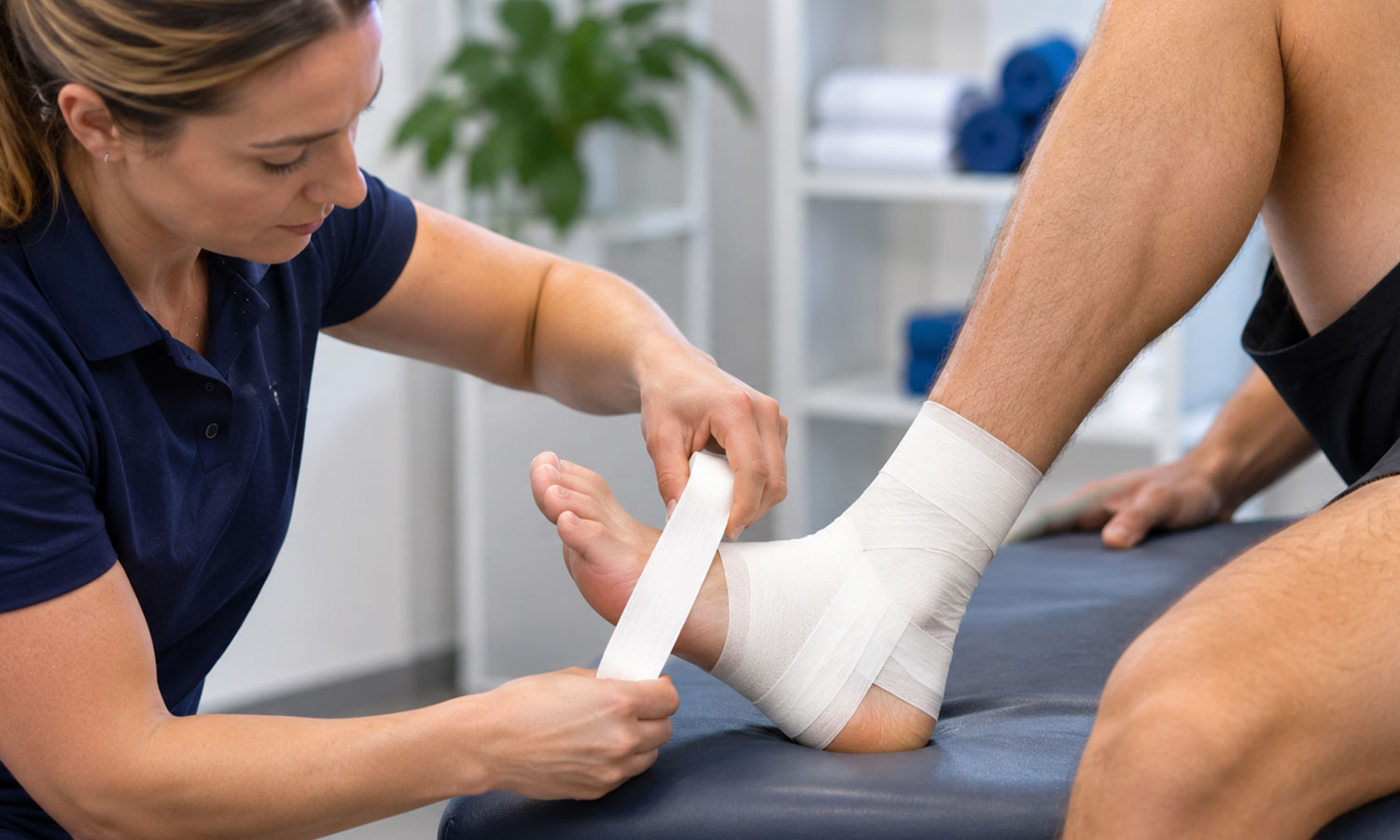
How to Apply Sports Tape Safely: Step-by-Step
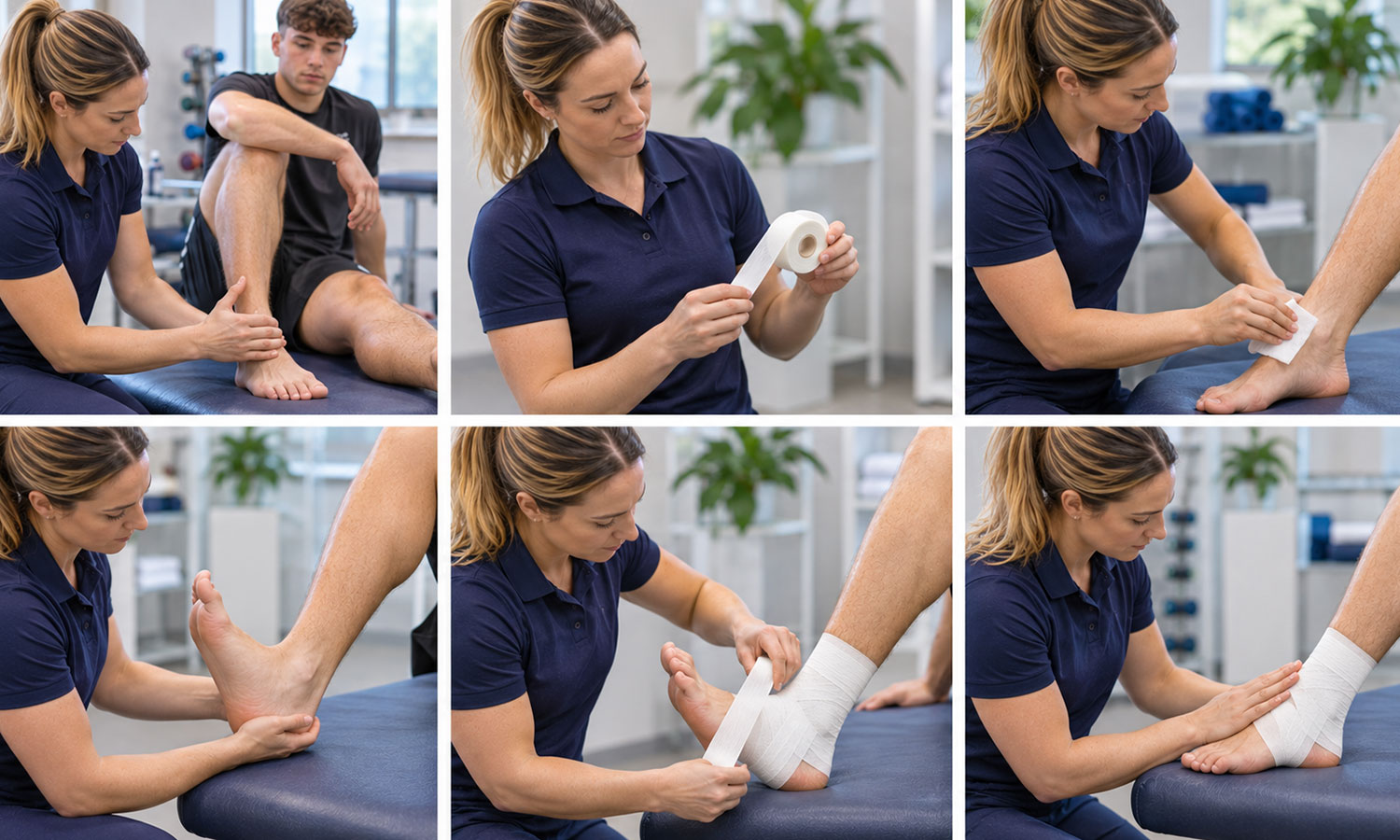
Application techniques differ depending on the joint, injury and tape being used. The following process provides general preparation and safety guidance rather than a condition-specific strapping prescription.
- Assess the area. Identify the purpose of taping and check for significant pain, swelling, deformity or other symptoms requiring medical assessment.
- Select the appropriate tape. Match the tape's rigidity and adhesive properties to the intended support or fixation.
- Prepare the skin. Clean and dry the area. Avoid applying tape over broken or irritated skin. Consider a small patch test for adhesive sensitivity.
- Position the joint. Place the body part in the position recommended for the selected technique. Avoid forcing painful movement.
- Apply the tape. Follow the manufacturer's instructions or a technique demonstrated by a qualified practitioner. Avoid excessive stretch, compression or circumferential tension.
- Check comfort and circulation. Confirm that movement and sensation are appropriate. Remove the tape immediately if numbness, tingling, increasing pain or colour changes occur.
- Remove carefully. Support the skin while peeling the tape back slowly. Use an appropriate adhesive remover where necessary.
Clinical safety: Sports tape should never be used to conceal symptoms or enable premature return to sport. Seek urgent assessment for severe pain, substantial swelling or inability to bear weight. A visibly deformed limb, numbness or a cold or discoloured extremity requires emergency assessment.
What Do Sports Tape Users Say?
Individual experiences vary according to the tape, activity and application method. Commonly discussed practical considerations include:
- Support: Athletes may prefer firm strapping for activities involving rapid changes of direction.
- Flexibility: Kinesiology tape is often chosen when maintaining unrestricted movement is a priority.
- Convenience: Reusable braces may be easier to apply consistently than complex strapping techniques.
- Skin comfort: Adhesive sensitivity, perspiration and removal discomfort can influence product preference.
These are general user considerations rather than verified customer testimonials. Personal experience should be considered alongside clinical evidence when selecting a product.
Common Sports Taping Mistakes
Even good-quality tape can cause problems when used incorrectly. Frequent mistakes include applying excessive tension, choosing flexible tape when firm stability is needed and failing to assess skin sensitivity.
Another common mistake is treating sports tape as a complete rehabilitation solution. Following an injury, appropriate loading, balance exercises, strengthening and gradual return to activity remain essential.
The NHS recommends initial protection and symptom management for sprains and strains, followed by suitable movement as pain allows. Persistent or worsening symptoms should be professionally assessed.
Frequently Asked Questions About Sports Taping
What is the best tape for ankle support?
Rigid zinc oxide tape is frequently used for structured ankle strapping. An ankle brace may be preferable where reusable and consistent support is required. The best option depends on the individual's injury history and clinical needs.
Is kinesiology tape better than zinc oxide tape?
Neither is universally better. Kinesiology tape allows movement while zinc oxide tape provides greater mechanical restriction. They are intended for different purposes.
Can sports tape prevent injuries?
Appropriate ankle taping or bracing can reduce the risk of recurrent ankle sprains. However, protection varies by injury and activity. Tape cannot prevent every injury.
How long should sports tape stay on?
Duration depends on the product and application. Rigid strapping is generally removed after the intended activity or according to clinical advice. Some kinesiology tapes are designed for longer wear. Always follow product instructions.
Can I apply sports tape myself?
Some straightforward applications can be performed independently after suitable instruction. Complex joint strapping should initially be demonstrated by a qualified healthcare or sports therapy professional.
Can sports taping help with pain?
Some people experience short-term pain relief, particularly with certain elastic taping applications. However, clinical evidence is mixed and tape should not replace diagnosis or active treatment.
Should I use sports tape or a brace?
A brace may offer reusable support and convenient application. Tape can be adapted to individual anatomy and specific sporting requirements. A physiotherapist can help determine the most suitable option.
Choosing Sports Tape for Your Needs
The most useful sports tape is not necessarily the strongest or most expensive. Selection should begin with a clear goal: restricting movement, allowing flexible support, holding padding in place or providing compression.
Consider skin tolerance, application experience and whether the product will be used during intensive sport or everyday rehabilitation. For professional supplies and suitable product options, browse the Algeos sports and physiotherapy tape selection.
Used appropriately, sports tape can be a valuable part of injury management and athletic preparation. Its greatest value comes when the product, application technique and rehabilitation plan are matched to the person's needs.
References and Further Reading
- NHS: Sprains and Strains - Assessment, management and warning signs.
- British Journal of Sports Medicine: Evidence-Based Ankle Sprain Guideline - Support, rehabilitation and prevention.
- The Effects of Kinesio Tape on Acute Ankle Sprain: A Systematic Review - Clinical evidence and limitations.
- EFORT Open Reviews: Kinesio Taping for Acute Ankle Sprains - Systematic review and meta-analysis.
- Functional and Biomechanical Taping in Chronic Ankle Instability - Systematic review.
Sold: 13.7 m
Incl. VAT Exl. VAT