




The Role of Tapes in Sports
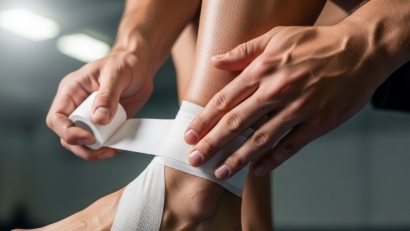
Physio tapes are adhesive strips used to support and stabilise muscles and joints during physical activities. They play a critical role in:
- Injury Prevention: By providing additional support - physio tapes help prevent injuries such as sprains and strains.
- Injury Management: They help heal injuries by limiting movement in the hurt area. This promotes better recovery.
- Enhanced Performance: Proper taping techniques can enhance muscle activation and improve athletic performance.
- Pain Relief: Sports tapes can alleviate pain by reducing strain on injured tissues.
Tape Types
Several types of physio tapes exist, each designed for specific purposes. Understanding the differences between them can help you choose the right tape for your needs.
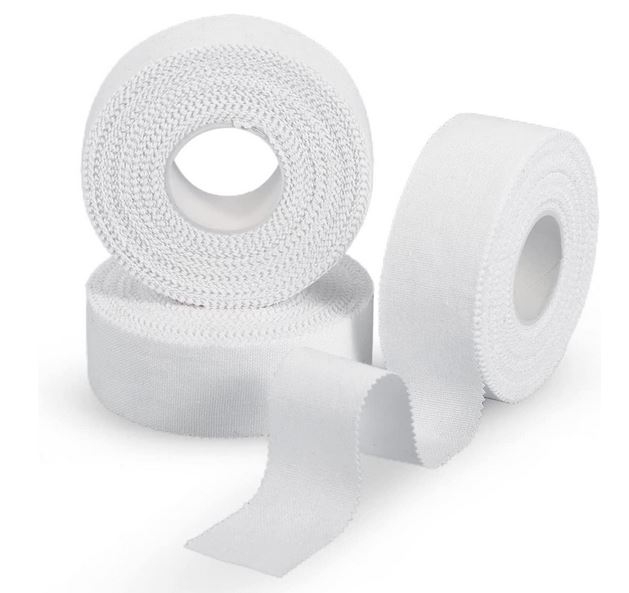
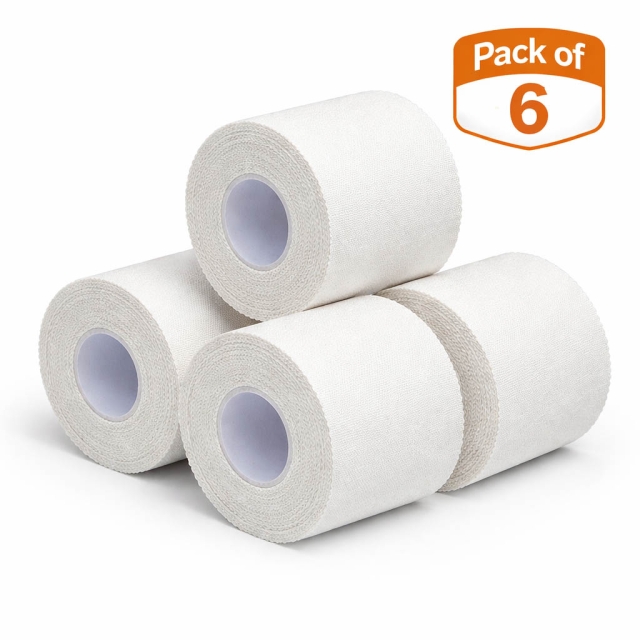
Zinc Oxide Tape
Uses: Ideal for joint immobilisation, providing robust support during high-impact activities. Commonly used in contact sports for strapping and bracing ankles, wrists and knees.
Best For: Preventing injuries during high-intensity sports like rugby, football and basketball. People also use it for strapping and bracing areas prone to injury, such as ankles and wrists.
Key Features:
- Strong adhesion and durable fabric.
- Serrated edge for easy tearing.
- Latex-free - reducing the risk of skin irritation.
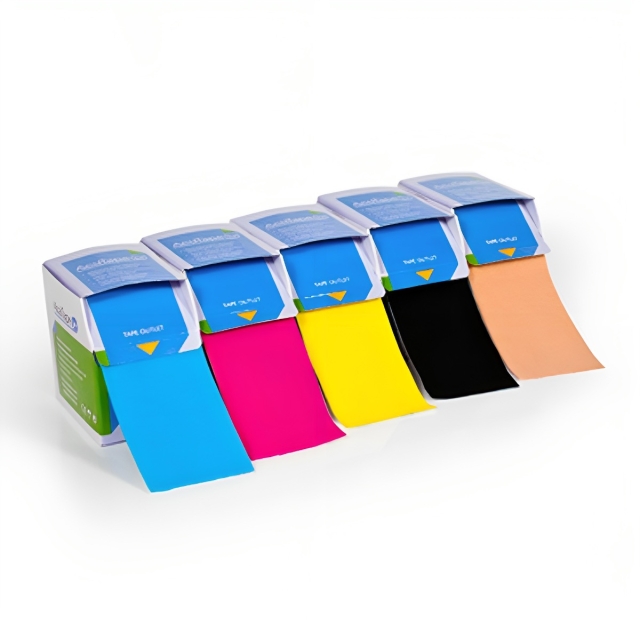
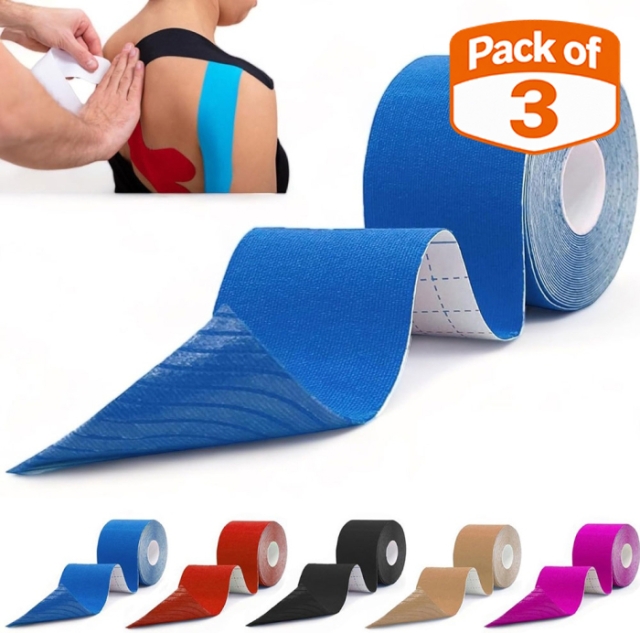
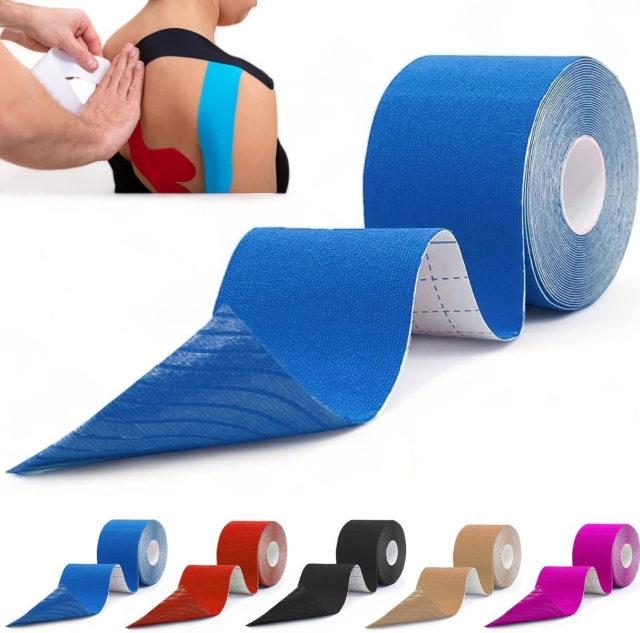
Kinesiology Tape (KT Tape)
Uses: Suitable for muscle activation, pain relief and enhancing athletic performance. Frequently used by runners, cyclists, and swimmers to support muscles and improve circulation.
Best For: Enhancing performance and aiding recovery in sports like running, cycling and swimming.
Key Features:
- Elastic properties mimic the skin’s flexibility.
- You can wear the tape for several days without losing effectiveness.
- Waterproof and breathable.
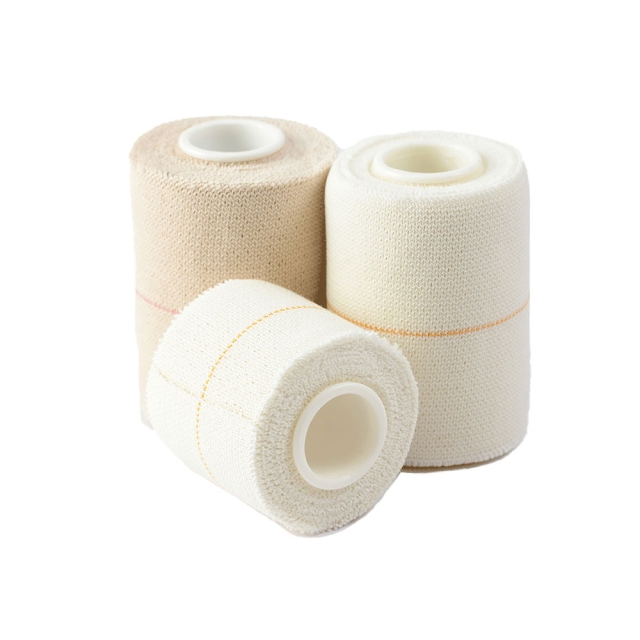
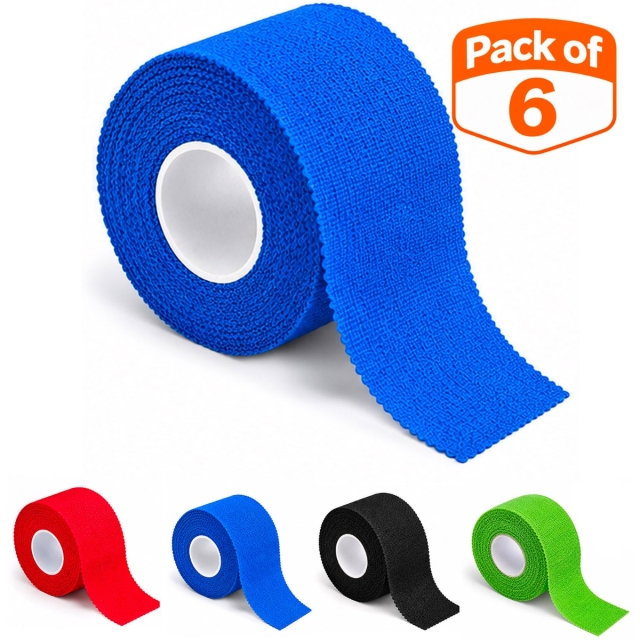
Elastic Adhesive Bandage (EAB) Tape
Uses: Provides support and flexibility, ideal for sports requiring both stability and movement. Commonly used in gymnastics, tennis and other dynamic sports.
Best For: Situations requiring a balance between support and movement, such as in gymnastics and tennis.
Key Features:
- Strong adhesion with elastic properties.
- Comfortable and adaptable to body movements.
- Available in various widths for different applications.
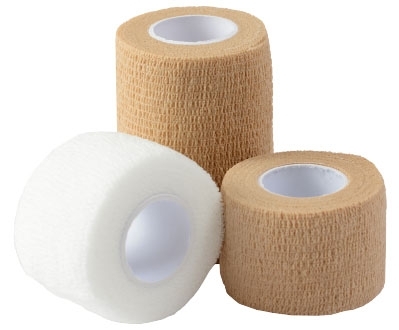
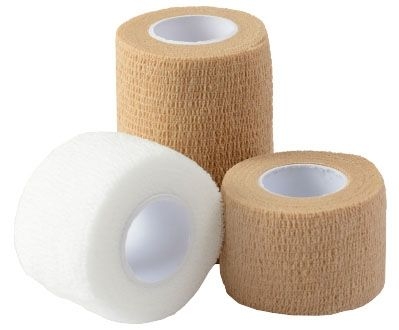
Cohesive Bandage (Coban)
Uses: Self-adherent tape ideal for quick application and compression. Martial artists, boxers and athletes can use for rapid and frequent taping.
Best For: Wrapping injuries without using adhesives. It is great for sports that need quick application, like martial arts and boxing.
Key Features:
- Easy to apply and remove.
- Breathable and lightweight.
- No adhesive - minimising skin irritation.
Selecting the Correct Tape
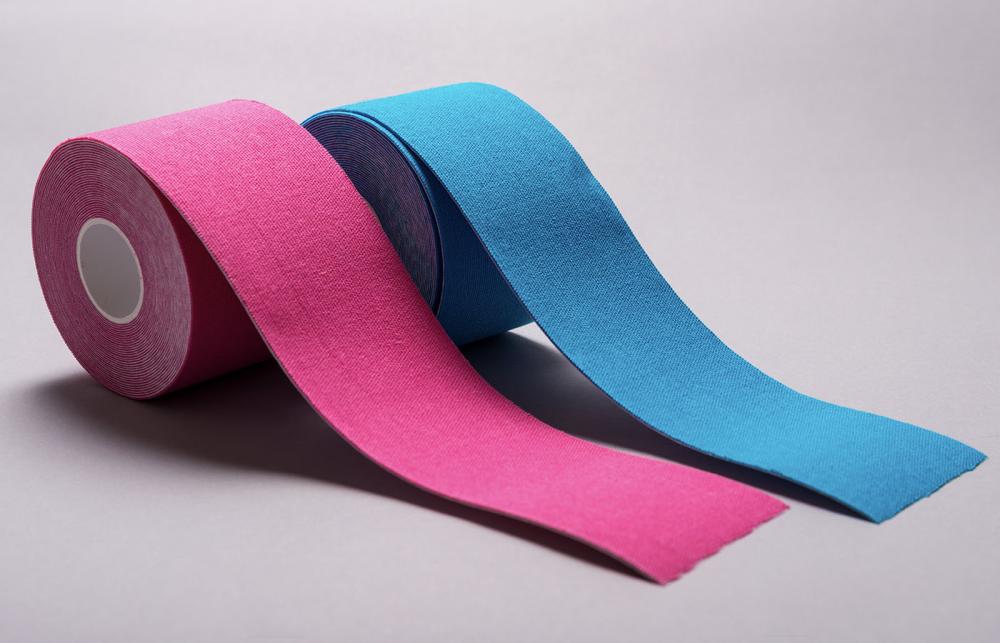
Choosing the right tape involves considering several factors to ensure it meets your specific needs.
Purpose
- Support and Immobilisation: Choose rigid tapes like zinc oxide for high-impact sports requiring strong support.
- Flexibility and Movement: Opt for kinesiology tape or EAB for sports requiring a range of motion and dynamic movements.
Area of Application
- Small Joints (e.g., fingers, toes): Narrow tapes are ideal for precise application.
- Larger Muscles and Joints (e.g., thighs, shoulders): Wider tapes provide better coverage and support.
Skin Sensitivity
- Sensitive Skin: Use hypoallergenic tapes, such as latex-free zinc oxide or cohesive bandages that do not use adhesives.
Duration of Use
- Short-Term Use: Rigid tapes are suitable for temporary applications during a game or training session.
- Long-Term Use: Kinesiology tape can be worn for several days. They are great for ongoing support and recovery.
Application Techniques
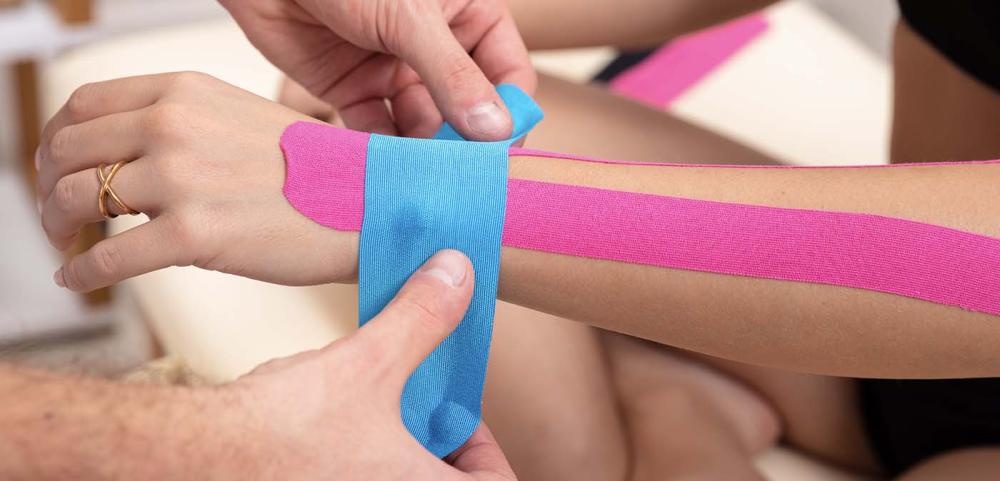
Correct application of physio tape is crucial to maximise its benefits. Here are some general steps:
- Preparation: Clean and dry the skin to ensure better adhesion. Shave the area if necessary to prevent discomfort during removal.
- Measuring and Cutting: Cut the tape to the required length. For kinesiology tape, round the edges to prevent peeling.
- Anchoring: Apply one end of the tape without stretching it to create an anchor.
- Application: Depending on the tape type, apply with or without stretch. For kinesiology tape, follow the muscle's natural contours.
- Smoothing: Rub the tape gently to activate the adhesive and ensure it sticks well.
Additional Considerations for Tape Selection
Durability and Adhesion
- High Durability: For sports involving intense physical contact and prolonged activity - choose tapes with strong adhesive properties and durable fabric.
- Moderate Adhesion: For shorter activities or less intense sports - a moderate adhesive strength is sufficient.
Breathability and Comfort
- Breathable Tapes: For extended use, select tapes made from breathable materials to reduce skin irritation and discomfort.
- Comfort: Ensure the tape is comfortable to wear, especially if it needs to stay on for an extended period.
Water Resistance
- Waterproof Tapes: Necessary for water sports or activities involving heavy sweating to ensure the tape remains effective.
Tapes for Sports and Rehabilitation
Physio tapes are invaluable tools for athletes and individuals undergoing rehabilitation. By learning about the different types of tapes, you can improve your athletic performance. You can also enhance your recovery. Understanding how to use them will help you make better choices. View the Physioworx Tapes range
Sold: 10m Roll
Incl. VAT Exl. VAT