




How Gait Analysis Supports Physiotherapy Assessment and Rehabilitation
Gait analysis is the assessment of how a person walks. Physiotherapists use it to understand movement difficulties, investigate changes in walking and monitor rehabilitation. In sports settings, related movement analysis can also inform training and return-to-activity decisions.
Clinical observation remains important. Sensors, cameras and software can add measurements that are difficult to judge consistently by eye, helping clinicians describe movement more precisely and compare results over time.
The value comes from interpreting these findings alongside symptoms, medical history, physical examination and the patient's goals. A gait analysis system provides information; it does not deliver a diagnosis or treatment plan on its own.
Gait Abnormalities and Their Assessment
Walking can change because of pain, injury, restricted joint movement, weakness, reduced sensation or neurological conditions. Circulatory problems, balance difficulties and reduced exercise tolerance can also affect mobility. Different causes may produce similar-looking walking patterns.
Examples of gait changes a physiotherapist may encounter include:
| Gait pattern or feature | Typical observation |
|---|---|
| Trendelenburg gait | The pelvis drops on the side opposite the supporting leg. |
| Foot drop | Difficulty lifting the front of the foot, affecting toe clearance. |
| Steppage gait | A higher leg lift to help clear a foot that would otherwise catch the ground. |
| Ataxic gait | An unsteady, poorly coordinated walking pattern, often with a wider base. |
| Scissoring gait | The legs move towards or across one another during walking. |
| Antalgic gait | A walking pattern adapted to avoid pain. |
| Festinating gait | Short steps that become progressively quicker. |
| Freezing of gait | Brief episodes of difficulty initiating or continuing stepping. |
| Stomping or stamping gait | Forceful foot placement, which may prompt assessment of sensation and position awareness. |
These are descriptions, not interchangeable diagnoses. Foot drop and steppage gait are related but describe different aspects of the problem. Ataxia is a broader coordination disorder that can affect walking.
The MedlinePlus overview of walking abnormalities explains several common patterns and why identifying the underlying cause matters.
What Can Instrumented Gait Analysis Measure?
Measurements depend on the equipment and test setup. Common spatial and timing measures include walking speed, cadence, step length, stride length and the time spent with each foot on the ground or moving through the air.
Clinicians may examine differences between the legs and how much the pattern varies between steps. These findings can help describe a problem, but an asymmetry is not automatically harmful or something that must be corrected.
Different technologies answer different questions. Optical timing systems measure foot-contact events and related walking parameters. Pressure systems assess loading beneath the foot. Specialist laboratories may combine three-dimensional motion capture, force plates and muscle-activity recording.
The Newcastle Hospitals gait analysis service illustrates how these tools can be combined within a multidisciplinary assessment.
Using OptoGait in Physiotherapy
OptoGait uses transmitting and receiving optical bars to detect interruptions to infrared beams as the feet move through the measurement area. Its software supports analysis of walking, running and selected functional tests.
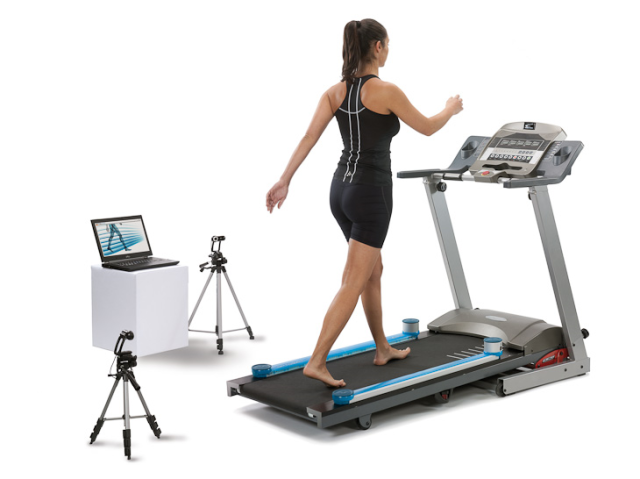
Depending on the configuration, clinicians can assess overground or treadmill activity and use synchronised video alongside numerical results. The manufacturer's OptoGait information describes its measurement, reporting and biofeedback functions.
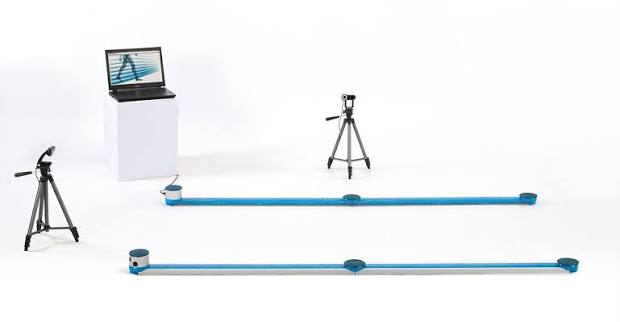
OptoGait's optical bars do not directly measure pressure beneath the foot, muscle activity or joint forces. Additional equipment is needed when those measurements are required.
Turning Assessment Findings into Treatment Decisions
Gait analysis can help a physiotherapist identify questions to explore: is pain limiting time on one leg, is reduced ankle movement affecting a step, or does a walking aid improve confidence and function?
Treatment should address the person's clinical needs rather than aim for a universally “perfect” gait. Options may include movement practice, strength and balance exercises, activity modification, footwear advice, walking aids or referral to another specialist.
Orthotic Therapy
Foot orthoses such as Interpod and Slimflex may be considered when the assessment identifies a suitable role for in-shoe support. Selection should account for symptoms, comfort, footwear and response to a trial.
Insoles are not a universal solution for gait abnormalities. Problems such as foot drop or a neurological gait disorder may require different orthoses and specialist input.
Exercise and Rehabilitation Aids
Physioworx latex-free resistance bands can support graded strengthening where appropriate. Exercise selection and resistance should reflect the patient's ability and treatment goals.
A Physioworx Cork Roller may be used for selected mobility, positioning or self-massage activities. It should not be presented as a device that corrects gait or treats the underlying cause of a walking disorder.
Monitoring Progress Reliably
Repeated assessment can help clinicians review treatment response. For comparisons to be useful, record the conditions and keep them as consistent as practical:
- Footwear and support: document shoes, insoles, braces and walking aids.
- Task and speed: use a comparable protocol and record whether speed was controlled or self-selected.
- Symptoms and fatigue: note pain, rest breaks and factors that may influence performance.
- Equipment and setup: use consistent positioning, settings and analysis methods.
Interpret changes alongside measurement variability, walking confidence and everyday function. A numerical improvement does not automatically mean a patient is ready for unrestricted activity.
Portable Assessment and Patient Feedback
OptoGait's modular design allows transport between suitable assessment settings. However, portability does not make every home suitable for testing. Clinicians still need adequate space, a safe surface, appropriate equipment and a plan for patients who need assistance.
Graphs and video can help explain findings and agree rehabilitation goals. Feedback should relate measurements to something meaningful to the patient, such as walking more comfortably or managing daily activities.
These features may support communication and service development, but owning a gait analysis system does not guarantee better outcomes, more referrals or increased revenue.
Frequently Asked Questions
Does every physiotherapy patient need instrumented gait analysis?
No. Observation and standard clinical tests may answer the relevant questions. Instrumented assessment is most useful when its findings could influence management or provide a meaningful way to monitor progress.
Can gait analysis predict or prevent an injury?
It can identify movement features worth investigating. A single assessment cannot reliably predict an individual's future injury, and identifying an asymmetry does not prove that changing it will prevent injury.
Is OptoGait the same as a full three-dimensional gait laboratory?
No. Its optical bars principally measure spatial and timing parameters. A specialist laboratory may add joint-motion analysis, force measurements, pressure assessment and muscle-activity recording.
What should a patient bring to an assessment?
Follow the clinic's instructions. Usual footwear, orthoses and walking aids may be needed, along with clothing that allows the clinician to observe movement. The Oxford University Hospitals gait analysis leaflet describes preparation for its specialist laboratory service.
Can gait analysis tell someone exactly when they will recover?
No. It can document progress, but recovery also depends on the condition, treatment response and wider health factors. Results should inform a review rather than promise a fixed recovery date.
Supporting Better Clinical Decisions
Gait analysis is most useful when it answers a clear clinical question. Combined with professional assessment, repeatable testing and patient-centred goals, it can help physiotherapists plan treatment and explain progress.
Explore the Algeos OptoGait information above to discuss a demonstration and a configuration suited to your clinical service.
Sold: Kit
Incl. VAT Exl. VAT