



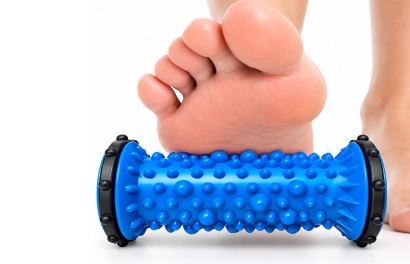
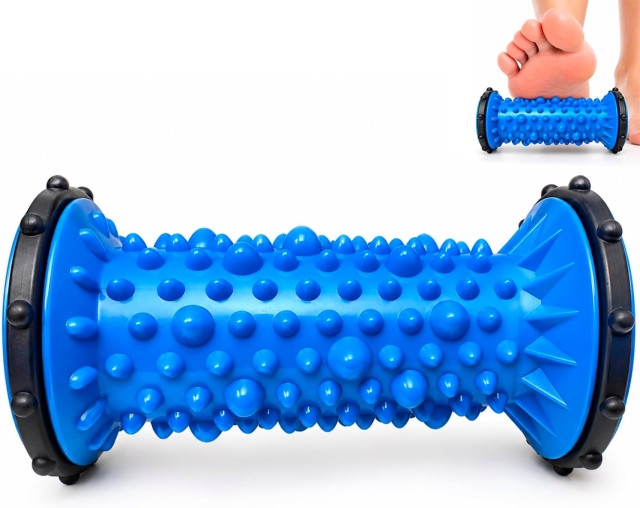
The Physioworx SoleFlex Plantar Fasciitis Foot Massager is a compact manual roller designed to deliver controlled pressure across the sole, arch and heel. It is intended as a simple self-care aid for plantar fascia tightness and foot stiffness, rather than a stand-alone cure for plantar fasciitis.
Its appeal is straightforward: no batteries, no set-up and a textured surface for short rolling sessions at home, work or within a wider rehabilitation plan.
Definition
Plantar fasciitis is heel or arch pain involving the plantar fascia, the strong band of tissue running from the heel towards the toes. The NHS notes that symptoms are often worse with the first steps after sleep or rest. Many clinicians also use plantar fasciopathy to reflect load-related tissue change rather than simple inflammation.
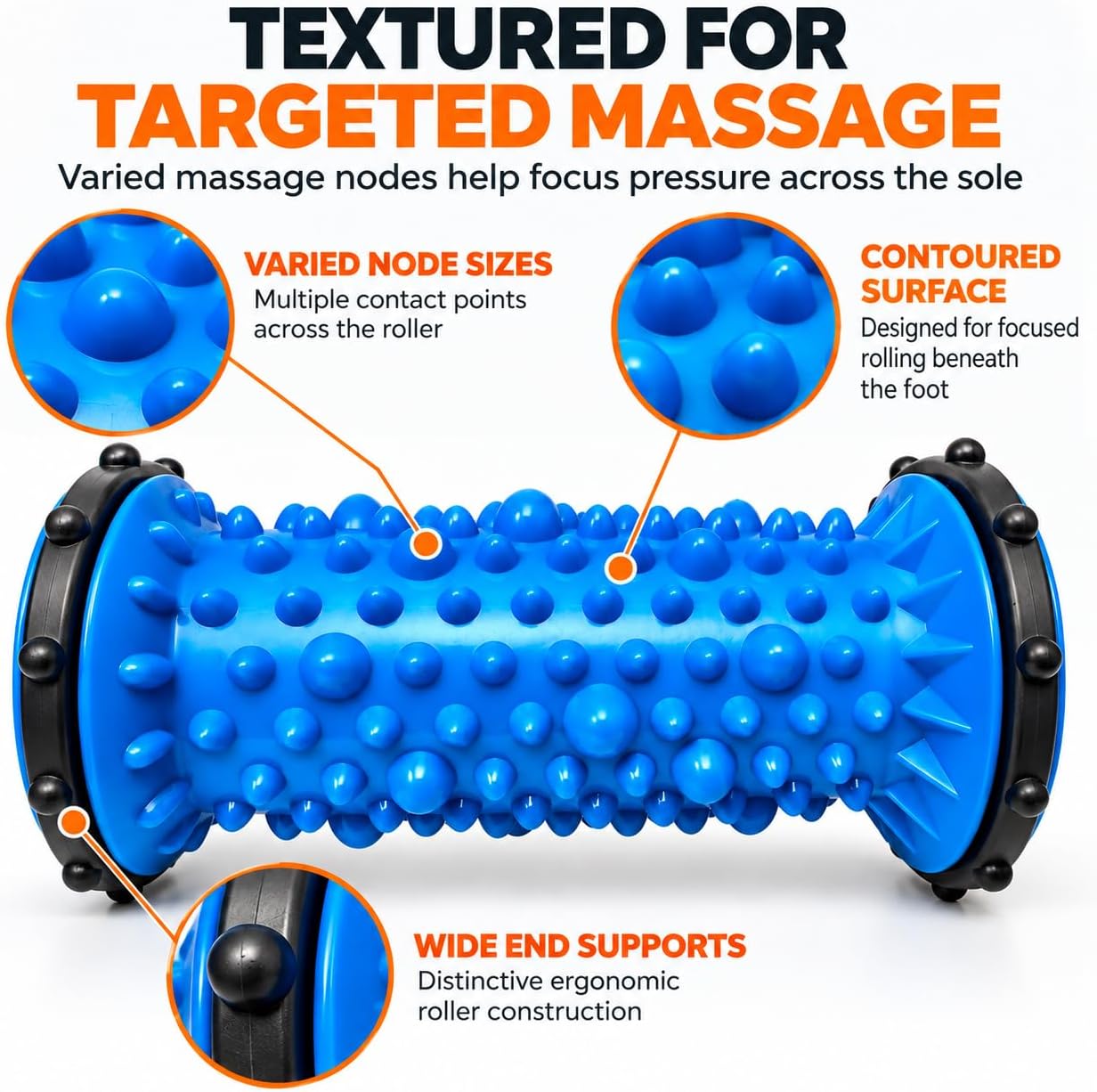
Varied massage nodes create multiple contact points across the sole while
the contoured surface follows the foot arch.
How it works and why it matters
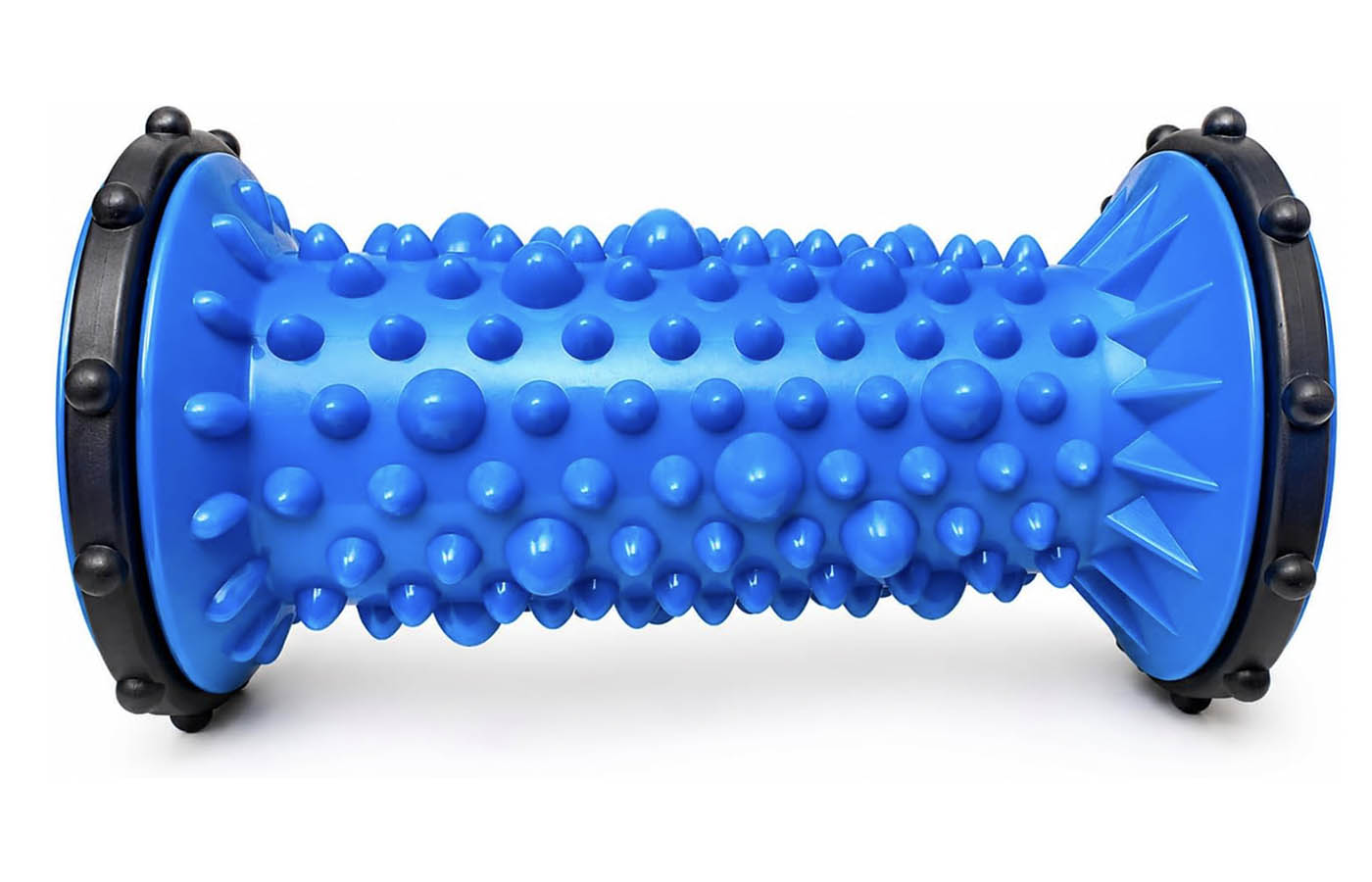
The SoleFlex is made from polypropylene with silicone end stoppers. Algeos lists it at 14 cm by 7.8 cm and 90 g. Raised nodes apply localised pressure as the foot rolls backwards and forwards while the contoured shape sits beneath the arch. The end stoppers help limit unwanted movement.
Plantar heel pain is usually managed with several strategies. The 2023 clinical practice guideline recommends plantar fascia-specific and calf stretching and supports manual therapy directed at relevant joints and soft tissues.
A 2026 systematic review found improvements in pain and function when soft-tissue manual therapy was added to conventional care, although this does not prove that a consumer roller produces the same result.
The roller is best viewed as a self-massage and mobility aid. It may make the sole feel looser or more comfortable for some people, but it should sit alongside sensible loading, stretching, supportive footwear and exercise. See Algeos' plantar fasciitis guide and exercise guide for a broader plan.
The roller is one part of conservative care, not a replacement for
diagnosis or a complete rehabilitation programme.
What makes the SoleFlex different?
The textured cylindrical surface uses different node sizes to create repeated contact points across the sole. Its curved profile gives a broader contact area than a small massage ball. When changing feet, turning the roller around may help the contour sit naturally beneath the arch.
Pressure is easy to alter. Sitting reduces body weight through the roller and is the sensible starting point. More pressure can be added gradually. People with balance concerns, reduced sensation or fragile skin should stay seated and may need clinical advice.
What early adopters are saying
The first UK reviews supplied for this article are encouraging but should be read in context. Of six reviews dated July to September 2026, four were rated five stars and two were rated four stars. One was a verified purchase and five were reviews of a free product, so these comments are useful experience reports rather than clinical evidence.
Trish H. summed up her experience as Really helps with plantar fasciitis
. Jess W. was more cautious and wrote that she could not say it was healing the condition but that it does feel great to roll my foot on this
. She also liked the way the angled shape reached the arch and said the ridges massaged tight areas without feeling painful.
Dan F. bought the device for his mother and highlighted simplicity: While it's not a cure for the condition, she finds it provides welcome relief
. He also advised starting with gentle pressure because the textured surface can feel intense at first. That point was echoed by DeeElleJay and Rambunctious Reviews, both of whom described an adjustment period before the sensation became more comfortable.
Recurring positives were ease of use, sturdy construction, compact size, floor grip and short sessions. These themes fit its intended role: a convenient adjunct for symptom management rather than a promise to fix the underlying cause.
How does it compare with other common options?
| Option | Main role | Pressure control | Best fit | Key limitation |
|---|---|---|---|---|
| SoleFlex foot massager | Targeted rolling and self-massage across heel and arch | Easy to vary when seated | Short daily self-care sessions | Does not provide support while walking |
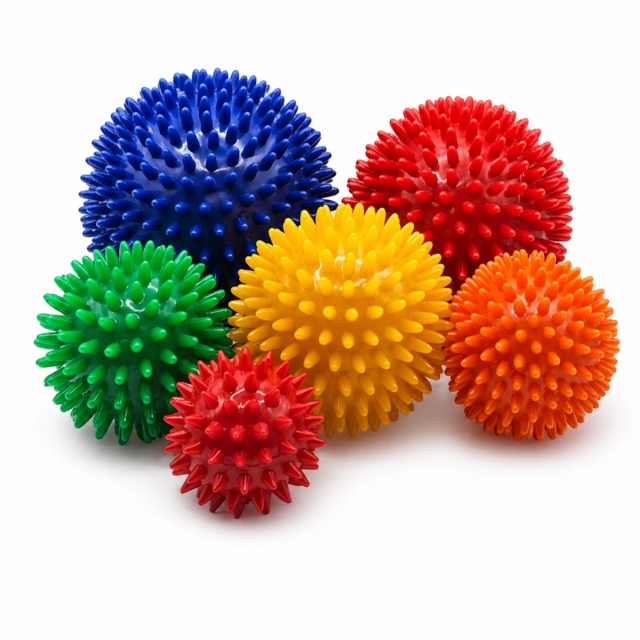
| Massage ball | Small-area pressure and trigger-point style rolling | Very adjustable | Users who prefer focused contact | Can feel intense and may move around |
| Frozen bottle | Rolling plus cooling | Moderate | Temporary comfort after a flare | Shape and temperature are less controllable |
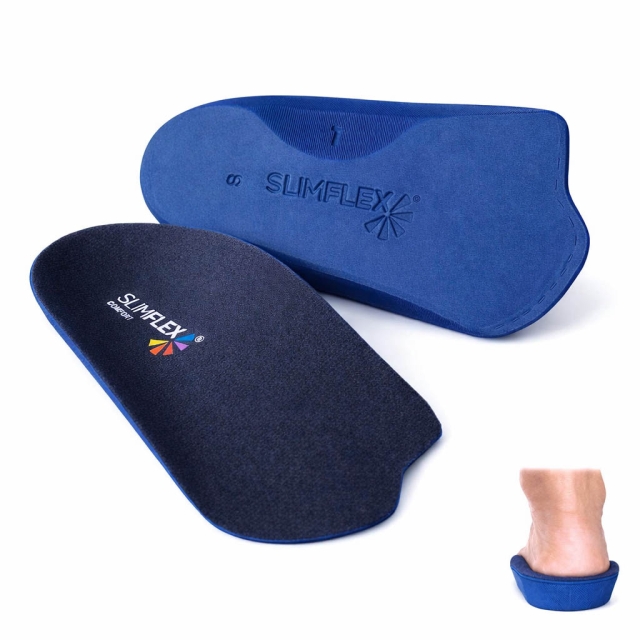
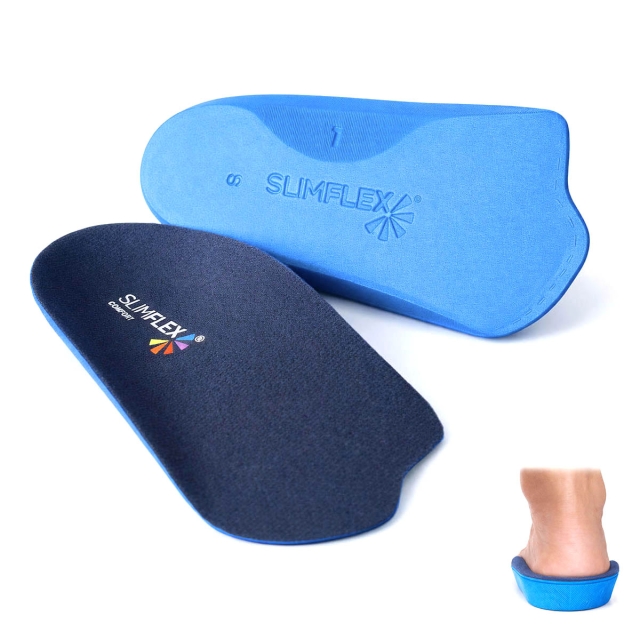
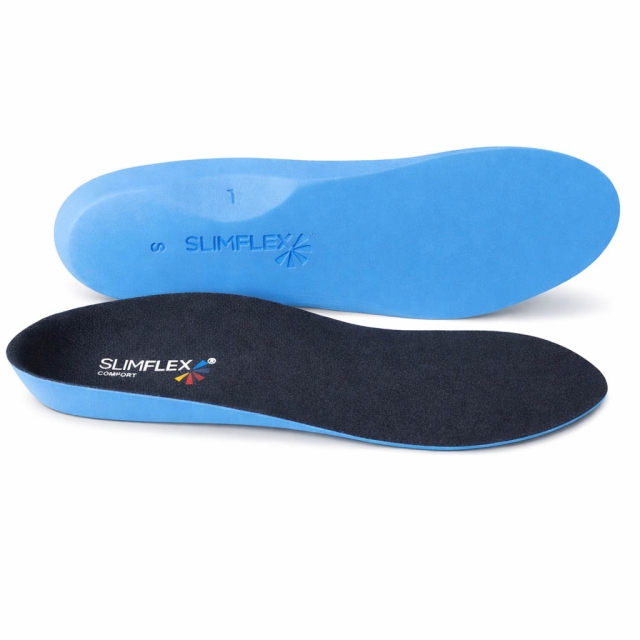
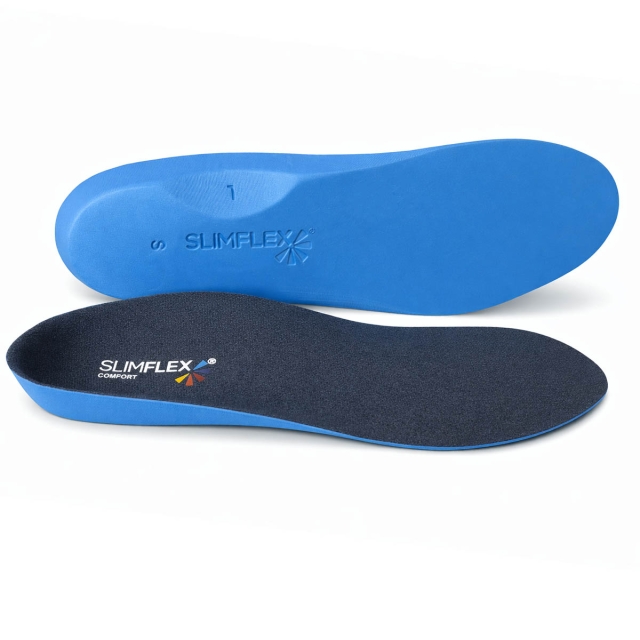
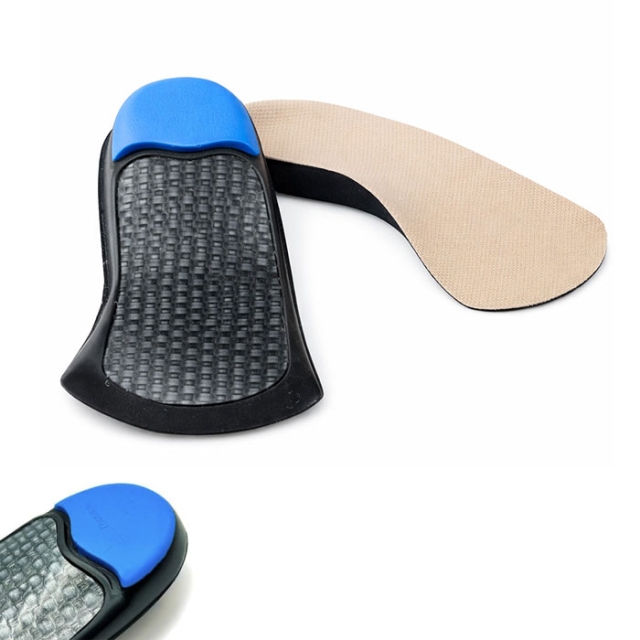
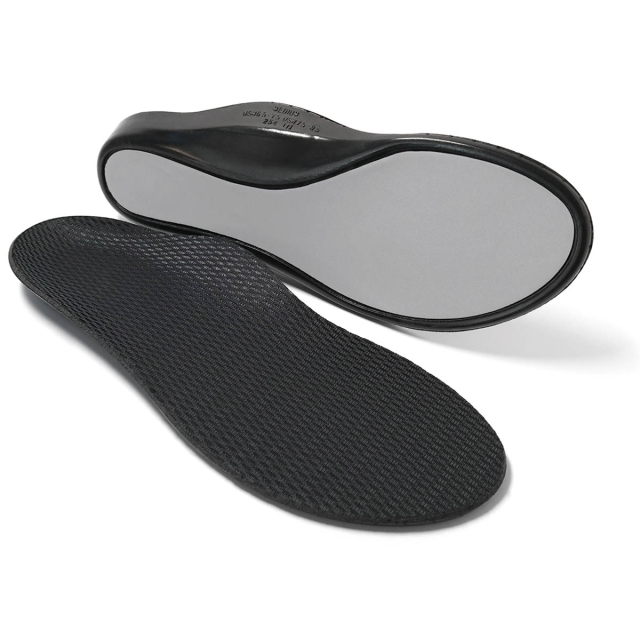
| Orthotic insole | Arch support and load distribution in footwear | Not user-adjustable during wear | Daytime walking and standing | Not a massage tool and should not be used as the only treatment |
For people who need support during walking rather than rolling at rest, explore plantar fasciitis insoles and arch supports. Algeos also groups exercise and self-care products in its plantar fasciitis home therapy aids section.
Step-by-step: how to use the Physioworx foot massager
- Start seated. Put the roller on a clean, dry and level floor. A chair gives better control than standing.
- Position the arch. Place the sole gently over the textured centre so the contour sits beneath the arch.
- Use light pressure first. Roll slowly from the heel towards the ball of the foot and back again. Keep the movement comfortable.
- Adjust the angle. Turn the roller when changing feet if this helps the contour sit more naturally under the arch.
- Keep sessions short. One to two minutes is a reasonable starting point. The Algeos product page allows longer sessions of around five to ten minutes per foot if comfortable and appropriate.
- Stop if symptoms worsen. Sharp pain, increasing numbness, tingling, bruising or skin irritation are reasons to stop and reassess.
- Use it as part of a plan. Combine comfortable rolling with plantar fascia and calf stretching, progressive strengthening, suitable footwear and sensible activity modification.
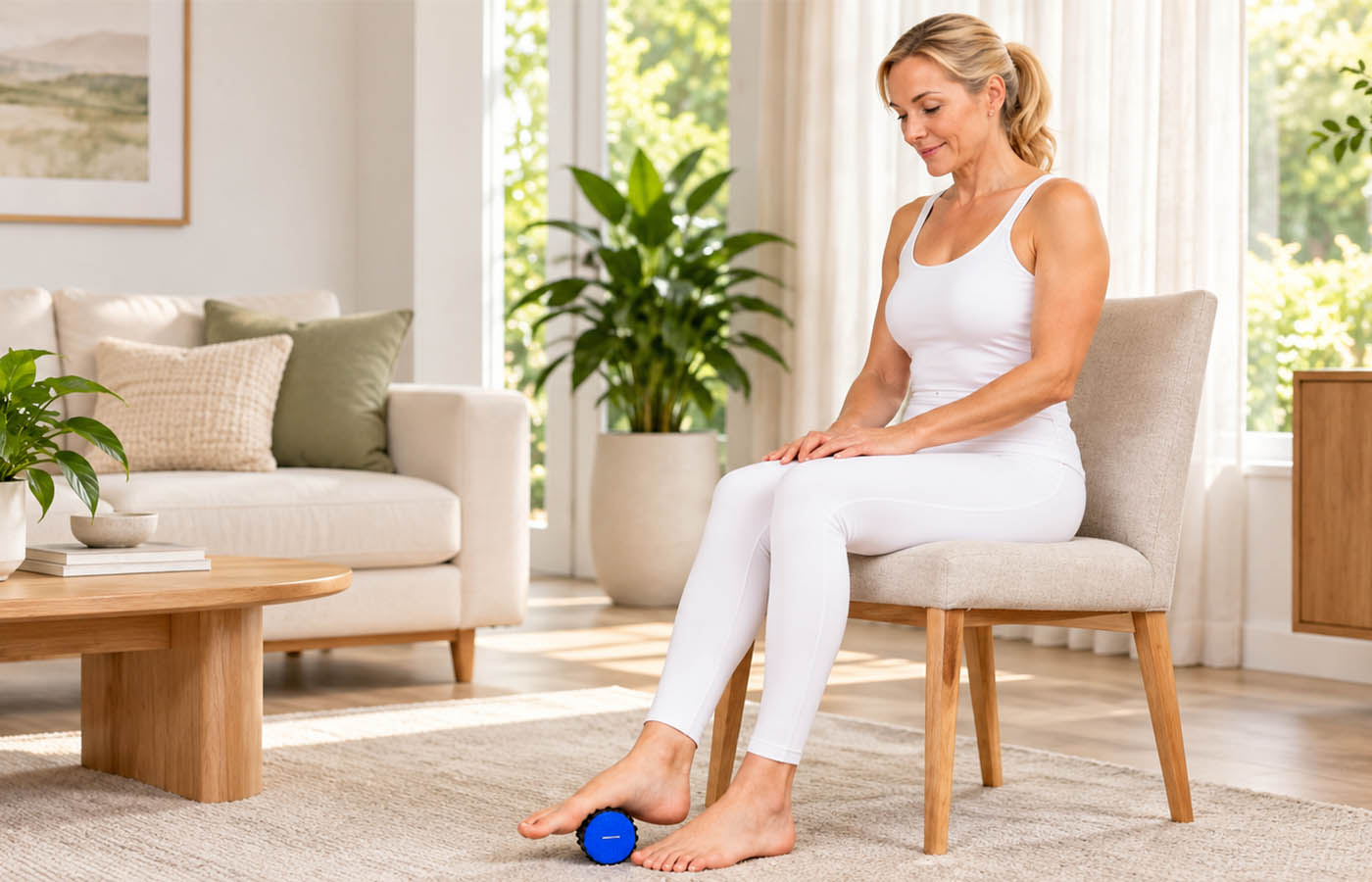
with the textured surface but comfort should guide intensity.
Safety and when to seek advice
Do not roll over broken skin, wounds, infection, marked swelling or bruising. Use extra caution with diabetes, neuropathy, poor circulation, reduced sensation or fragile skin. The NHS advises people with diabetes and foot pain to seek medical advice.
Heel pain is not always plantar fasciitis. Seek assessment if pain is severe, getting worse, keeps returning, follows an injury or is associated with redness, swelling, numbness or difficulty bearing weight. NHS guidance advises seeing a GP if plantar fasciitis symptoms have not improved after two weeks of self-care.
Frequently asked questions
Can the SoleFlex cure plantar fasciitis?
No single roller should be presented as a cure. It may help some people manage tightness or discomfort, but plantar heel pain is usually better addressed with a combination of stretching, progressive loading, footwear or orthotic support and activity management.
How long should I use it for?
Start with one to two minutes per foot and judge the response. If it feels comfortable, sessions can be increased gradually. More pressure or more time is not automatically better.
Should I use it barefoot?
Barefoot use gives direct contact with the massage nodes and several early reviewers preferred it. A thin sock may make the sensation milder if the surface initially feels too intense.
Is standing on the roller better than sitting?
Not necessarily. Standing increases pressure and balance demands. Seated rolling offers better control and is the better starting point for most users.
Can I use it with orthotic insoles?
Yes. They serve different purposes: the roller is used out of footwear for massage while an insole supports and redistributes load during standing and walking. A clinician can help decide whether orthoses are suitable for persistent symptoms.
Who should be cautious?
People with diabetes, neuropathy, poor circulation, reduced sensation, fragile skin, wounds or significant swelling should seek appropriate clinical advice before using a textured foot roller.
References and research sources
- Algeos - Physioworx SoleFlex Plantar Fasciitis Foot Massager. Product specifications and use guidance. Accessed 25 September 2026.
- NHS - Plantar fasciitis. Symptoms, self-care and indications for medical review. Accessed 25 September 2026.
- Koc TA Jr et al. Heel Pain - Plantar Fasciitis: Revision 2023. J Orthop Sports Phys Ther. 2023;53(12):CPG1-CPG39. doi:10.2519/jospt.2023.0303.
- Effectiveness of soft tissue manual therapy in managing chronic plantar fasciitis: a systematic review. Published 2026.
- Newcastle Hospitals NHS Foundation Trust - Plantar fasciopathy. Patient information on loading, footwear and exercise.
Customer quotations are from the UK review material supplied for this article. Vine review status and review dates are reported as supplied.
Sold: Each
Incl. VAT Exl. VAT