




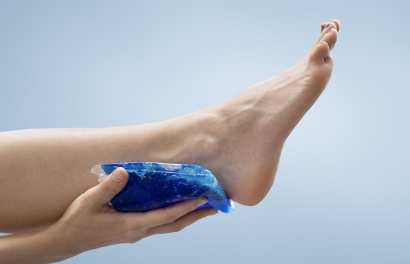
Evidence, Techniques and Mistakes to Avoid
1. Introduction
Plantar fasciitis is one of the most common causes of heel pain, often felt as a sharp or aching sensation under the heel or along the arch, particularly with the first steps in the morning. Ice therapy is frequently recommended because it can help reduce pain and calm irritated tissues during painful flare-ups.
2. What Is Ice Therapy?
Ice therapy, also known as cryotherapy, involves applying cold to body tissues to reduce pain, swelling and tissue sensitivity. In the context of foot pain, it is usually applied locally using an ice pack or a frozen object.
3. Why Ice Helps Plantar Fasciitis
Plantar fasciitis involves irritation of the plantar fascia, a thick band of connective tissue that supports the arch of the foot. Repeated loading can make this tissue sensitive and painful.
Cold application helps by reducing local blood flow which can limit excessive inflammatory activity. It also slows nerve conduction which can temporarily reduce pain signals from the heel. For many people, this combination provides short-term relief, especially after periods of prolonged standing or walking.
It is important to understand that ice does not repair the plantar fascia or correct the mechanical stresses that caused the problem. Its value lies in symptom control rather than cure.
4. When Ice Is Most Effective (And When It’s Not)
Ice tends to be most helpful during acute or reactive phases of plantar fasciitis. This includes periods when pain has flared after increased activity, long days on your feet or a sudden change in footwear or training.
It is less effective as a standalone treatment for long-standing plantar fasciitis where stiffness, reduced tissue capacity and biomechanical overload are the main drivers. In these cases, ice may still reduce discomfort but will not address the underlying cause.
If pain is constant, worsening or accompanied by numbness or colour changes, ice should be used cautiously and professional advice is recommended.
5. How to Use Ice Packs for Plantar Fasciitis
Using ice correctly matters. Poor technique can reduce its benefit or irritate the skin.
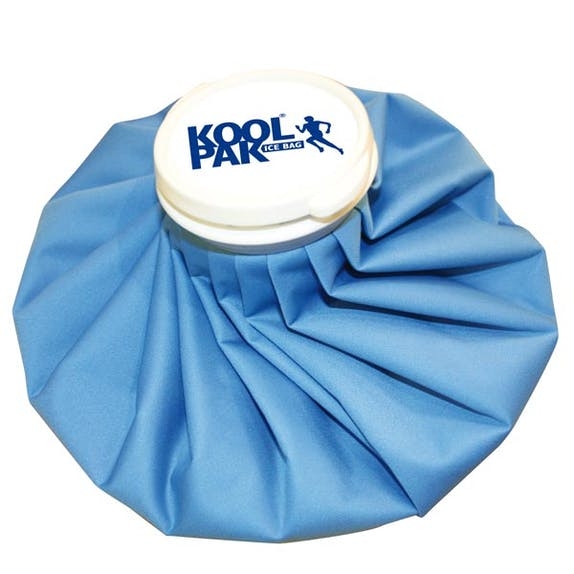
- Choose a cold source such as a gel ice pack or a bag of crushed ice.
- Wrap the ice pack in a thin towel to protect the skin.
- Place it under the heel and arch while seated or lying down.
- Keep the foot relaxed rather than pressing hard into the ice.
- Apply for 10 to 15 minutes.
- Remove the ice and allow the skin to return to normal temperature.
- Repeat up to two or three times per day if needed.
Ice is often most useful after activity rather than before it.
6. Best Ice Therapy Methods for Heel Pain
Ice Packs
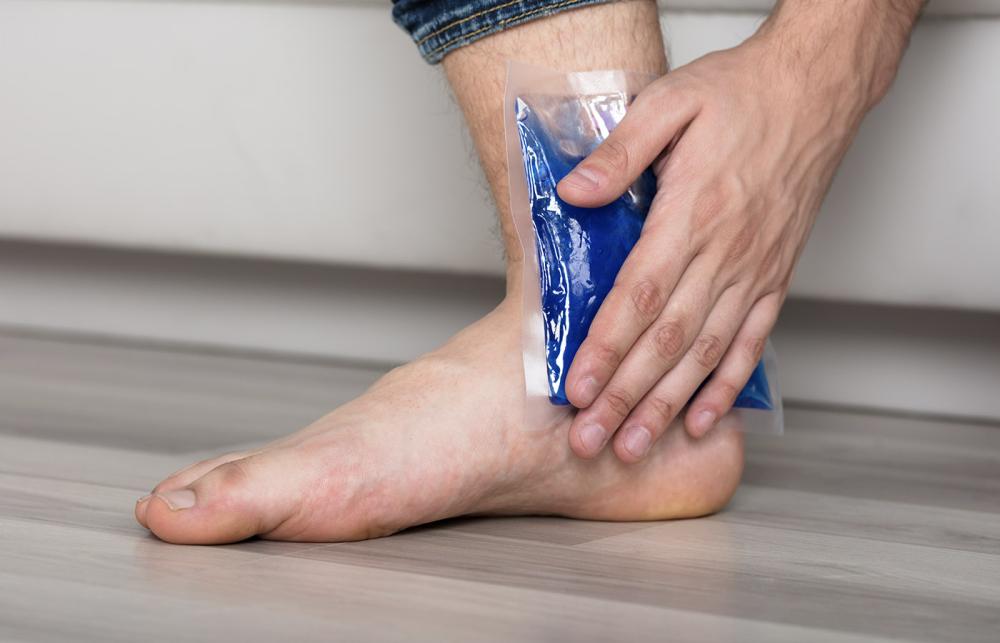
Reusable gel packs are convenient and allow you to target the painful area directly. They are best used while resting with the foot supported.
Frozen Bottle Rolling
This method combines cold therapy with gentle plantar fascia massage.
- Freeze a plastic water bottle.
- Place it on the floor under your foot.
- Roll the sole of your foot slowly over the bottle.
- Continue for 5 to 10 minutes.
This approach can be particularly helpful for morning stiffness or after long periods of standing.
7. Common Ice Therapy Mistakes to Avoid
- Applying ice directly to the skin which increases the risk of ice burns.
- Using ice for too long or too frequently.
- Relying on ice alone while ignoring footwear, load or movement issues.
- Using ice immediately before activity which may temporarily reduce tissue awareness.
- Continuing ice therapy despite increased pain or skin irritation.
8. Ice vs Heat for Plantar Fasciitis
Ice and heat serve different purposes. Ice is generally more appropriate during painful flare-ups or after activity when symptoms feel irritated or swollen.
Heat may be useful when stiffness is the dominant issue, particularly in the arch or calf muscles. It can help relax tissues before stretching but is usually avoided during acute pain phases.
Many people benefit from using heat before mobility exercises and ice afterwards to settle symptoms.
9. Combining Ice With Other Treatments
Ice works best when it supports a broader management plan.
Key components often include:
- Plantar fascia and calf stretching to improve tissue tolerance.
- Supportive footwear that reduces strain through the heel and arch.
- Foot orthoses or insoles to help manage load distribution.
- Gradual load management to avoid repeated overload.
- Strengthening exercises for the foot and lower limb.
In this context, ice can help keep pain manageable while other strategies address the underlying causes.
10. Frequently Asked Questions
How often should I ice my heel?
Most people use ice once or twice daily during painful periods. More frequent use rarely adds extra benefit.
Is it safe to ice plantar fasciitis every day?
Yes, when used correctly and for short durations. Always protect the skin and stop if irritation occurs.
Can ice cure plantar fasciitis?
No. Ice helps reduce pain but does not fix biomechanical or loading issues.
Should I ice in the morning or evening?
Ice is usually more helpful in the evening or after activity. Morning stiffness often responds better to gentle movement.
Can I use ice after exercise?
Yes. Post-activity icing can help calm symptoms if the heel feels irritated.
Who should avoid ice therapy?
People with circulatory problems, nerve sensitivity or conditions affecting cold tolerance should seek professional advice first.
11. Key Takeaways
- Ice therapy can reduce plantar fasciitis pain during flare-ups.
- It works by calming irritated tissue and reducing pain signals.
- Ice treats symptoms rather than the root cause.
- Correct technique and timing are essential.
- Best results come from combining ice with stretching, footwear support and load management.
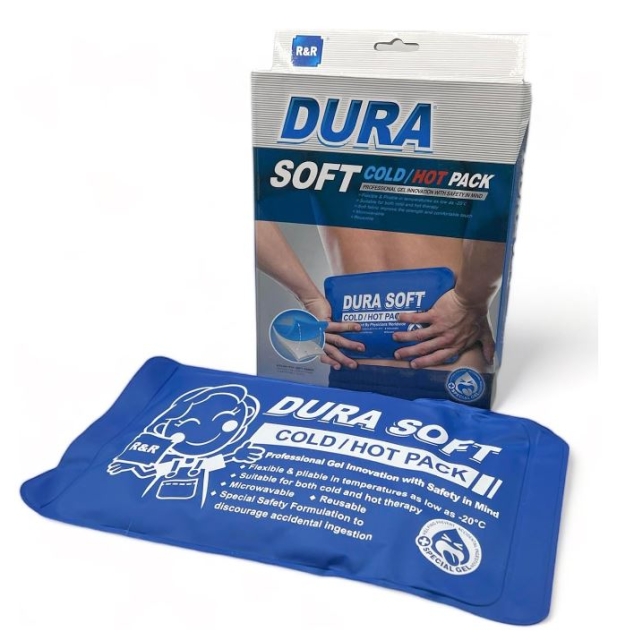
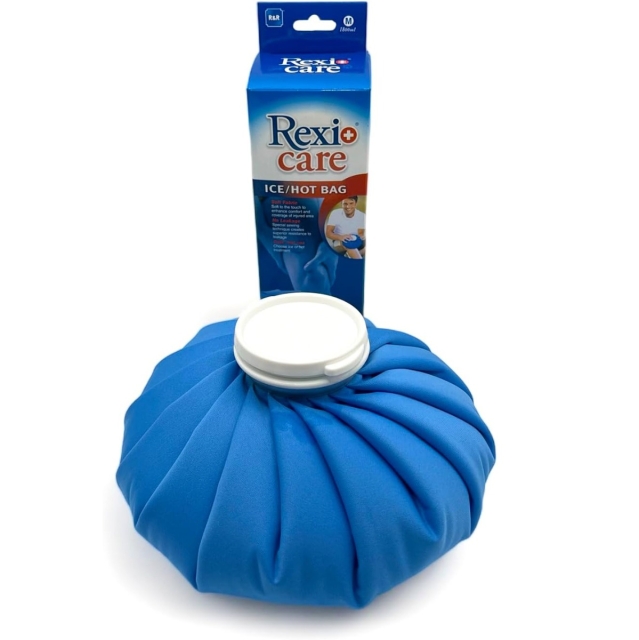
Algeos Ice Packs and Hot/Cold Therapy Range
Disclaimer / Author Note
This article is for educational purposes only and is not a substitute for professional medical advice. If heel pain persists or worsens, consult a qualified healthcare professional for assessment and personalised guidance.



Sold: Each
Incl. VAT Exl. VAT