



Most heel pain improves with structured self care. This guide distils current clinical recommendations into clear steps you can apply at home without specialist equipment.
Definition
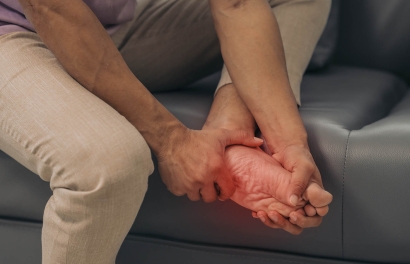
Plantar fasciitis is heel or arch pain arising from overload of the plantar fascia, the fibrous band running from the heel to the toes. Pain is classically worse with first steps after rest then eases as you warm up. Many clinicians use the term plantar fasciopathy to reflect degenerative rather than inflammatory change.
How it works - why it matters
The plantar fascia behaves like a tensioned bow string that supports the arch during stance and push off. Repetitive stress from long standing, sudden increases in training, tight calves, worn or unsupportive footwear or higher body weight can exceed tissue capacity. Microstrain then produces pain near the heel.
Most cases respond to conservative care when done consistently. Recent guidance highlights a multimodal package built around load management, daily stretching for the calf and plantar fascia, simple analgesia as needed and foot orthoses for persistent symptoms.
What users say
- It stabs under the heel when I get out of bed then settles as I move.
- Supportive trainers or adding an arch support make long days on my feet easier.
- Improvement takes weeks not days. Consistency beats quick fixes.
Step by step home plan
This plan assumes no red flags such as trauma, marked redness, night pain that worsens, fever or neurological symptoms. Seek clinical assessment if those apply.
-
Reduce provocative load - optimise footwear
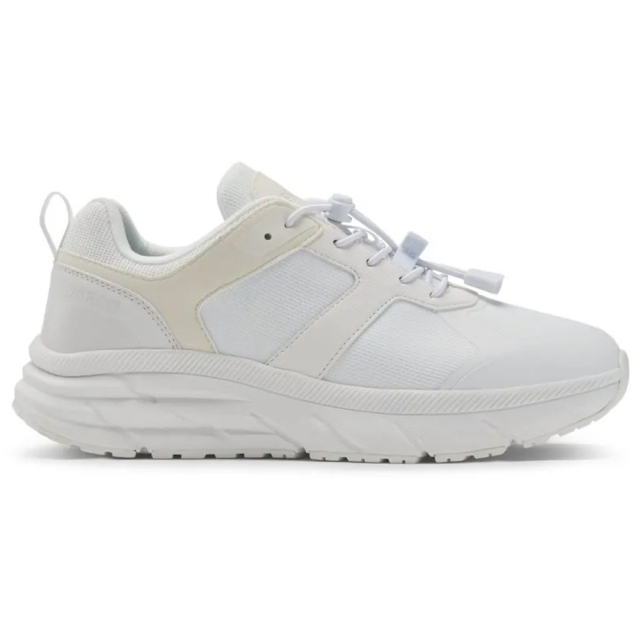
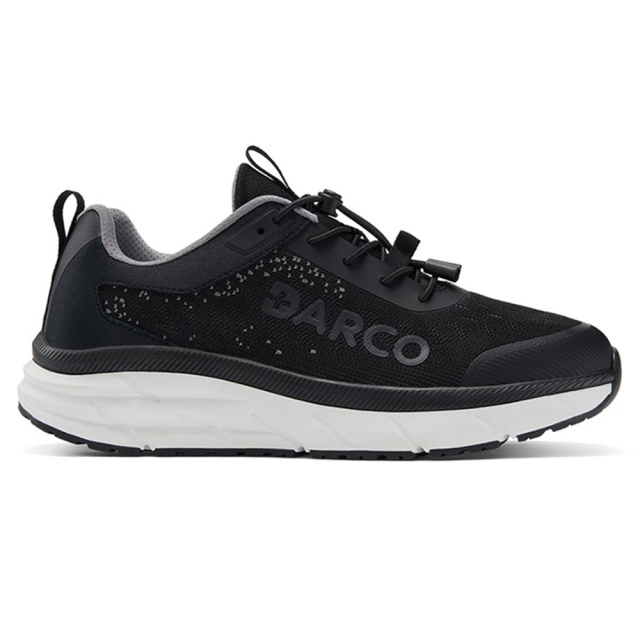
Ease back from high impact or long periods standing on hard floors then build up gradually. Avoid barefoot on hard surfaces. Choose shoes with a firm heel counter, arch support and a cushioned midsole. Replace very worn shoes.
-
Stretch daily for 4 to 6 weeks
Prioritise gastrocnemius and soleus calf stretches, plus a plantar fascia specific stretch. Do 2 to 3 short sessions per day. Stretch before first steps and after activity.
- Wall calf stretch - knee straight, heel down, lean until a gentle pull in upper calf. Hold 30 seconds, repeat 3 to 5 times each side.
- Soleus stretch - step in, knee slightly bent, heel down, lean until pull in lower calf. Hold 30 seconds, repeat 3 to 5 times.
- Plantar fascia stretch - cross the leg, pull toes back towards the shin until you feel tension in the arch. Hold 30 seconds, repeat 3 to 5 times.
-
Strengthen the foot and calf
Introduce progressive loading as pain allows. Start with short foot exercises and towel scrunches. Progress to double leg heel raises then slow eccentric calf lowers off a step if tolerated. Strength improves tissue capacity and supports long term recovery.
-
Use simple pain relief strategies
- Ice the heel and arch for 10 to 15 minutes after activity. Rolling on a frozen bottle works well.
- Consider short courses of over the counter analgesia if suitable and discuss with a pharmacist or GP when unsure.
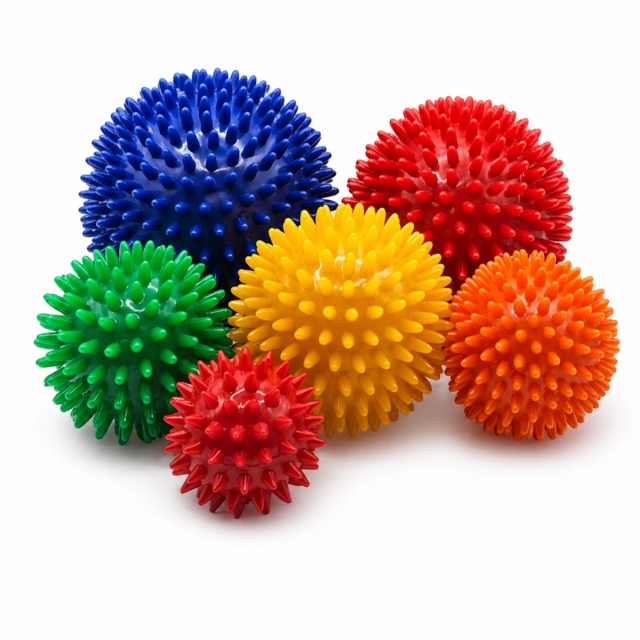
- A gentle foot massage with a tennis or lacrosse ball can ease sensitivity.
-
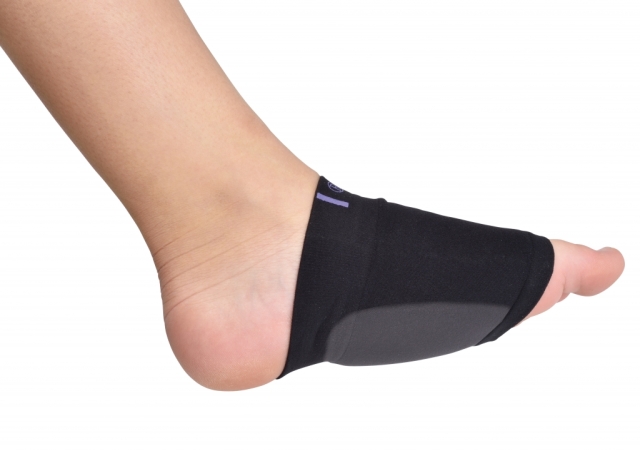
Add arch support if symptoms persist
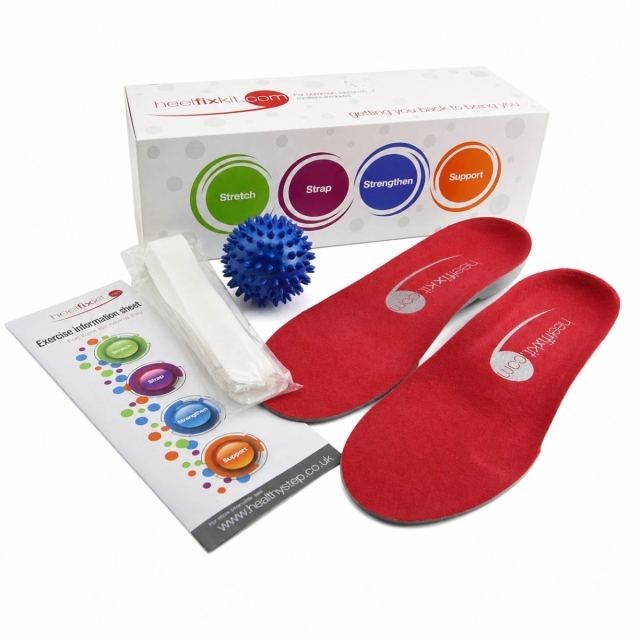
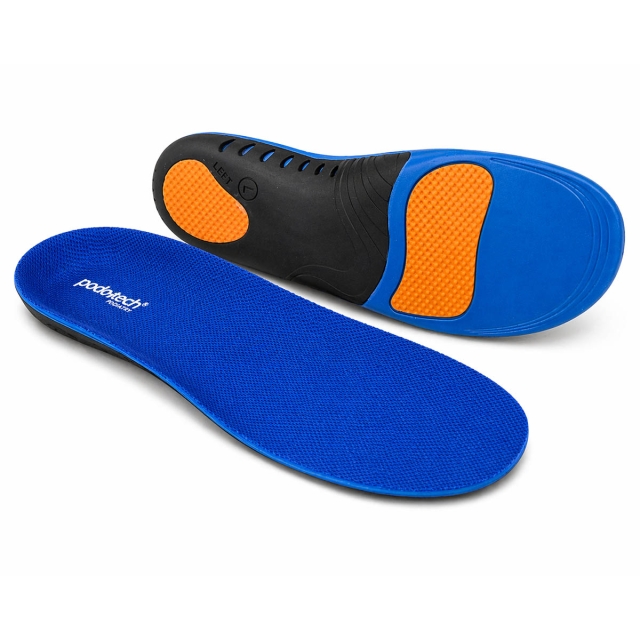
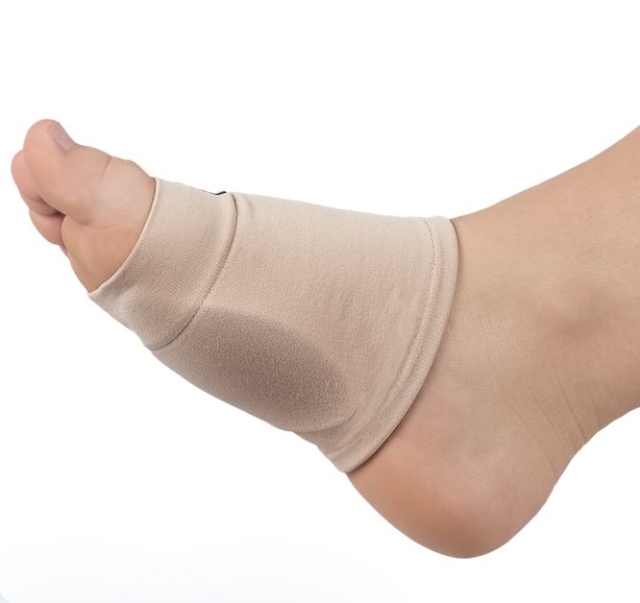
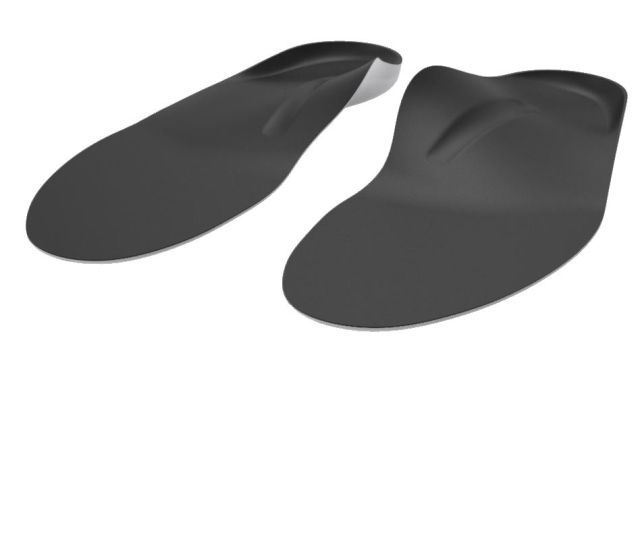
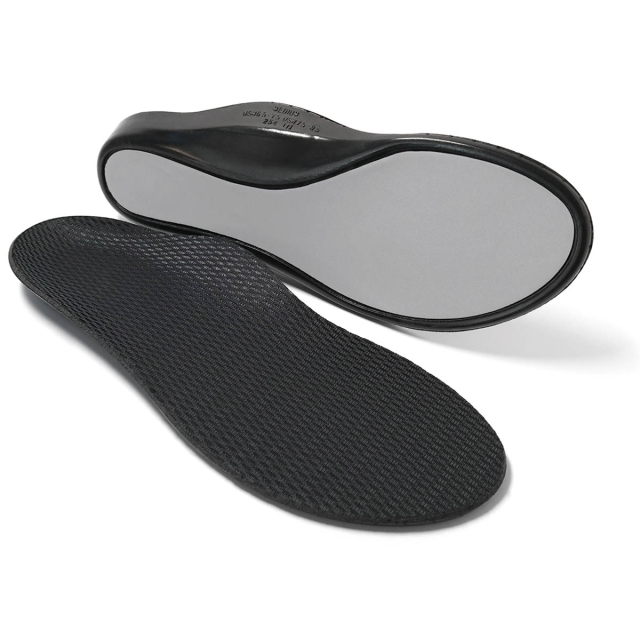
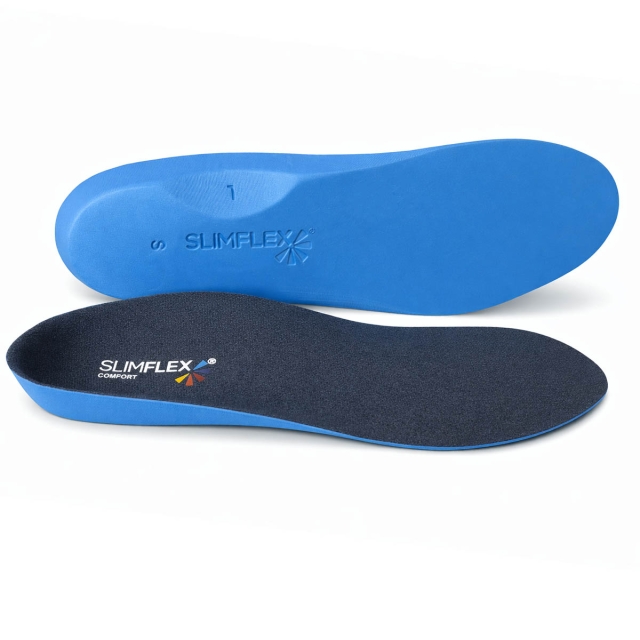
Prefabricated foot orthoses can reduce plantar fascia strain and are recommended within a multimodal package. Fit them to your most used shoes and wear them consistently through the day not only for sports.
-
Consider taping or night splints as adjuncts
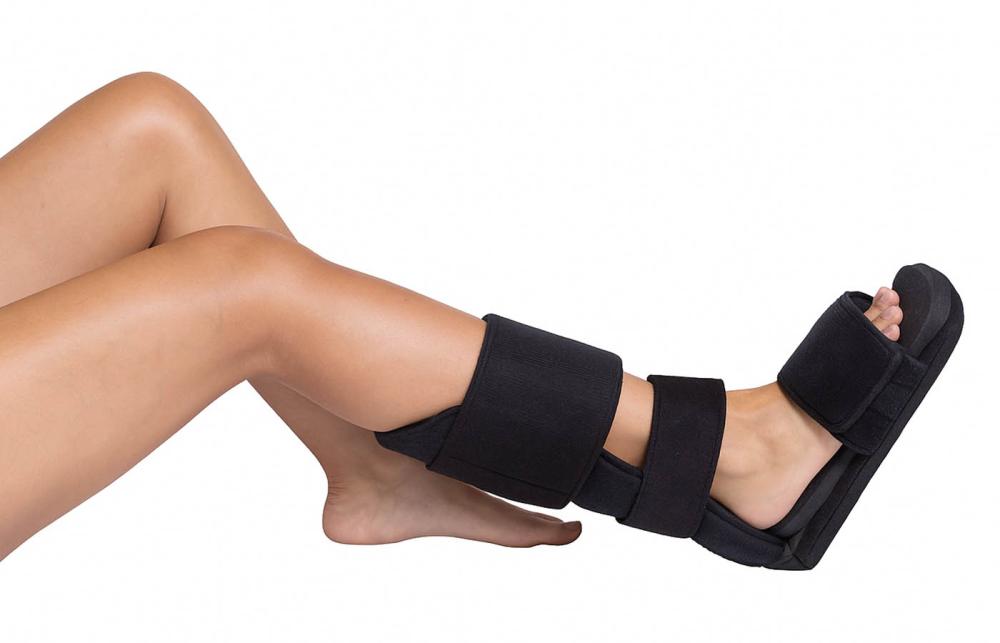
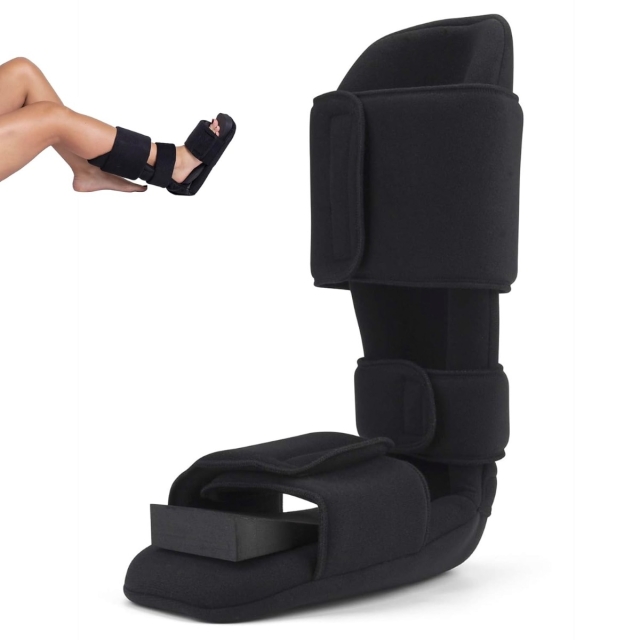
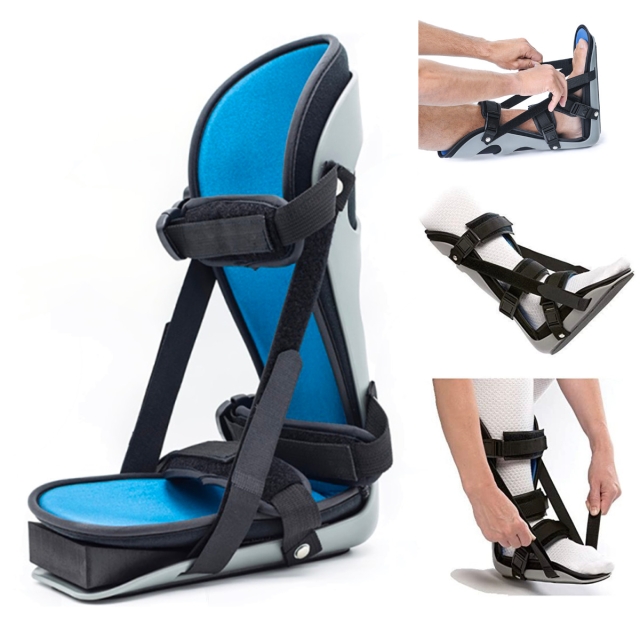
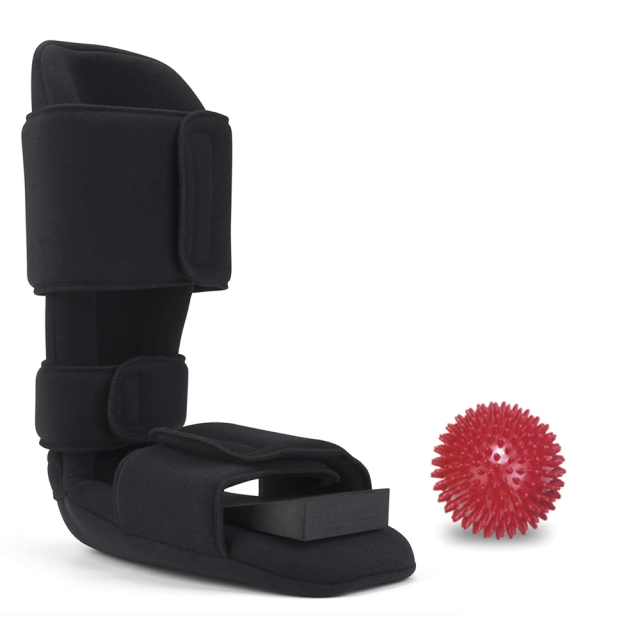
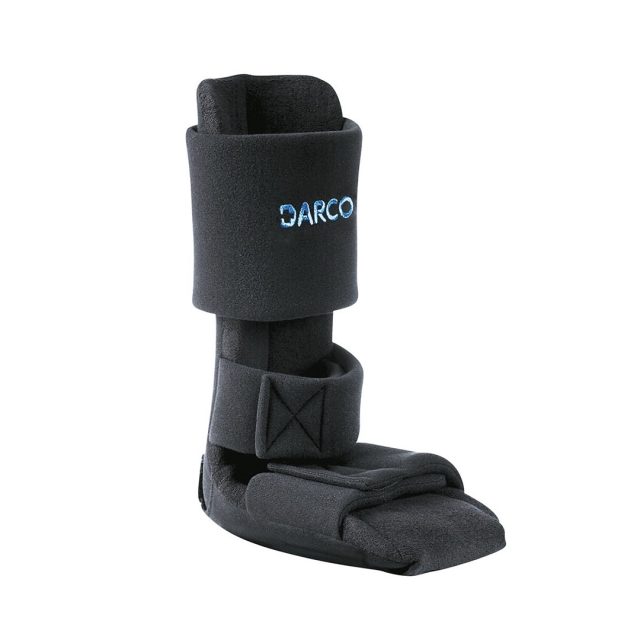
Low dye or arch taping can offload tissue in the acute phase and offer short term relief. Night splints that hold the ankle in dorsiflexion may help morning pain although comfort limits adherence. Use these as short term adjuncts if core steps are not enough.
-
Monitor progress and escalate when needed
Track first step pain, end of day pain and function weekly. Many improve within 4 to 6 weeks with consistent self care although full recovery can take 3 to 6 months. If there is little change after 6 to 12 weeks consider referral to a podiatrist or physiotherapist.
Comparison table: home options
| Intervention | Main benefit | How to use | Evidence snapshot |
|---|---|---|---|
| Load modification and footwear | Reduces mechanical stress on fascia | Ease into activity, avoid barefoot on hard floors, pick supportive shoes | Highlighted by NHS and NICE as first line education and self care |
| Calf and plantar fascia stretching | Improves morning pain and function | 2 to 3 times per day for at least 4 to 6 weeks | Core recommendation in 2023 orthopaedic physical therapy guideline and NICE CKS |
| Foot strengthening | Builds tissue capacity and arch control | Short foot drills then heel raises and eccentric calf lowers | Supported as part of multimodal rehab in best practice guidance |
| Ice and simple analgesia | Short term pain relief | Ice after activity and consider OTC analgesia if appropriate | Common first aid advice in NHS materials |
| Prefabricated foot orthoses | Offload fascia and improve comfort | Use across daily footwear not just sport shoes | Recommended when combined with stretching in clinical guidance |
| Taping | Immediate short term relief for flares | Learn simple arch taping then trial for 1 to 2 weeks | Included in best practice guide as early phase support |
| Night splints | Reduce first step pain for some | Use nightly for a limited trial period if tolerated | Adjunct with variable adherence and mixed evidence |
FAQ
How long does plantar fasciitis take to settle with home care
Expect gradual improvement over 4 to 6 weeks if you follow the plan daily although some cases take 3 to 6 months. Persistent or worsening pain despite adherence warrants professional assessment.
Should I stop running or walking for fitness
Reduce impact temporarily and substitute cycling or swimming if walking or running spikes pain. Rebuild with small increments once morning pain and next day soreness are improving.
Are insoles necessary or will stretching be enough
Many improve with stretching alone yet adding a prefabricated arch support can help particularly if your symptoms persist with activity. Combined approaches show better outcomes in guidance.
Why does it hurt most with first steps after rest
During rest the calf and fascia shorten. First steps load a stiff system which triggers pain near the heel. Pre loading stretches before rising can reduce that spike.
When should I seek imaging or injections
Imaging is rarely needed initially. Consider escalation if red flags are present or if well executed conservative care fails after 6 to 12 weeks. Decisions about shockwave or injections should follow a clinician review since benefits must outweigh risks.
Does weight matter
Higher body mass increases load through the fascia. Where relevant a gradual weight loss plan paired with the steps above can reduce symptoms and recurrence.
References and research sources
- NHS. Plantar fasciitis. nhs.uk/conditions/plantar-fasciitis
- Morrissey D et al. Management of plantar heel pain: a best practice guide. Br J Sports Med 2021
- Academy of Orthopaedic Physical Therapy. Heel Pain - Plantar Fasciitis: Revision 2023. orthopt.org
- NICE CKS. Plantar fasciitis: overview, diagnosis and management. cks.nice.org.uk/topics/plantar-fasciitis/
- Royal Berkshire NHS Foundation Trust. Advice and exercises for patients with plantar fasciitis. PDF
- NHS inform. Plantar heel pain. nhsinform.scot
- Royal Orthopaedic Hospital. Plantar fasciitis patient guide. roh.nhs.uk
Sold: Each
Incl. VAT Exl. VAT