Algeos expands pressure-care portfolio through new Caversham partnership
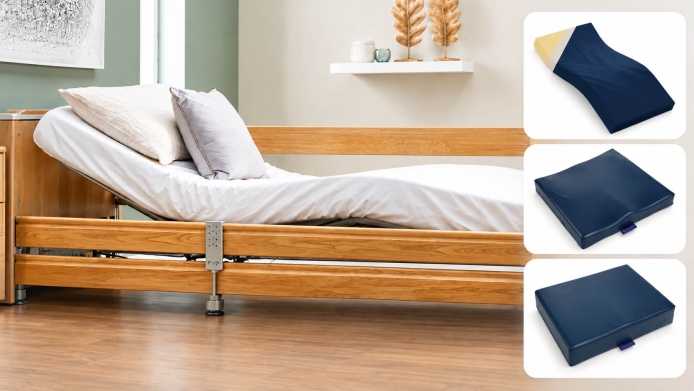
Algeos has expanded its pressure-care portfolio through a new distribution partnership with Caversham®, making four specialist Class I medical devices available to healthcare professionals and care providers across the UK.
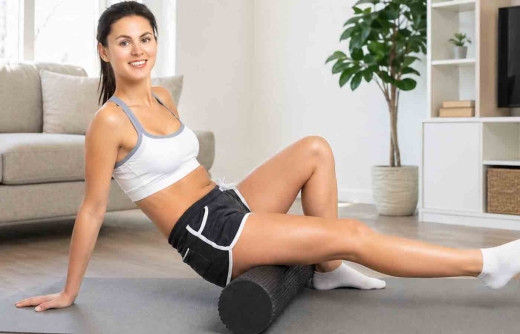
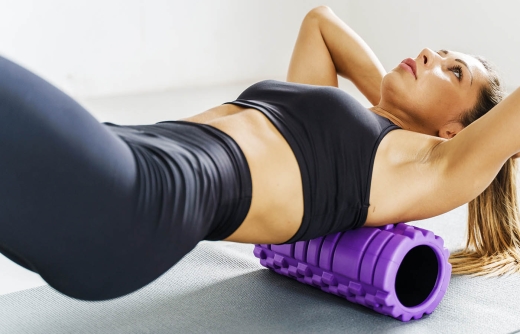
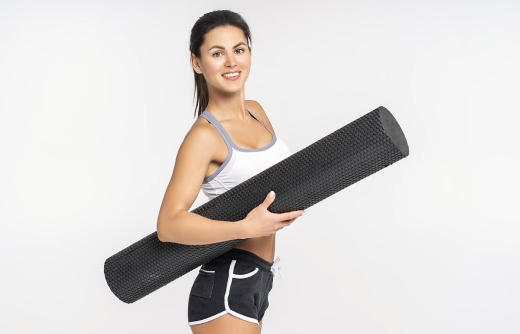
The best foam roller for back pain depends on where you feel discomfort, how much pressure you tolerate and whether you need a roller for general mobility, Pilates, rehabilitation exercises or targeted muscle release.
This guide explains the main foam roller types, how to choose the right size and firmness and how to use one safely around the back.
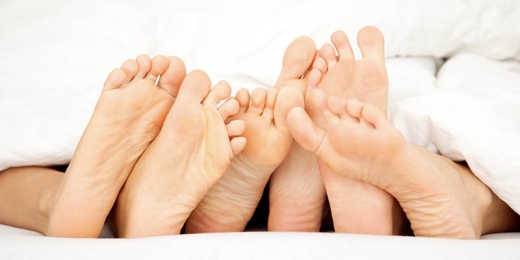
Feet are extraordinary! They support us, help us move, and have played a huge part in history, culture, and sports. From ancient foot binding practices to modern sports achievements, our feet are not only biologically significant but also culturally impactful. Hopefully, these fun and interesting facts have given you a newfound appreciation for the complex and fascinating structure that keeps you standing strong.
Foam rollers have moved from physio clinics and elite gyms into living rooms, kit bags and workplace wellness corners. Whether you’re a clinician guiding patient rehab, a runner chasing a PB, or someone battling desk-shoulder, the right roller can help reduce muscle tension, improve range of motion and speed up recovery.
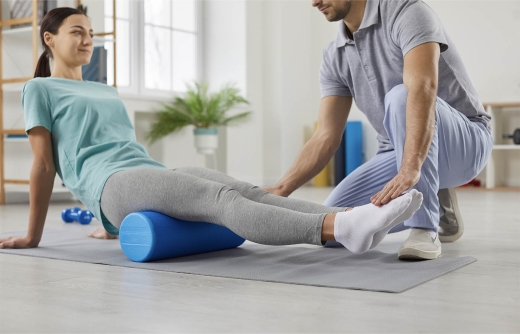
A practical, evidence-informed clinical guide for NHS physiotherapy and rehabilitation teams, and for informed patients who want to use foam rollers safely with purpose.
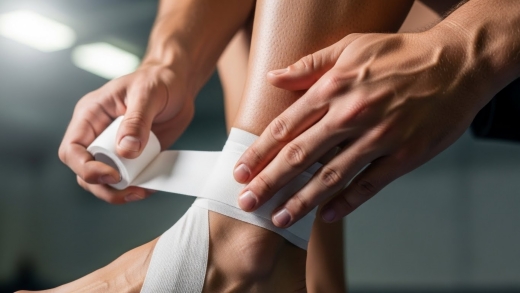
Physiotherapy tapes are important tools in sports and rehab. They help prevent injuries and improve performance and recovery. This guide will explore the different types of sports tapes. The explanation will cover their uses and how to choose the right tape for you.
Physioworx foam rollers are designed to support muscle recovery, improve flexibility and help users get more from their training, rehabilitation and mobility routines.
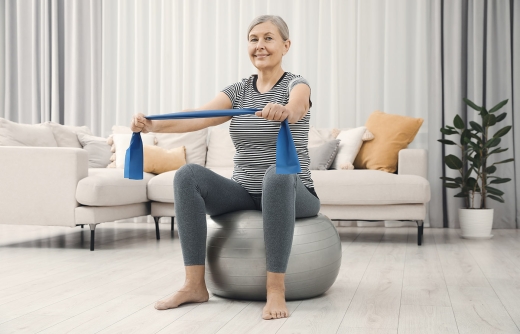
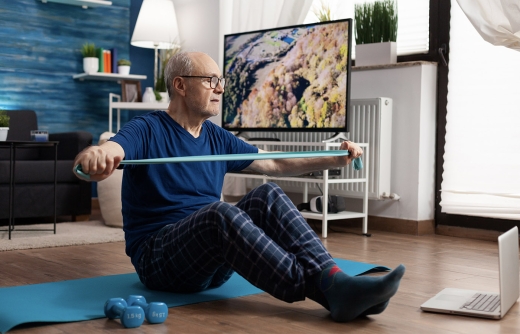
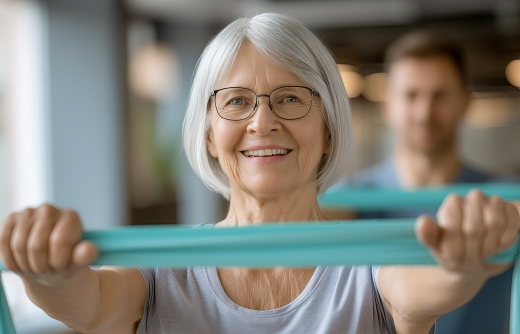
Physio resistance bands are among the most versatile and effective tools you can add to your fitness routine. They provide many benefits. These include building strength, improving flexibility, helping with injury recovery, and enhancing muscle tone.
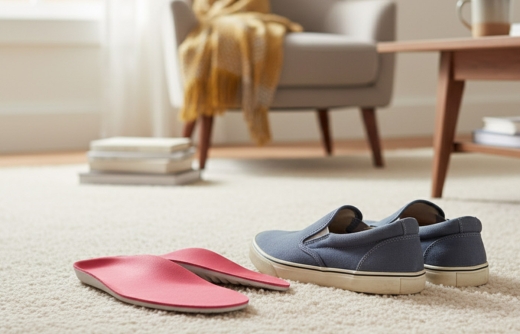
Heel pain is a common issue affecting countless individuals. The pain can stem from various conditions such as plantar fasciitis, metatarsalgia, or simply tired feet from standing or walking for extended periods.
Understanding the cause of your heel pain is the first step in finding the right treatment.
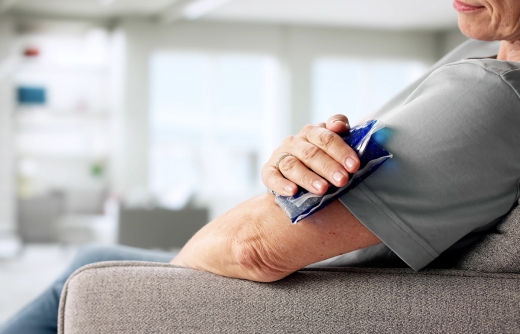
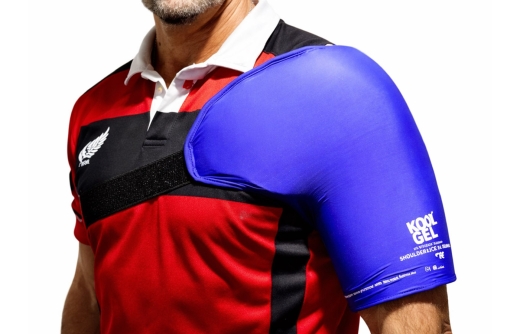
Hot and cold therapy are among the most commonly recommended treatments for pain and injury. Yet choosing between heat and ice is not always as straightforward as it seems.
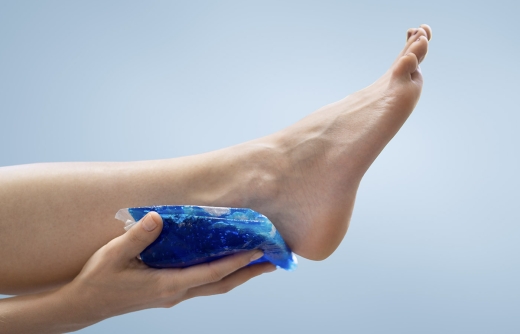
Plantar fasciitis is one of the most common causes of heel pain, often felt as a sharp or aching sensation under the heel or along the arch, particularly with the first steps in the morning. Ice therapy is frequently recommended because it can help reduce pain and calm irritated tissues during painful flare-ups.
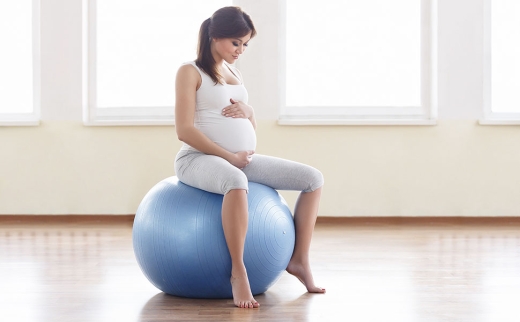
Pregnancy is a time of immense physical change, and maintaining an exercise routine can be beneficial for both the mother and the baby. One versatile tool that can aid in pregnancy exercises is the exercise ball, also known as a stability ball or birthing ball. Here’s a comprehensive guide on how to use exercise balls effectively during pregnancy.
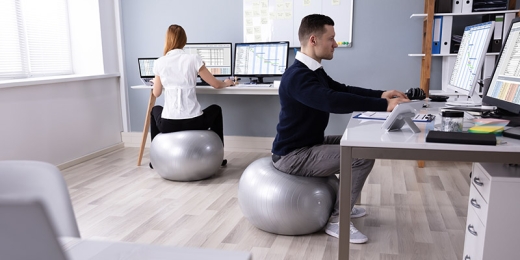
Using an exercise ball as a chair in the workplace has become a popular alternative to traditional seating. While there are some potential benefits, there are also notable disadvantages to consider. Below, we explore both the advantages and drawbacks of using an exercise ball as a chair, as well as tips on how to use it properly and alternative ways to improve posture.
This guide focuses on tools that are genuinely useful day-to-day: building strength at home, improving balance and stability, easing muscle tightness, supporting sensory seating, and making basic health monitoring easier.
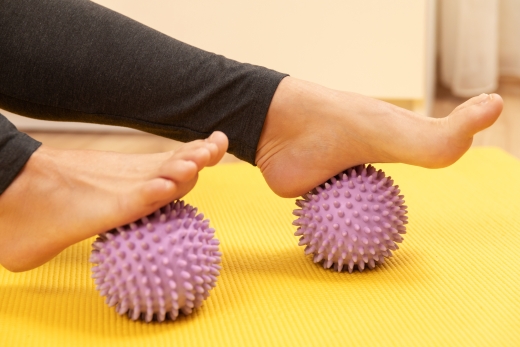
The Physioworx Spiky Ball can help with plantar fasciitis by providing targeted massage therapy to the affected area. Plantar fasciitis is caused by inflammation of the plantar fascia, a thick band of tissue that runs along the bottom of your foot. Using a spiky ball for self-massage helps to release tension in the muscles and fascia, improving blood circulation and reducing inflammation.
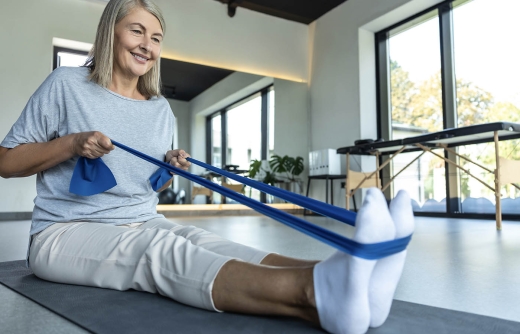
If you want more strength, better mobility and a home workout that doesn’t take over your living room, resistance bands are hard to beat. They’re light, portable and – according to clinical guidance from Cleveland Clinic – can build strength in a very similar way to traditional weights, while often being easier on the joints.
Diabetic foot complications don’t usually arrive with fireworks. They creep in quietly through pressure points, friction, reduced sensation, and tiny skin changes that go unnoticed until they become a problem. That’s exactly why preventive tools matter.
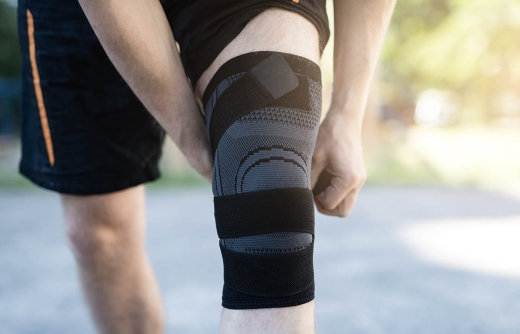
This UK guide explains how knee supports work - then maps common conditions to specific brace types - with comparison tables of leading options available from Algeos
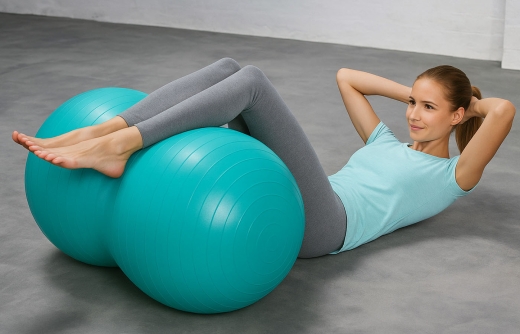
Peanut exercise balls are a unique fitness tool. Their distinctive shape sets them apart from traditional exercise balls. These balls offer a range of benefits. They can improve balance, coordination, and core strength. But what exactly are peanut exercise balls? And how are they used in fitness routines?