




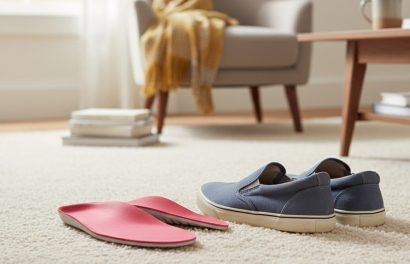
Diabetic foot complications don’t usually arrive with fireworks. They creep in quietly through pressure points, friction, reduced sensation, and tiny skin changes that go unnoticed until they become a problem. That’s exactly why preventive tools matter.
One of the simplest, most effective 'everyday' interventions in diabetic foot care is pressure redistribution through appropriate insoles and footwear.
Diaped Duosoft Plus is a therapeutic insole developed for people with diabetes, neuropathy, arthritis or any condition that results in sensitive (or insensate) feet. It uses a dual-layer construction: a PORON 94 memory foam top layer (slow rebound, highly cushioning) and a supportive urethane base with a Vygel heel cushion.
The aim is simple but clinically meaningful: reduce peak plantar pressures, absorb shock and minimise friction-related trauma - the typical ingredients behind calluses, blisters, and diabetic foot ulcers.
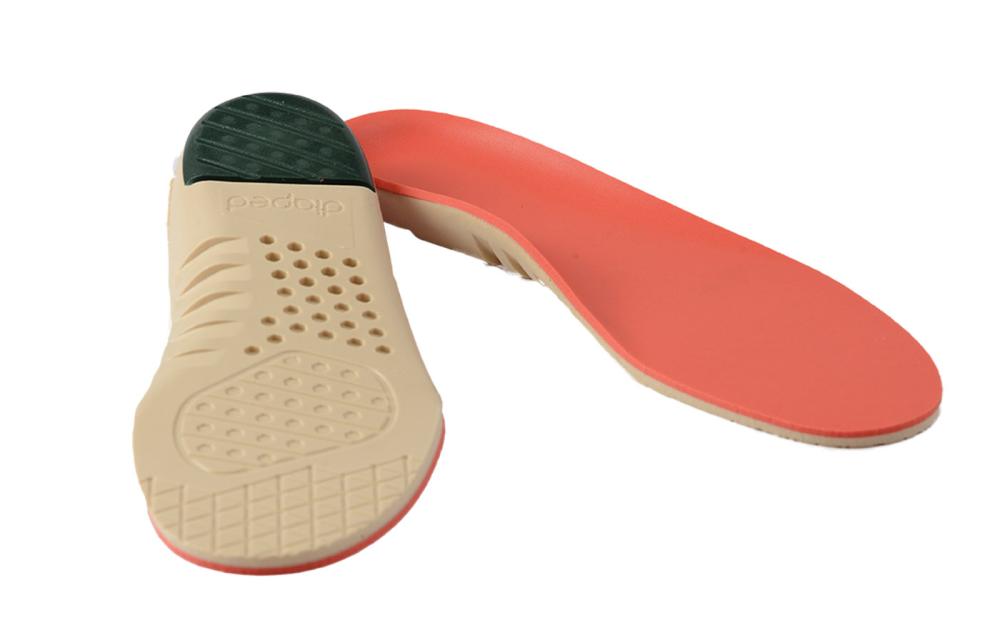
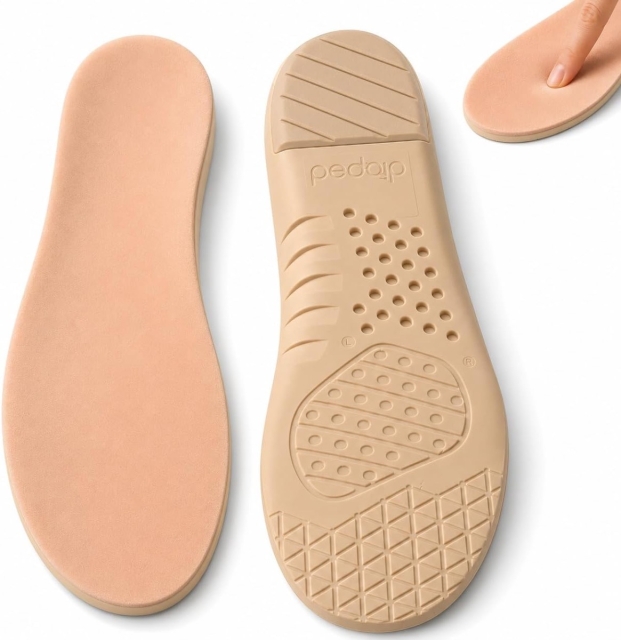
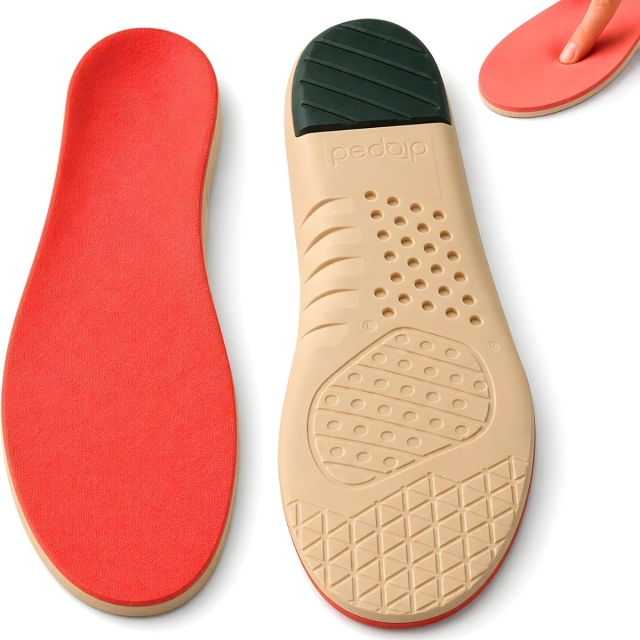
Figure (for page layout): Diaped Duosoft Plus diabetic insoles showing the dual-layer design: PORON® 94 memory foam top cover (orange) + supportive urethane base (beige) with cushioned heel pad. Designed to redistribute pressure and absorb shock for sensitive or insensate feet.
At a Glance: Why Duosoft Plus Exist
- Primary purpose: preventative support for high-risk feet (diabetes, neuropathy, arthritis, fat pad loss).
- What it targets: pressure concentration, impact shock, friction/shear and skin breakdown risk.
- Core design: dual-layer cushioning (PORON memory foam + urethane base) plus a heel cushion.
- Best use-case: depth footwear where you can accommodate a thicker, protective insole.
- Important limitation: it’s not an “arch-support orthotic” for structural correction - think protective comfort first.
Why Pressure Redistribution Matters in Diabetes
If you work in diabetic foot care or you’ve lived with diabetes long enough, you’ll know the real issue isn’t usually “a sore spot.” It’s what happens after that sore spot is ignored (often because it can’t be felt). When protective sensation is reduced, the normal warning signals don’t fire. A patient may keep walking on an overloaded area, repeatedly, day after day. The skin responds with callus. Under the callus, tissue stress builds. Eventually you can get breakdown, blistering or ulceration.
So, the goal isn’t just comfort. It’s prevention. And in prevention, two things matter most at ground level:
- Peak pressure: how much force concentrates on small areas of the plantar surface.
- Shear/friction: the horizontal rubbing forces that contribute to skin breakdown, especially in warm, moist environments.
Offloading plantar pressure is a well-established strategy in diabetic foot management. In broader research on therapeutic footwear and insoles, people using properly designed therapeutic insoles/footwear have shown substantially lower ulcer occurrence than those using standard inserts over follow-up periods. The principle is consistent across studies: reduce pressure peaks, reduce trauma, reduce ulcer risk.
How Duosoft Plus Work
1) PORON 94 Memory Foam Top Layer: 'Cradling and Spread'
The top cover is a slow-rebound memory foam designed to adapt to the plantar surface. That 'cradling' effect matters because it helps distribute load across a wider area. Instead of a few high-pressure hot spots doing all the work, the insole encourages a more even pressure profile.
Practical outcome: fewer concentrated stress zones that can lead to calluses, blistering and skin breakdown - particularly in neuropathic feet where the person may not feel the early warning signs.
2) Supportive Urethane Base: Structure Without Harshness
Pure soft foam can feel great at first and then flatten or bottom out. A resilient urethane base supports the cushioning layer and helps the insole maintain its shape over time. This design aims to balance plush comfort with practical durability - important for daily wear.
3) Vygel Heel Cushion: Impact Reduction Where It Counts
Heel strike is a major impact event in gait. The integrated heel cushion helps attenuate shock at initial contact. For many people, especially those with fat pad loss, heel sensitivity, or general foot pain, this can be the difference between “I can walk again” and “I lasted 10 minutes and regretted everything.”
4) Seam-Free, Protective Footbed for Insensate Feet
In diabetic neuropathy, the risk isn’t only pressure - it’s unnoticed trauma. A protective, cushioned surface with minimal irritation points helps reduce micro-injuries that might otherwise go undetected.
Clinical Evidence: What We Can Say With Confidence
There may not be a dedicated published trial named specifically “Duosoft Plus” in the material provided here, but the product’s preventive strategy is grounded in evidence-based principles widely used in diabetic foot care.
Therapeutic Insoles and Ulcer Prevention
Research comparing therapeutic insoles/footwear versus standard insoles in high-risk diabetic populations has shown major differences in ulcer incidence over time. The consistent finding: therapeutic pressure redistribution reduces new ulceration and supports ulcer recurrence prevention strategies.
Shear Reduction and Skin Breakdown Risk
Separate research has highlighted that shear-reducing insole designs can lower ulcer occurrence compared with standard insoles. While Duosoft Plus is primarily positioned around cushioning and pressure redistribution (rather than explicitly marketed as a dedicated shear-reducing platform), it still targets the same real-world objective: reduce friction, reduce pressure, reduce tissue stress.
Neuropathy: Protection and Comfort Support
Insoles cannot reverse neuropathy, but they can reduce the downstream risks: pressure lesions, repetitive micro-trauma and impact-related discomfort. Cushioning may also improve tolerance for walking in people with painful neuropathy or arthritis.
Callus Prevention (A Big Deal in Diabetic Feet)
Calluses are not just hard skin in diabetes - they can be a signpost for overload and a contributor to ulcer formation. A soft, conforming top layer can help reduce the stimulus for callus formation by distributing load more evenly across the sole.
Bottom line: Duosoft Plus aligns tightly with accepted preventive care principles: cushioning, pressure redistribution and shock absorption. It is positioned as a proactive tool to reduce common precursors to diabetic foot complications.
Real-World User Experience: What People Notice
User feedback and expert commentary included in the provided content is consistently positive, and the themes are remarkably practical (which is usually a good sign). People aren’t writing poetry about polymer chemistry - they’re saying things like “I can walk again.”
Comfort and Pressure Relief
Users frequently describe Duosoft Plus as exceptionally soft and shock-absorbing. People who feel like they are “walking on pebbles” (often due to fat pad loss) report noticeable relief. Those with arthritis describe improved endurance - walking and standing for longer with less post-activity pain.
Protection for Diabetic / Neuropathic Feet
People living with diabetic neuropathy specifically report fewer pressure spots and a greater feeling of 'protected walking'. Some users recognise the insole as a type previously supplied via clinical services and choose to purchase additional pairs when they can no longer receive them that way.
Durability (Soft, But Not Flimsy)
Despite the very cushioned feel, multiple users note good longevity. Reports include continued performance after extensive use (for example, repeated rounds of golf) without rapid breakdown - an important factor when this is an everyday medical-adjacent product.
Fit Notes: Thickness and Sizing
The biggest practical watch-out is thickness. Protective insoles are rarely “thin and invisible.” If footwear is shallow, tight or has minimal volume, any thick cushioned insole can cause crowding - and crowding itself increases friction risk. Several reviews highlight the need for sufficiently deep footwear.
Some users mention sizing nuance (especially around half-sizes). The sensible approach is to select the closest size range and trim at the toe only if needed, while ensuring the heel sits properly and the shoe isn’t made tighter by the insert.
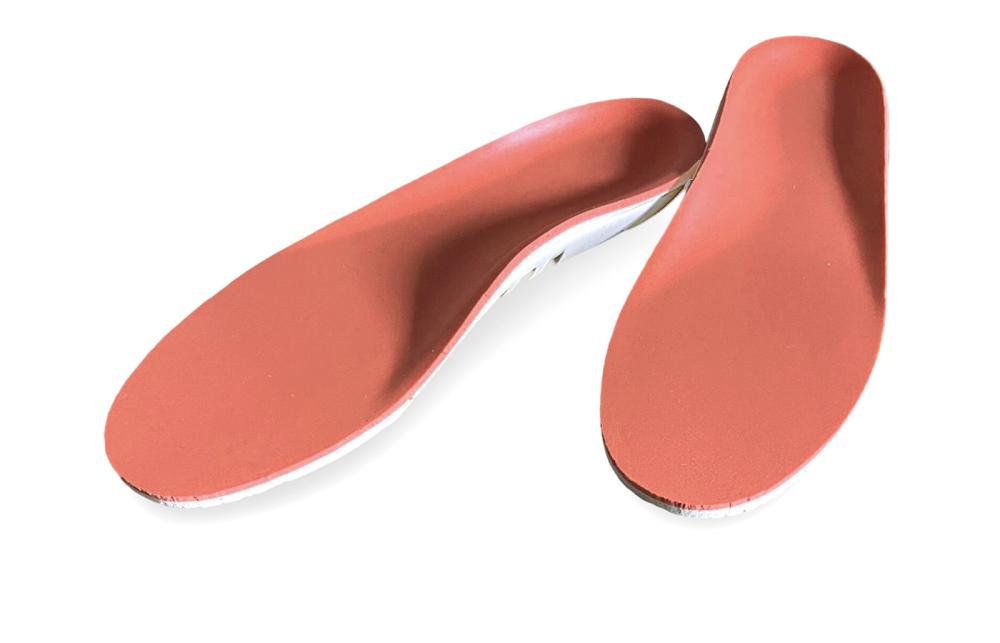
Comparison: Duosoft Plus vs Other Options
Different feet need different strategies. Here’s a clear comparison.
| Option | Best For | Main Strength | Main Limitation | Typical Cost Position |
|---|---|---|---|---|
| Diaped Duosoft Plus | Diabetes/neuropathy, arthritis, fat pad loss, sensitive feet | Maximum cushioning + pressure distribution + heel shock absorption | Not a structured arch-support orthotic; needs shoe depth | Mid-range (premium OTC / clinical-grade) |
| Diaped Duosoft Therapeutic (same family) | Those needing more anatomical shaping and forefoot offloading | Multi-density approach with more targeted support (e.g., metatarsal area) | May feel firmer than Plus; still needs depth footwear | Similar price band |
| Traditional Plastazote Insoles | Basic diabetic protection needs; sensitive feet | Soft, moulding foam that helps distribute pressure | Can bottom-out faster; less engineered heel cushioning/support | Often cheaper |
| Generic “diabetic” pharmacy insoles | Light-to-moderate comfort needs; early preventive use | Accessible, low cost, immediate availability | May wear faster; may not contour/redistribute as effectively | Low-to-mid |
| Custom-made diabetic orthoses | Very high-risk feet; previous ulcers; complex deformity | Precision offloading for specific risk sites | Higher cost; requires clinician access and fitting process | High |
Step-by-Step: How to Use Duosoft Plus Safely (And Get the Benefit)
- Start with the right shoe. Use depth footwear (or shoes with removable insoles and adequate volume). If the shoe becomes tight after insertion, stop—tight shoes increase friction risk.
- Remove the existing insole (if possible). This preserves space and helps the Duosoft Plus sit correctly.
- Check sizing before trimming. Place Duosoft Plus on top of the existing insole to compare length/shape. Trim minimally at the toe only if required.
- Insert and ensure the heel is seated. The heel should sit flat and aligned. A misaligned heel increases shear and rubbing.
- Wear-in gradually. Even comfort products can change pressure distribution. If the user has neuropathy, short wear periods initially are sensible.
- Daily foot checks. Particularly for neuropathy: check for redness, hot spots, blisters, or changes in callus pattern.
- Replace when cushioning degrades. If the insole compresses permanently, becomes uneven, or stops providing shock absorption, replace it - especially for high-risk users.
Who Is Duosoft Plus Designed For?
- People with diabetes (especially peripheral neuropathy or high ulcer risk profiles).
- People with arthritis who need a soft, protective footbed to reduce daily walking discomfort.
- People with fat pad loss who experience “walking on pebbles” sensations and impact pain.
- People with recurring callus or blister tendencies where pressure redistribution is clinically important.
Who Might Need Something Different (or Additional)?
- Those requiring strong arch control or pronation management: Duosoft Plus is cushioning-first, not a corrective orthotic.
- Very tight/shallow footwear users: thickness may be a deal-breaker unless footwear is changed.
- Previous ulcer at a specific site: a clinician may recommend custom offloading or a more targeted orthotic strategy.
Pricing and Availability (Based on the Provided Information)
In the UK, Duosoft Plus is typically priced around £20–£25 per pair depending on the retailer and VAT status. People eligible for VAT relief may see a lower net price. International pricing varies significantly due to distribution and import costs (with some European pricing reported higher).
Availability is generally strong through specialist outlets and official distribution channels. It is also referenced as available through medical channels (including NHS supply routes), and commonly sold via reputable medical suppliers and online retailers.
FAQs
1) Can Duosoft Plus prevent diabetic foot ulcers?
No insole can guarantee ulcer prevention, but the preventive strategy - reducing peak pressure, cushioning impact and limiting friction - is strongly aligned with evidence-based diabetic foot care. Used consistently with appropriate footwear and daily foot checks, it can meaningfully reduce risk factors that contribute to ulcer formation.
2) Is this an orthotic arch support?
Not in the “corrective orthotic” sense. Duosoft Plus is primarily accommodative - designed to cushion and distribute pressure. If a user needs firm arch control, they may need a different device (or clinician guidance).
3) Will it fit in normal shoes?
Sometimes—but thickness is a real factor. It generally works best in deep depth footwear or shoes with removable insoles and extra volume. If the shoe becomes tight, don’t force it.
4) Does it help neuropathy pain?
It won’t treat neuropathy itself, but cushioning and pressure reduction can improve comfort for some people, and it offers protective benefit for those with reduced sensation.
5) How long do they last?
Longevity depends on activity level and body weight, but user reports highlight good durability despite the soft feel. Replace if the cushioning permanently compresses, becomes uneven, or no longer feels protective.
6) Can I swap them between shoes?
Yes, but frequent transfers may increase wear over time. Many people prefer multiple pairs if they rotate shoes often.
7) Do I still need to check my feet daily if I wear these?
Yes - especially with neuropathy. Insoles reduce risk, but daily foot checks remain one of the most important preventive habits in diabetes management.
References and Evidence Notes (High-Level)
- Product design rationale and positioning: dual-layer cushioning (PORON® memory foam top + urethane base + heel cushion) intended for shock absorption and pressure distribution.
- Broader clinical evidence in diabetic foot care supports therapeutic insoles/footwear as an approach to reduce plantar pressure and lower ulcer incidence compared with standard inserts in high-risk groups.
- Additional research indicates shear reduction strategies can further reduce ulcer risk compared with standard insole designs.
- Patient and expert feedback commonly highlights comfort, pressure relief, protection for neuropathic feet, and durability - while noting footwear depth as a practical requirement.
Related product category: Diabetic Footcare Products: pressure relief, protection and everyday monitoring
Medical Disclaimer
This article is educational and does not replace medical advice. People with diabetes - especially those with neuropathy, previous ulcers, severe deformity, or active skin breakdown - should seek clinician guidance (podiatry/diabetic foot services) for personalised assessment and offloading strategies.
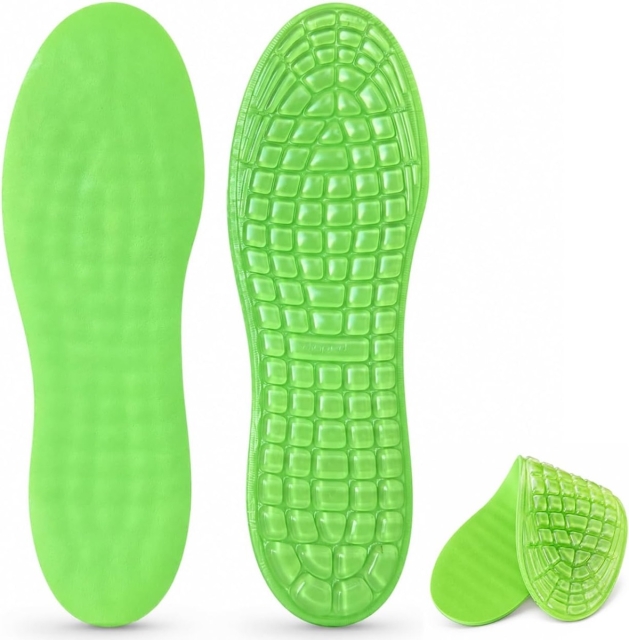
Sold: Sold per Pair
Incl. VAT Exl. VAT