

 |
Exercise balls are underestimated for their simplicity. These simple objects have many uses for people of all ages, abilities, and fitness levels.
From core strengthening to rehabilitation, from sensory therapy to office ergonomics - the possibilities are endless!
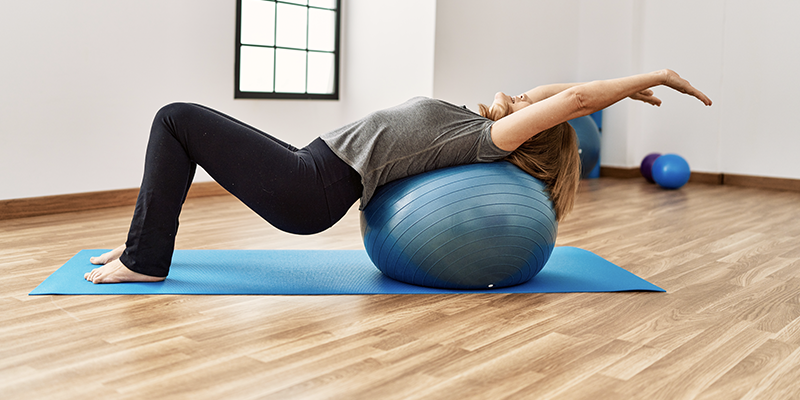
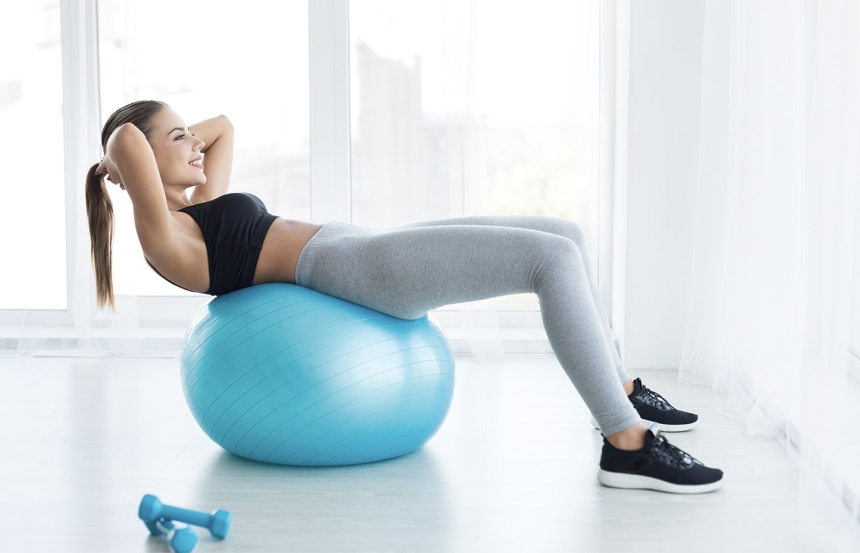
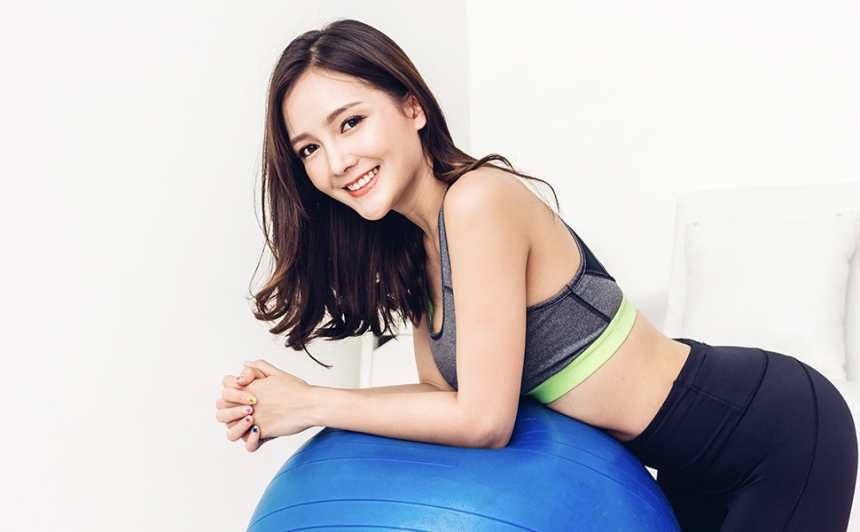
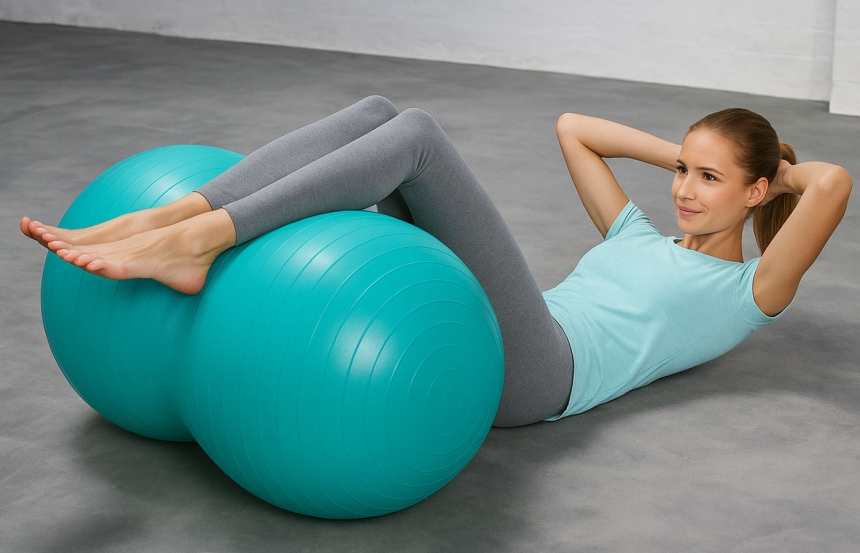
One of the most popular uses of these versatile balls is core strengthening. By using the muscles in the abdomen, back and pelvis, the balls create a lively surface for exercises.
These exercises include crunches, planks and bridges. If you love fitness and want to get better, these balls are great for you. They are also ideal for athletes who want to improve their balance and stability.
Our balls are also widely used in physiotherapy and rehabilitation. Their soft yet supportive surface allows for gentle, low-impact exercises that aid in recovery from injuries or surgeries.
Therapists use these balls for postural correction and joint mobilisation. They help clients move better and improve their results.
For Sensory Therapy
Physioworx balls can also be used as a tool in sensory therapy, particularly for individuals with sensory processing disorders. The gentle rocking and bouncing of the ball give sensory input.
This can help calm the nervous system and improve relaxation and focus. The exercise ball provides a safe and comforting space for both children and adults. It helps with sensory exploration and self-regulation.
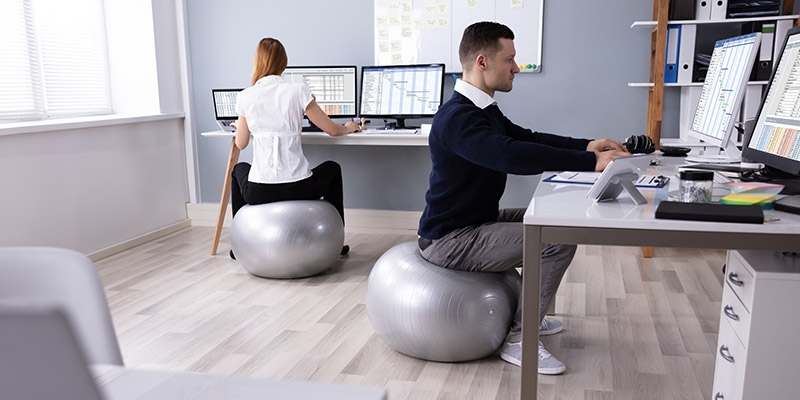
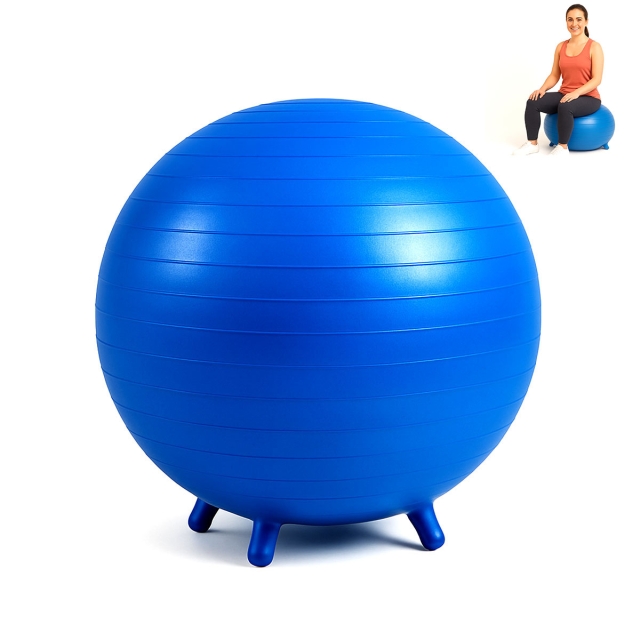
In the realm of workplace - our balls have gained popularity as ergonomic alternatives to traditional office chairs. Sitting on an unstable surface encourages people to use their core muscles.
This helps improve posture during the workday. This not only reduces the risk of musculoskeletal issues but also enhances energy levels and productivity.
For Yoga and Pilates
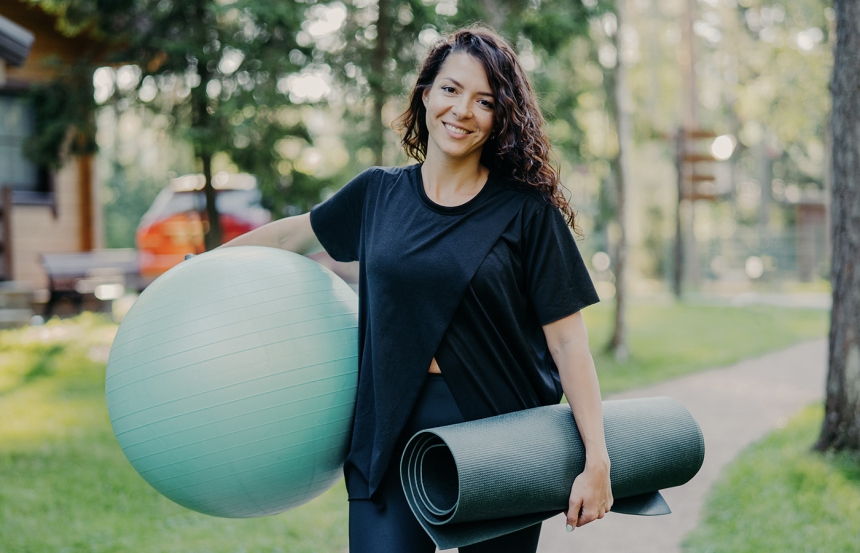
Physioworx balls find applications in various recreational activities, such as yoga, Pilates and dance. Their flexible design makes them easy to carry. This makes them great for adding challenge and variety to workouts. You can use them in the studio or at home.
These balls are a multipurpose tool. No matter if you want to reach fitness goals, find relief, or boost your well-being, this simple ball can help everyone.
How to use our balls and what ball is right for you?
Effectively performing exercise ball activities requires careful selection of the right ball size. Since personal consultations are not always possible, physical therapists, exercise trainers and other experts have created usage and selction guidelines:
When sitting upright on a ball
- Feet should be flat on the floor - with an even weight distribution.
- Knees should be level with or slightly lower than the pelvis. This creates an angle of 90 degrees or a bit more at the hips and knees. The thighs should be parallel to the ground or point down slightly.
- The pelvis, shoulders, and ears should be in a straight line. The body must not lean in any direction. Bouncing up and down lightly will usually produce this alignment.
Choose the correct size ball
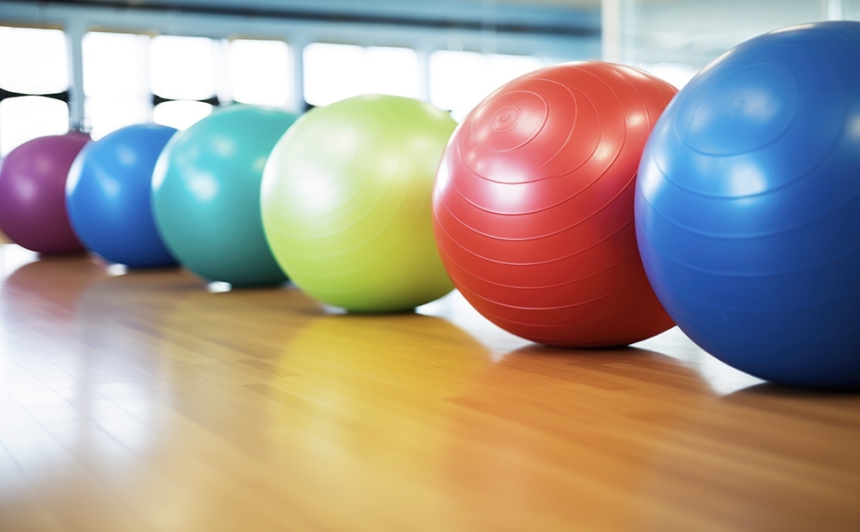
Our balls generally come in five different diametrical sizes. Each of these sizes is accordingly used for people of differing body compositions.
It is important to note that height alone is not the only factor in determining ball size. Because the exercise balls are flexible and offer resistance - weight is also an important factor.
A general rule for matching height to ball diameter is as follows. This assumes that average body weight relates to height.
If a person's weight is more than average for their height, sitting on the ball will compress it more. Therefore, people should try using a larger ball size to keep the 90-degree rule.
Another factor to keep in mind is that most sizes have some adjustability to them. If the angles at the hips and knees are much greater than 90 degrees, some air can be released to compensate and vice versa.
Ball Selection Guide
| User Height | Ball Diameter | Best For |
|---|---|---|
| Up to 5'5" (165 cm) | 55cm | General exercise, core strengthening, balance training and rehabilitation |
| 5'6" to 6'1" (166 cm - 185 cm) | 65cm | Core exercises, improving posture, enhancing stability and physiotherapy |
| Over 6'2" (186 cm and above) | 75cm | Advanced core workouts, full-body conditioning and increased stability challenges |
This guide helps you select the right ball based on your height and intended use. Choosing the right size helps you exercise well and comfortably.
How can Physioworx Balls help with Birthing and Pregnancy?
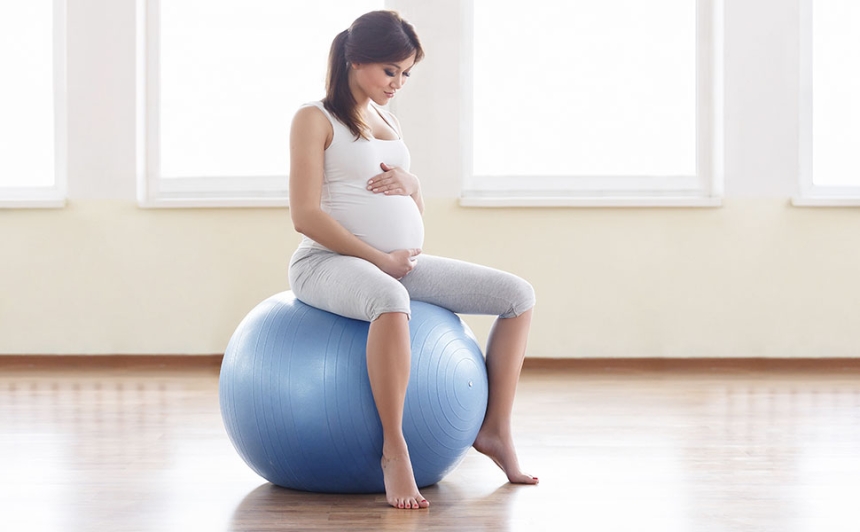
Our balls can also support women throughout pregnancy and labour. The balls are gentle but strong. They offer a safe way to do different exercises and positions.
This helps with comfort, relaxation, and good positioning during pregnancy and childbirth.
Use of Balls during Pregnancy
During pregnancy, our balls offer a range of benefits for expectant mothers. These balls help relieve back pain and improve posture. They also promote pelvic floor strength and flexibility.
They provide gentle support for the body's changing needs during pregnancy.
They also promote active movement and use of core muscles. This can help get the body ready for labour and delivery.
As labour approaches, our balls become invaluable tools for expectant mothers seeking natural pain relief and comfort during childbirth. By sitting, rocking, or gently bouncing on the ball, women can ease labour pains.
This also helps the baby get into the best position and can speed up labour. The ergonomic design helps the body move naturally. It allows women to find the most comfortable and effective birthing positions.
Prenatal and Postnatal
They are popular for prenatal and postnatal exercise classes. They provide a safe and effective way to stay active and fit during and after pregnancy. These balls are great for stretching, strengthening or relaxing. They offer a helpful surface for both expectant and new mothers.
Our exercise balls are compact, portable, and easy to inflate. They are perfect for use at home, in hospitals, or in birthing centres. With their durable construction and ergonomic design, they provide reliable support and comfort when it matters most.
Read more on Pregnancy and Exercise Ball Use in our user guide section.
How do these Balls support Rehabilitation and Healthy Aging?
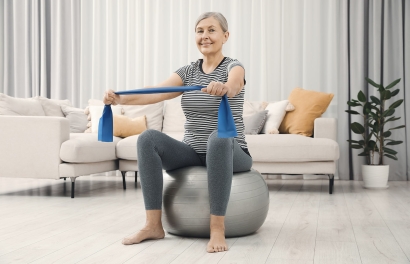
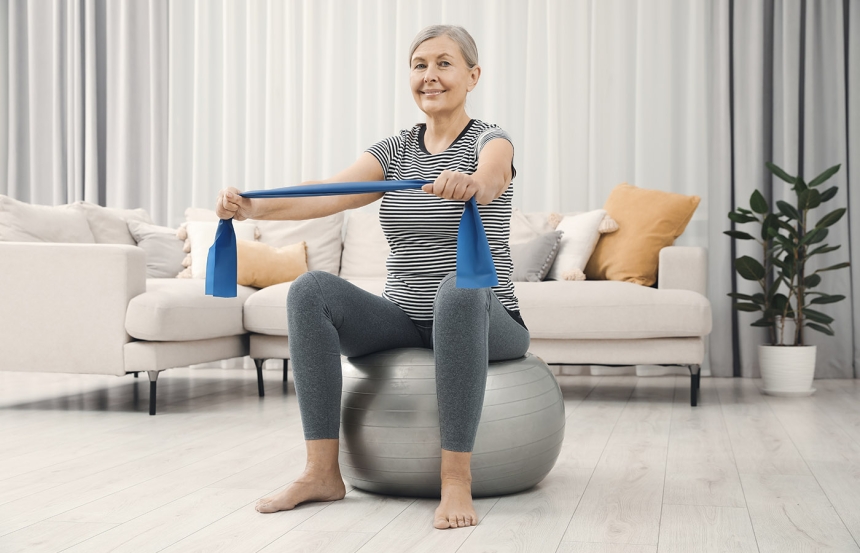
Our balls are made to be strong and flexible. They are perfect for many rehabilitation exercises and fitness routines for older adults. From gentle stretches to targeted strength training, these balls offer a safe and effective way to stay active and independent for years to come.
For people recovering from injury or surgery, our balls offer a gentle surface. They help regain strength, flexibility and movement. The balls provide gentle resistance and support. They are great for exercises that help heal and recover - whether after a hip replacement or for chronic joint pain.
Our balls are not just for rehabilitation. They are also important tools for keeping us healthy as we age. Regular exercise that includes balance, strength, and flexibility can help older adults. It improves stability, lowers the risk of falls and enhances their quality of life.
How are Exercise Balls used in Yoga and Pilates?
The perfect complement to your yoga and Pilates routines offering enhanced stability, balance and versatility to your workouts.
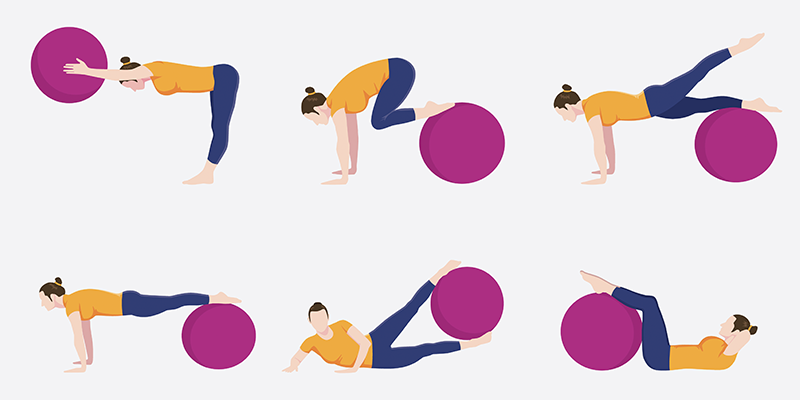
Yoga and Pilates are renowned for their focus on strength, flexibility and mindfulness. Our balls improve these practices by adding instability. This challenges your balance and engages your core muscles in new ways. Below are some examples of use:
 |
During yoga sessions, our balls serve as supportive props that deepen stretches, improve alignment and facilitate challenging poses. The balls can be used to support restorative postures or to help with balance in standing poses.
They also improve your practice by giving extra support and resistance.
In Pilates workouts, our balls provide focused resistance training. This helps to strengthen the core, tone muscles and improve body awareness.
You can use a ball in classic Pilates exercises. These exercises include the Hundred, the Roll-Up and the Bridge. Using the ball helps to engage stabilising muscles. This will also make your workout more intense.
FAQ
What size exercise ball is right for me?
The correct exercise ball size depends mainly on your height. When seated on the ball, your feet should be flat on the floor and your knees level with or slightly lower than your hips. Most adults use a 55–75 cm ball depending on height.
What are the best exercise ball workouts for seniors?
The best exercise ball workouts for seniors focus on balance, core stability, gentle strength, and flexibility. Common examples include seated balance work, pelvic tilts, wall-supported squats, and gentle stretching exercises.
Is sitting on an exercise ball actually good for you?
Sitting on an exercise ball can encourage active sitting and light core engagement, but it is not recommended as a full-time desk chair. Long-term use may increase fatigue and strain. Most experts suggest using it for short periods rather than all day.
What are the only five exercises you really need?
While no routine fits everyone, the most effective exercises typically include a squat, hinge (such as a hip hinge), push, pull, and a core stability movement. Together, these cover most functional movement patterns.
What is the best exercise ball?
The best exercise ball is one that is correctly sized, burst-resistant, and made from durable, anti-slip material. Quality matters more than brand, especially for safety, load rating, and long-term use.
What size exercise ball is best for sitting at a desk?
For desk sitting, the ball should allow your hips to sit slightly higher than your knees, similar to an ergonomic chair. This usually means a 65 cm ball for average-height adults, but height and desk setup should always be considered.
What can you use instead of an exercise ball?
Common alternatives include balance cushions, wobble stools, ergonomic chairs, or kneeling chairs. These options often provide better stability and are more suitable for prolonged sitting.
What is the number one exercise to do as you get older?
Strength training is widely considered the most important form of exercise as you age. It helps maintain muscle mass, bone density, balance, and independence, while also supporting joint health and metabolism.
What are the benefits of using these gym balls?
Using an exercise ball offers numerous benefits, including improved core strength, better balance, enhanced flexibility and greater stability. The balls are also excellent for low-impact exercises that can help reduce the risk of injury.
How do I choose the right size gym exercise ball?
To choose the right size ball, consider your height. A 55cm ball is good for users up to 5'4" (163cm). A 65cm ball is best for those between 5'4" (163cm) and 5'10" (178cm).
A 75cm ball is ideal for users over 5'10" (178cm). Sitting on the ball with your knees at a 90-degree angle is a good indicator of the correct size.
Are the balls suitable for all fitness levels?
Yes, Physioworx balls are suitable for all fitness levels. They can be used for many exercises, from beginner to advanced. This makes them useful tools for improving fitness and core strength.
How do I maintain and clean a the ball?
To maintain and clean your ball, keep it away from sharp objects and direct sunlight. Clean the ball regularly with a damp cloth and mild detergent. Avoid using harsh chemicals or abrasive materials that could damage the surface.
Popular Wellness Products
Sold: Pack of 3
Incl. VAT Exl. VATSold: Pack of 3
Incl. VAT Exl. VAT
Sold: Each
Incl. VAT Exl. VAT
Sold: 10m Roll
Incl. VAT Exl. VAT
Sold: Per Roll
Incl. VAT Exl. VAT
Sold: Each
Incl. VAT Exl. VATSold: Each
Incl. VAT Exl. VAT
Sold: Roll
Incl. VAT Exl. VAT
Sold: Single roll 5m
Incl. VAT Exl. VAT
Sold: Each
Incl. VAT Exl. VATSold: Each
Incl. VAT Exl. VAT
Sold: Each
Incl. VAT Exl. VAT
Sold: Pack of 6
Incl. VAT Exl. VAT
Sold: Each
Incl. VAT Exl. VAT
Sold: pair
Incl. VAT Exl. VAT
Sold: Each
Incl. VAT Exl. VAT
Sold: Each
Incl. VAT Exl. VAT
Sold: 10m Roll
Incl. VAT Exl. VATSold: 10m Roll
Incl. VAT Exl. VAT
Sold: Each
Incl. VAT Exl. VATSold: Each
Incl. VAT Exl. VAT
Sold: 100ml
Incl. VAT Exl. VATSold: 100ml
Incl. VAT Exl. VAT
Sold: Each
Incl. VAT Exl. VAT
Sold: Each
Incl. VAT Exl. VATSold: Each
Incl. VAT Exl. VAT
Sold: Each
Incl. VAT Exl. VAT
Sold: 13.5m Rolls
Incl. VAT Exl. VAT
Sold: Each
Incl. VAT Exl. VAT
Sold: Each
Incl. VAT Exl. VAT
Sold: Each
Incl. VAT Exl. VAT
Sold: Single Roll
Incl. VAT Exl. VATSold: Single Roll
Incl. VAT Exl. VAT
Sold: 5.5m
Incl. VAT Exl. VAT
Sold: 13.7 m
Incl. VAT Exl. VAT
Sold: pair
Incl. VAT Exl. VATSold: pair
Incl. VAT Exl. VAT
Sold: Pair
Incl. VAT Exl. VAT
Sold: Per Roll
Incl. VAT Exl. VAT
Sold: Pack of 5 bands
Incl. VAT Exl. VAT
Sold: 1 or 10 Sheets
Incl. VAT Exl. VAT
Sold: Each
Incl. VAT Exl. VAT
Sold: Pair
Incl. VAT Exl. VAT
Sold: Per Sheet
Incl. VAT Exl. VAT
Sold: Each
Incl. VAT Exl. VATSold: Each
Incl. VAT Exl. VAT
Sold: Each
Incl. VAT Exl. VAT
Sold: Each
Incl. VAT Exl. VATSold: Each
Incl. VAT Exl. VAT
Sold: Each
Incl. VAT Exl. VAT

Sold: Each
Incl. VAT Exl. VATSold: Each
Incl. VAT Exl. VAT
Sold: 500ml
Incl. VAT Exl. VAT
Sold: Pack of 2
Incl. VAT Exl. VAT
Sold: Pack of 2
Incl. VAT Exl. VAT
Sold: Pack of 2
Incl. VAT Exl. VAT
Sold: Each
Incl. VAT Exl. VAT
Sold: Various
Incl. VAT Exl. VAT
Sold: Each
Incl. VAT Exl. VAT
Articles on Home Fitness
-

September 30, 2026
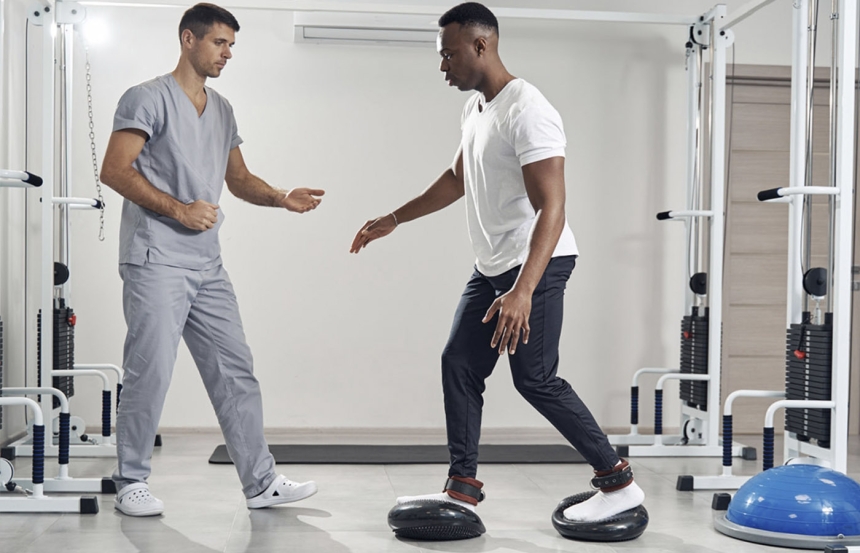
Balance therapy, sometimes known as balance rehabilitation or vestibular rehabilitation therapy (VRT), is a form of targeted physical therapy designed to help individuals improve their stability, coordination and overall confidence in movement.
It plays a critical role in treating people who experience unsteadiness, dizziness, or frequent falls - symptoms that can be caused by a variety of underlying conditions affecting the sensory and musculoskeletal systems.
-
March 15, 2026
Exercise balls are underestimated for their simplicity. These simple objects have many uses for people of all ages, abilities, and fitness levels.
-
March 11, 2026
This guide is designed for home fitness users, physiotherapists, rehabilitation clinics, Pilates and yoga practitioners, and office workers interested in active sitting.
-
January 31, 2026
Pregnancy is a time of immense physical change, and maintaining an exercise routine can be beneficial for both the mother and the baby. One versatile tool that can aid in pregnancy exercises is the exercise ball, also known as a stability ball or birthing ball. Here’s a comprehensive guide on how to use exercise balls effectively during pregnancy. -
January 31, 2026
Using an exercise ball as a chair in the workplace has become a popular alternative to traditional seating. While there are some potential benefits, there are also notable disadvantages to consider. Below, we explore both the advantages and drawbacks of using an exercise ball as a chair, as well as tips on how to use it properly and alternative ways to improve posture.
-
January 22, 2026
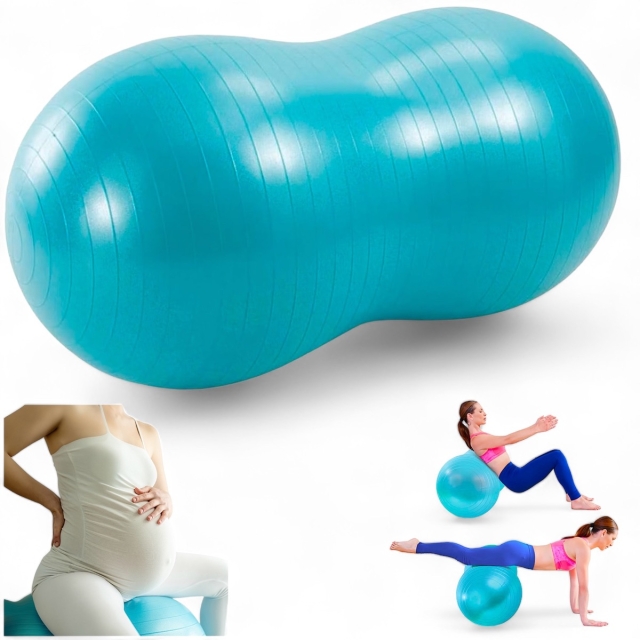
The Physioworx 50cm Peanut Ball is a versatile and innovative exercise tool designed to enhance comfort, support, and effectiveness in various applications, including pregnancy, labor, physical therapy, and general fitness.
-
December 31, 2025
Inflatable exercise balls, known as stability balls, Swiss balls, or fitness balls, are essential in fitness and rehabilitation. These versatile tools enhance core strength, balance, flexibility, and aid in injury recovery. Made from durable, burst-resistant materials, they support various exercises that engage multiple muscle groups, making them invaluable for home gyms, fitness centres, and therapeutic settings.
-
August 07, 2025
Balance balls - also known as stability balls, Swiss balls or exercise balls - have earned their place in gyms, clinics and living rooms. They’re simple, affordable, and effective for core strength, posture, and rehabilitation.
-
January 06, 2025
Peanut exercise balls are a unique fitness tool. Their distinctive shape sets them apart from traditional exercise balls. These balls offer a range of benefits. They can improve balance, coordination, and core strength. But what exactly are peanut exercise balls? And how are they used in fitness routines?
Sold: Each
Incl. VAT Exl. VAT