





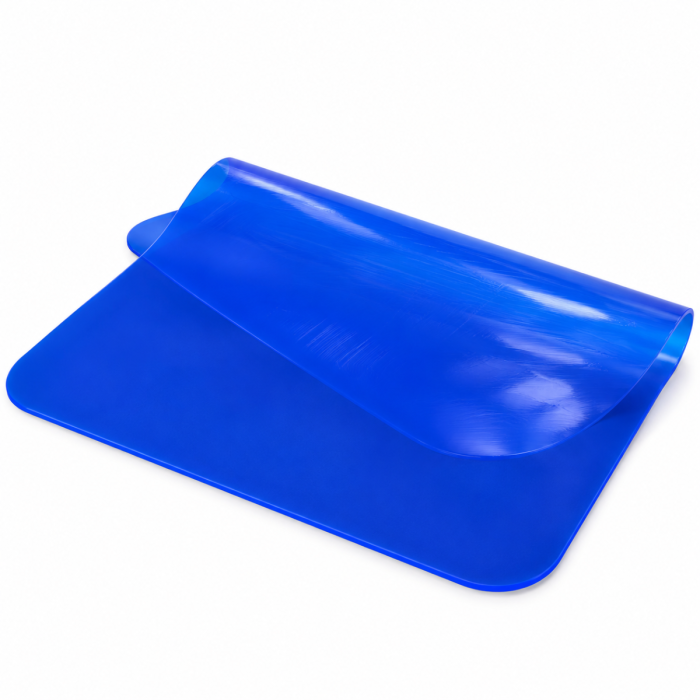
Podotech Polyurethane Gel Sheet - 406 x 457mm x 3mm
Polyurethane gel sheet designed for use as a soft lining, intermediate cushioning layer and padding material.
When incorporated into an orthotic device or insole, the soft polyurethane gel provides immediate cushioning, helping to improve comfort beneath sensitive or high-pressure areas.
The gel compresses under load, providing a compliant cushioning layer that may help distribute pressure and reduce localised discomfort during standing and walking.

Product Description
Polyurethane Gel Sheet – Orthotic Lining & Cushioning Material
A versatile, low-durometer polyurethane gel sheet designed for use as a soft lining, intermediate cushioning layer and padding material in custom orthotics, insoles and footwear modifications.
Featuring a thin film on both sides, the gel can be easily bonded to suitable orthotic materials using standard adhesives or double-sided adhesive tapes, making it ideal for professional orthotic fabrication.
Best for: Podiatrists, orthotists and orthotic technicians requiring flexible, cut-to-size cushioning for custom orthotics, pressure-relieving padding, insoles and multi-layer orthotic constructions.
Not ideal for: Applications requiring rigid structural support or self-adhesive, peel-and-stick padding.
-
Low-durometer polyurethane gel for soft, compliant cushioning and pressure distribution
-
Thin film on both sides for easy bonding with standard adhesives and tapes
-
Ideal for orthotic lining, intermediate layers and targeted padding
-
Transparent, flexible material incorporating silver antimicrobial properties
Expected Comfort and Performance
Initial use: When incorporated into an orthotic device or insole, the soft polyurethane gel provides immediate cushioning, helping to improve comfort beneath sensitive or high-pressure areas.
During regular use: The gel compresses under load, providing a compliant cushioning layer that may help distribute pressure and reduce localised discomfort during standing and walking.
Long-term use: When appropriately bonded and incorporated into an orthotic construction, the gel provides ongoing cushioning. Performance depends on the surrounding materials, adhesive selection, application and loading conditions.
What Is It?
Podotech Polyurethane Gel Sheet is a soft, transparent, low-durometer gel material developed for professional orthotic padding, cushioning and lining applications.
Supplied in a large sheet format, the material can be cut and shaped to create custom cushioning pads, heel inserts, forefoot padding or full-length insole lining layers.
Unlike self-adhesive gel products, this material features a thin film on both surfaces, allowing it to be bonded to compatible orthotic substrates using conventional adhesives or double-sided adhesive tapes.
This makes the gel particularly suitable for use as an intermediate layer within multi-material orthotic constructions, positioned between supporting materials and top covers to provide additional cushioning and comfort.
The polyurethane gel also incorporates silver antimicrobial technology intended to help inhibit microbial growth on the material surface.
Who Is It For?
This material is designed primarily for professional orthotic fabrication and modification, including:
-
Podiatrists: Creating custom cushioning areas, pressure-relieving modifications and padded orthotic devices.
-
Orthotists: Incorporating flexible gel materials into orthoses and specialist cushioning applications.
-
Orthotic technicians: Producing custom insoles and layered orthotic constructions.
-
Footwear specialists: Adding gel cushioning to custom footbeds, footwear modifications and comfort insoles.
-
Prosthetic technicians: Incorporating cushioning materials into suitable prosthetic interface constructions.
The sheet format allows practitioners to customise the size, shape and positioning of the gel to suit the finished device.
What Does It Help With?
-
Heel cushioning: Provides an additional shock-absorbing layer within heel sections of orthotics and insoles.
-
Forefoot pressure: Can be incorporated into metatarsal and forefoot areas requiring extra cushioning.
-
Localised pressure points: Helps create compliant padding in areas exposed to concentrated loading.
-
Insole comfort: Adds a soft gel layer beneath suitable top covers to improve the cushioning properties of an insole.
-
Orthotic modifications: Allows technicians to introduce targeted cushioning without replacing the entire orthotic device.
-
Layered orthotic construction: Provides a flexible intermediate material that can be bonded between compatible orthotic components.
How Does It Work?
The low-durometer polyurethane gel compresses and deforms under load, helping to distribute pressure across a wider contact area and providing cushioning within the orthotic structure.
Its soft, flexible properties make it suitable for incorporation into areas requiring additional comfort, particularly where firmer orthotic materials may produce concentrated pressure.
Dual-Sided Film for Easy Bonding
The gel features a thin film on both sides, providing surfaces suitable for bonding with standard orthotic adhesives and double-sided tapes.
This allows the gel to be incorporated into layered constructions alongside compatible materials such as EVA foam, cushioning foams, fabrics and orthotic top covers.
The dual-sided construction makes the material especially useful as a mid-layer cushioning component, where secure bonding to materials above and below the gel is required.
Important: The gel is not self-adhesive. A suitable adhesive or bonding tape is required for attachment.
Problem and Solution Overview
| Common requirement | How the gel sheet helps |
|---|---|
| Localised heel pressure | Soft polyurethane gel provides additional cushioning and impact absorption |
| Forefoot pressure points | Custom-cut gel sections provide compliant padding in targeted areas |
| Orthotics feel too firm | An intermediate gel layer can improve cushioning beneath a suitable top cover |
| Multi-layer orthotic construction | Thin film on both sides facilitates bonding to compatible materials |
| Custom padding requirements | Sheet format allows accurate cutting and shaping |
| Footwear cushioning modifications | Flexible gel can be incorporated into suitable footbeds and insoles |
Key Benefits
-
Soft, low-durometer gel: Provides flexible cushioning and pressure distribution.
-
Easy to bond: Thin film on both sides facilitates attachment using compatible standard adhesives and tapes.
-
Ideal intermediate layer: Designed for use between orthotic materials in multi-layer constructions.
-
Customisable: Easily cut and shaped into heel pads, forefoot inserts, cushioning sections and full insole linings.
-
Flexible and conformable: Adapts to the contours of custom orthotic devices.
-
Transparent construction: Suitable for integration into a variety of orthotic designs.
-
Silver antimicrobial properties: Incorporates antimicrobial technology within the gel material.
-
Non-flowing construction: Can be cut to shape without liquid gel leakage.
Correct material selection, positioning and bonding are important for achieving the desired cushioning performance. When incorporating the gel into insoles, consider the overall thickness of the finished orthotic and the available footwear depth.
Common Mistakes to Avoid
-
Assuming the material is self-adhesive: The gel requires a suitable adhesive or tape for bonding.
-
Using incompatible bonding products: Always check compatibility between the adhesive, film and surrounding materials.
-
Adding unnecessary thickness: Excessive cushioning can affect footwear fit and orthotic function.
-
Incorrect material placement: Position gel cushioning according to the intended pressure distribution and orthotic design.
-
Expecting structural support: The gel is intended for cushioning rather than rigid biomechanical correction.
-
Poor surface preparation: Ensure bonding surfaces are clean, dry and appropriately prepared.
How to Use
-
Identify the application: Determine whether the gel will be used as a lining, intermediate layer or localised cushioning pad.
-
Measure and cut: Trim the sheet to the required dimensions using suitable scissors or cutting equipment.
-
Prepare the materials: Ensure the surfaces to be bonded are clean, dry and compatible with the chosen adhesive.
-
Apply adhesive or tape: Use a suitable orthotic adhesive or double-sided adhesive tape according to the manufacturer's instructions.
-
Position the gel: Carefully align the gel layer within the orthotic or insole construction.
-
Secure the bond: Apply appropriate pressure and allow any required adhesive curing time.
-
Complete the construction: Add additional orthotic layers or top cover materials as required.
-
Check fit and finish: Assess the completed device for correct thickness, adhesion, positioning and comfort.
Professional tip: Test bonding compatibility on a small offcut before incorporating the gel into a finished orthotic device.
Technical Specifications
| Specification | Details |
|---|---|
| Product type | Orthotic gel lining and cushioning sheet |
| Sheet size | 406 × 457 mm |
| Thickness | 3 mm |
| Material | Low-durometer polyurethane gel |
| Colour / appearance | Transparent |
| Surface construction | Thin film on both sides |
| Adhesion | Non-self-adhesive |
| Bonding method | Compatible standard adhesives or double-sided adhesive tapes |
| Antimicrobial properties | Silver antimicrobial technology |
| Cut to size | Yes |
| Primary applications | Orthotic lining, intermediate cushioning, insole construction and custom padding |
| Pack contents | Single gel sheet |
Frequently Asked Questions
Is the gel sheet peel-and-stick?
No. This polyurethane gel sheet is not self-adhesive. It features a thin film on both sides, allowing it to be bonded using compatible standard orthotic adhesives or double-sided tapes.
What is the gel sheet used for?
The material is designed for orthotic padding, cushioning and lining applications. It is particularly suitable for use as an intermediate layer in custom insoles and orthotic devices.
Can the gel be bonded to EVA foam?
Yes, the film surfaces allow the gel to be incorporated into constructions using compatible EVA foam and other orthotic materials. Adhesive compatibility should be tested before production.
Can it be used between two layers of orthotic material?
Yes. The thin film on both sides makes the gel particularly suitable for intermediate cushioning applications where bonding to materials above and below the gel is required.
Is it suitable for full-length insole lining?
Yes. The sheet can be cut to match an insole profile and incorporated as a cushioning layer within a suitable orthotic construction.
Can it be cut into custom shapes?
Yes. The flexible polyurethane gel can be trimmed to produce localised cushioning pads, heel sections, forefoot inserts and larger lining components.
Does the gel provide biomechanical correction?
The gel primarily provides cushioning and pressure distribution. Structural correction and support should be provided by appropriate orthotic base materials.
Does the gel contain antimicrobial properties?
Yes. The material incorporates silver antimicrobial technology intended to help inhibit microbial growth on the material surface. This does not replace appropriate cleaning and hygiene practices.
Can standard orthotic adhesives be used?
The thin film on both sides is designed to facilitate bonding with suitable standard adhesives and double-sided adhesive tapes. Always confirm compatibility with the chosen bonding system.
Is the gel suitable for direct skin contact?
This product is primarily intended for incorporation into orthotic constructions. Any direct skin-contact application should be assessed against the manufacturer's material specifications and intended-use guidance.
Complementary Products and Materials
-
EVA Foam Sheets: For constructing supportive and cushioned orthotic bases.
-
Orthotic Top Covers: For finishing gel-lined insoles with a comfortable contact surface.
-
Contact Adhesives: For bonding compatible orthotic materials and layered constructions.
-
Double-Sided Adhesive Tapes: For attaching gel layers to suitable orthotic substrates.
-
Poron and Cushioning Foams: For combining different cushioning materials within custom orthotic designs.
Frequently bought together
Sold: Each - Various Types
Incl. VAT Exl. VAT
Sold: each
Incl. VAT Exl. VAT
Sold: Pair
Incl. VAT Exl. VATSold: Pair
Incl. VAT Exl. VAT
Sold: pair
Incl. VAT Exl. VAT
Sold: Sold per Pair
Incl. VAT Exl. VATSold: Sold per Pair
Incl. VAT Exl. VAT
Sold: pair
Incl. VAT Exl. VAT
Sold: Pair
Incl. VAT Exl. VAT
Sold: Pair
Incl. VAT Exl. VAT
Sold: Pack of 2
Incl. VAT Exl. VAT
Sold: Sold per Pair
Incl. VAT Exl. VATSold: Sold per Pair
Incl. VAT Exl. VAT
Sold: 1 or 10 Sheets
Incl. VAT Exl. VAT
Sold: Pack of 12
Incl. VAT Exl. VAT
Sold: Per Sheet
Incl. VAT Exl. VAT