




Silicone Gel Sheet for Pressure Relief - Orthotics and Insoles
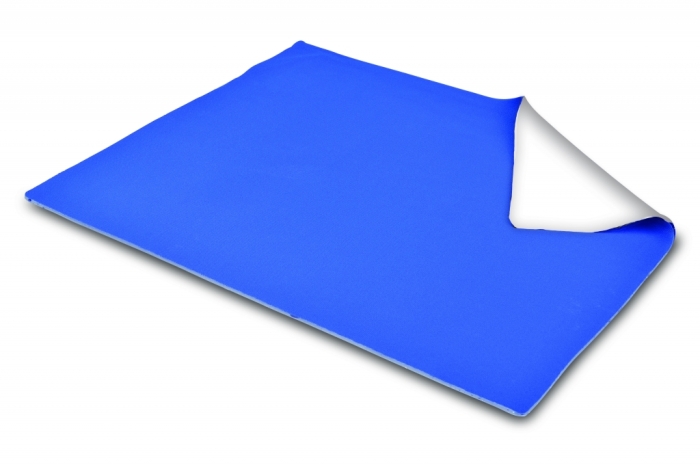
Medical Silicone Gel Sheet is a pressure relief padding material.
It is a 2mm thick, self-adhesive gel pad designed to reduce shock, impact and vibration.
Prevent hotspots or pressure sores in shoes, braces and orthotic devices.

Product Description
Pressure Relief Gel Sheets for Sports and Medical Devices
A self-adhesive, medical-grade silicone gel sheet designed to redistribute pressure and reduce friction when used inside orthotics, prosthetics, braces, splints, and other medical or sports devices.
Best for: Reducing pressure hotspots, friction, and skin irritation caused by prolonged contact with medical devices or protective equipment.
Not ideal for: Use on open wounds or actively broken skin without appropriate clinical oversight.
- 2 mm thick silicone gel for effective pressure redistribution
- Self-adhesive backing for secure placement
- Washable, reusable, and fully customisable
What is it?
The Silicone Gel Sheet for Pressure Relief is a durable, flexible gel material designed to be applied inside medical and protective devices where pressure and friction commonly occur. Made from soft, medical-grade silicone, the sheet conforms easily to body contours and device shapes, creating a cushioning layer that helps protect sensitive skin.
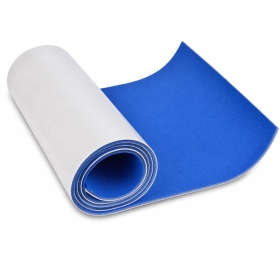
It is supplied as a single sheet in a roll format, allowing healthcare professionals and individual users to cut and shape the gel to suit specific applications. This makes it suitable for a wide range of uses, from small targeted padding to larger surface coverage inside orthotics or prosthetic liners.
The gel sheet features a self-adhesive backing that enables it to be fixed securely inside devices without additional fasteners. Once applied, it is designed to remain in position during daily movement while still being removable and repositionable when required.
Who is it for?
This gel sheet is intended for people who wear medical or protective devices for extended periods and need additional pressure relief or skin protection. It is commonly used by:
- Individuals wearing orthotics or insoles for daily mobility.
- Prosthetic users seeking to reduce skin irritation inside liners or sockets.
- People using braces or splints that create friction against the skin.
- Athletes using sports braces or protective padding.
- Those with sensitive or fragile skin who are prone to pressure-related discomfort.
Because the sheet is hypoallergenic and latex-free, it is suitable for a wide range of skin types, including users with sensitivities. As with all pressure-relief products, regular skin checks are recommended, especially for individuals with reduced sensation or circulation concerns.
What does it help with?
- Pressure hotspots: Helps redistribute pressure to reduce concentrated load.
- Friction and shear: Acts as a cushioning barrier between skin and device surfaces.
- Skin irritation: Supports comfort during prolonged device wear.
- Risk of pressure sores: Helps protect areas exposed to constant contact.
- Device-related discomfort: Improves tolerance of braces, orthotics, and prosthetics.
How does it work?
The silicone gel sheet works by introducing a soft, flexible cushioning layer between the skin and the rigid or semi-rigid surfaces of a device. When pressure is applied, the gel deforms slightly, spreading force over a wider area rather than allowing it to concentrate on a single point.
This pressure redistribution can help reduce the risk of hotspots that may otherwise lead to discomfort, redness, or skin breakdown. The smooth gel surface also helps minimise friction and shear forces created during movement.
A 2-way stretch fabric top cover allows the sheet to adapt to natural body movement while maintaining its position. This helps prevent bunching or edge pressure, supporting consistent comfort during activity.
Expected comfort and use timeline
First use: The gel should feel immediately cushioning and soft. Some adjustment or trimming may be needed to achieve optimal fit and placement.
Short-term (days): Users often notice reduced rubbing and less localised pressure within the device.
Ongoing use (weeks): With regular cleaning and correct placement, the sheet is designed to provide consistent pressure relief over extended periods. Individual experiences vary depending on device type, activity level, and skin condition.
Problem and solution overview
| Common problem | How the gel sheet helps |
|---|---|
| Pressure points inside orthotics or braces | Redistributes pressure to reduce concentrated load. |
| Skin irritation from prolonged device wear | Cushioning gel reduces friction and shear. |
| Hotspots in prosthetic liners | Provides a soft interface between skin and device. |
| Need for customised padding | Can be cut to size for targeted protection. |
| Disposable padding wearing out quickly | Washable and reusable for long-term use. |
Key benefits
- Helps redistribute pressure to reduce hotspots
- Reduces friction and shear inside medical devices
- Soft, flexible silicone conforms to body contours
- Self-adhesive backing for secure placement
- Washable, reusable, and cost-effective
- Customisable by trimming to required size and shape
Fit and comfort check
The gel sheet should sit flat against the device surface without wrinkles or folds. It should feel cushioning and supportive, not tight or restrictive. If you notice increased pressure, discomfort, or skin changes, remove the sheet and reassess placement or thickness.
Common mistakes to avoid
- Applying the sheet to broken or unhealed skin
- Using it to compensate for a poorly fitting device
- Failing to trim edges smoothly, which can create pressure points
- Not cleaning the sheet regularly during extended use
How to use
- Ensure the inside of the device is clean and dry.
- Measure and cut the gel sheet to the required size and shape.
- Remove the backing and apply the adhesive side to the device surface.
- Press gently to ensure full contact without air pockets.
- Wear the device and assess comfort, adjusting placement if needed.
- Remove periodically to clean and allow the sheet to air dry.
Technical specifications
| Product type | Silicone gel pressure relief sheet |
|---|---|
| Gel thickness | 2 mm |
| Material | Medical-grade silicone gel |
| Top cover | 2-way stretch fabric |
| Backing | Self-adhesive |
| Latex content | Latex-free |
| Hypoallergenic | Yes |
| Customisable | Yes, can be cut to fit |
| Care and cleaning | Wash with mild soap and water; air dry |
| Pack format | Single sheet supplied in roll format |
| Regulatory classification | Medical Device Class I (UK) |
Frequently asked questions
Where can the gel sheet be used?
It can be used inside orthotics, prosthetics, braces, splints, sports supports, and other devices where pressure or friction causes discomfort.
Can I cut it to size?
Yes. The sheet is designed to be trimmed easily so it can be customised for specific areas or devices.
Will it stay in place?
The self-adhesive backing is designed to keep the sheet securely positioned during daily activity while still allowing removal and repositioning.
Is it suitable for sensitive skin?
It is made from hypoallergenic, medical-grade silicone and is latex-free. Regular skin checks are still recommended, especially for prolonged wear.
How long can I reuse it?
With proper cleaning and care, the sheet is designed for repeated use over weeks or months. Durability depends on application and activity level.
Can it replace felt or moleskin padding?
It is commonly used as a longer-lasting alternative to felt or moleskin for pressure relief in footcare and orthotic applications.
Complementary and pairing suggestions
- Custom orthotic insoles or footbeds
- Braces, splints, or supports that require additional cushioning
- Protective sports supports or padding
Content credibility
Written by: Algeos Product & Clinical Content Team
Last reviewed: January 2026
This content is intended to support informed purchasing decisions and general product understanding. It does not provide diagnosis or medical advice.
Frequently bought together
Sold: Each - Various Types
Incl. VAT Exl. VAT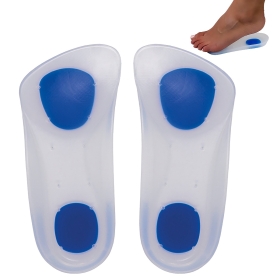
Sold: Sold per Pair
Incl. VAT Exl. VAT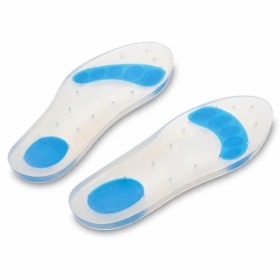
Sold: Sold per Pair
Incl. VAT Exl. VAT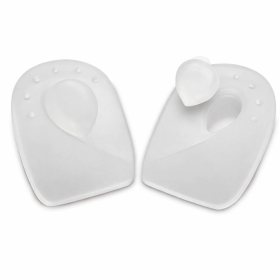
Sold: Pair
Incl. VAT Exl. VAT
Sold: Pair
Incl. VAT Exl. VAT
Sold: each
Incl. VAT Exl. VAT
Sold: pack of 2
Incl. VAT Exl. VAT
Sold: Each
Incl. VAT Exl. VAT
Sold: Each
Incl. VAT Exl. VAT
Sold: Each
Incl. VAT Exl. VAT
Sold: Sold Individually
Incl. VAT Exl. VAT
Sold: Pack of 2
Incl. VAT Exl. VAT
Sold: each
Incl. VAT Exl. VAT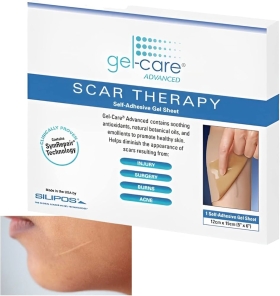
Sold: 1 or 10 Sheets
Incl. VAT Exl. VAT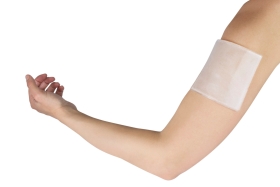
Sold: Pack of 2 squares
Incl. VAT Exl. VAT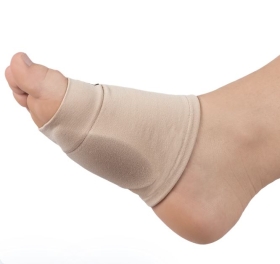
Sold: Each
Incl. VAT Exl. VAT
Sold: Pair
Incl. VAT Exl. VAT
Sold: Each
Incl. VAT Exl. VAT
Sold: Each
Incl. VAT Exl. VAT
Sold: Each
Incl. VAT Exl. VAT
Sold: Each
Incl. VAT Exl. VAT