




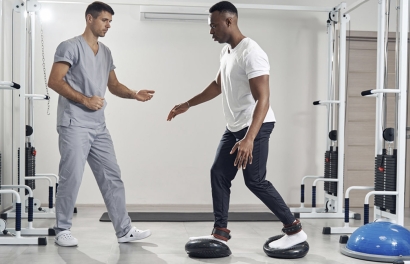
Balance Therapy: What Is It and When Can It Help?
Feeling unsteady on your feet can make even simple everyday activities difficult. Walking on uneven ground, climbing stairs or getting out of a chair can become a challenge when your balance isn't quite right. For some people, dizziness or a fear of falling can also affect their confidence and independence.
Balance therapy is a form of rehabilitation designed to improve stability, coordination and confidence in movement. It uses a combination of targeted exercises and movement techniques to help people feel steadier on their feet and reduce their risk of falling.
It's commonly recommended for people experiencing dizziness, poor balance or difficulties with walking. It can also play an important role in recovery following injury, surgery or certain neurological conditions.
How Does Our Sense of Balance Work?
Maintaining balance is something most of us do without thinking about it. Behind the scenes, however, several systems are constantly working together to keep us upright and moving safely.
Three main systems contribute to our sense of balance:
- The vestibular system: Located in the inner ear, this system detects head movement and helps us maintain our sense of orientation.
- Vision: Our eyes provide information about our surroundings, helping us judge distances, recognise movement and navigate safely.
- Proprioception: Sometimes described as the body's position sense, proprioception allows us to understand where our limbs and joints are without having to look at them.
The brain brings together information from these systems, along with input from our muscles and joints, to make small adjustments that keep us balanced.
When one of these systems isn't working as effectively as it should, maintaining stability can become more difficult. Someone might feel unsteady when walking, struggle to stand on one leg or experience dizziness when changing position.
Balance therapy aims to address these difficulties through exercises suited to the individual's needs and abilities.
When Is Balance Therapy Recommended?
There are many reasons why someone might benefit from balance rehabilitation. Although it's often associated with older adults, balance difficulties can affect people of all ages.
Healthcare professionals may recommend balance therapy for people experiencing:
- Vestibular problems: Inner ear conditions that cause dizziness, vertigo or a feeling of being off-balance.
- Neurological conditions: Conditions such as stroke, Parkinson's disease and multiple sclerosis can affect coordination, walking and postural control.
- Age-related balance changes: Reduced muscle strength, slower reactions and changes in sensory function can increase the risk of falls as we get older.
- Sports injuries: Ankle sprains, knee injuries and other musculoskeletal problems can affect joint stability and proprioception.
- Recovery after surgery: Balance exercises are often included in rehabilitation programmes following hip or knee replacement surgery.
- Persistent dizziness: Some people experience ongoing dizziness or movement sensitivity following illness, concussion or vestibular problems.
For people with inner ear conditions, a more specialised approach called vestibular rehabilitation therapy (VRT) may be recommended. This uses specific exercises to help manage dizziness, improve gaze stability and support balance.
Some conditions, such as benign paroxysmal positional vertigo (BPPV), may require particular treatment techniques rather than a general balance exercise programme.
The most appropriate treatment will depend on the underlying cause, which is why assessment by a qualified healthcare professional is important.
What Happens During Balance Therapy?
Balance therapy usually begins with an assessment of how someone stands, walks and responds to changes in position. A physiotherapist may look at muscle strength, joint movement, coordination and the situations in which balance becomes difficult.
From there, exercises are selected to address the areas that need improving.
A programme might start with something as simple as standing with the feet closer together or gently shifting weight from one leg to the other. As confidence and control improve, the exercises can become more challenging.
Common balance exercises include:
- Standing on one leg, initially with support if needed.
- Controlled weight shifting and stepping exercises.
- Walking forwards, backwards or around obstacles.
- Practising changes of direction and turning.
- Strengthening exercises for the legs, ankles and core.
- Standing on different surfaces to challenge balance and proprioception.
- Head and eye movement exercises where vestibular rehabilitation is appropriate.
The aim isn't simply to make the exercises harder. It's to gradually improve the body's ability to respond to movement and changes in position.
For example, someone recovering from an ankle injury might initially practise standing on the affected leg while holding a stable support. As their strength and control return, they may progress to reaching movements, stepping exercises or carefully supervised work on an unstable surface.
This gradual progression helps rebuild confidence alongside physical ability.
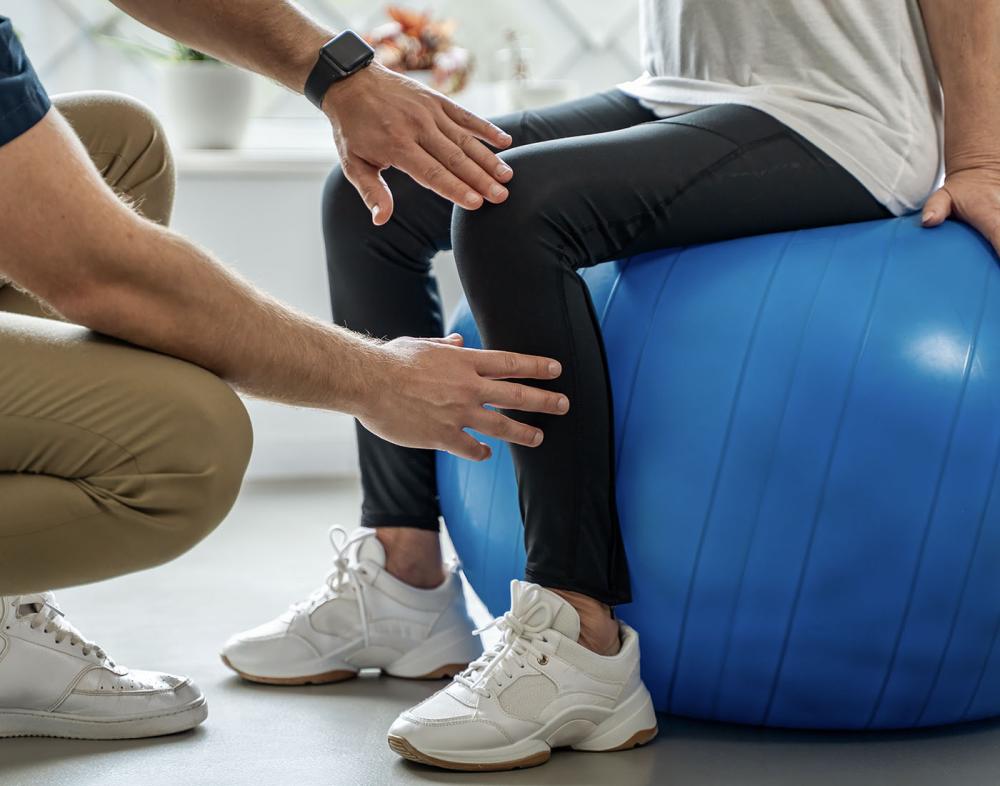
Using Balance Boards, Pads and Exercise Equipment
Balance training doesn't always require specialist equipment. Many useful exercises can be performed using a sturdy chair, a wall for support or simply an open space with a firm, level floor.
However, rehabilitation equipment can provide additional ways to challenge balance as someone progresses through their programme.
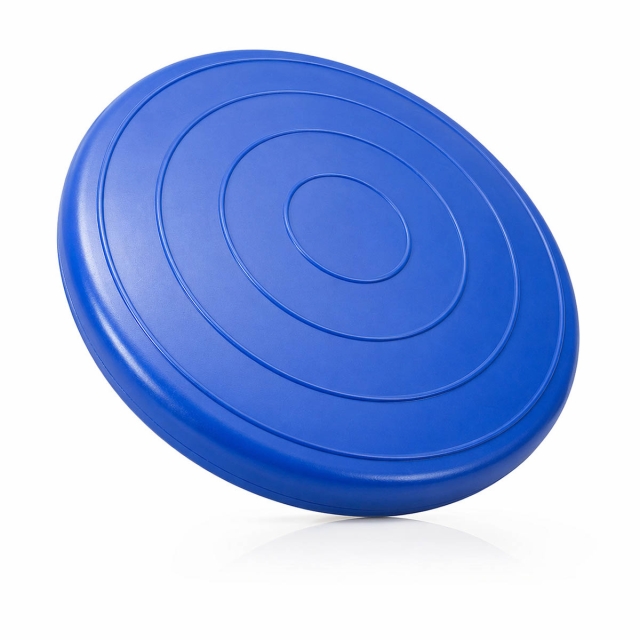
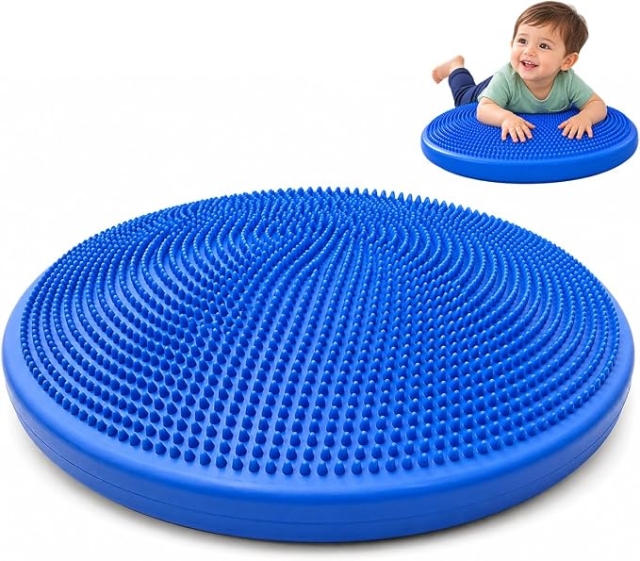
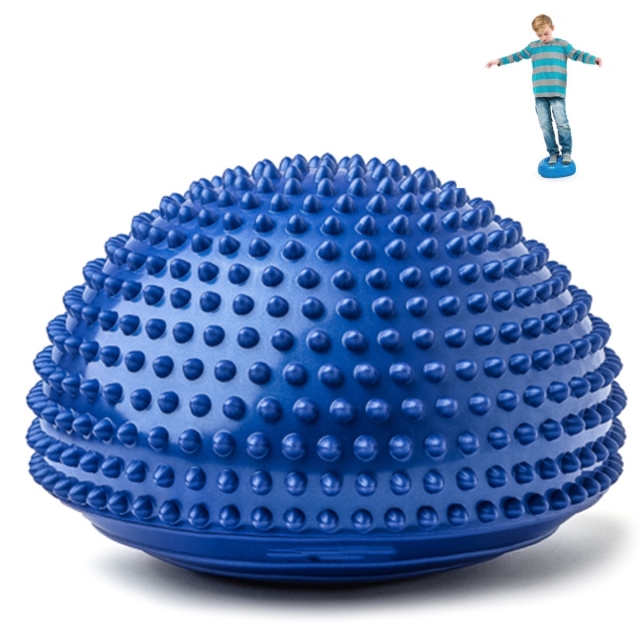
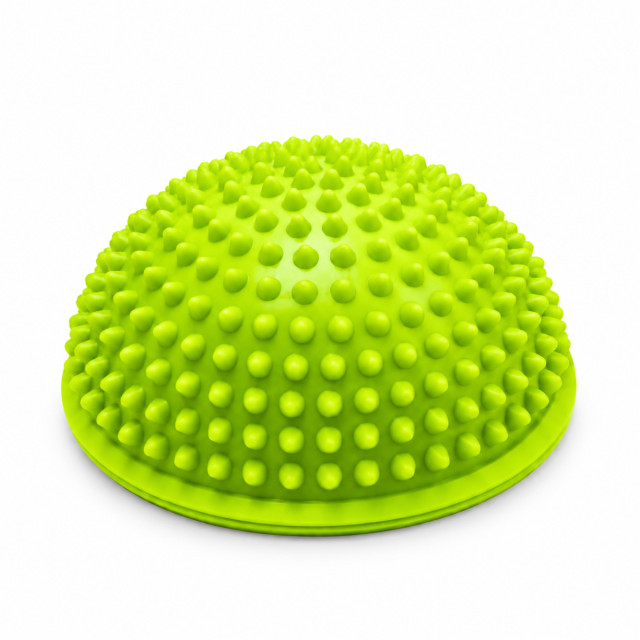
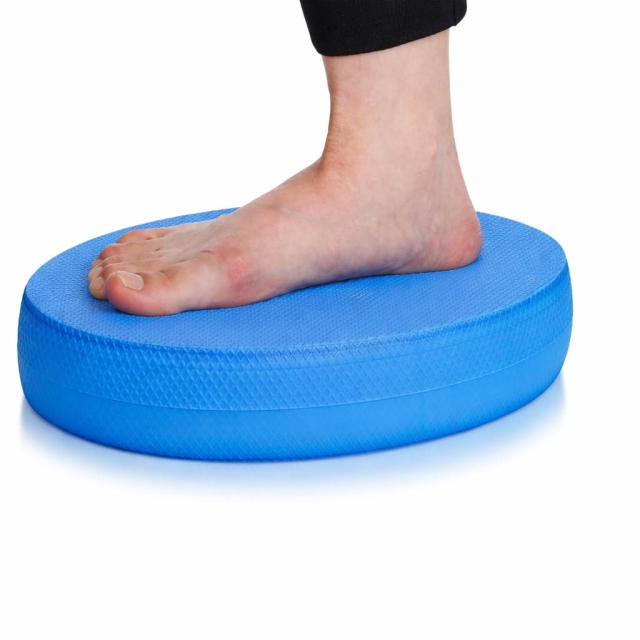
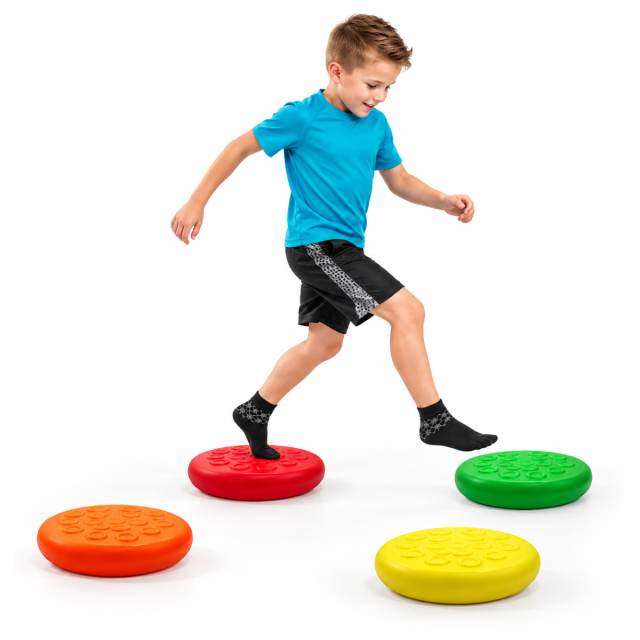
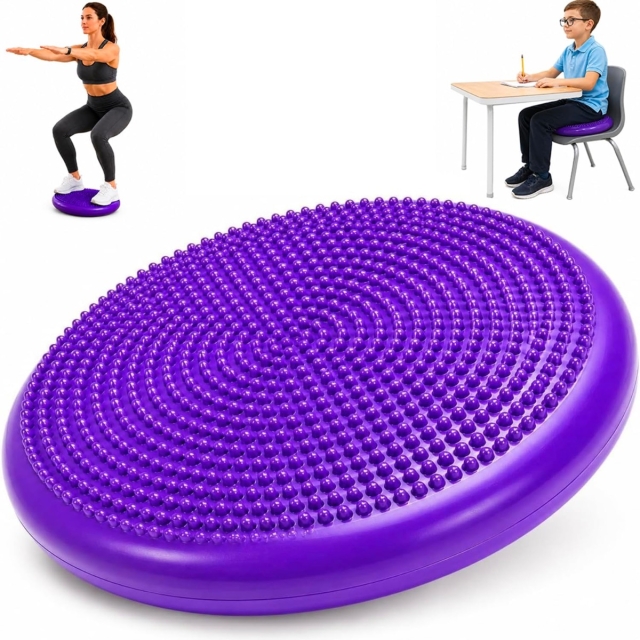
Balance pads and foam surfaces create a less stable surface under the feet. This encourages the body to make small adjustments to maintain an upright position and can help develop postural control.
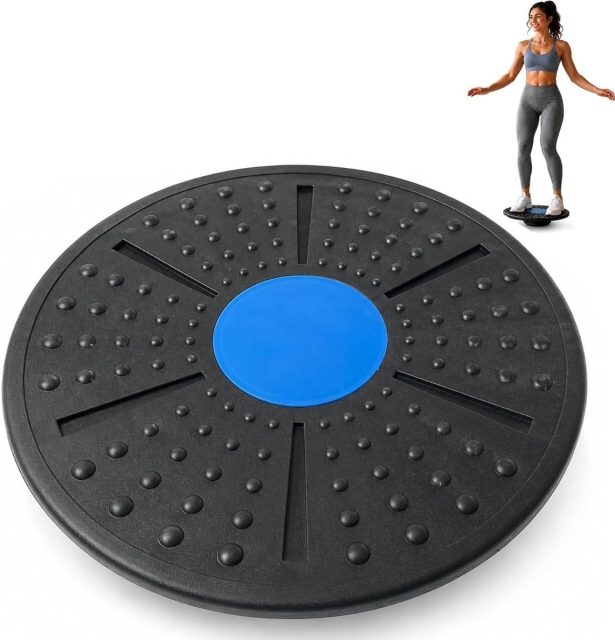
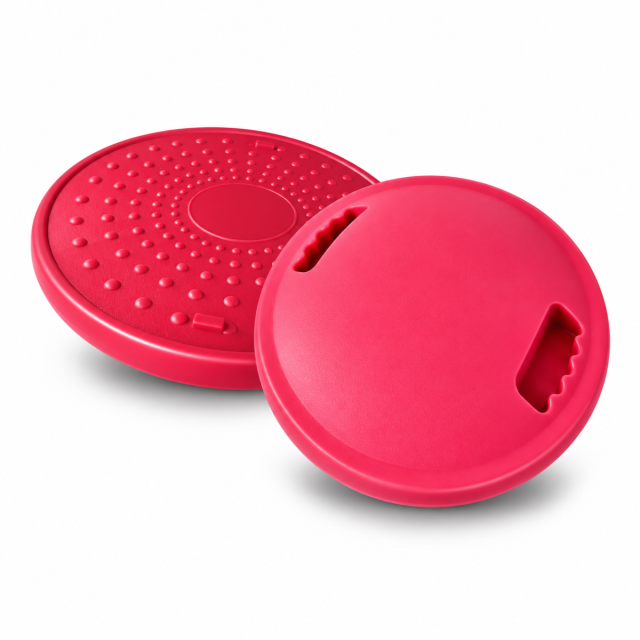
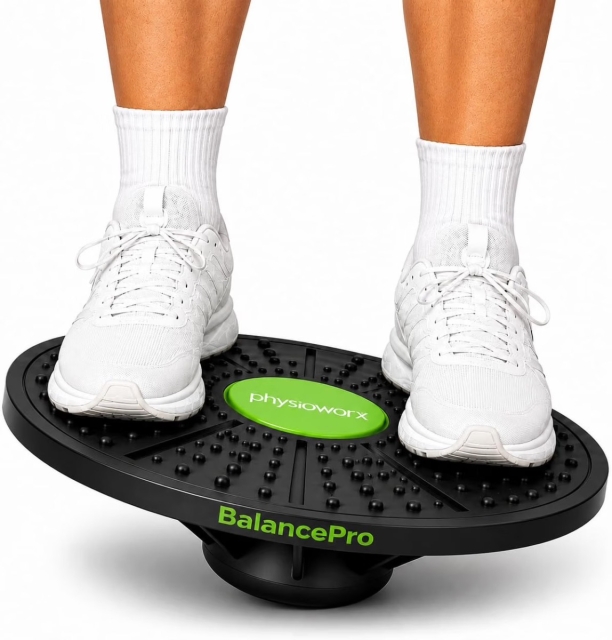
Wobble boards and balance boards introduce movement in different directions. They're commonly used in physiotherapy and sports rehabilitation to develop ankle control, coordination and dynamic stability.
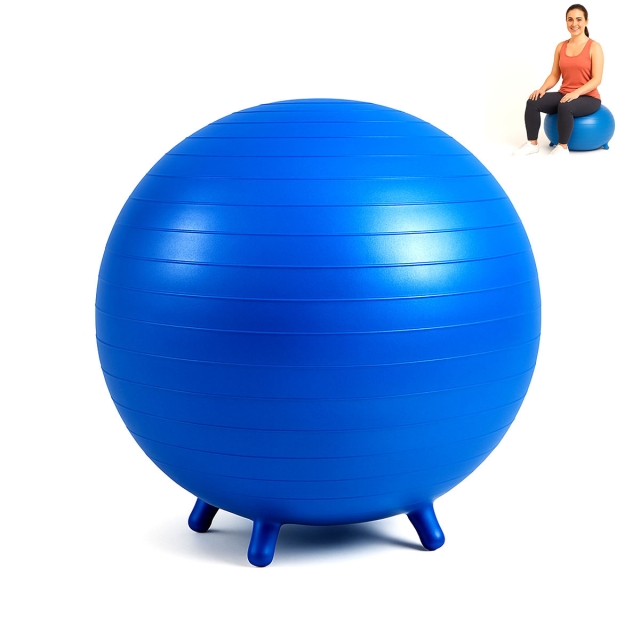
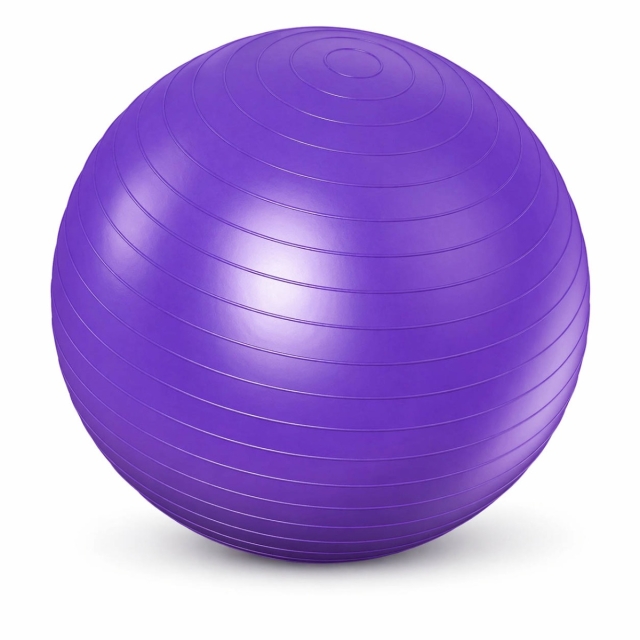
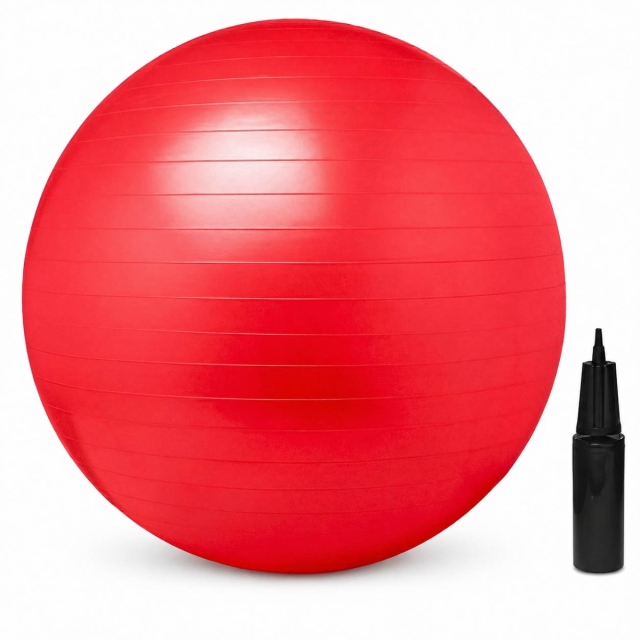
Exercise balls and other rehabilitation aids can also be incorporated into programmes designed to improve trunk control, strength and coordination.
The choice of equipment should reflect the person's ability and stage of rehabilitation. More challenging exercises aren't necessarily more effective, particularly when someone is already struggling with stability.
For anyone at increased risk of falling, exercises involving unstable surfaces should only be introduced when appropriate and with suitable support or professional supervision.
The Importance of Proprioception in Rehabilitation
Proprioception plays an especially important role in lower limb rehabilitation.
Think about walking across an uneven path. Your feet and ankles are constantly making small adjustments to the ground beneath you, often before you're consciously aware of them.
This is proprioception at work.
Following an injury, particularly an ankle sprain, this sense of joint position and movement can be affected. Even when pain and swelling have settled, someone may still feel less confident placing weight through the injured leg.
Proprioceptive exercises help challenge the body's control of movement and are often included alongside strengthening and functional rehabilitation.
This is one reason balance training is frequently used by physiotherapists, sports therapists and other rehabilitation professionals when helping patients return to walking, exercise or sport.
Can Balance Therapy Help Prevent Falls?
For older adults, improving balance can make a meaningful difference to everyday life.
A loss of confidence after a fall can sometimes lead people to avoid walking or becoming more active. Unfortunately, reduced activity can contribute to muscle weakness and poorer balance, making future falls more likely.
A structured exercise programme that combines balance training with strength and functional movement exercises can help reduce fall risk.
Practical improvements might include feeling steadier when getting dressed, managing stairs more confidently or being better able to recover from a small loss of balance.
For people who have already experienced a fall, a broader assessment may also be needed to identify other contributing factors, including medication, vision, footwear and environmental hazards.
Who Provides Balance Therapy?
Physiotherapists are among the healthcare professionals most commonly involved in balance rehabilitation. Depending on the cause of the problem, treatment may also involve occupational therapists, vestibular specialists, audiologists, ENT consultants or neurologists.
Podiatrists may also contribute where foot pain, footwear, lower limb function or walking difficulties are affecting stability.
Many people receive a personalised home exercise programme alongside their appointments. Regular practice is often an important part of rehabilitation, helping to build on the progress made during supervised sessions.
When Should You Seek Professional Advice?
Occasional unsteadiness can happen for many reasons, but persistent balance problems shouldn't simply be dismissed as a normal part of getting older.
If you're regularly feeling dizzy, struggling to walk steadily, experiencing unexplained falls or avoiding activities because you're worried about losing your balance, it's worth speaking to a healthcare professional.
A proper assessment can help identify what's causing the problem and whether balance rehabilitation would be suitable.
Sudden dizziness accompanied by symptoms such as facial weakness, difficulty speaking, new limb weakness or a severe headache requires urgent medical attention.
Building Better Balance and Confidence
Good balance is essential for everyday movement, whether that's walking to the shops, returning to sport or simply moving confidently around the home.
Balance therapy provides a structured way to improve stability, coordination and movement control. With the right exercises, appropriate progression and professional guidance where needed, many people can make meaningful improvements in how confidently and safely they move.
From straightforward standing exercises to more challenging activities using balance boards and rehabilitation equipment, the focus remains the same: helping people move with greater control and confidence.
At Algeos, we offer a range of balance and exercise equipment suitable for use in physiotherapy, rehabilitation and appropriate home exercise programmes.
Shop Balance Therapy Aids | Shop Exercise Balls
About the author
Marc Cameron, Algeos. Marc writes accessible guidance about physio equipment, movement and practical product use for clinicians and informed consumers. Clinical decisions should always be based on individual assessment and current professional guidance.
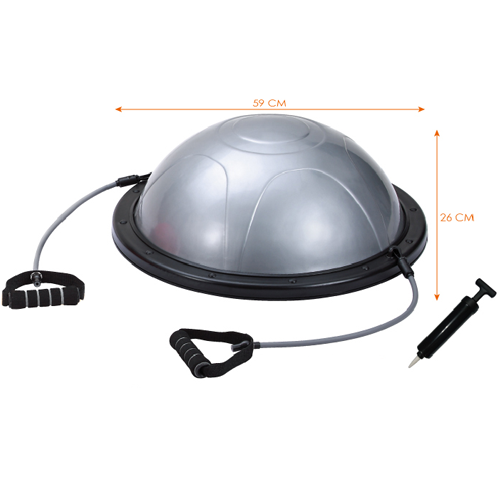
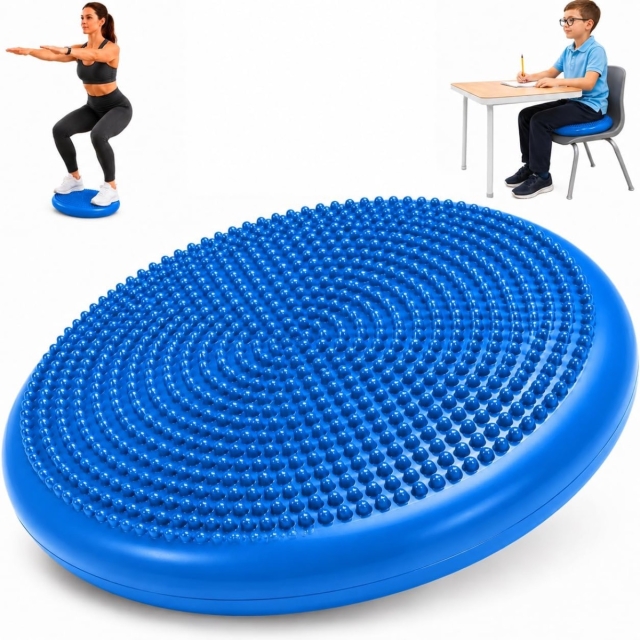



Sold: Each
Incl. VAT Exl. VAT