




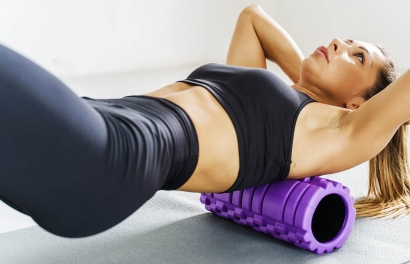
How They Fit into Physiotherapy, Rehab and Self Management
A practical, evidence-informed guide for physiotherapy, rehabilitation and MSK teams, plus informed patients who want to use foam rollers safely and with purpose.
Article Revised and Updated April 2026
Foam rollers are now common in gyms, clinics, rehabilitation spaces and homes across the UK. In physiotherapy and musculoskeletal care, they can be a simple, low-cost way to support mobility, exercise preparation and self management between appointments.
The reality is more balanced than the internet hype. Foam rollers may help some people feel less stiff, move more comfortably and engage better with their exercise programme, but they are not a cure-all. They work best when used as an adjunct to education, progressive strengthening, stretching, balance work and task-specific rehabilitation.
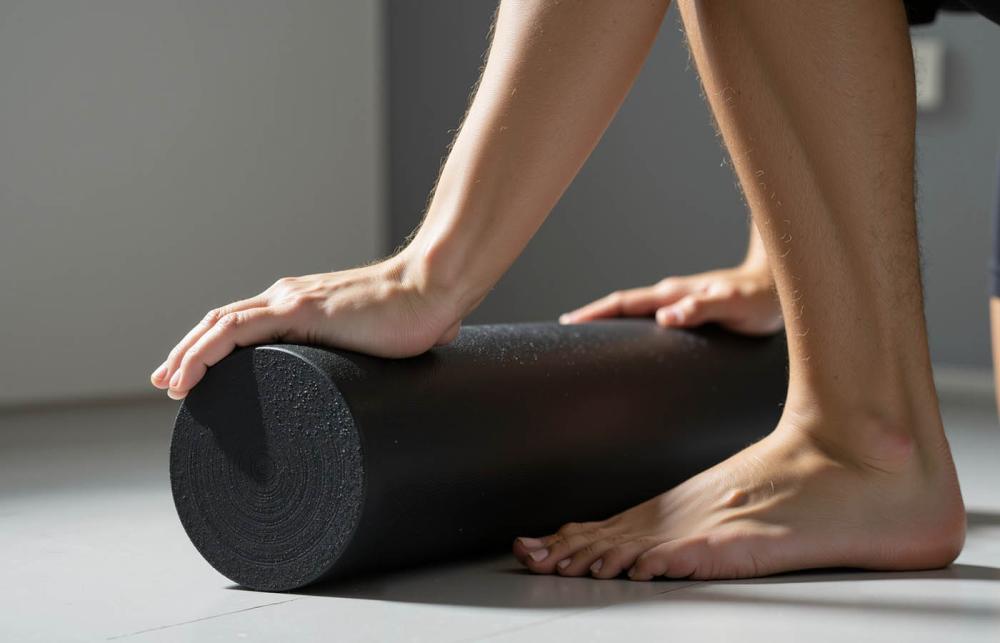
Looking for foam rollers for physiotherapy, rehabilitation or home exercise? Algeos supplies Physioworx foam rollers for clinic, gym, group exercise, rehabilitation and patient self management programmes.
Important note: This article discusses how foam rollers may be used within physiotherapy, rehabilitation and supported self management. It does not imply endorsement by the NHS, NHS England or any NHS Trust. Clinical use should always follow local service guidance, patient assessment and professional judgement.
What is a foam roller?
Foam roller: a cylindrical device made from foam, or foam over a solid core, used for self myofascial release, mobility exercises and rehabilitation support. The user applies controlled bodyweight pressure while rolling targeted muscles or soft tissue areas.
In physiotherapy settings, foam rollers may be used as part of a wider programme that includes exercise therapy, stretching, strengthening, education and supported self management. They are most useful when they help a person move better, feel more confident and continue with their prescribed rehabilitation plan.
Foam roller options for clinic and home use
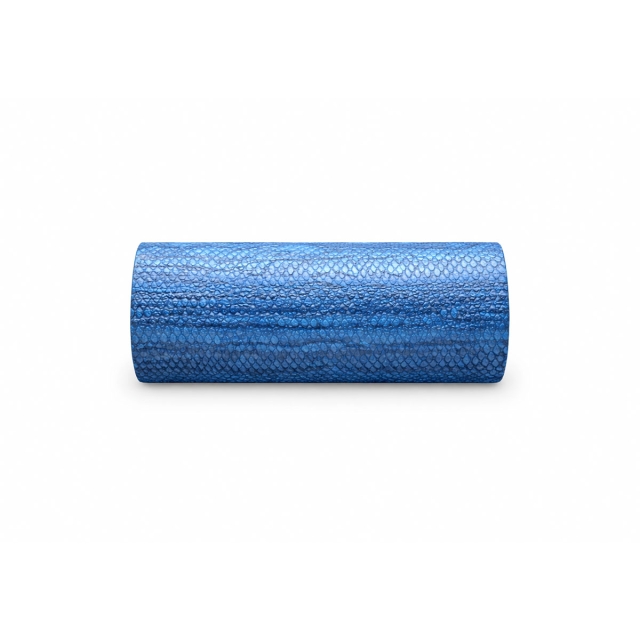
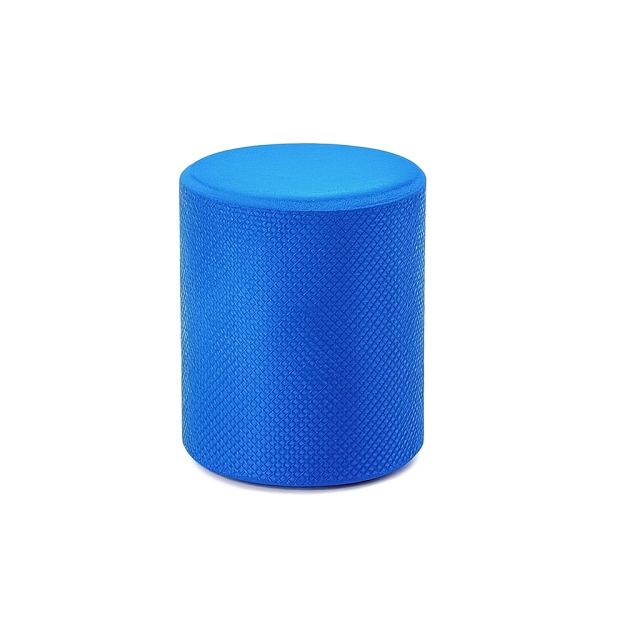
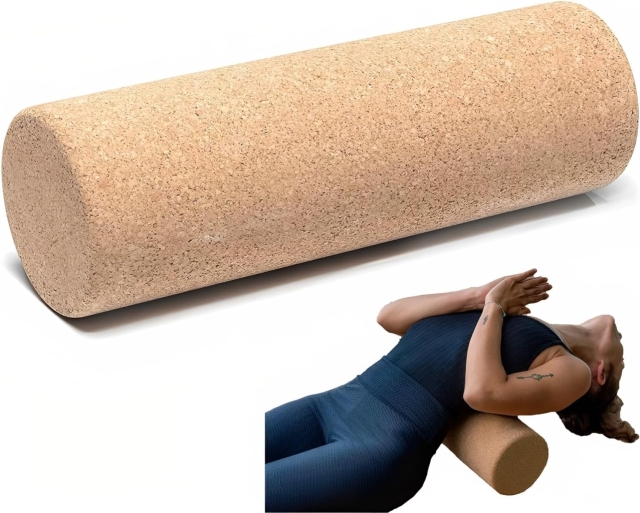
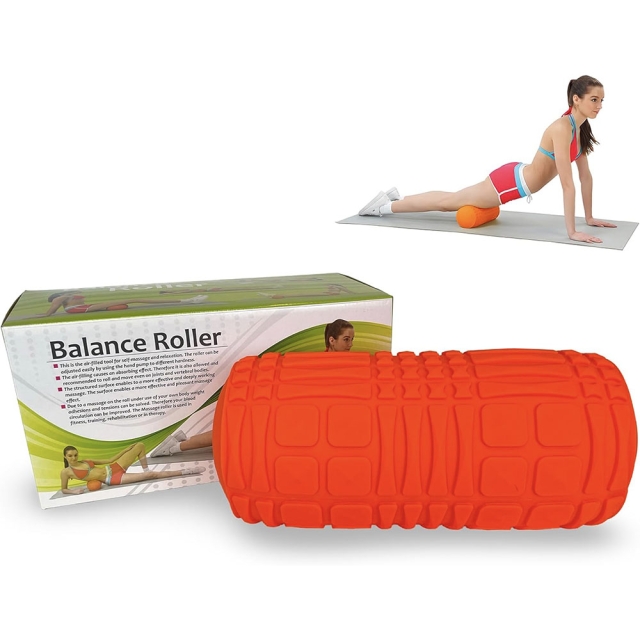
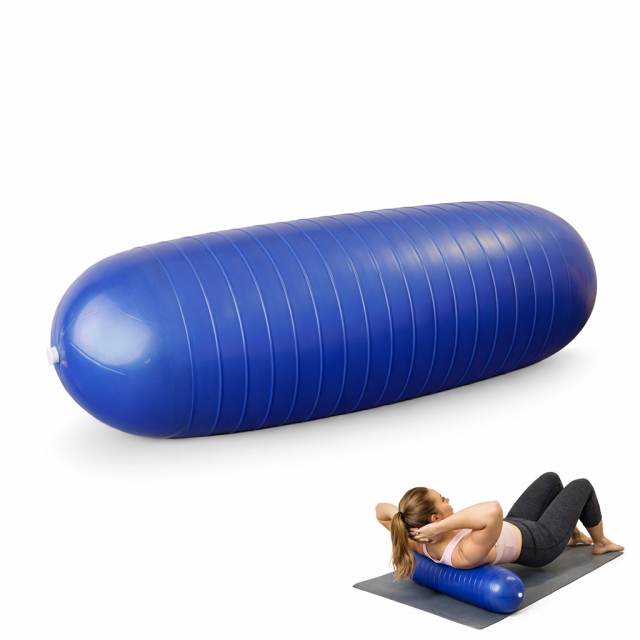
Different foam roller sizes and materials suit different users. Long rollers are useful for full-body exercise and Pilates-style work, while shorter rollers are easier to store and better for targeted areas such as calves, quadriceps and gluteals.
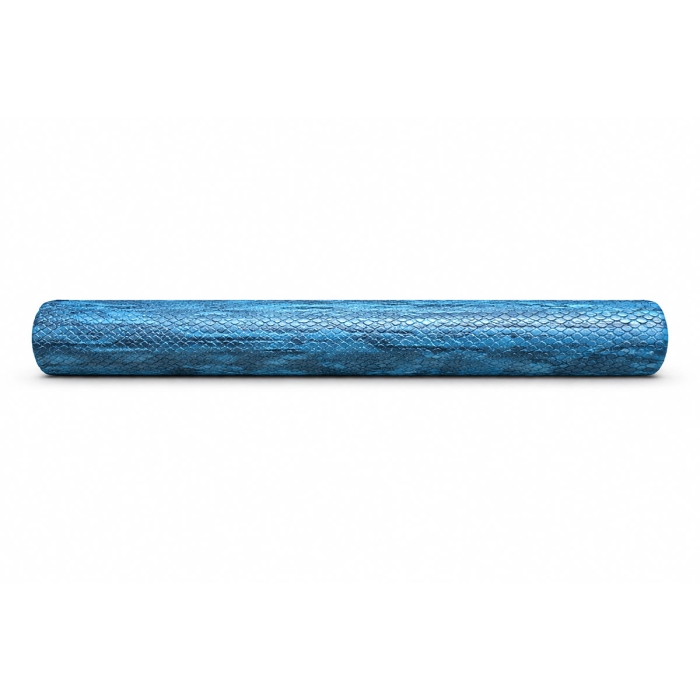
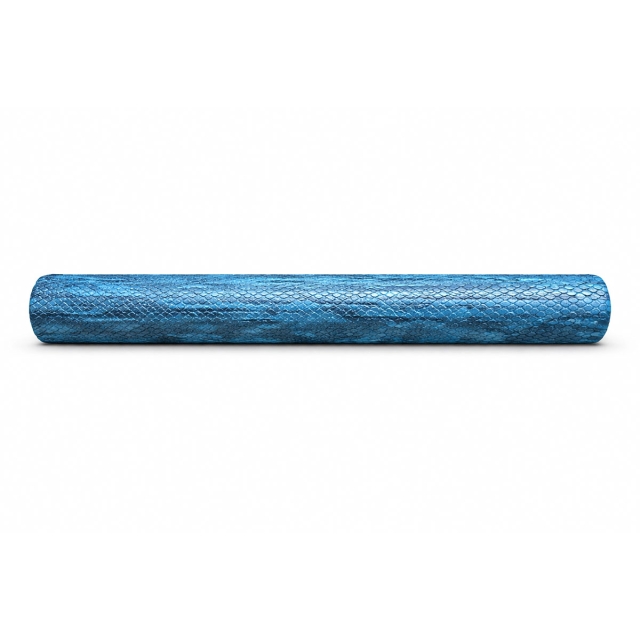
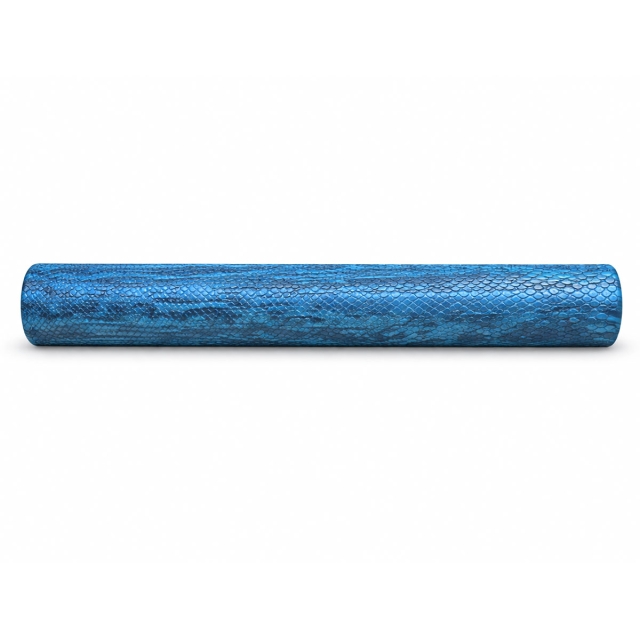
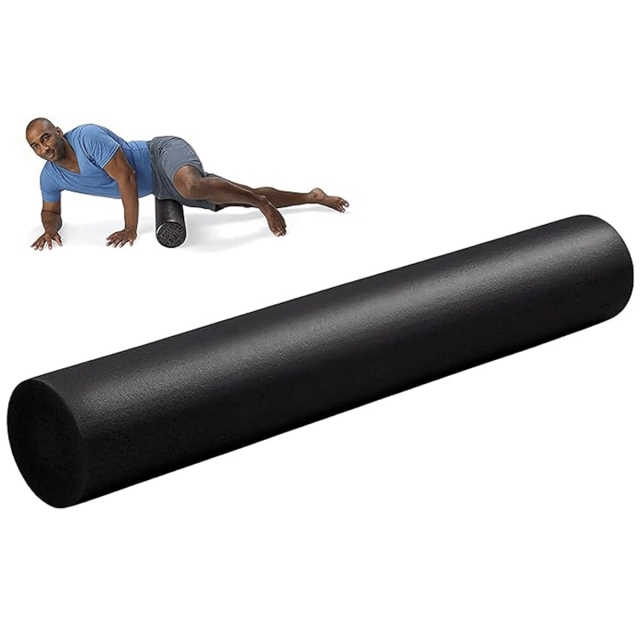
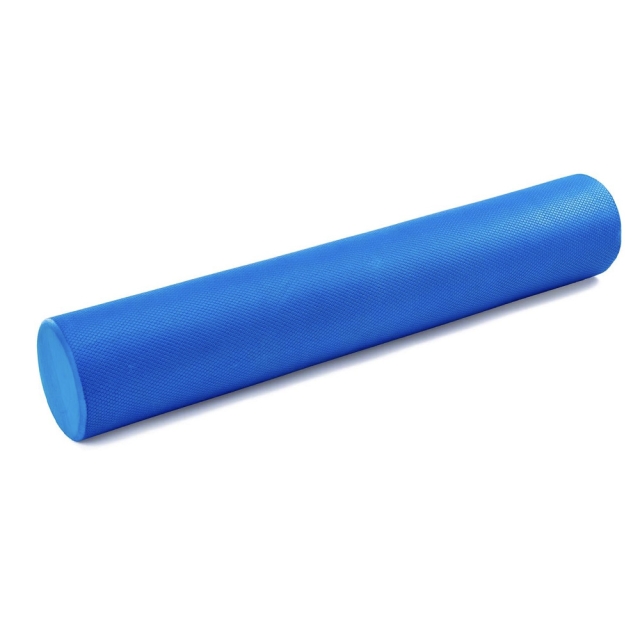
Long EVA roller
Useful for full-body mobility, Pilates-style exercise, posture work and broader support.
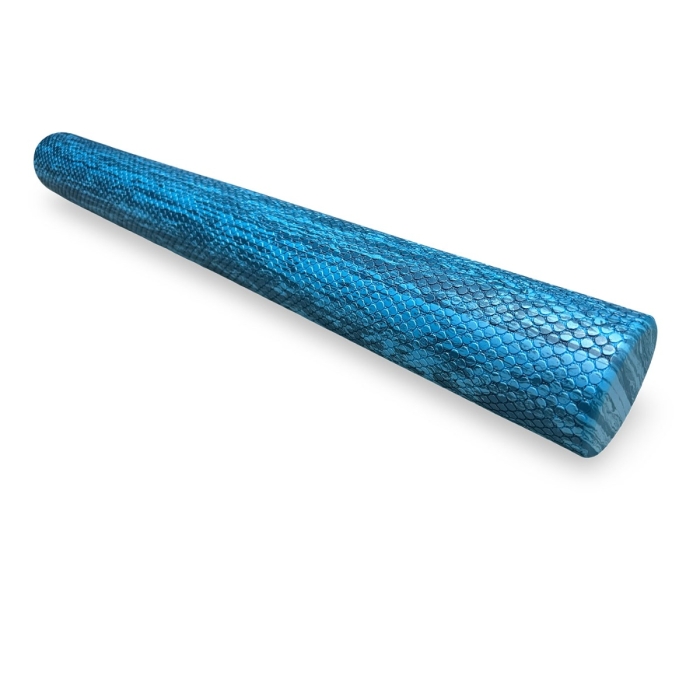
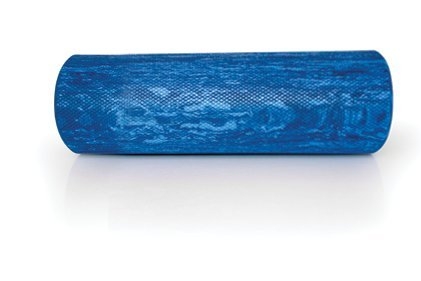
10cm x 90cm roller
A longer format option for stretching, spinal alignment work and bilateral exercises.
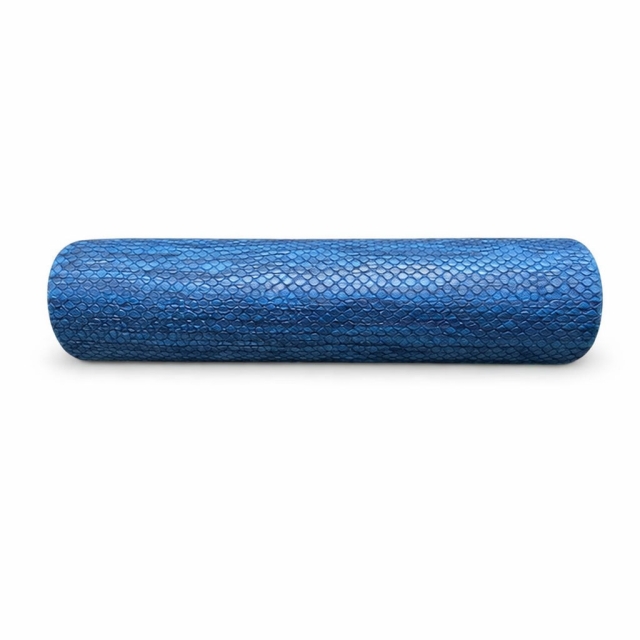
15cm x 45cm roller
Compact enough for storage but large enough for general muscle recovery and rehab work.
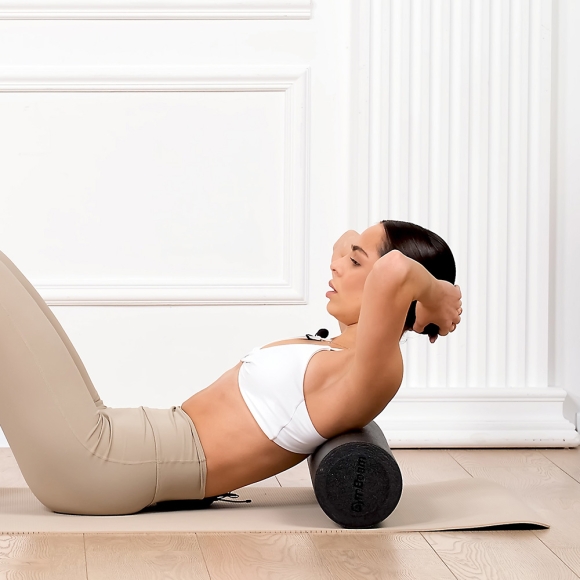
Exercise use
Foam rollers can support mobility routines, warm-ups and controlled exercise sessions.
Why foam rollers are relevant to NHS physiotherapy and MSK care
Community MSK services are under pressure, with many patients needing practical ways to stay active and engaged between appointments. NHS England has highlighted the importance of improving community musculoskeletal pathways, reducing waits and supporting people to manage their condition effectively at home. NHS England MSK improvement framework
Foam rollers sit within this self management landscape. They are inexpensive, easy to demonstrate and suitable for many home exercise programmes when patients are taught how to use them safely. For clinicians, they can provide a simple way to help patients prepare for movement, reduce perceived stiffness and reinforce an active approach to recovery.
Plain English summary: foam rolling is not a replacement for physiotherapy assessment or progressive rehab. Its value is usually practical: helping people move more comfortably so they can do the exercises that matter.
How foam rolling may work
1. It may influence pain and sensitivity
Foam rolling applies pressure and movement to the skin, fascia and muscles. This can stimulate sensory receptors and may temporarily alter how the nervous system interprets discomfort. Research reviews report small reductions in perceived soreness after exercise, although the size of effect varies between people. Wiewelhove et al., Frontiers in Physiology, 2019
2. It may improve short-term range of motion
Brief foam rolling sessions can improve joint range of motion without the same temporary strength reduction sometimes associated with long-duration static stretching. The effect is usually modest and may be short-lived, so it is best followed by movement practice, stretching or strengthening. Behm et al., Sports Medicine, 2022
3. It may change local tissue stiffness and circulation
Compression and shear forces may influence local tissue stiffness, fluid movement and perceived tightness. Studies on ankle dorsiflexion, for example, suggest immediate range-of-motion improvements, though these may fade unless followed by relevant exercise. Nakamura et al., Physiotherapy, 2022
What does the evidence say?
The research on foam rolling is useful but not perfect. Studies vary by roller type, pressure, duration, body area, participant group and outcome measure. That means foam rolling should be presented honestly: potentially useful, low risk for many people, but not a miracle intervention.
- Pain: a 2024 systematic review found limited but emerging evidence that adding foam rolling to exercise may reduce pain intensity in some musculoskeletal conditions. However, the studies were varied, so certainty remains limited. BMC Musculoskeletal Disorders, 2024
- Recovery and soreness: foam rolling may reduce perceived muscle soreness after exercise, with little to no negative effect on performance. Frontiers in Physiology, 2019
- Flexibility and range of motion: repeated foam rolling may create small flexibility improvements, especially when combined with stretching and strengthening. Sports Medicine, 2022
- Exercise-related soreness: NHS Inform describes delayed onset muscle soreness as common and usually temporary after unfamiliar or intense exercise. Foam rolling may sit alongside gentle movement and self care for some people. NHS Inform
Examples of foam roller use in NHS patient exercise resources
Foam rollers appear in a range of NHS and NHS-linked physiotherapy resources, particularly around lower limb stretching, knee pain, hip exercises and general rehabilitation. This supports their role as a practical adjunct within movement and self management programmes rather than as a stand-alone treatment.
For Algeos, this creates a useful SEO opportunity: the phrase NHS foam rollers should be handled as an informational and clinical search term, not as a claim of NHS endorsement. The safest approach is to explain how foam rollers are used within physiotherapy-style programmes, then guide users towards appropriate product options.
Step-by-step: integrating foam rollers into physiotherapy and rehabilitation
The following framework can be used in community MSK, outpatient physiotherapy, first contact physiotherapy, group rehabilitation and home exercise programmes. Advice should always be adapted to the person, condition and clinical goal.
1. Select the right patients
Foam rolling may be suitable for people with activity-related stiffness, reduced flexibility, post-exercise soreness or movement hesitation caused by perceived tightness. It may also help patients engage with warm-ups, mobility routines or rehabilitation exercises.
Avoid foam rolling over recent fractures, open wounds, acute inflammation, suspected deep vein thrombosis, severe osteoporosis, active infection, significant bruising or directly over a recent surgical site.
2. Set realistic expectations
Patients should understand that foam rolling may help comfort and movement in the short term, but it does not replace progressive loading, strengthening, balance work or condition-specific education. The best question is not “does foam rolling fix this?” but “does it help this person do their rehab more effectively?”
3. Teach safe technique
- Start with large muscle groups such as calves, quadriceps, hamstrings, gluteals and lats.
- Use slow, controlled movement rather than fast rolling.
- Work each area for 30 to 90 seconds initially.
- Aim for tolerable pressure, around 3 to 5 out of 10.
- Avoid sharp pain, numbness, tingling or symptoms that worsen afterwards.
- Do not roll directly over joints, bony prominences or the spine.
4. Retest movement immediately
Foam rolling should have a purpose. Ask the patient to test a relevant movement before and after rolling, such as a squat, calf raise, step-down, shoulder reach or walking comfort. If there is no useful change, the roller may not be needed for that goal.
5. Follow rolling with the movement you want to improve
Any short-term mobility gain is more useful when followed by task-specific activity. For example, calf rolling may be followed by calf raises or walking drills. Quadriceps rolling may be followed by sit-to-stand practice, squats or step work.
6. Prescribe a simple dose
A practical starting point is 30 to 90 seconds per muscle group, one to two sets, up to around 5 to 10 minutes per session. Frequency can be three to five days per week depending on the goal, tolerance and wider rehabilitation plan.
7. Monitor response
Track pain, soreness, function, range of motion and adherence. If foam rolling does not produce a meaningful benefit after four to six weeks, de-emphasise it and focus on interventions with clearer value for that patient.
Which foam roller should physiotherapy teams choose?
The best foam roller is the one that suits the patient, the setting and the exercise goal. In clinics and group rehabilitation environments, durability, size, comfort, storage and cleanability all matter. For home users, tolerance and ease of use are often the deciding factors.
Longer foam rollers are useful for spinal alignment, full-body mobility and Pilates-style work. Shorter rollers can be better for targeted muscle groups, smaller treatment spaces and patients who want something easy to store at home.
| Clinical or exercise need | Suggested roller type | Why it may help |
|---|---|---|
| General mobility and exercise classes | Medium-density 90 cm foam roller | Useful for stretching, Pilates-style exercise, balance work and larger muscle groups. |
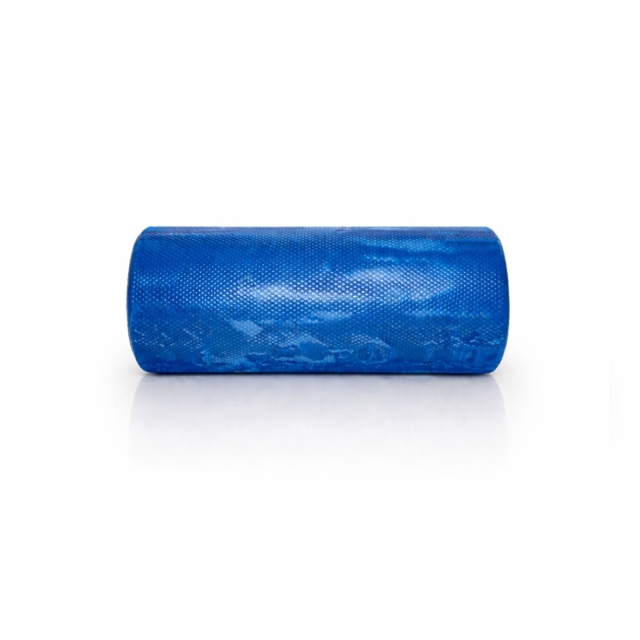
| Targeted lower limb work | 30 cm to 45 cm compact roller | Easier to position for calves, quadriceps, hamstrings and gluteal work. Also easier to store at home. |
| High-use clinic, gym or rehabilitation spaces | EPP foam roller | More robust for repeated use where durability is important. |
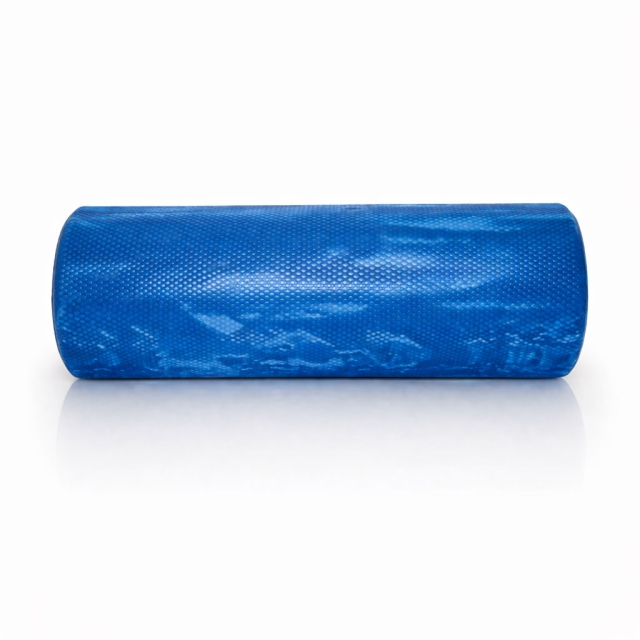
| Beginners or sensitive patients | Softer EVA foam roller | Lower pressure can improve comfort and early adherence. |
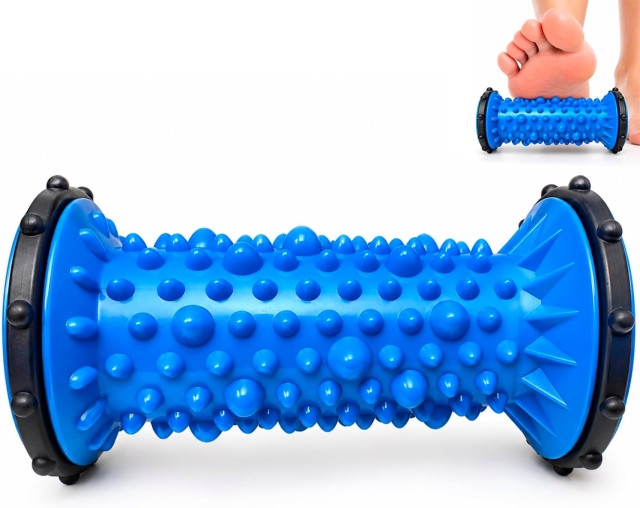
| Experienced users wanting firmer pressure | Firm or textured roller | May provide stronger sensory input, but should still remain tolerable and controlled. |
Browse Physioworx foam rollers for physiotherapy and rehabilitation
Foam rolling vs stretching before activity
| Aspect | Foam rolling | Stretching |
|---|---|---|
| Acute range-of-motion gain | May create small to moderate short-term improvements without obvious strength loss in many studies. | May create small to moderate improvements depending on stretch type, duration and body area. |
| Performance impact | Usually trivial to small effect on strength and power. | Long-duration static stretching may temporarily reduce strength or power. Dynamic stretching is usually neutral or positive. |
| Best use | When perceived stiffness limits the planned activity or when used as part of movement preparation. | When specific range is needed and the stretch method suits the task. |
| Clinical value | Useful as a practical self management tool when followed by relevant exercise. | Useful for flexibility, comfort and movement preparation when prescribed appropriately. |
Sources include Wiewelhove et al. 2019 and Konrad et al. 2021. Frontiers 2019 | Frontiers 2021
How foam rollers support MSK service aims
| Service aim | Foam roller contribution | Clinical note |
|---|---|---|
| Supported self management | Provides a simple tool patients can use between appointments. | Works best when paired with education, graded activity and clear exercise goals. |
| Patient engagement | Gives patients something active and practical to do at home. | May improve confidence and ownership when patients can feel an immediate change. |
| Cost-effective care | Low equipment cost and quick to demonstrate in clinic or class settings. | Use should still be reviewed against outcome measures and patient progress. |
| Exercise preparation | May reduce perceived stiffness before strengthening, balance or mobility work. | Most useful when followed by the specific movement being trained. |
Practical clinic notes
- Start simple: a medium-density roller is suitable for many general users and is often easier to tolerate than very firm or heavily textured options.
- Teach pressure control: patients often press too hard at first. Mild to moderate discomfort is acceptable; sharp pain is not.
- Use habit cues: link rolling to an existing routine, such as before a home exercise session or after a short walk.
- Pair with exercise: foam rolling should lead into the movement goal, such as calf strength, squat depth, step confidence or shoulder mobility.
- Keep advice consistent: include clear written instructions or QR-linked guidance so patients repeat the technique correctly at home.
- Review regularly: if the patient is not improving, do not keep adding more rolling. Reassess the main limiting factor.
Safety considerations
Foam rolling is generally low risk when used sensibly, but it is not suitable for every person or every condition. Clinicians should screen for contraindications and adapt advice to the patient’s medical history, tissue sensitivity and rehabilitation stage.
Avoid foam rolling directly over: recent fractures, open wounds, acute injuries, severe bruising, suspected DVT, areas of infection, active inflammatory flare-ups, unstable joints, numb areas, bony prominences, recent surgical sites or any area where symptoms worsen during or after use.
Patients should stop if they experience sharp pain, spreading symptoms, numbness, pins and needles, dizziness or marked symptom aggravation. New, unexplained or worsening pain should be assessed by an appropriate healthcare professional.
FAQ: NHS foam rollers, physiotherapy and rehab use
- Do NHS physiotherapists use foam rollers?
- Foam rollers are used in some physiotherapy and rehabilitation settings as part of exercise therapy, mobility work and supported self management. Use varies by service, patient need, local guidance and clinician preference.
- Are foam rollers supplied through the NHS?
- Provision varies locally. Some services may use foam rollers in clinics, rehabilitation gyms or group exercise classes, while many patients purchase their own roller for home exercise after receiving advice from a physiotherapist or healthcare professional.
- Is foam rolling effective for chronic musculoskeletal pain?
- Evidence is mixed. A 2024 systematic review found limited but emerging evidence that foam rolling may help reduce pain intensity in some musculoskeletal conditions when added to exercise. It should be positioned as an adjunct, not a stand-alone treatment. BMC Musculoskeletal Disorders, 2024
- How long should a foam rolling session last?
- A common starting point is 30 to 90 seconds per muscle group, one to two sets, up to around 5 to 10 minutes per session. The exact dose should depend on the person’s tolerance, condition and rehabilitation goal.
- Should foam rolling be done before or after exercise?
- Either can be reasonable. Before exercise, foam rolling may help reduce perceived stiffness and prepare for movement. After exercise, it may help with comfort and perceived recovery. It is usually most useful when linked to a clear exercise goal.
- What size foam roller is best for physiotherapy exercises?
- A 90 cm roller is useful for whole-body exercise, balance work and Pilates-style movements. Shorter 30 cm to 45 cm rollers are easier to store and may be more practical for targeted calf, quadriceps, hamstring and gluteal rolling.
- Is a vibration foam roller better?
- Vibration foam rollers may offer slightly greater short-term benefits in some studies, but the evidence is still developing and mixed. For most clinic and home rehabilitation use, a standard foam roller is usually sufficient.
- Can patients buy the same type of foam roller used in physiotherapy?
- Yes. Patients can use clinic-style foam rollers at home when they have been shown how to use them safely. The best option depends on sensitivity, body area, exercise goal, storage space and how confident the person feels using it.
Summary: where foam rollers fit
Foam rollers can be useful within physiotherapy, rehabilitation and self management programmes when they are used with a clear purpose. They may help short-term mobility, perceived stiffness and post-exercise soreness, especially when followed by relevant movement or strengthening exercises.
For NHS-style MSK pathways, their main value is practical: they are affordable, easy to teach and can help patients take an active role between appointments. The best results come when foam rolling is part of a wider, evidence-informed programme rather than a treatment in isolation.
References and research sources
- Santos IS et al. Effects of foam roller on pain intensity in individuals with chronic and acute musculoskeletal pain: a systematic review of randomised trials. BMC Musculoskeletal Disorders, 2024. Article.
- Wiewelhove T et al. A meta-analysis of the effects of foam rolling on performance and recovery. Frontiers in Physiology, 2019. Article.
- Behm DG et al. Foam rolling training effects on range of motion: a systematic review and meta-analysis. Sports Medicine, 2022. Article.
- Nakamura M et al. The effects of foam rolling on ankle dorsiflexion range of motion in healthy adults. Physiotherapy, 2022. Article.
- Konrad A et al. A comparison of the effects of foam rolling and stretching on range of motion and performance: a meta-analysis. Frontiers in Physiology, 2021. Article.
- Chartered Society of Physiotherapy. Managing your pain at home. Webpage.
- NHS England. An improvement framework to reduce community musculoskeletal waits while delivering best outcomes and experience. Webpage.
- NHS Inform. Pain and injuries after exercise. Webpage.
- Chartered Society of Physiotherapy. Musculoskeletal physiotherapy service standards. Overview.
- Hendricks S et al. Effects of foam rolling on performance and recovery: a systematic review to guide practitioners. Journal of Bodywork and Movement Therapies, 2020. Abstract.
- Pereira LA et al. Effects of self-myofascial release on athletes’ performance and recovery: systematic review. Sports, 2024. Article.
- Goh SL et al. Vibration foam rolling on pain, fatigue and range of motion: systematic review. Healthcare, 2025. Article.
Sold: Each
Incl. VAT Exl. VAT