Algeos expands pressure-care portfolio through new Caversham partnership
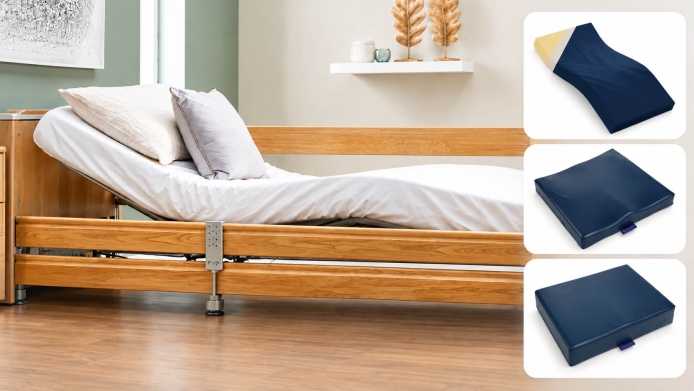
Algeos has expanded its pressure-care portfolio through a new distribution partnership with Caversham®, making four specialist Class I medical devices available to healthcare professionals and care providers across the UK.
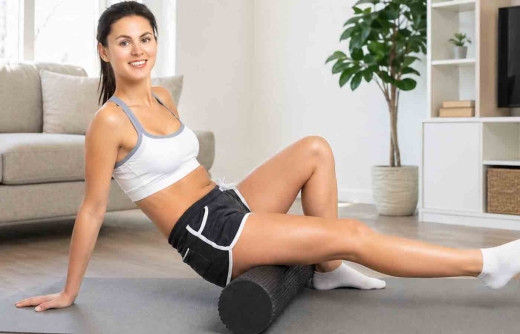
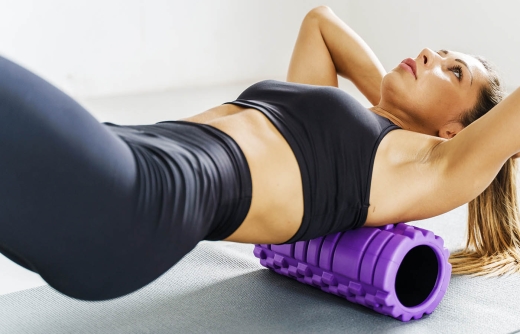
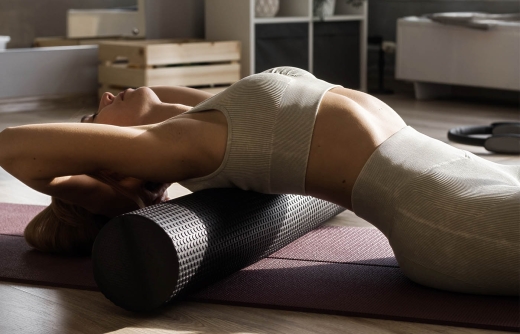
The best foam roller for back pain depends on where you feel discomfort, how much pressure you tolerate and whether you need a roller for general mobility, Pilates, rehabilitation exercises or targeted muscle release.
This guide explains the main foam roller types, how to choose the right size and firmness and how to use one safely around the back.
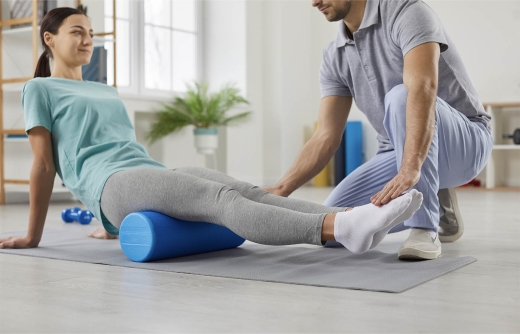
Foam rollers have moved from physio clinics and elite gyms into living rooms, kit bags and workplace wellness corners. Whether you’re a clinician guiding patient rehab, a runner chasing a PB, or someone battling desk-shoulder, the right roller can help reduce muscle tension, improve range of motion and speed up recovery.
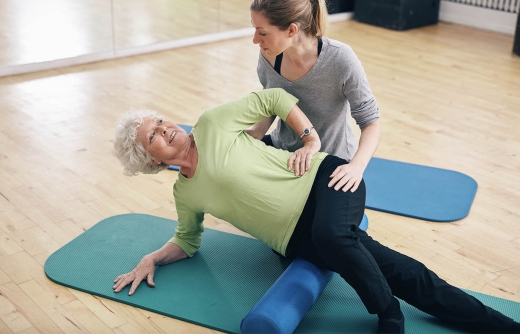
A practical, evidence-informed clinical guide for NHS physiotherapy and rehabilitation teams, and for informed patients who want to use foam rollers safely with purpose.
Physioworx foam rollers are designed to support muscle recovery, improve flexibility and help users get more from their training, rehabilitation and mobility routines.
This guide focuses on tools that are genuinely useful day-to-day: building strength at home, improving balance and stability, easing muscle tightness, supporting sensory seating, and making basic health monitoring easier.
The foam roller has surged in popularity as a go-to for improving flexibility and mobility. While it is not a magic wand when used thoughtfully it can become a valuable tool in your movement or rehabilitation toolkit.
Use the follow-along routines below to put foam rolling into practice. Each routine includes a concise outline - a clear purpose - and a simple tip to help you get the most from your session.