




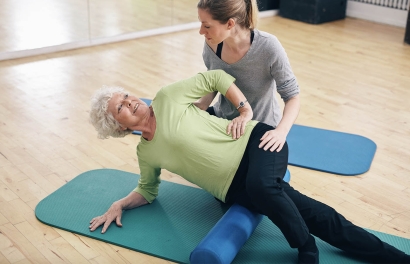
The foam roller has surged in popularity as a go-to for improving flexibility and mobility. While it is not a magic wand when used thoughtfully it can become a valuable tool in your movement or rehabilitation toolkit.
Definition box
Foam Rolling (Self-Myofascial Release via Foam Roller)
A self-applied technique in which a cylindrical foam roller is used to apply pressure to muscles and surrounding connective tissues (fascia) by rolling body parts over the device. Intended to reduce tissue tightness, improve range of motion (ROM), promote circulation and aid recovery.
How It Works / Why It Matters
Mechanisms
- Using a foam roller exerts pressure on muscle-and-fascial tissues which is thought to stimulate mechanoreceptors and alter neuromuscular responses (for example via Golgi tendon organ feedback) thereby reducing perceived tension and possibly increasing stretch tolerance.
- Rolling may also increase local blood flow warm up tissue boost tissue temperature and pliability and help prepare a joint and muscle for movement.
- The effect on actual structural change of fascia or removal of “adhesions” is less well supported. Changes are likely neurological or sensory.
Why it matters for flexibility and mobility
- Flexibility: The ability of a muscle or muscle-group to lengthen passively through a range of motion.
- Mobility: A broader term involving joint movement capability under control. Improving flexibility can contribute to better mobility but mobility also depends on strength, control, and joint integrity.
- For individuals recovering from injuries those with chronic tightness (for example desk workers) or athletes preparing for or recovering from activity improving these attributes can reduce compensatory movements lower injury risk improve performance and support better day-to-day movement.
What the research says
- A meta-analysis found that pre-exercise foam rolling improved flexibility by about +4% (effect size g≈0.34) and had small effects on performance.
- A detailed review noted foam rolling of hamstrings quadriceps and calves improves joint ROM. Gains for hamstrings and quads may translate to hip and knee ROM when done consistently for more than four weeks while gains for ankles were less consistent.
- Another summary cautions that while foam rolling does improve short-term flexibility this may not always exceed other warm-up activities. Long-term structural adaptations are less clear.
- Practical summary: foam rolling helps especially when consistent but it is not a sole solution.
What Users Say
- Many users report that foam rolling feels good reduces muscle stiffness makes limbs feel “looser” and improves ease of movement.
- Some highlight that the subjective effect (less pain or tension) is a big part of why it is used even when objective gains are modest.
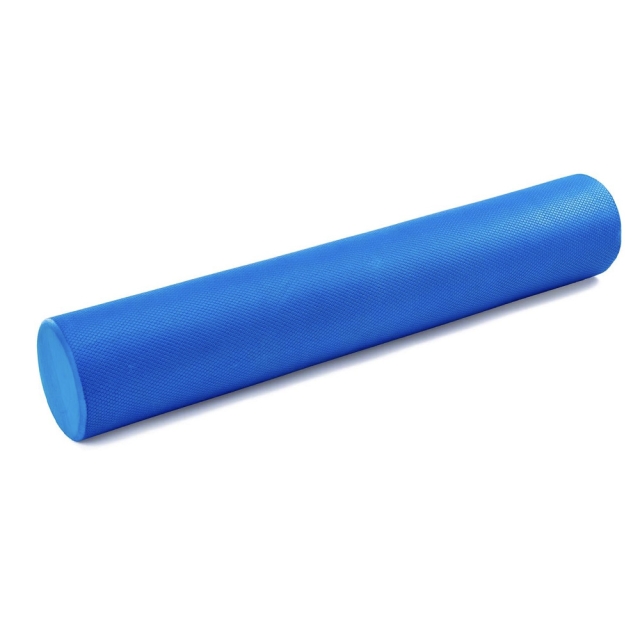
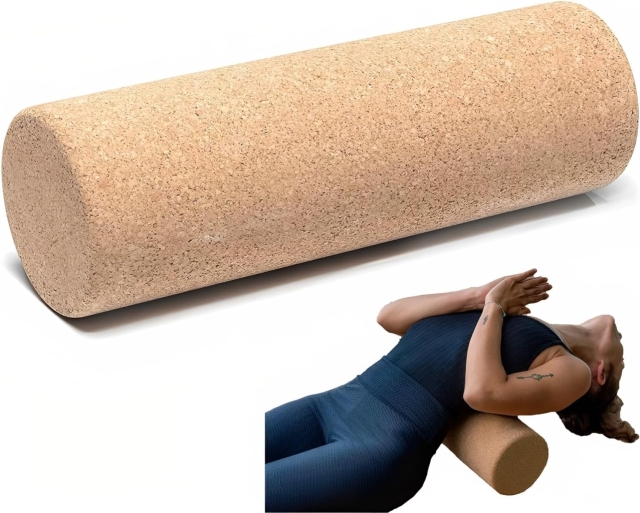
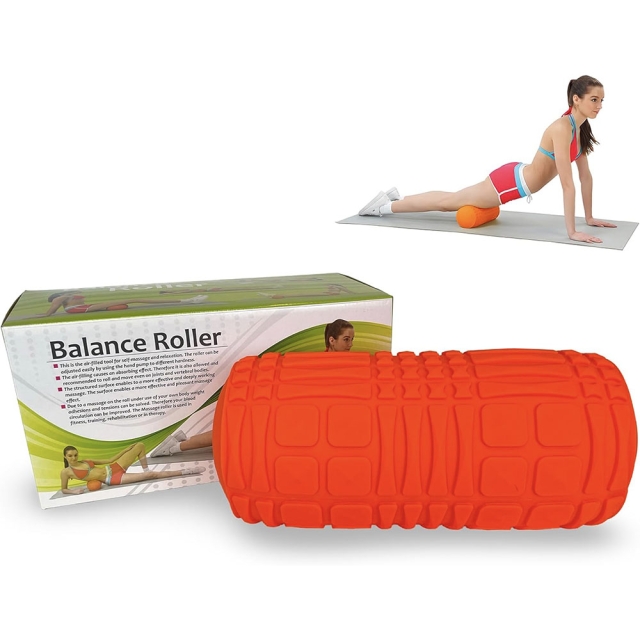
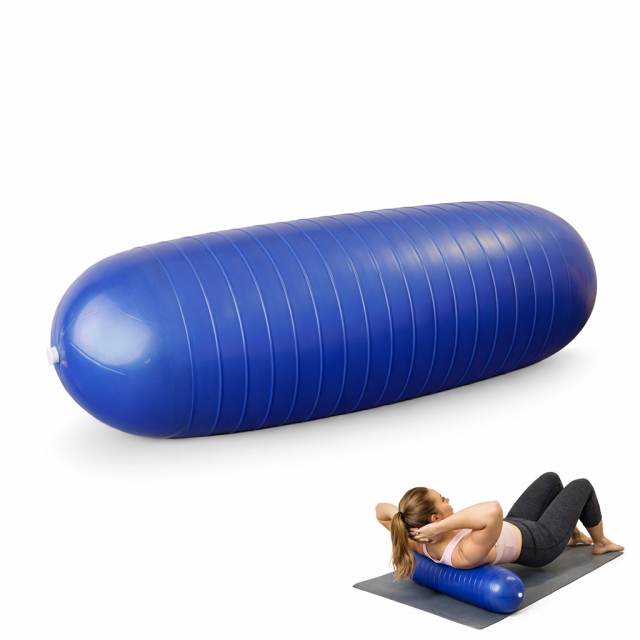
- Users also report that choosing the right roller (density size texture) matters: too hard too aggressive and they avoid using it. Too soft and they do not feel effect.
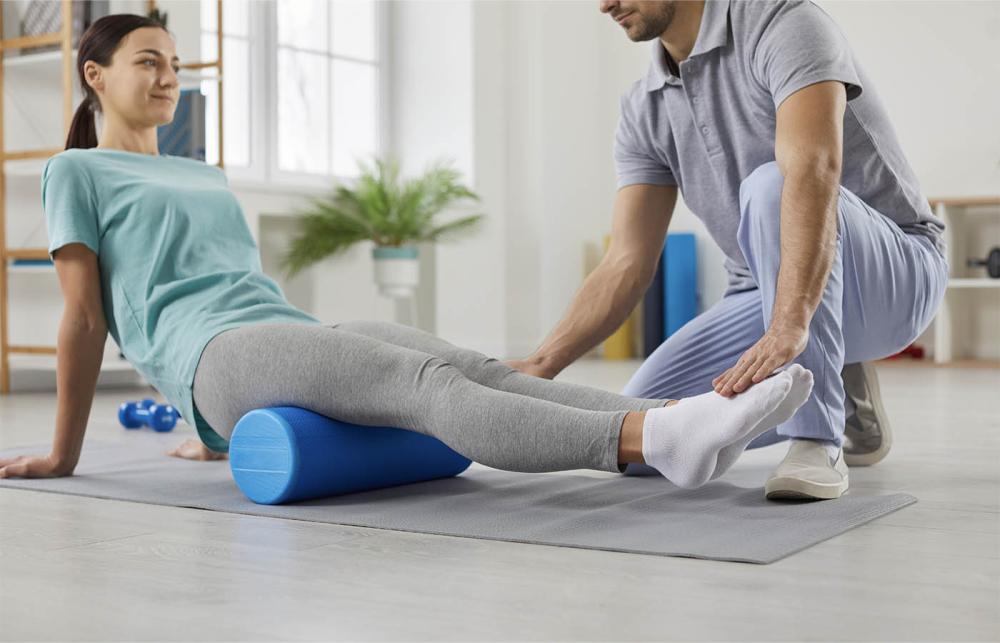
Step-by-Step Guide
Here is a recommended protocol you can adapt (clinician or informed consumer) for using a foam roller with the aim of improving flexibility and mobility.
1. Choose your roller
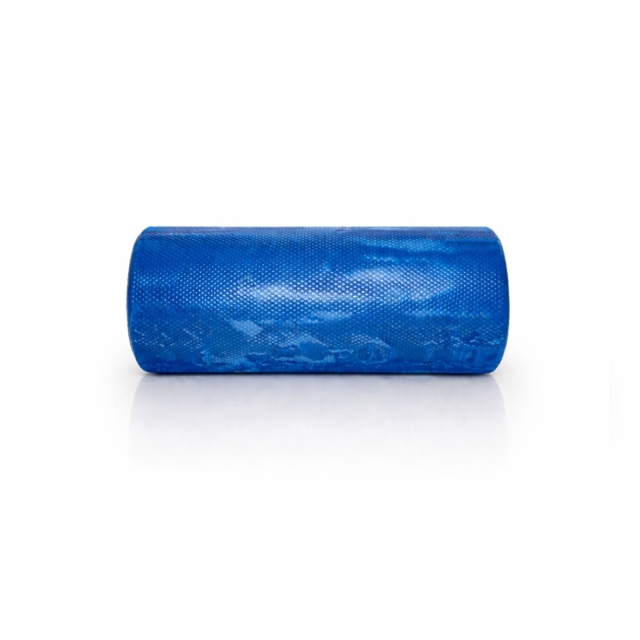
- Beginner or sensitive tissues: softer density smooth surface.
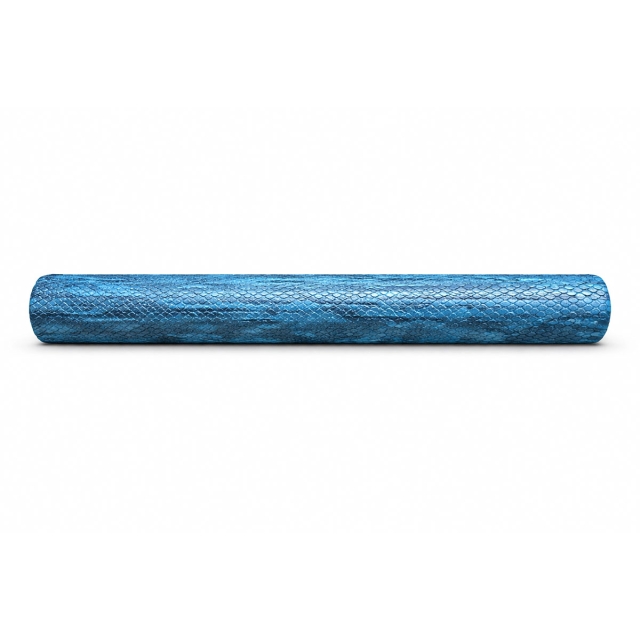
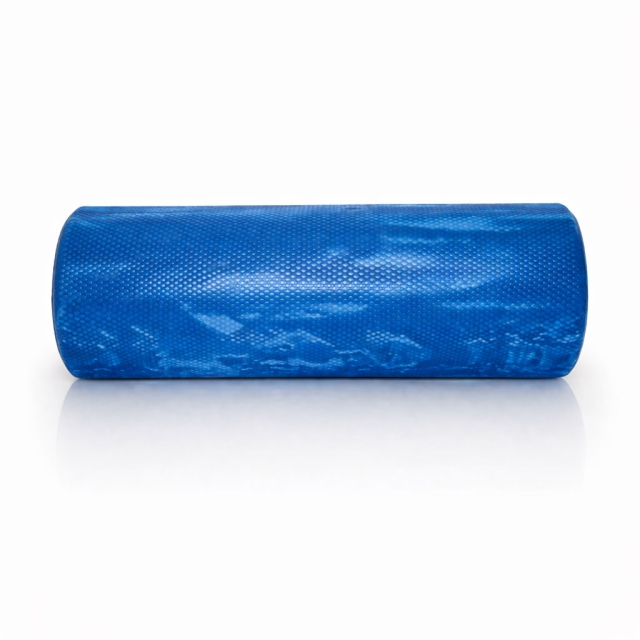
- Intermediate or advanced: firmer density textured surface (knobs or ridges).
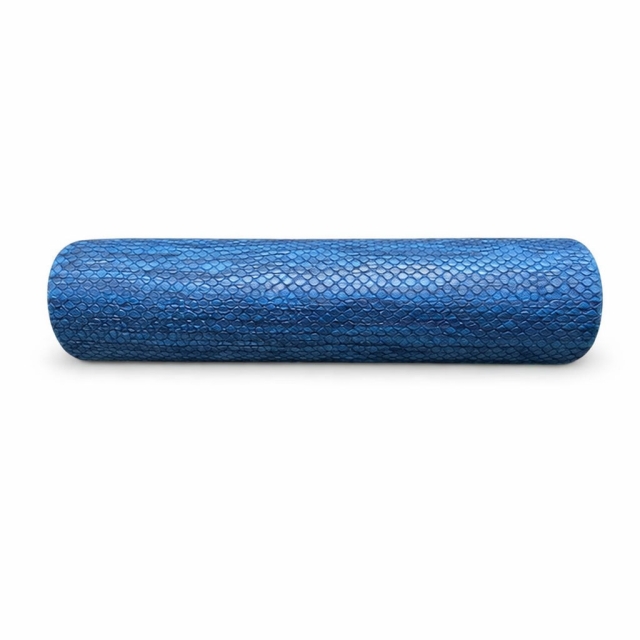
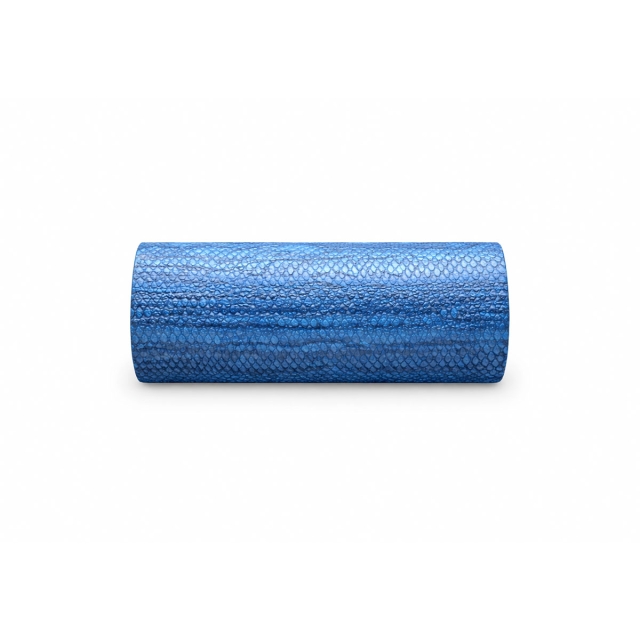
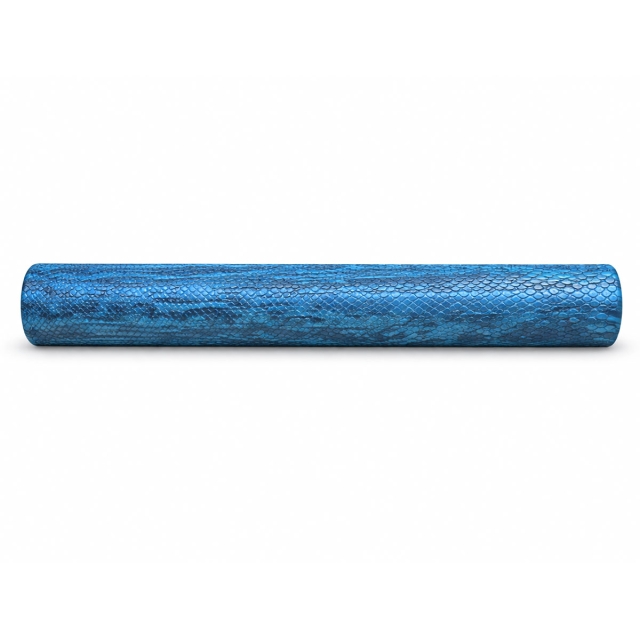
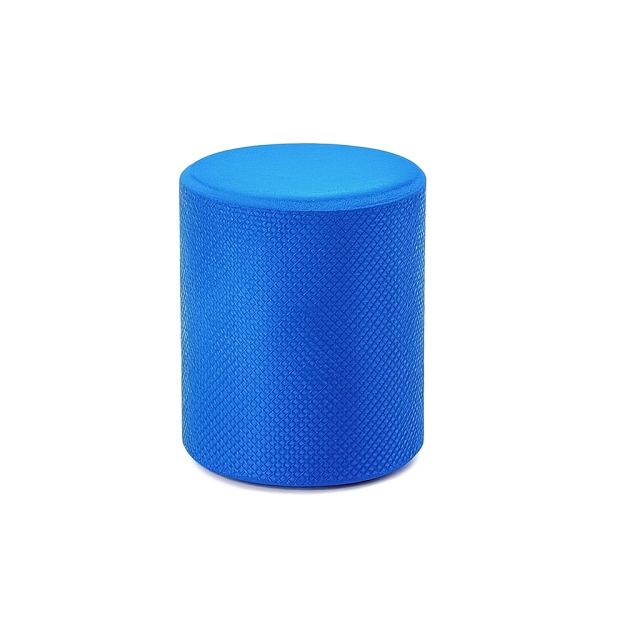
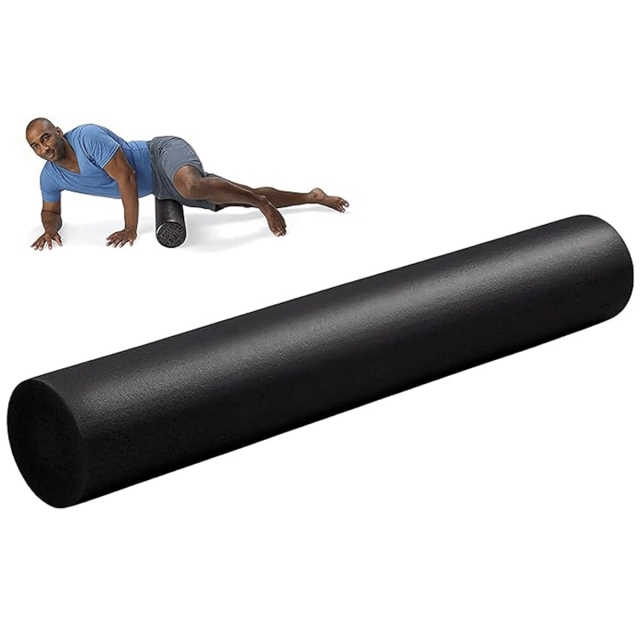
- Length: about 90 cm (3 ft) allows rolling large muscle groups. Smaller rollers are portable but offer less surface contact.
2. Warm-up phase (if used pre-activity)
- Light general activity (3-5 min) to raise body temperature.
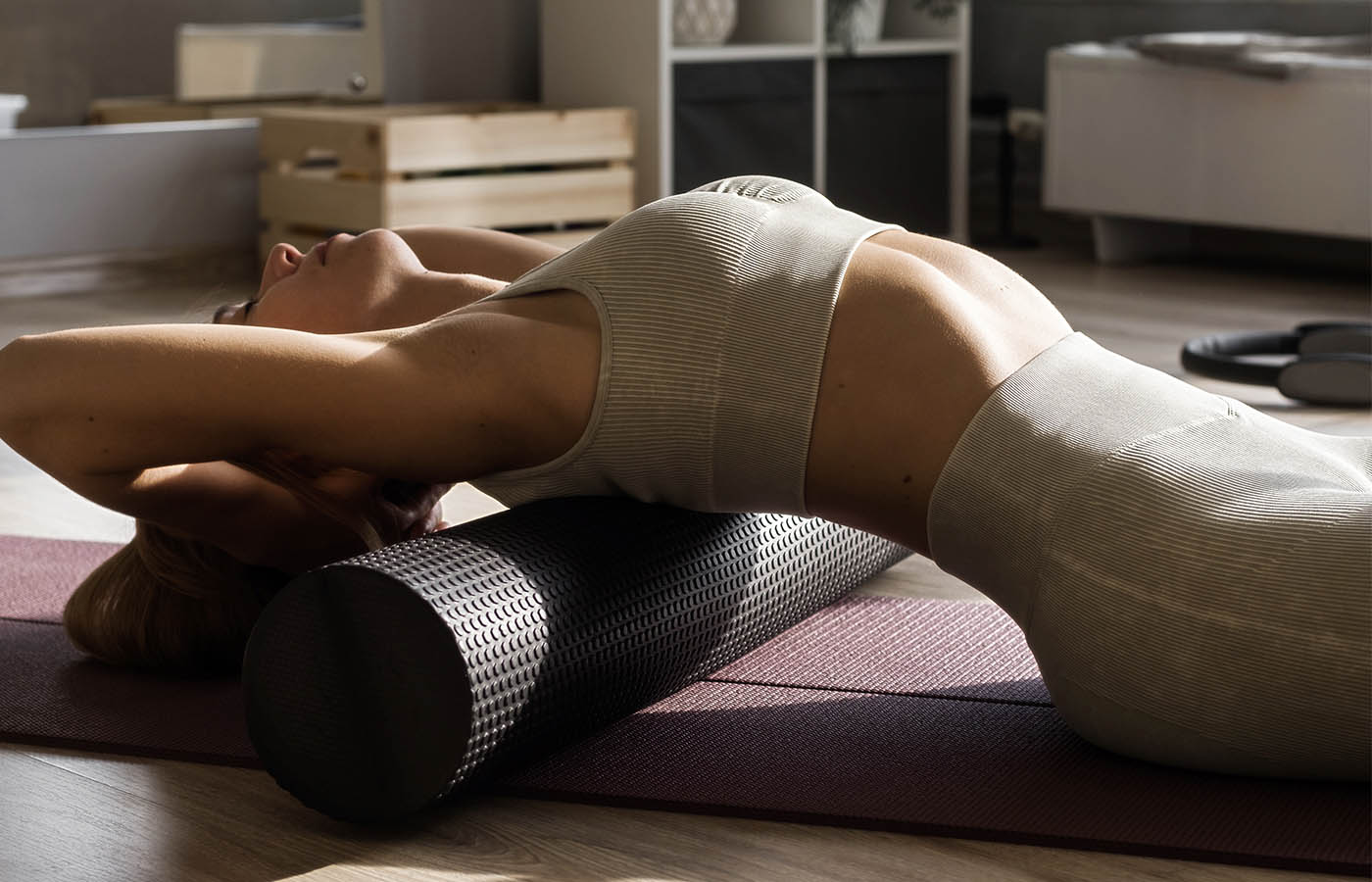
- Foam roll major muscle groups you will use: for example quads, hamstrings, calves, glutes, upper back.
- Spend about 30-60 seconds per muscle group (2-3 rounds) rolling slowly.
- After rolling follow with dynamic movements that mimic your planned activity (leg swings, bodyweight squats, and similar).
3. Rolling technique
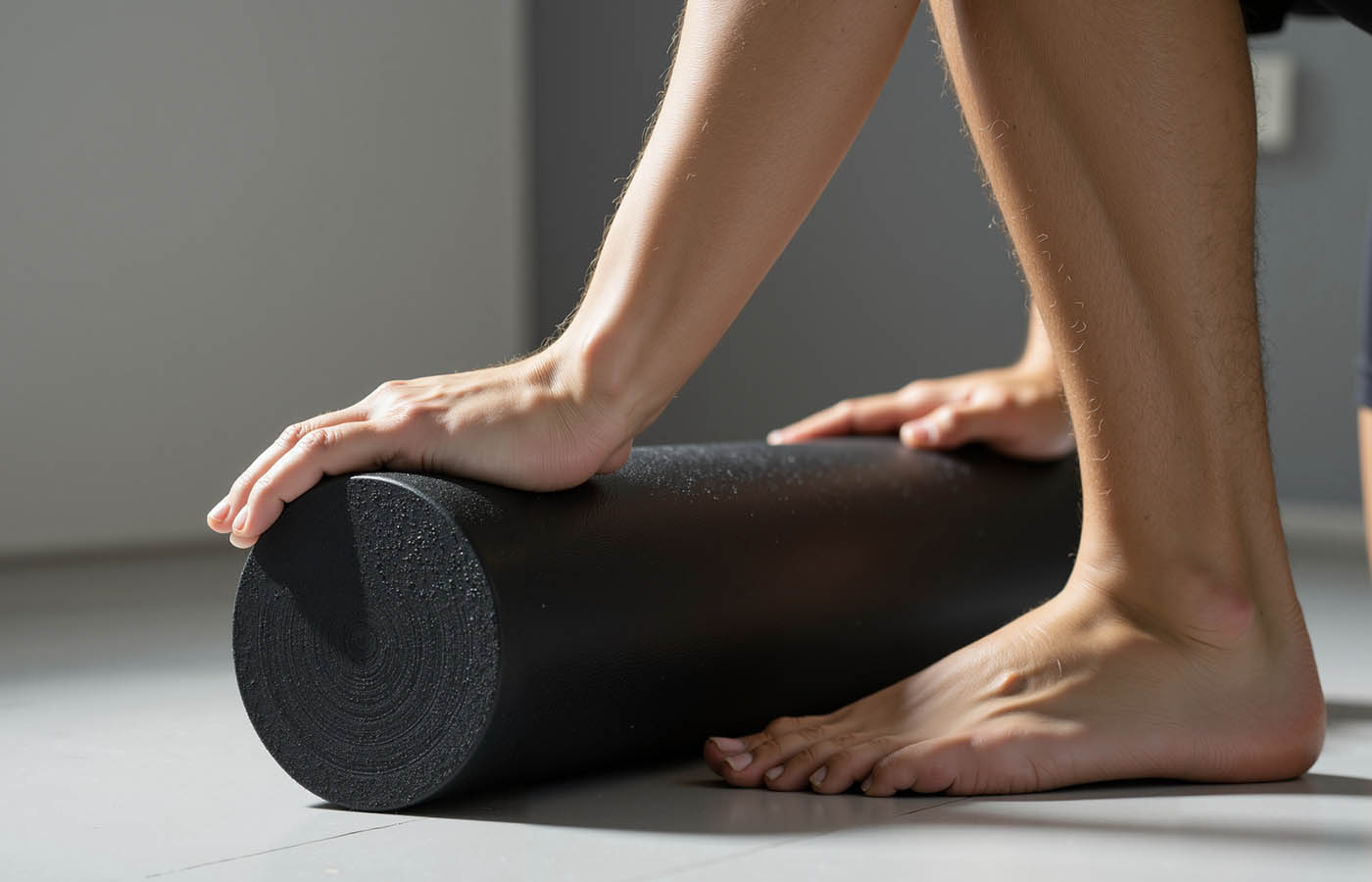
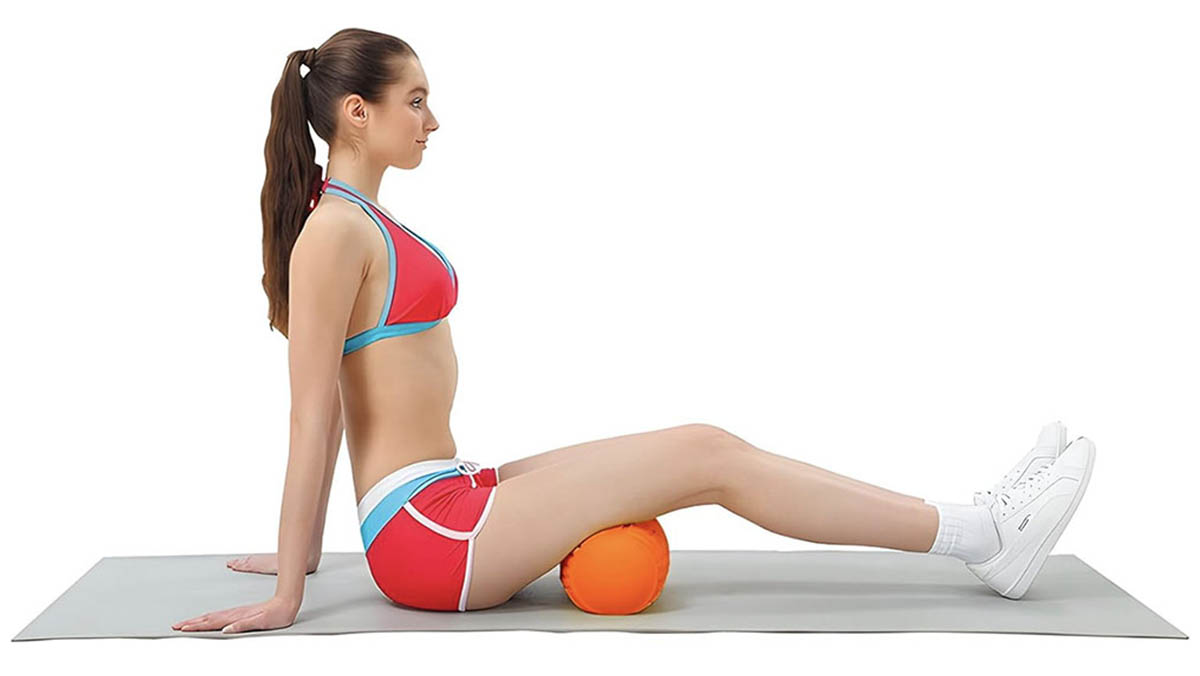
- Place the muscle on top of the roller and use body-weight to control pressure.
- Slowly roll the length of the muscle pausing for about 20-30 seconds on tender spots (“trigger points”).
- Avoid rolling directly over joints or bones.
- Keep breathing steadily and try to relax the muscle rather than gripping.
4. Post-activity or recovery use
- After a workout or long period of inactivity foam roll to assist mobility and reduce soreness.
- Spend about 60-120 seconds per major muscle group. Some research suggests 90-120 seconds per group is a useful target.
- Follow with gentle static stretches or mobility flows if desired.
5. Consistent use for chronic improvements
- For long-term flexibility gains rather than just acute effects roll regularly (for example 3-5 times a week) over four weeks or more.
- Track your joint range of motion or movement ease (for example sit-and-reach, hip flexion) to monitor change.
6. Safety or precautions
- Avoid aggressive deep pressure especially if new to rolling recovering from surgery have varicose veins or osteoporosis.
- Discontinue if pain increases if sharp pain occurs or if you feel unstable. Consult a clinician if in doubt.
Comparison Table
| Method | Primary Mechanism | Typical Flexibility Effect | Pros | Limitations |
|---|---|---|---|---|
| Foam Rolling (Self-Myofascial) | Pressure on muscle or fascia - neuromuscular change | Moderate acute gains (about 3-5%) | Self-administered - low cost - good pre or post | Effect size modest - technique matters |
| Static Stretching | Holding muscle length to reduce neural excitability | Similar to foam rolling for some joints | Widely known - easy to perform | May reduce strength if held too long before activity |
| Dynamic Stretching | Active controlled movement through range of motion | Beneficial for mobility and warm-up | Good warm-up - can enhance performance | Requires movement control - less specific for trigger points |
| Combined Foam + Dynamic | Rolling to relieve tension + dynamic to activate | Potentially better than either alone | Balanced approach | Takes time - requires consistency |
FAQ
- Q1: How long should I foam roll each muscle group?
- A1: For acute effects spend about 30-60 seconds per muscle group. For more robust effects aim for 90-120 seconds per muscle group (about 2-3 minutes).
- Q2: Will foam rolling make me more flexible long-term?
- A2: Yes with caveats. Consistent use over four or more weeks can yield improvements in joint range of motion in certain muscle groups although effects vary by muscle and individual.
- Q3: Can I replace stretching with foam rolling?
- A3: Not entirely. Foam rolling and stretching act via overlapping yet distinct mechanisms. They can complement each other. In some cases foam rolling offers similar flexibility gains to stretching.
- Q4: Is rolling painful “good” pain or should I avoid all discomfort?
- A4: You may feel discomfort as you press into tight tissue but it should not be sharp, intense, or damaging. Rolling too hard or fast can reduce benefit or cause bruising.
- Q5: Should I foam roll before or after exercise - or both?
- A5: Both can work: before improves range of motion and mobility and prepares tissues. After can help recovery and reduce soreness although effects are modest.
- Q6: Does foam rolling reduce risk of injury?
- A6: Evidence for injury prevention is thin. Foam rolling may support movement quality and recovery but it is not a standalone injury-prevention strategy. Use alongside strength, control, and good movement.
- Q7: Are there times when I should avoid foam rolling?
- A7: Yes - for example acute injuries, unstable joints, open wounds, deep vein thrombosis, recent surgery, or severe bruising or swelling. If in doubt check with a clinician.
References and Research Sources
- Wiewelhove T, Döweling A, Schneider C, et al. (2019). “A Meta-Analysis of the Effects of Foam Rolling…” Frontiers in Physiology. https://doi.org/10.3389/fphys.2019.00376
- Petersen Physical Therapy. “Benefits of Foam Rolling: Pros and Cons.” 18 April 2025. https://petersenpt.com/benefits-of-foam-rolling-pros-and-cons
- Drummond Education. “Foam Rolling Effects on Range of Motion - What the Research Shows.” 2023. https://drummondeducation.com/foam-rolling-effects-range-motion-research-shows/
- Science for Sport. Walker O. (2025). “Foam Rolling.” https://www.scienceforsport.com/foam-rolling/
- BuiltLean. “Does Foam Rolling Help Increase Flexibility?” 2024. https://www.builtlean.com/increase-flexibility-foam-rolling/
Sold: Each
Incl. VAT Exl. VAT