




Executive Summary
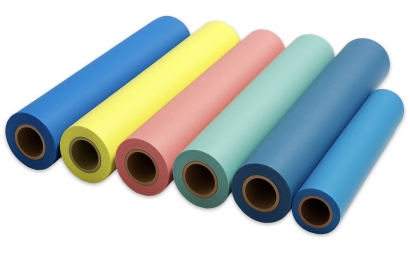
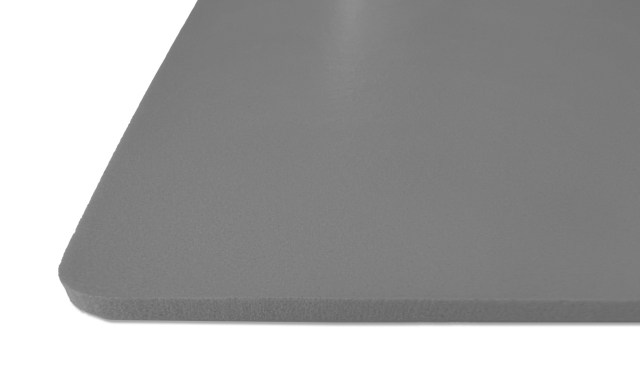
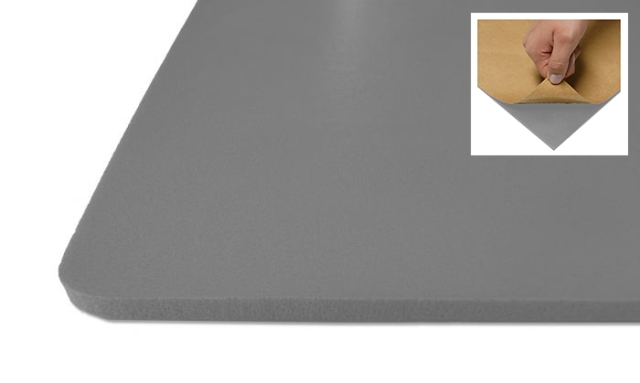
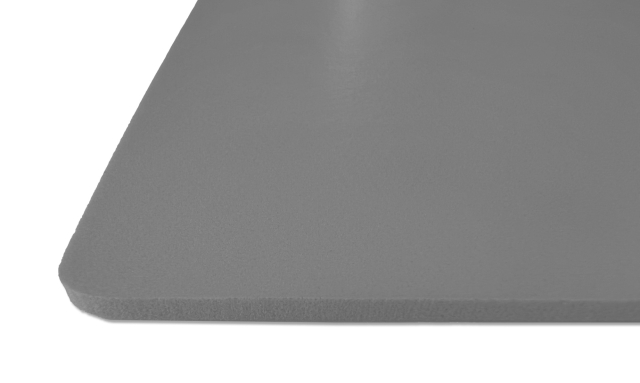
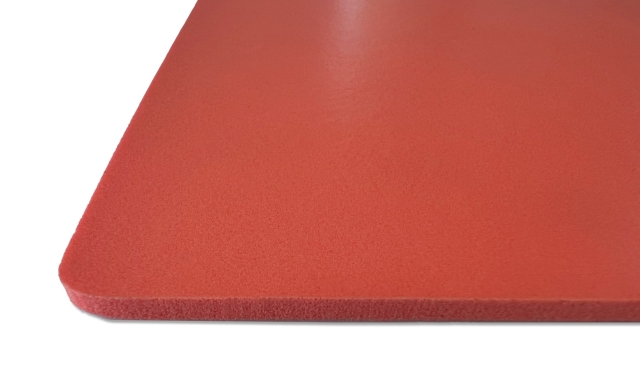
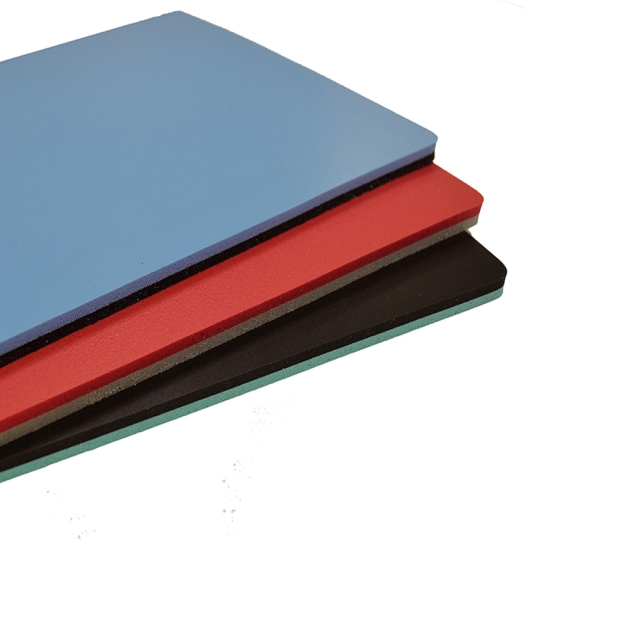
PORON® Performance and PORON® Medical are microcellular polyurethane (PU) foams from Rogers Corporation that have become a de-facto standard for insole and orthotic cushioning worldwide.
Their long-term dominance stems from a combined effect of market trust (reliable supply, clinical familiarity, OEM specification) and material performance (low compression set, high impact attenuation, breathable open-cell structure, fabrication consistency).
For technicians and clinicians, this translates to devices that keep their thickness and feel, absorb shock without “bottoming out”, and fabricate cleanly and predictably across batches.
Competing options - EVA, conventional PU footbeds, memory foams, silicone/TPE gels, Plastazote®, and newer midsole architectures (eTPU) - each offer compelling benefits, but typically trade off durability, breathability, weight or support.
In independent testing and decades of field use, PORON has ranked among the best for shock attenuation and long-term resilience, particularly in sensitive applications.
Material Science & History of PORON
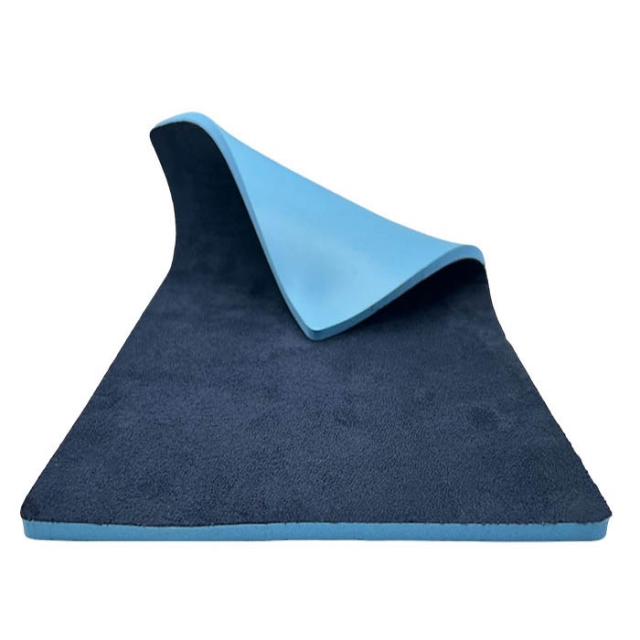
Open-cell microstructure. PORON’s cellular architecture behaves like millions of tiny springs. Under load, air moves through the open cells and the polymer network deforms elastically; on unloading, the structure recovers, limiting permanent set. This “spring network” is why PORON maintains functional thickness and feel long after closed-cell foams have packed down.
Rogers positions PORON Performance as an open-cell, breathable, compression-set-resistant cushioning for all-day support in work, outdoor, athletic and dress footwear.
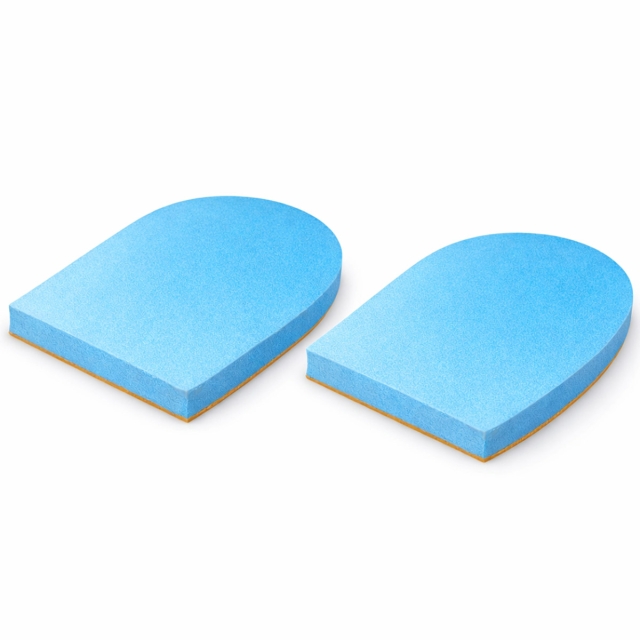
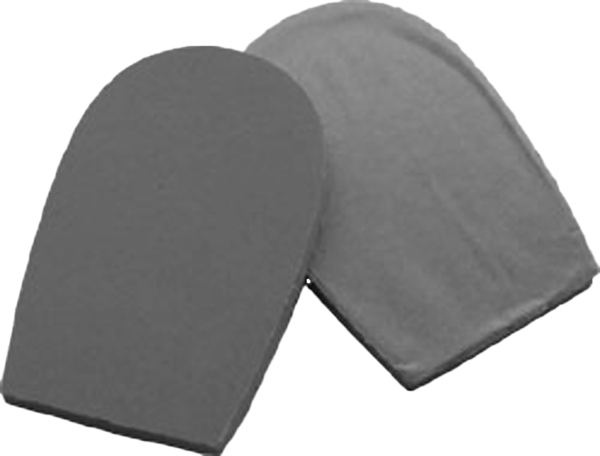
Medical focus. PORON® Medical grades are engineered for orthopaedic and prosthetic applications (custom orthoses, prefabs, pads, liners), emphasising consistent mechanical behaviour, biocompatibility considerations, and reliable availability - factors that matter to clinics and NHS/insurance-driven workflows.
Category leadership over time. From the 1980s onward, PORON/PPT appears repeatedly in comparative studies and industry literature as a top performer for shock attenuation and resilience.
This continuity is part material science, part vendor discipline: stable formulations, predictable supply, and documentation for clinical and OEM use.
Market Trust, Adoption & Brand Dynamics
Specification → habit → trust. Once included in OEM specs (footwear) and orthotic lab standards, PORON became the “safe choice.” Clinicians and technicians learned that the cushioning stayed functional for the life of the device, reducing remakes and callbacks. OEMs valued a global supply chain and consistent QA from a single steward (Rogers).
Clinical credibility. In shock attenuation comparisons (e.g. PPT/Poron vs Spenco, Sorbothane, Plastazote, Viscolas), Poron/PPT routinely scored near the top for dissipating heel-strike forces, supporting its adoption for arthritic and diabetic caseloads where bottoming-out risks ulceration.
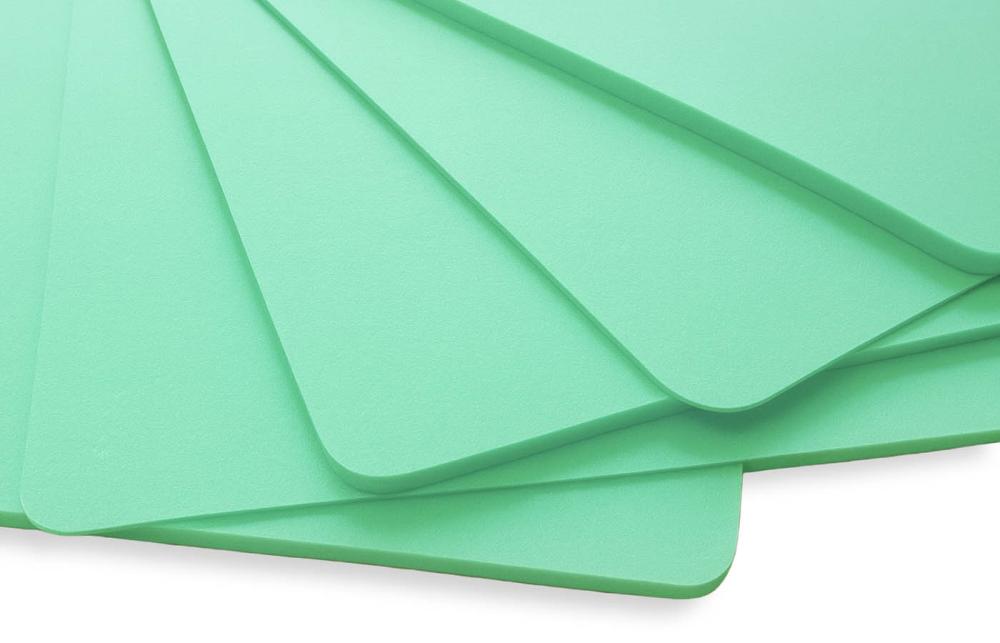
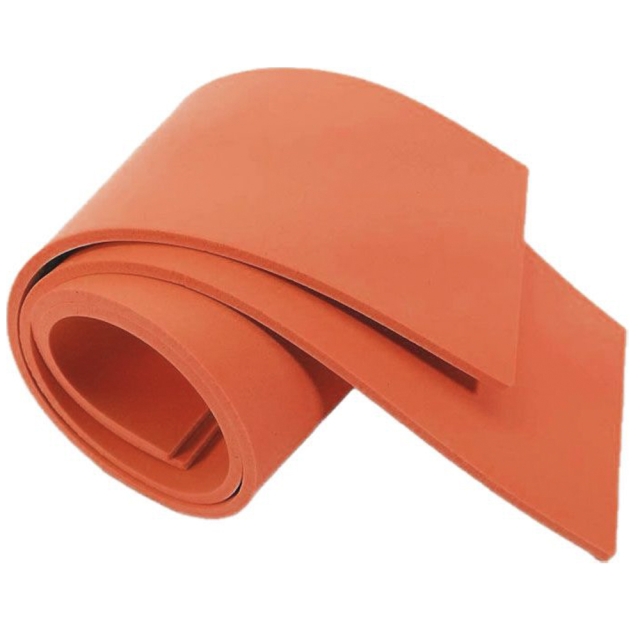
Converter ecosystem. In the UK, Algeos serves as a key converter/specialist supplier of PORON grades for footwear and O&P, enabling labs to order by thickness, firmness and finish, and to integrate PORON with cover stocks and posting materials. That local availability and expertise further normalise PORON in prescriptions and BOMs.
Technical Superiority: What Clinicians & Techs Experience
- Low compression set / thickness retention. PORON resists permanent flattening, so functional thickness and cushioning persist across months/years of gait cycles. Clinically, that means more stable pressure maps and fewer comfort complaints over time.
- Impact attenuation without bulk. PORON dissipates energy efficiently; in thin layers it still reduces high-rate impacts. PORON XRD®—a specialised high-strain-rate formulation - enables very thin pads in safety footwear/sports to absorb >90% of impact energy.
- Breathable comfort & hygiene. Open-cell flow and moisture transport reduce heat build-up compared with closed-cell EVA or solid gels. Many PORON applications use antimicrobial topcovers to further manage odour/fungi in long wear.
- Fabrication reliability. Uniform, isotropic cells cut/edge/grind predictably and bond well to cover stocks and midlayers; grades like PORON 4000 are specified precisely for footbeds, covered FFOs and sockliners.
Why Other Materials Struggle to Compete
EVA: Lightweight and cheap with a soft day-one feel, but closed-cell structure means progressive “packing down” and limited breathability. Clinically, this can mean rising peak pressures and a shorter service life for cushion top layers.
Generic PU footbeds: Often more durable than EVA, but many lack PORON’s ultra-low set and consistent rebound in thin gauges; memory foams add plushness but can bottom out under sustained stance (slow-recovery behaviour).
Gels (Silicone/TPE) & viscoelastic polymers: Excellent damping in small pads (e.g., heel cups), but heavy, non-porous, and less supportive as full-length insoles; frequently paired with foam to mitigate heat/weight/support limitations. Sorbothane is exemplary for pure damping but shines best as targeted inserts.
Plastazote® (cross-linked PE): Outstanding conformability and low shear for diabetic accommodations, but poor shock attenuation and rapid thickness loss under impact load - hence commonly layered over PORON for true cushioning.
eTPU/advanced midsoles: Expanded TPUs revolutionise midsoles with rebound/energy return, but are not widely available as orthotic sheet stock. Their design objective (bounce) differs from PORON’s (stable damping) and they are typically complementary rather than substitutive in orthotic builds.
Detailed Comparisons: EVA, PU, Memory Foam, Gel, TPU
EVA (Ethylene-Vinyl Acetate)
Pros: Very light; moulds easily; cheap; common in midsoles and entry-level insoles. Cons: Closed-cell; limited moisture transport; gradual compression leading to reduced cushioning and support over time. From a clinic perspective: good for temporary or low-load cushioning, but not ideal for long-term pressure offloading in high-risk feet.
Open-cell PU footbeds (e.g., OrthoLite) deliver strong comfort, airflow and low compression set at mass-market price points. OEMs like them because they are breathable and maintain ~95% thickness in typical shoe lifespans; they dominate “sockliner” roles in athletic/casual footwear. For maximum damping in clinical orthoses, practitioners still often choose PORON layers, occasionally combining an OrthoLite top for feel/airflow with PORON under-cushioning for impact.
Memory Foam (Viscoelastic PU)
Soft, conforming and perceived as “plush”, but slow recovery means it remains compressed under static load, reducing instantaneous support during stance. Over months, it can form set impressions. Good for step-in comfort; less suitable where consistent rebound and pressure management are critical.
Silicone / TPE Gels & Viscoelastic Polymers
Gels excel at damping in small zones; Sorbothane’s engineering literature describes high damping and non-Newtonian behaviour ideal for impact peaks. Retail claims often cite ~94% impact absorption for targeted inserts; in practice, clinicians weigh that against heat, weight and full-length support needs. Consequently, gels are well-used as components (heel/met pads) rather than full-length foundations.
eTPU and Other Advanced Midsole Foams
Expanded TPU bead foams (and PEBA superfoams) deliver high energy return and mileage in midsoles. They don’t directly replace sheet-stock cushioning in orthotics; instead, they complement - porous, high-rebound midsole under a PORON-topped orthotic can yield both bounce (shoe) and stable damping (device).
Branded Competitors: OrthoLite, Sorbothane, Spenco, D3O / PORON XRD
OrthoLite (Open-Cell PU)
Extensive OEM penetration and strong breathability characterize OrthoLite’s value proposition; technical booklets emphasise open-cell airflow, sustainability initiatives, and tailored formulations for brand partners. Many work/sport shoes ship with OrthoLite liners, which typically retain most of their thickness across the shoe’s service life.
In medical orthotics, PORON remains common for maximum damping under thin constraints or for high-risk feet; some labs use both (OrthoLite top, PORON underlay) to balance feel and impact control.
Sorbothane (Viscoelastic Polyurethane)
Sorbothane’s non-Newtonian profile enables exceptional damping, particularly at heel strike. It is frequently recommended for targeted pain points and high-impact users. Downsides are weight, heat and the need for encapsulation or pairing with foam for full-length builds - hence it augments rather than replaces foams in most orthotic constructions.
Spenco / Multi-Layer Retail Insoles
Blended constructions (PU cores, neoprene “SpenCore” zones, anti-microbial covers) deliver reliable retail comfort. They are product systems rather than single material technologies; longevity is generally good but not at PORON’s level in thin-gauge, clinical use. These insoles often coexist with PORON-lined custom devices in the same patient’s rotation.
D3O and PORON XRD (High-Strain-Rate Impact Pads)
Both are engineered to absorb extreme impacts with thin profiles. In safety boots and sports insoles, PORON XRD pads protect met/heel regions without bulk; D3O competes in adjacent protective categories. For full-contact, all-day cushioning, clinics still pair such pads with broader PORON layers for background comfort and pressure distribution.
Sustainability & Future Outlook
Long service life = fewer replacements. From an environmental and economic perspective, a topcover that retains thickness and feel reduces replacement frequency and clinical chair time. That favours open-cell PU solutions with low set (e.g., PORON; some OrthoLite formulations also highlight durability and recycled content programs at OEM scale).
Materials roadmap. Expect incremental gains in bio-content, solvent-free processing, and antimicrobial strategies. In footwear, midsole innovations (eTPU/PEBA) will continue for rebound, while orthotic sheet-stocks prioritise stable damping and lab efficiency - areas where PORON already maps well to clinician needs.
Full Comparison Table
| Material / Brand | Type & Structure | Impact Attenuation | Compression Set / Longevity | Breathability | Notes for Clinics & Labs |
|---|---|---|---|---|---|
| PORON® Performance / Medical | Open-cell microcellular PU | High; XRD pads for extreme impacts (>90% at high strain rates) | Very low set; maintains functional thickness | Yes (open-cell) | Gold-standard for durable cushioning in thin layers; predictable fabrication and bonding. |
| EVA | Closed-cell foam | Good initially | Progressive packing down | No | Low cost/weight; limited lifespan as a cushion top layer. |
| Open-cell PU | Open-cell PU | Very good for daily comfort | Low set; often ~95% thickness retention over shoe life | Yes | Excellent OEM sockliners; often paired with PORON for max damping. |
| Memory foam | Viscoelastic PU (slow rebound) | Plush feel, pressure spread | Bottoms out under static load, imprinting over time | Variable | Comfort-first; less appropriate for long-term offloading. |
| Silicone/TPE gel | Viscoelastic gel | Excellent in small zones | Material resists set but heavy; can creep/tear if unprotected | No | Best as targeted inserts; combine with foam for full-length builds. |
| Viscoelastic PU | Viscoelastic PU (non-Newtonian) | Exceptional damping (retail claims ~94%) | Low set; weight/heat considerations | No | Niche for severe impact/heel strike; pair with foam. |
| Plastazote | Cross-linked PE (closed-cell) | Poor for impact | Rapid thickness loss under impact | No | Excellent conformability/low shear topcover; place over PORON for cushioning. |
| eTPU/PEBA midsoles | Expanded bead or superfoams | High energy return (bounce) | Durable midsole platforms | n/a (midsole systems) | Complementary to orthotic sheet-stocks rather than direct substitutes. |
Clinical & Lab Selection Guide
When to specify PORON® (Performance or Medical)
- Diabetic / arthritic comfort and protection: Need for durable, thin-gauge damping that resists set and maintains pressure relief over time.
- Occupational or high-mileage users: Work boots, military, first responders - stable cushioning that doesn’t “go dead” mid-shift.
- Thin orthoses or low-volume footwear: Require impact attenuation without bulk; consider PORON XRD pads at met/heel if extreme impacts are anticipated.
- Remake risk mitigation: Prior device packed down quickly (EVA/memory) and the patient returned early with discomfort.
Layering examples
- Diabetic accommodative: Plastazote top (low shear, conformable) over 3.2–6 mm PORON Performance/Medical base for durable cushioning; add stiffener and posts as indicated.
- Sports/work: OrthoLite (top feel/airflow) + PORON underlay (impact control) + PORON XRD heel/met pads for peak loads; firm shell/posting beneath as prescription dictates.
- Heel pain focus: PORON base with a Sorbothane or PORON XRD heel plug where peak impact is localised.
Fabrication tips
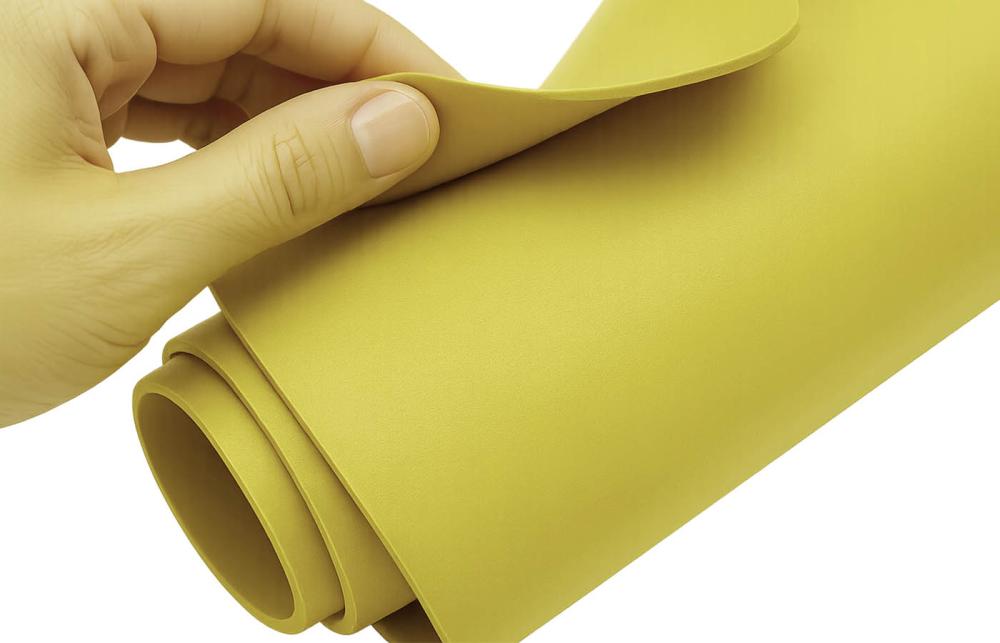
- Use grades (e.g., PORON 4000) matched to the required firmness/return; both sides can be abraded for enhanced bonding to covers and shells.
- Edge and grind with moderate feed to avoid heating; PORON’s uniform cells yield clean edges and predictable feathering.
- Bond with clinic-standard contact adhesives; ensure full adhesive flash-off to prevent moisture occlusion between layers.
Key Takeaways
- Why PORON leads: Low set, strong shock attenuation in thin layers, breathable comfort, and fabrication reliability—backed by decades of OEM and clinical use.
- Why rivals don’t fully replace it: EVA (packs down), memory (bottoms out), gels (heavy/hot, targeted use), Plastazote (conformable but poor impact), and eTPU (midsole-centric).
- Best practice: Layer intelligently—use PORON as the durable cushioning foundation; add topcovers or localised impact tech (e.g., PORON XRD, Sorbothane) as the use-case demands.
References
- Rogers Corporation. PORON® Performance – features & benefits (open-cell, compression-set resistance, footwear applications).
- Rogers Corporation. PORON® Medical Polyurethanes – applications for orthotics & prosthetics.
- OrthoLite. Open-Cell Foam Technology Booklet (2023) – OEM sockliner tech, airflow, durability.
- Chippewa Boots. Technology – OrthoLite inserts retain ~95% thickness (brand claim).
- Pratt D.J., Rees P.H., Rodgers C. Assessment of Some Shock Absorbing Insoles. Prosthetics & Orthotics Int. Classic pilot comparing Plastazote, Spenco, Sorbothane, Poron (PPT) and Viscolas.
- Rogers Corporation. XRD® Impact – high-strain-rate protection overview.
- Algeos. PORON Urethanes – About – UK conversion and sector focus statement.
- Sorbothane. Engineering/Design (technical) – viscoelastic damping behaviour; retail impact claims (~94%).
- Datong/industry explainers. EVA vs PU – density, durability, application contrasts (contextual).
- Algeos. PORON XRD® – absorbs >90% energy at high strain rates – footwear/safety use.
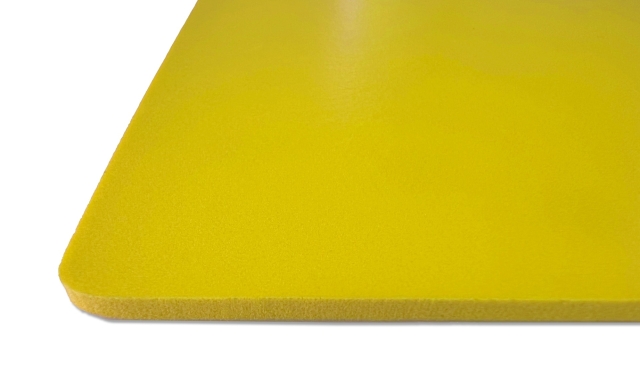
Sold: Sold per Sheet
Incl. VAT Exl. VAT