




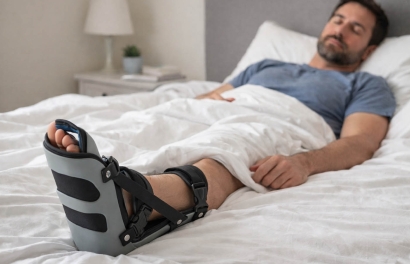
If plantar fasciitis or Achilles tightness is ruining your mornings (that first step feeling like you’ve stood on a LEGO), a night splint can be a really sensible, non-invasive option.
The goal is simple: keep your foot in a gently stretched position overnight so the plantar fascia and/or Achilles tendon don’t tighten up while you sleep.
Algeos stocks a decent range of night splints that suit different comfort levels, symptom severity and tolerance.
In this guide, we review the core Algeos night splint range, explain who each option is best for, and show how to build a complete home plan using related Algeos Plantar Fasciitis Treatments, Plantar Fasciitis Insoles, and Plantar Fasciitis Exercise Aids.
Quick take: do night splints actually work?
Research supports night splints as a useful tool for improving pain and function in plantar fasciitis, particularly when used consistently and combined with a structured home programme.
A single-blinded randomised controlled trial found added benefit when a tension night splint was used alongside a home exercise programme in chronic plantar fasciitis, compared with exercises alone. Another systematic review concluded that night splints can improve pain and function, while also noting that study quality/bias varies and more high-quality trials are needed.
Best of the Algeos night splint range
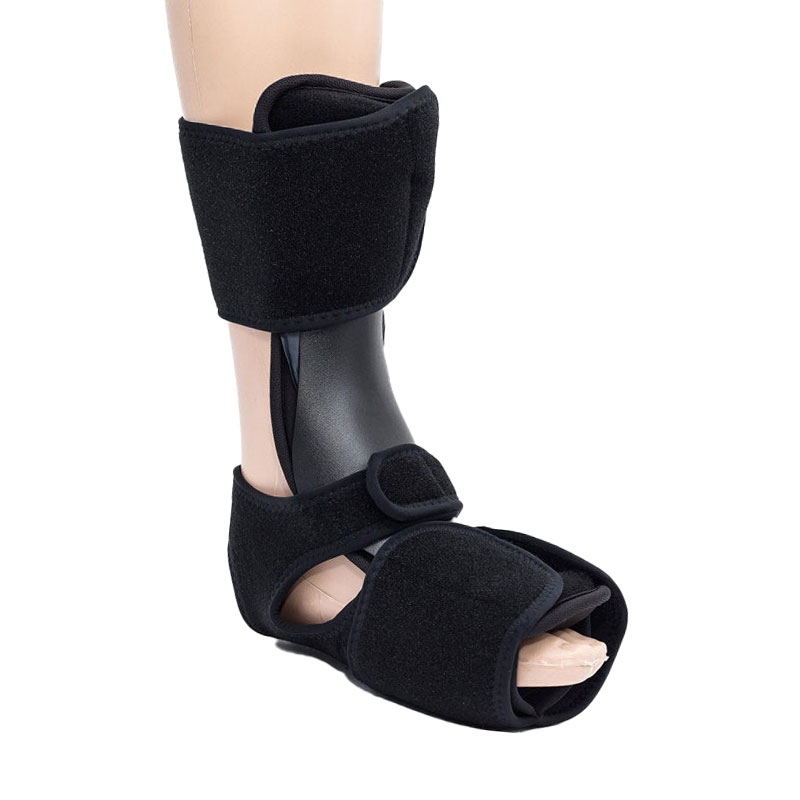
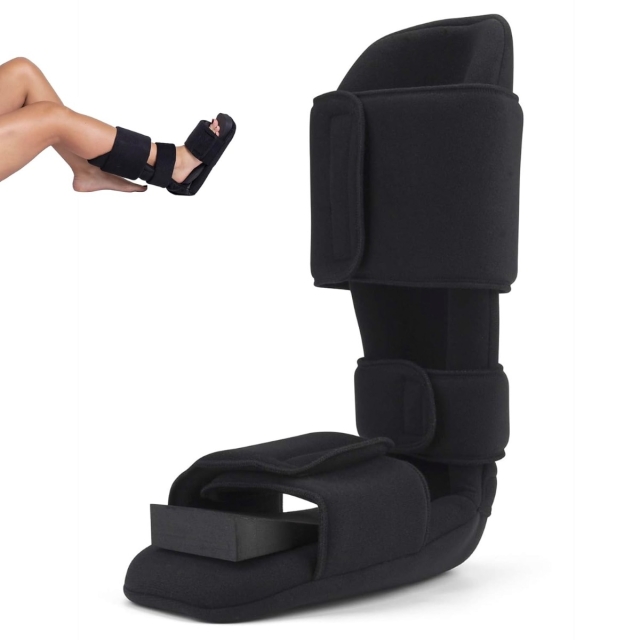
1) Bodytonix Night Splint with Heel Support (Low Profile)Best for: comfort-first sleepers, mild-to-moderate plantar fasciitis, people who hate bulky braces This is a lower-profile option designed to be easier to tolerate at night, while still providing dorsiflexion support and a 'heel-lock' style strapping approach. If your biggest barrier is compliance (e.g. I can’t sleep in that thing), this style is often the most realistic starting point. Product link: Bodytonix Night Splint with Heel Support |
|
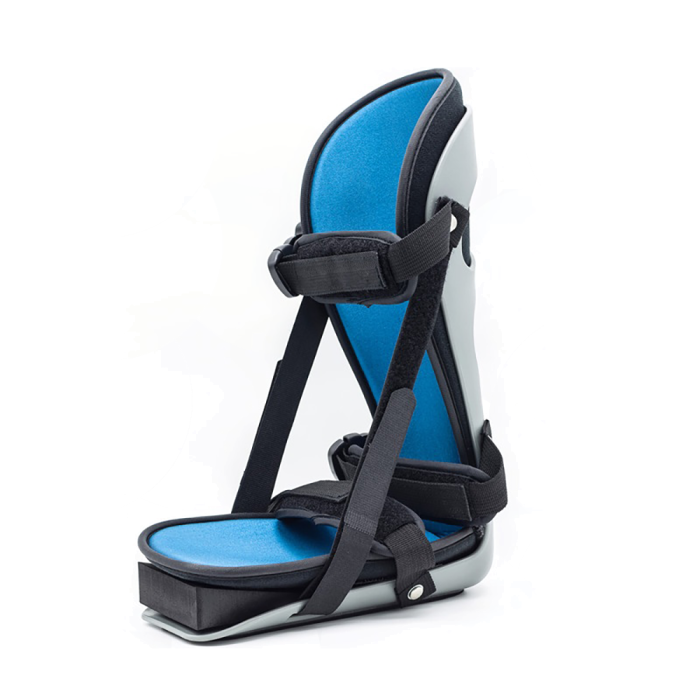
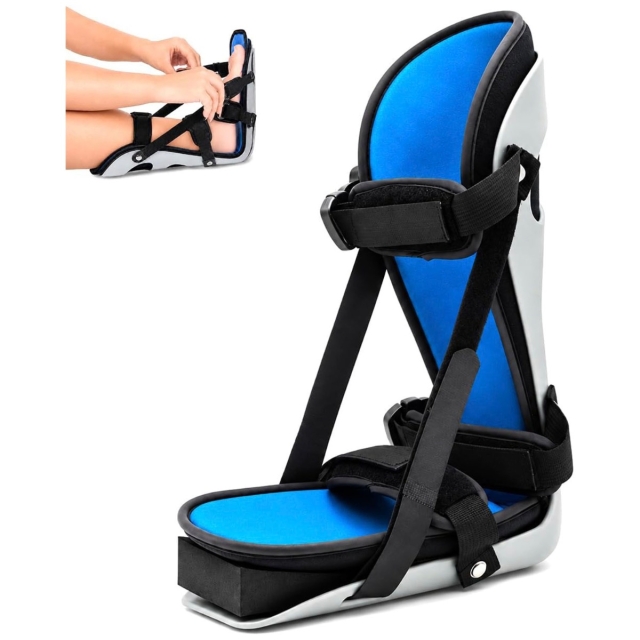
2) Bodytonix Adjustable Plantar Fasciitis Night SplintBest for: progressive stretching, moderate-to-severe symptoms, 'I want to dial in the angle' users An adjustable night splint is ideal if you want to gradually increase the stretch over time. That matters because too much stretch too soon can turn your “recovery plan” into “why do I feel worse today?” With an adjustable design, you can start gentler and build up. Product link: Bodytonix Adjustable Plantar Fasciitis Night Splint |
|
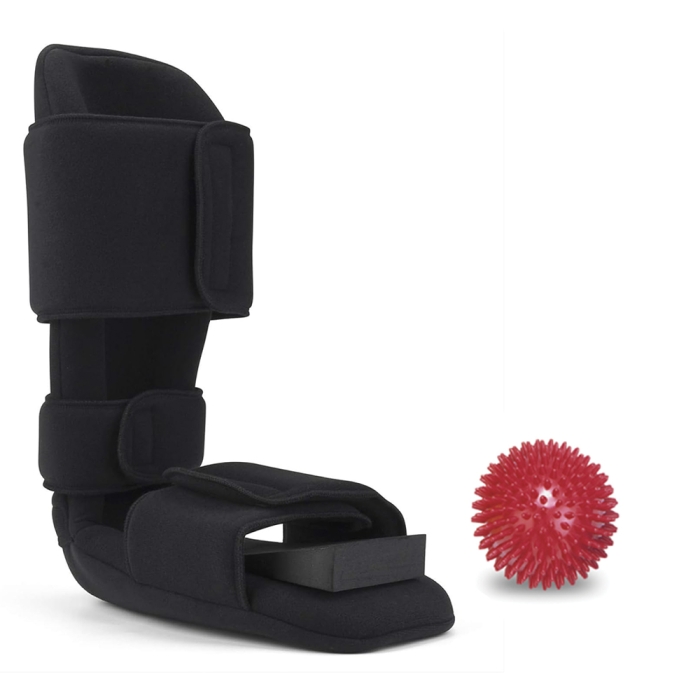
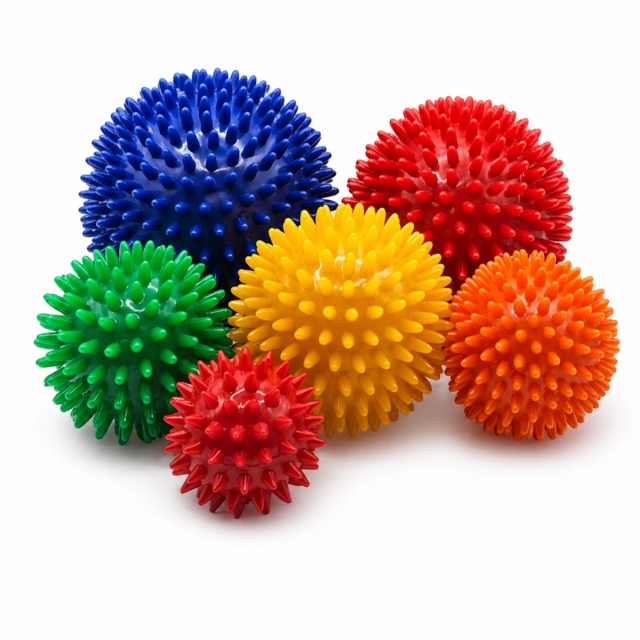
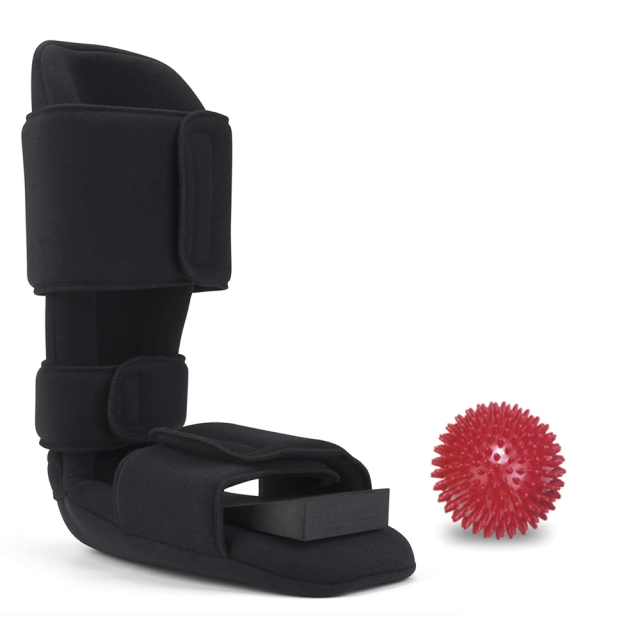
3) Plantar Fasciitis Kit (Night Splint + Massage Ball)Best for: value, a simple ready-made plan, adding daytime fascia release For many people, a night splint works best when it’s part of a bigger routine: gentle stretching, strength work, and some soft-tissue release. This kit bundles a night splint with a massage ball so you can cover night-time positioning and daytime tissue work. Product link: Plantar Fasciitis Kit – Night Splint and Massage Ball |
|
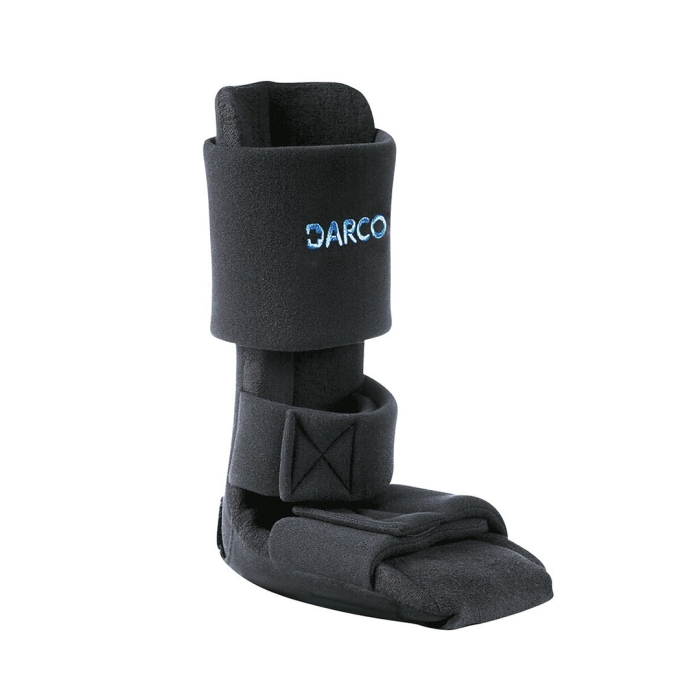
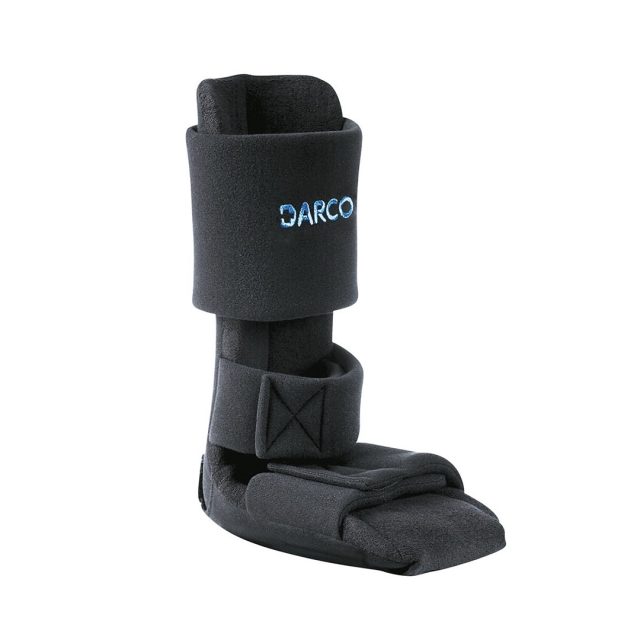
4) DARCO Night Splint (MultiFit style)Best for: people wanting a more traditional boot-style splint, stronger support, Achilles + plantar fascia overlap DARCO’s night splint is a more classic 'boot' design and is described as lightweight while still supportive. It’s positioned for plantar fasciitis and Achilles tendonitis, with comfort features like a liner and a non-skid sole for minimal ambulation (for example, short trips to the bathroom). Product link: DARCO Night Splint for Plantar Fasciitis |
|
Comparison table: which Algeos night splint is best for you?
| Product | Best for | Comfort / Sleepability | Adjustability | Ideal symptom profile |
|---|---|---|---|---|
| Bodytonix Night Splint with Heel Support (Low Profile) | Comfort-first, new users | High | Moderate | Mild–moderate plantar fasciitis; morning pain |
| Bodytonix Adjustable Plantar Fasciitis Night Splint | Gradual progression and custom stretch | Medium | High | Moderate–severe plantar fasciitis; chronic tightness |
| Plantar Fasciitis Kit (Night Splint + Massage Ball) | Best value + daytime release | Medium–High | Moderate | General plantar fascia pain plus tension management |
| DARCO Night Splint | Boot-style support | Medium | Moderate (via inserts/positioning) | Plantar fasciitis + Achilles tendonitis overlap |
How to choose
Step 1: Choose the 'most wearable' option you’ll actually use
Night splints only work if they’re worn consistently. If you’re a light sleeper, start with a lower-profile option like the Bodytonix Heel Support splint. If you can tolerate more structure and want progressive stretch control, look at the Bodytonix Adjustable.
Step 2: Match the splint type to the 'tissue' that’s shouting the loudest
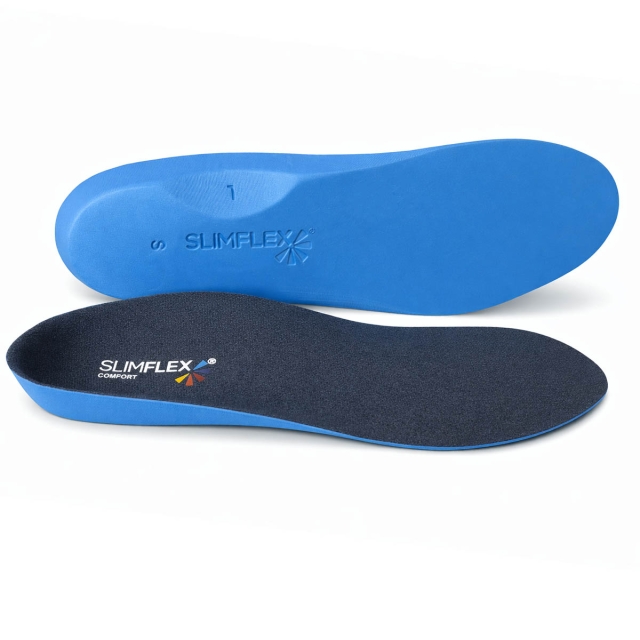
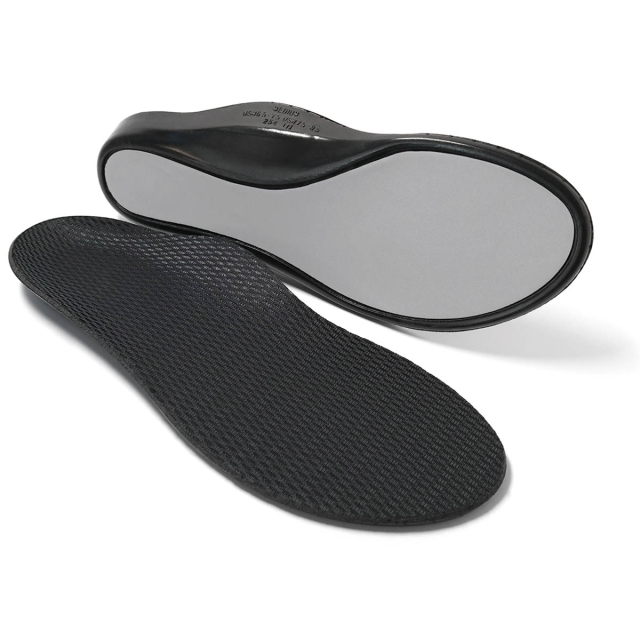
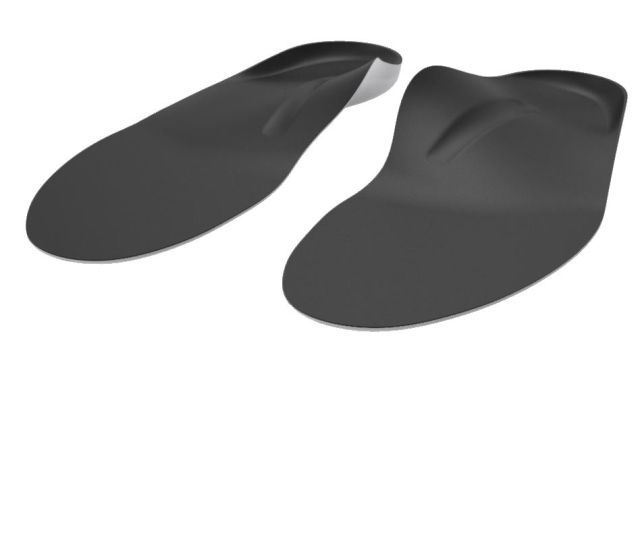
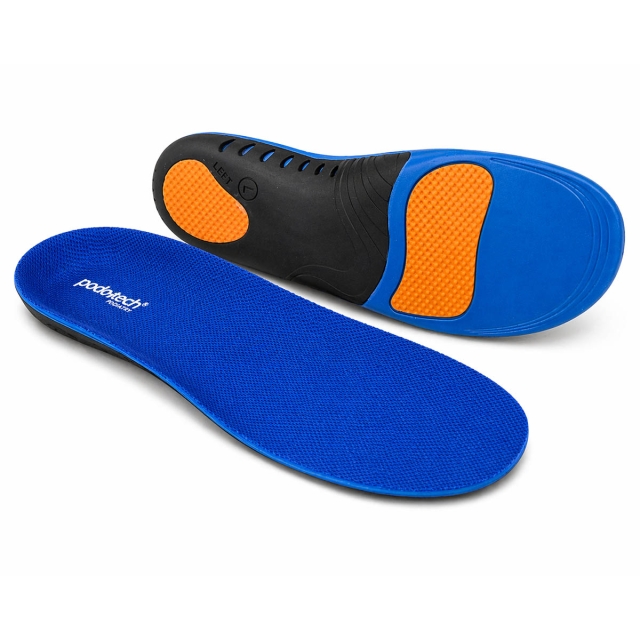
Plantar fascia dominance (pain under heel/arch, worse first steps): night splint + supportive insoles is a common pairing. Browse Algeos plantar fasciitis insoles.
Achilles/calf tightness dominance (tight calf, Achilles soreness): a supportive boot-style option may feel more secure, plus calf stretching tools can help. See Plantar fasciitis exercise aids and options like the Physioworx Stretch Board.
Step 3: Build a simple day + night plan
A smart, realistic routine usually looks like:
- Night: consistent night splint use (start with shorter wear time if needed).
- Day: supportive insoles and sensible footwear (see insole range).
- Day: gentle fascia/calf work using tools like the Spiky Plantar Fasciitis Balls or broader exercise aids.
Tips for getting results (and keeping your sleep intact)
- Start gently: If you’re new to splints, wear it for 1–3 hours before bed for a few nights, then increase toward full night use as tolerated.
- Don’t crank the stretch on night one: Too aggressive can backfire. Progress gradually, especially with adjustable splints.
- Consistency beats intensity: Regular use over weeks usually matters more than 'perfect' dorsiflexion angle.
- Keep daytime load sensible: If you’re doing big steps in unsupportive shoes all day, the splint has a tougher job overnight.
- Use a simple daytime release tool: A massage ball can help, especially for tension management. See Physioworx massage balls.
Frequently Asked Questions
How long should I wear a night splint each night?
Many people aim for 6–8 hours while sleeping. If you’re new, start with shorter periods and build up. The best splint is the one you can wear consistently.
How long does it take to see improvement?
Some users notice improvement in morning pain within 1–2 weeks, but a fair trial is often 4–6 weeks of consistent use. Longer-standing symptoms may take longer and may benefit from a combined plan (splint + insoles + exercises).
Is a night splint better than insoles?
They do different jobs. Insoles help manage load and mechanics during the day (see plantar fasciitis insoles), while night splints help prevent overnight tightening. Many people do best using both.
Can I walk around in a night splint?
Most night splints are not intended for walking. Some boot-style designs have a non-slip sole for minimal ambulation, but you should still keep walking to a minimum and follow the product guidance for your specific model.
Which is better: low-profile or boot-style?
Low-profile is often easier to sleep in and is a great entry option (see Bodytonix Heel Support splint). Boot-style can feel more supportive and may suit people with stronger Achilles/calf tightness (see DARCO Night Splint).
What if the splint makes my foot feel numb or tingly?
That can be a sign it’s too tight or positioned poorly. Loosen straps, check alignment, and reduce wear time while you adapt. If symptoms persist, stop using it and seek clinical advice.
Can a night splint help Achilles tendonitis too?
Yes, many night splints are used for Achilles/calf tightness as well as plantar fascia issues, because dorsiflexion positioning can help maintain length in the calf–Achilles complex. Choose a design that feels stable and tolerable overnight.
Internal links: build a complete plantar fasciitis plan
- Shop all Algeos night splints
- Plantar fasciitis treatments (hub)
- Plantar fasciitis insoles
- Plantar fasciitis exercise aids
- Massage balls for fascia release
- Physioworx Stretch Board
References (research sources)
- BMJ Open Sport & Exercise Medicine: The addition of a tension night splint to a structured home exercise programme for chronic plantar fasciitis (randomised controlled trial)
- Muscles, Ligaments and Tendons Journal: Night Splints in Plantar Fasciitis: A Systematic Review
Notice
This article is for general information and does not replace clinical assessment. If you have severe pain, unexplained swelling, numbness/tingling that persists, diabetes-related foot risk, or symptoms lasting longer than expected, seek advice from a qualified healthcare professional.
Sold: Each
Incl. VAT Exl. VAT