Algeos expands pressure-care portfolio through new Caversham partnership
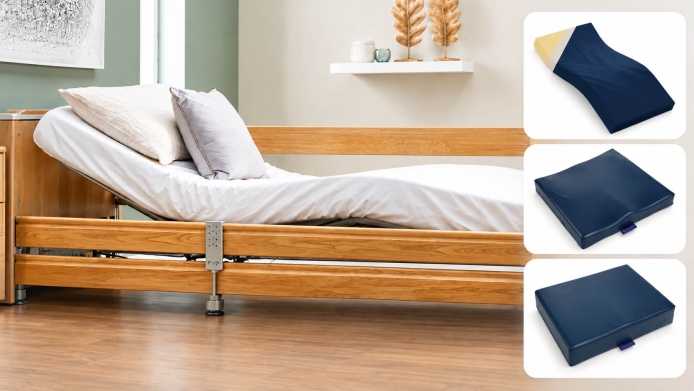
Algeos has expanded its pressure-care portfolio through a new distribution partnership with Caversham®, making four specialist Class I medical devices available to healthcare professionals and care providers across the UK.
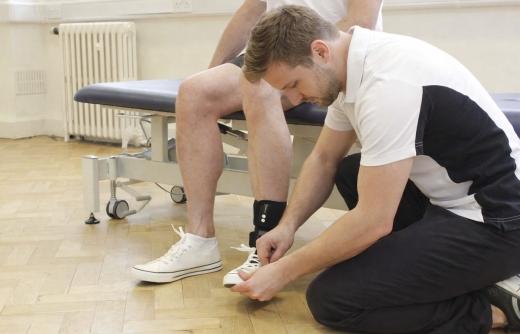
The right choice depends on the level of support needed and the specific condition being treated. Here we offer an overview of the different supports and braces available through Algeos. What they do and when to select.
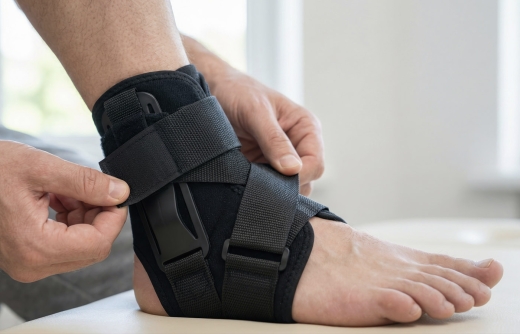
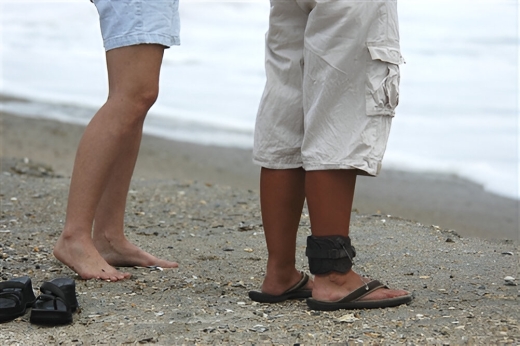
Ankle arthritis can significantly impact mobility, independence, and quality of life. The introduction of a targeted ankle brace designed specifically for arthritis and sport offers clinicians and patients a practical solution to improve stability, reduce pain, and support daily function.
This guide explores how an ankle brace works in arthritis management, who it benefits most, and how to use it effectively in both clinical and home settings.
Foot drop, or drop foot, is a condition that makes it hard for a person to lift the front of their foot, causing problems when walking. It’s not a disease in itself but a sign of an underlying issue, often related to neurological, muscular, or anatomical problems. This article will look at the signs and symptoms of foot drop.
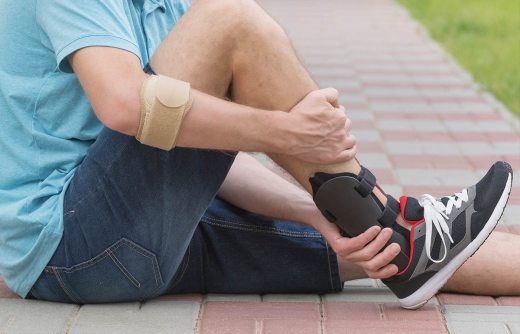
Foot drop can change how safely you walk, especially when toe clearance is reduced in swing phase. This guide reviews five top braces and AFOs available from Algeos and explains how to match device choice to gait goals, footwear and clinical risk.
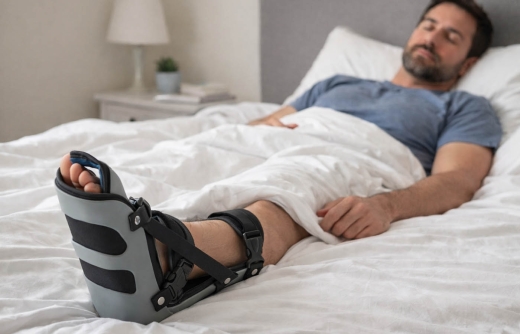
In this guide, we review the core Algeos night splint range, explain who each option is best for, and show how to build a complete home plan using related Algeos Plantar Fasciitis Treatments, Plantar Fasciitis Insoles, and Plantar Fasciitis Exercise Aids.
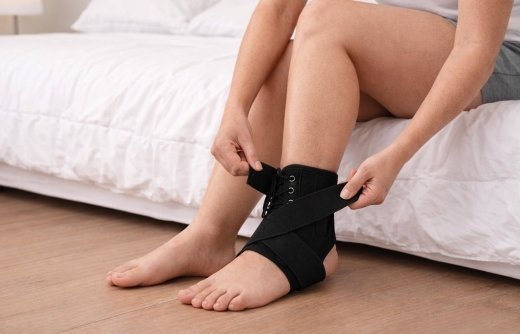
Ankle sprains are a stubborn part of sport. Bracing is one practical way to lower risk and steady confidence while you restore strength and control. This guide explains how ankle braces work, who benefits and how to choose and fit them well.
Contracture management is all about treating and preventing the tightening or shortening of muscles, tendons, or other soft tissues that limit joint movement. These restrictions, known as contractures, can develop over time due to immobility, neurological conditions, or prolonged incorrect positioning - making everyday tasks like walking or dressing difficult or painful.