




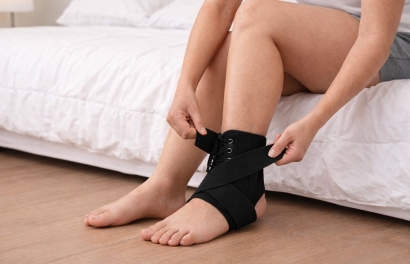
Clinical Support for Pain Relief and Stability
Ankle arthritis can significantly impact mobility, independence, and quality of life. The introduction of a targeted ankle brace designed specifically for arthritis and sport offers clinicians and patients a practical solution to improve stability, reduce pain, and support daily function.
This guide explores how an ankle brace works in arthritis management, who it benefits most, and how to use it effectively in both clinical and home settings.
Definition
Ankle brace for arthritis: A medical-grade orthotic device designed to stabilise the ankle joint, reduce mechanical stress, and alleviate pain associated with osteoarthritis, rheumatoid arthritis, and post-traumatic joint degeneration.
How It Works and Why It Matters
Targeted Compression and Stability
Arthritic ankles often suffer from joint instability, inflammation, and reduced proprioception. A structured ankle brace provides graduated compression that helps control swelling while improving joint awareness. This is particularly valuable in patients with chronic instability or recurrent flare-ups.
Load Redistribution and Pain Reduction
By supporting the ankle joint and limiting excessive motion, the brace redistributes load away from inflamed structures. This reduces pain during weight-bearing activities such as walking or standing. For patients managing arthritis-related foot and ankle pain, this can significantly improve function.
Functional Support for Daily Activities
Unlike rigid immobilisation devices, modern ankle braces are designed to allow controlled movement. This ensures patients maintain mobility while still receiving adequate support. This balance is essential in preventing muscle deconditioning.
Relevance in Clinical Practice
Clinicians frequently encounter patients who are either under-supported or over-reliant on medication. An ankle brace offers a non-invasive, cost-effective adjunct to treatment plans, complementing physiotherapy and orthotic interventions such as foot orthoses.
Risks and Considerations
While generally safe, improper fit or prolonged overuse may lead to muscle dependency or skin irritation. It is essential that the brace is correctly sized and used as part of a broader rehabilitation strategy.
Product Overview
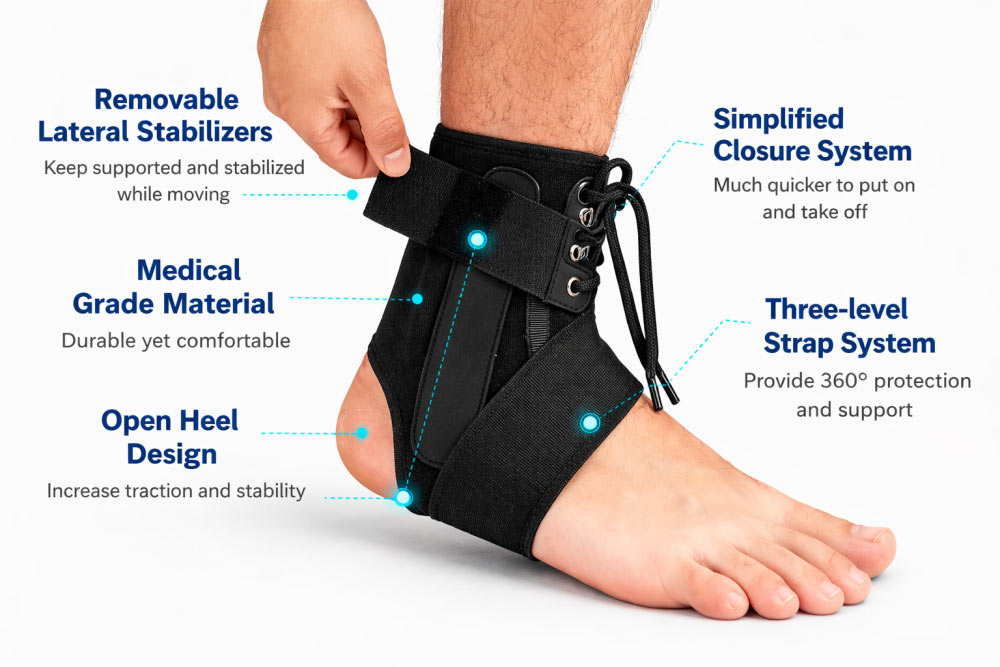
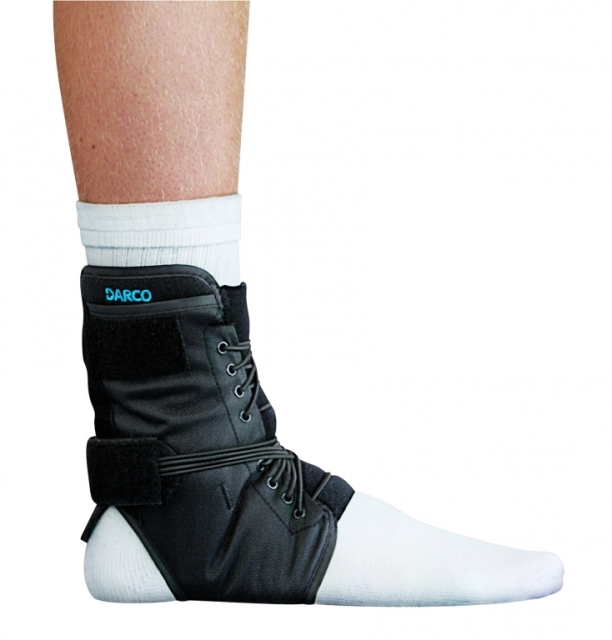
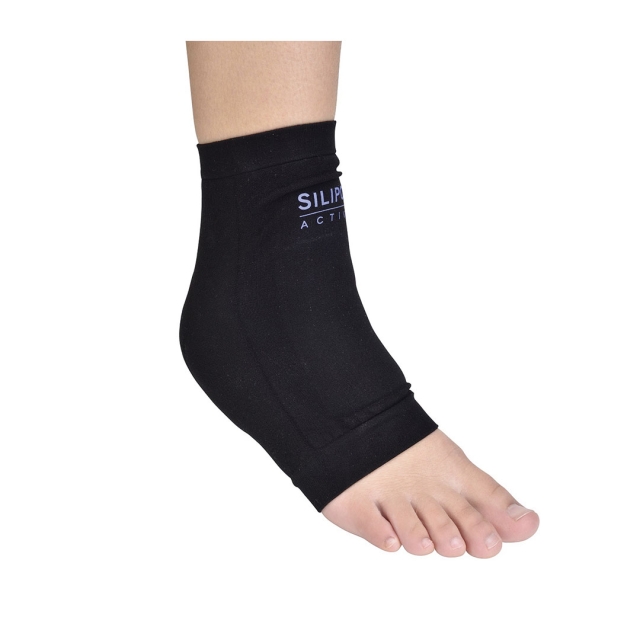
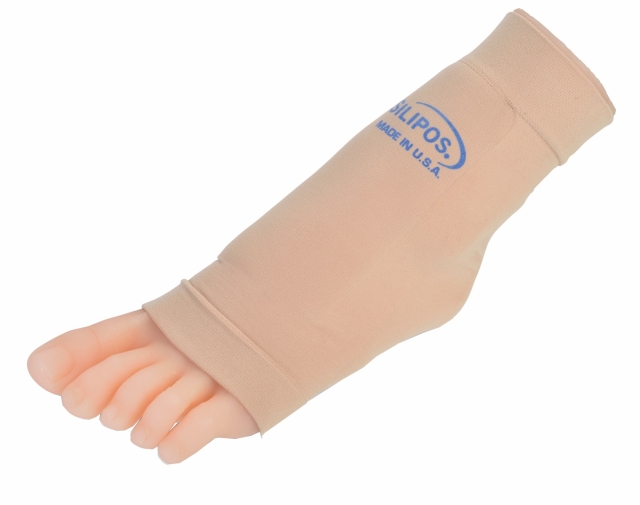
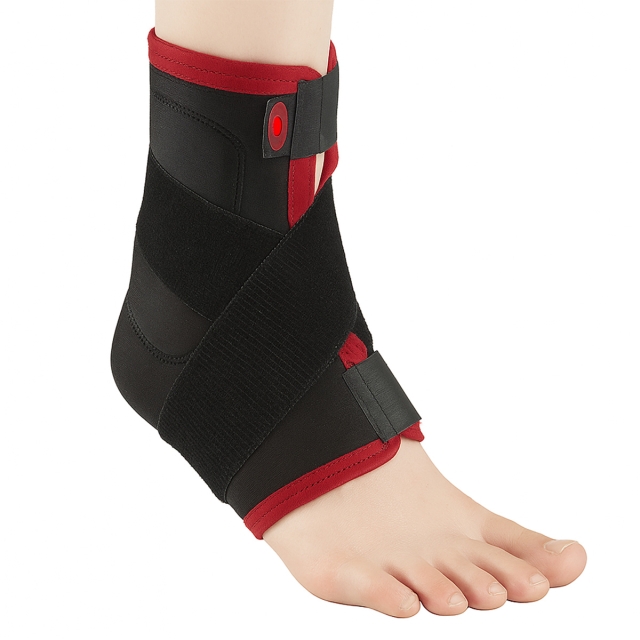
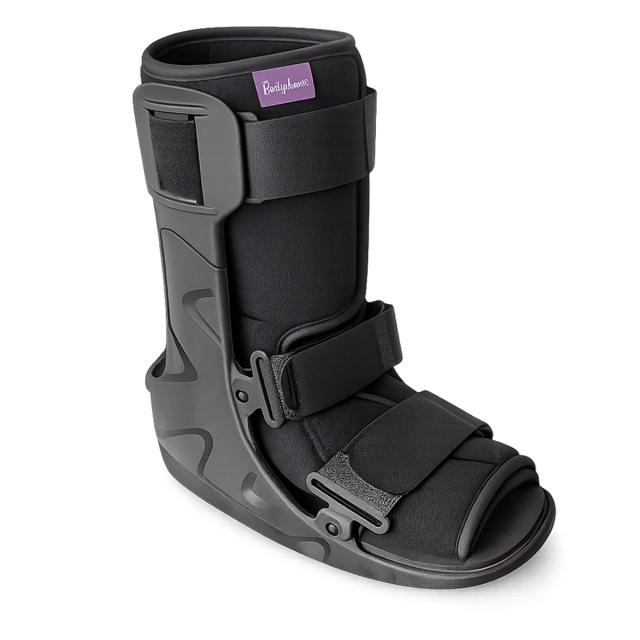
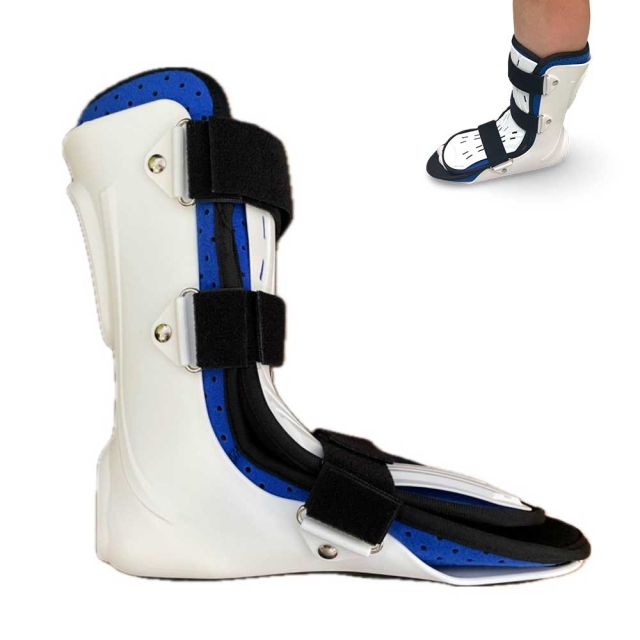
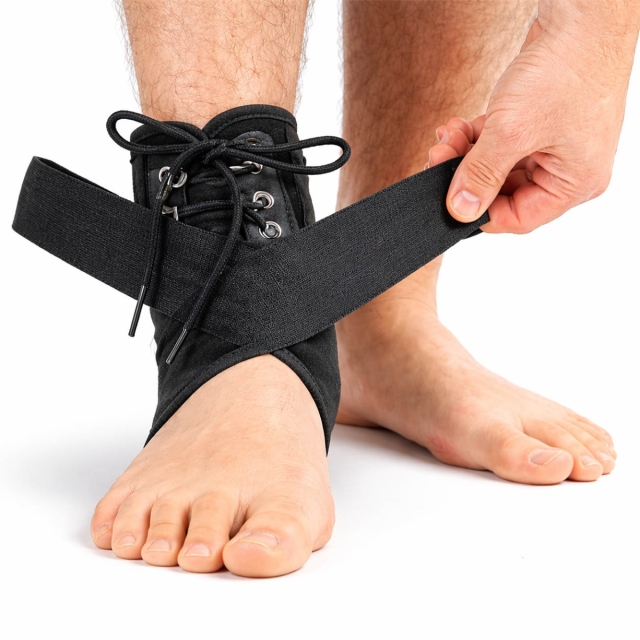
The Ankle Brace for Arthritis and Sport is designed to meet the needs of both clinical patients and active individuals managing joint pain.
- Medical-grade compression for swelling control
- Lightweight and breathable material for all-day wear
- Flexible support structure allowing natural movement
- Suitable for arthritis, sports injuries, and post-rehabilitation
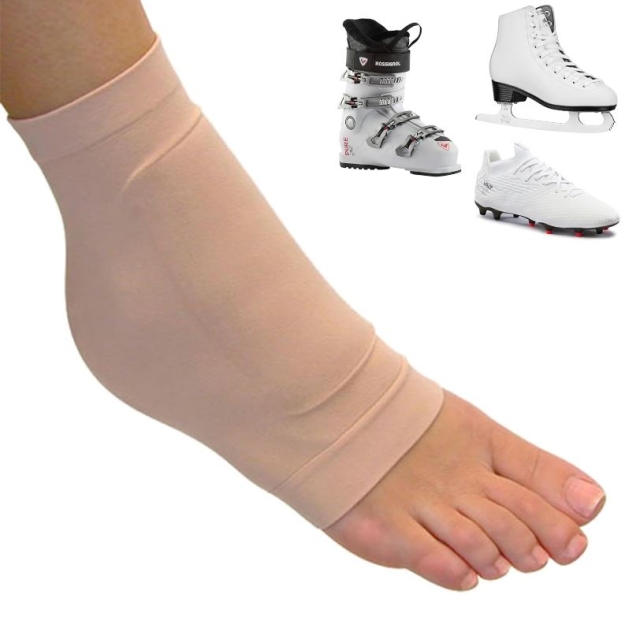
- Discreet design compatible with most footwear
What Users Say
Feedback from both clinicians and patients highlights the practical benefits of consistent ankle support:
- "Patients report reduced pain within days of use, especially during walking."
- "Excellent balance between support and comfort."
- "Ideal for long-term arthritis management without restricting mobility."
- "Useful as part of a broader rehabilitation programme."
Step-by-Step Guide to Using an Ankle Brace
- Select the correct size
Measure the ankle circumference and refer to sizing guidelines to ensure optimal compression and fit. - Apply the brace correctly
Position the brace so that it aligns with the ankle joint, ensuring even compression without excessive tightness. - Wear during activity
Use the brace during weight-bearing activities such as walking, exercise, or prolonged standing. - Monitor skin and comfort
Check regularly for signs of irritation or pressure points, especially in patients with sensitive skin. - Integrate with rehabilitation
Combine brace use with strengthening exercises and physiotherapy for optimal outcomes.
Comparison Table
| Feature | Ankle Brace for Arthritis | Elastic Support Sleeve | Rigid Ankle Support |
|---|---|---|---|
| Compression | Moderate to high | Low | Minimal |
| Stability | Targeted support | Limited | High restriction |
| Mobility | Maintained | Fully maintained | Restricted |
| Comfort for daily wear | High | High | Moderate |
| Clinical suitability | Arthritis and rehab | Mild support | Acute injury |
FAQ
1. Can an ankle brace help with arthritis pain?
Yes, by stabilising the joint and reducing mechanical stress, ankle braces can significantly reduce pain during movement.
2. Should I wear the brace all day?
It is generally recommended during activity rather than continuous use, unless advised by a clinician.
3. Is this suitable for rheumatoid arthritis?
Yes, it can support joint stability and reduce inflammation-related discomfort in rheumatoid arthritis.
4. Can I wear it with shoes?
The low-profile design allows it to be worn comfortably inside most footwear.
5. Will it weaken my ankle muscles?
Not if used appropriately alongside strengthening exercises. Over-reliance without rehabilitation may lead to weakness.
6. How do I clean the brace?
Hand wash with mild detergent and air dry to maintain elasticity and hygiene.
References and Research
Ankle Braces at Algeos
Author
Marc Cameron
Clinical Director, Algeos
Marc Cameron has extensive experience in lower limb biomechanics and orthotic therapy. He works closely with clinicians to develop practical solutions that improve patient outcomes in musculoskeletal care.
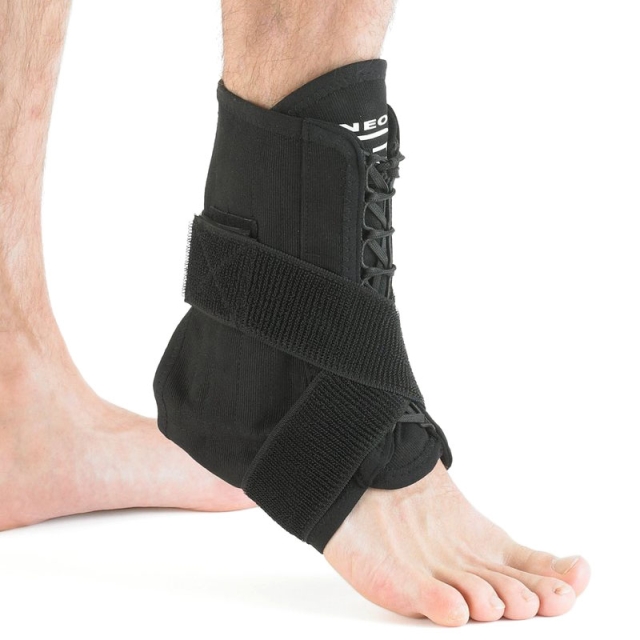
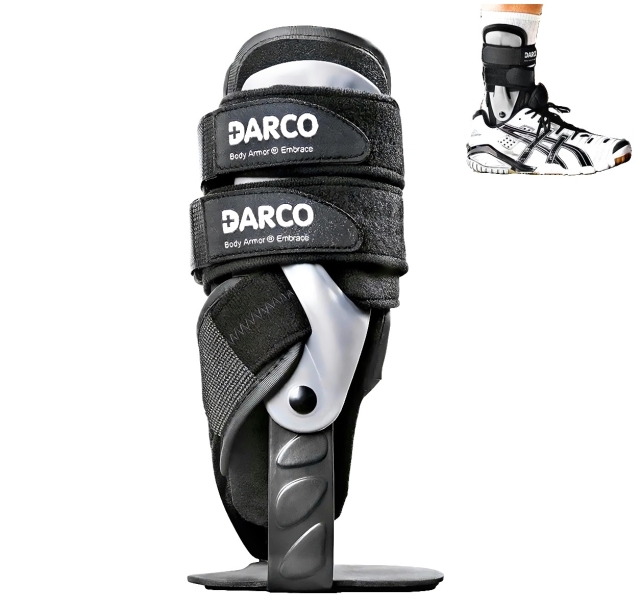
Sold: Each
Incl. VAT Exl. VAT