





Our feet endure a lot of stress daily, from walking and running to standing for long periods. This constant use can lead to dry, cracked and calloused skin.
Here's everything you need to know about foot creams and how to choose the best one for your needs.
Cream for feet
Foot creams are specially formulated to tackle the unique challenges our feet face. Unlike regular body lotions, foot creams contain ingredients that penetrate the thicker skin on our feet, providing deeper hydration and healing. They can help:
- Moisturise Dry Skin: Foot creams contain humectants like glycerine and urea, which attract moisture to the skin, and emollients like shea butter and lanolin, which lock in moisture.
- Heal Cracked Heels: Ingredients like salicylic acid and lactic acid exfoliate dead skin cells, promoting the healing of cracked heels.
- Soften Calluses: Urea and alpha hydroxy acids (AHAs) help to soften and reduce the appearance of calluses.
- Soothe Sore Feet: Some foot creams include menthol or eucalyptus oil, which provide a cooling sensation and relieve soreness.
Top ingredients to look for
When shopping for a foot cream, consider the following key ingredients:
- Urea: A powerful humectant that attracts moisture and softens the skin.
- Salicylic Acid: An exfoliant that helps remove dead skin cells.
- Shea Butter: An emollient that deeply moisturises and nourishes the skin.
- Lactic Acid: An AHA that exfoliates and hydrates.
- Menthol: Provides a cooling effect and soothes tired feet.
How to use Foot Creams properly
For the best results, follow these steps:
- Clean Your Feet: Wash your feet with warm water and mild soap to remove dirt and sweat.
- Exfoliate: Use a pumice stone or foot scrub to remove dead skin cells.
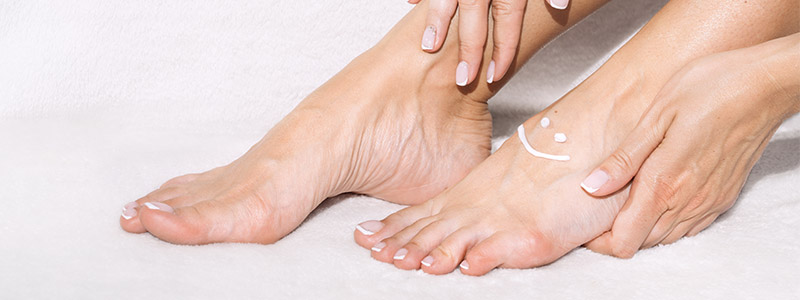
- Apply Foot Cream: Massage the cream into your feet, focusing on dry and cracked areas.
- Wear Socks: Put on a pair of cotton socks to help the cream absorb better and keep your feet moisturised overnight.
Foot creams are a vital part of foot care, helping to keep your feet soft, smooth, and healthy. By choosing the right foot cream and using it regularly, you can prevent and treat common foot problems, ensuring your feet stay in top condition.
Frequently Asked Questions
1. Are foot creams safe to use on sensitive skin?
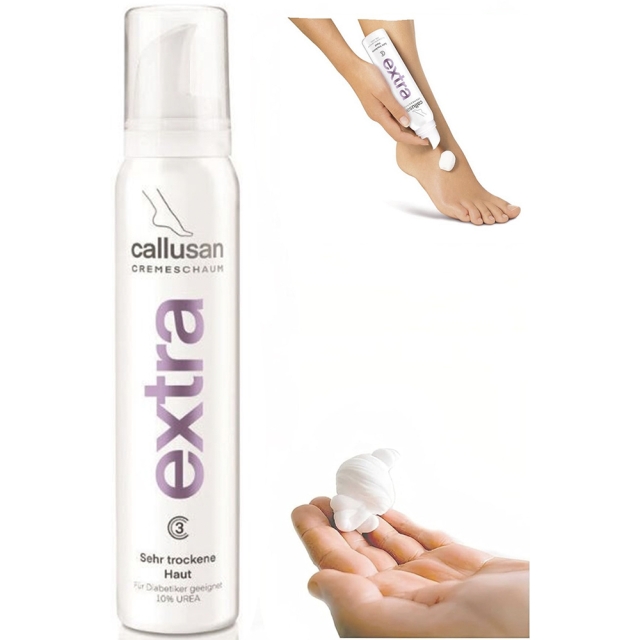
Yes. Many foot creams in this range are suitable for sensitive skin. Options such as Callusan EXTRA are commonly chosen for delicate, easily irritated, or diabetes-prone skin because they hydrate deeply while helping to minimise irritation.
2. How often should I apply foot cream for best results?
For most people, once daily application works well. Apply after washing and thoroughly drying your feet to help lock in moisture. If your skin is very dry, you may benefit from applying twice daily (morning and evening) until the skin condition improves.
3. Do foot creams leave a greasy residue on the skin?
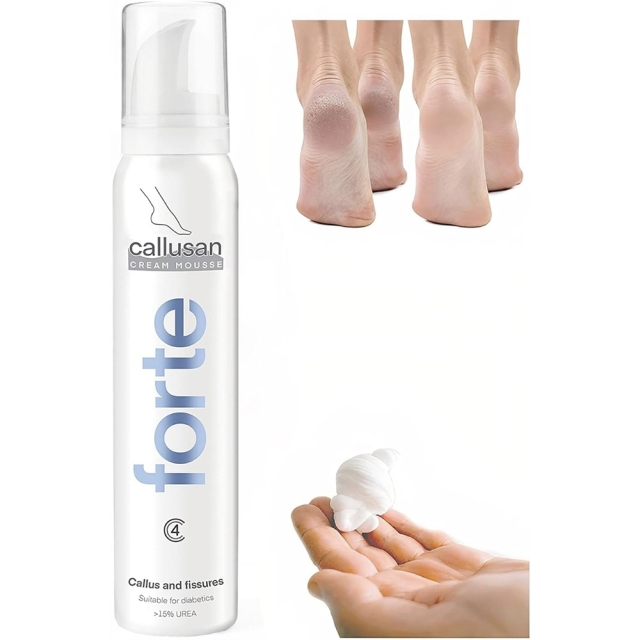
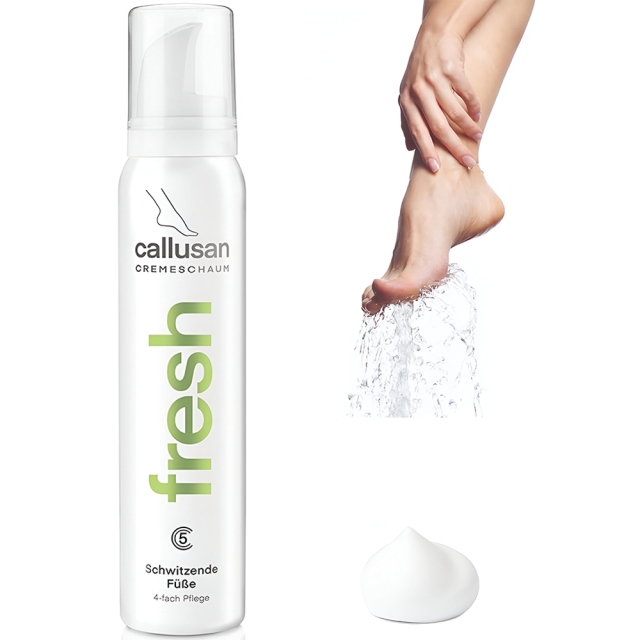
Not always. Many products, including mousse-based formulas like the Callusan range, absorb quickly and are designed to feel lightweight on the skin. This makes them a good option for everyday use when you want hydration without a slippery or oily finish.
4. Which foot cream is best for cracked heels?
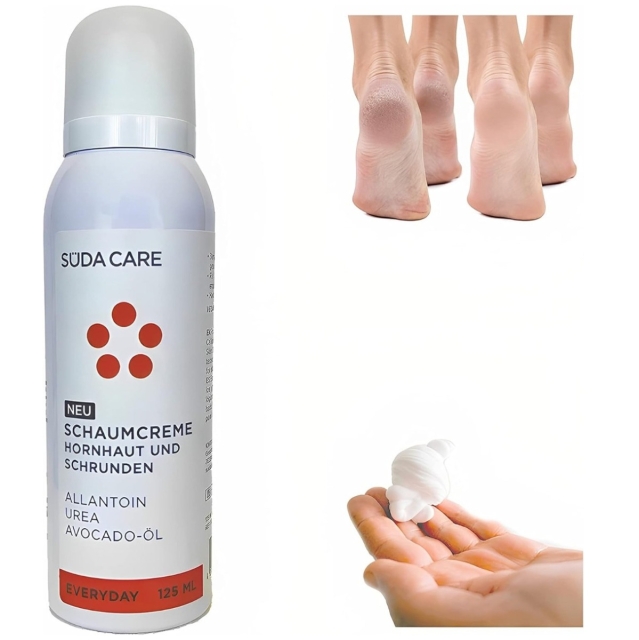
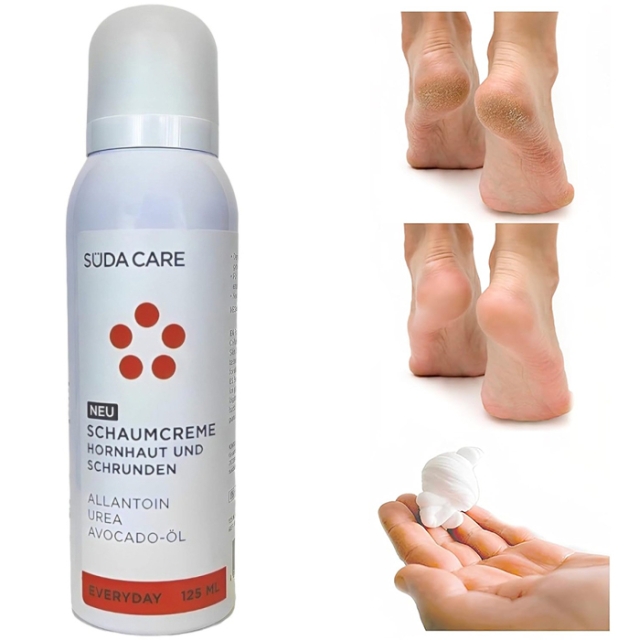
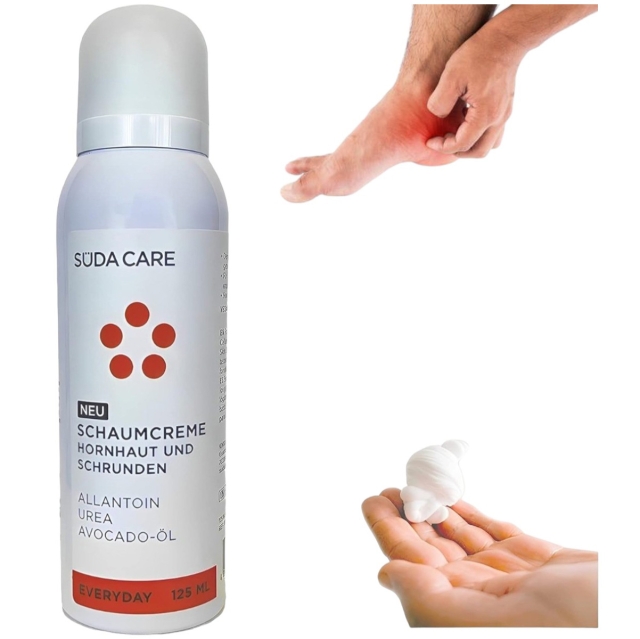
Cracked heels usually respond best to richer, targeted formulations. Products such as Flexitol Intensely Nourishing Cream and SUDA CARE are commonly used to soften thick, dry skin and support visible improvement when applied consistently. For best outcomes, apply daily and focus on the heel area.
5. Are these foot creams suitable for diabetic foot care?
Yes, selected products are appropriate for diabetic foot care. Callusan EXTRA, for example, is formulated to support skin hydration and comfort for people living with diabetes. If you have diabetes, it’s important to check feet daily and follow clinician guidance, particularly if there are any breaks in the skin.
6. Should I use a urea foot cream, and what does urea do?
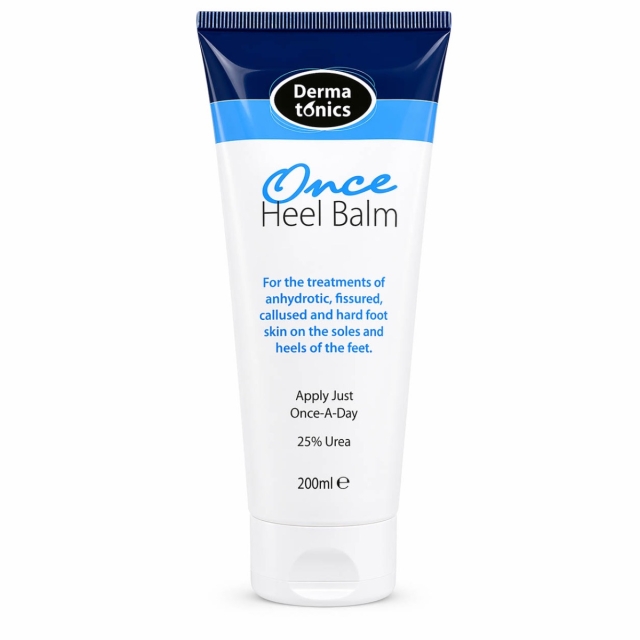
Urea is a common ingredient in foot creams used for dry, rough, or thickened skin. It helps attract and retain moisture and can also support gentle softening of hard skin over time.
A urea-based foot cream can be a good choice if you struggle with persistent dryness or callused areas.
7. Can I use foot cream on fungal skin problems or athlete’s foot?
A moisturising foot cream can help relieve dryness, but it will not treat a fungal infection on its own. If you suspect athlete’s foot (itching, peeling, redness, or cracking between the toes), use an appropriate antifungal treatment and keep the area clean and dry.
You can still moisturise dry areas of the foot, but avoid applying rich cream between the toes unless advised by a clinician.

Sold: 125ml
Incl. VAT Exl. VAT