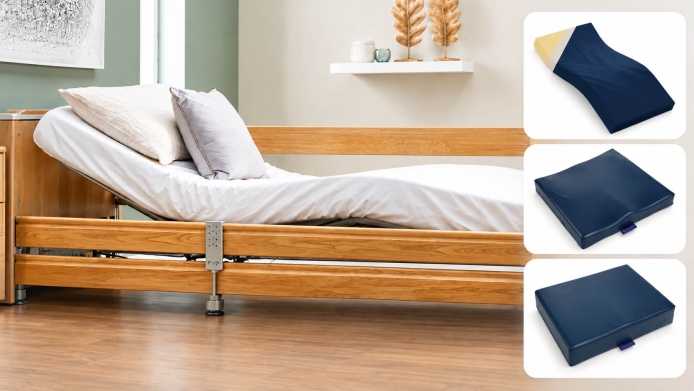
Algeos expands pressure-care portfolio through new Caversham partnership
Algeos has expanded its pressure-care portfolio through a new distribution partnership with Caversham®, making four specialist Class I medical devices available to healthcare professionals and care providers across the UK.
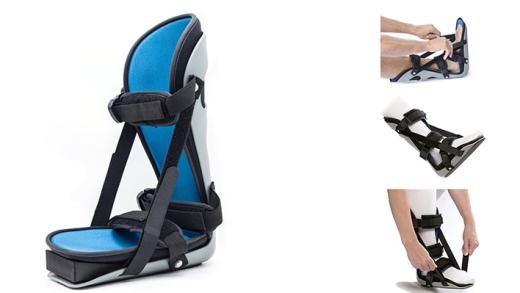
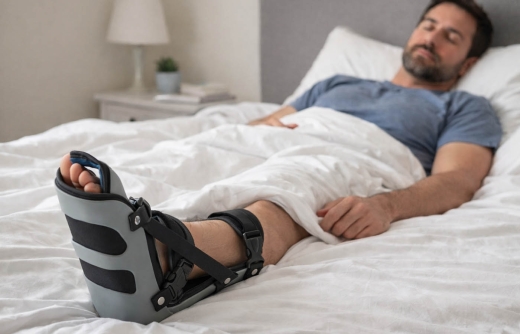
Plantar fasciitis is one of the most common causes of heel pain, affecting both active individuals and those who spend a lot of time on their feet. It is characterised by inflammation of the plantar fascia, a thick band of tissue that runs along the bottom of your foot, connecting your heel bone to your toes. This condition can cause significant discomfort, especially during the first few steps in the morning or after periods of rest. Fortunately, there are effective treatment options available, and one of the most effective, yet often overlooked, is the use of night splints.
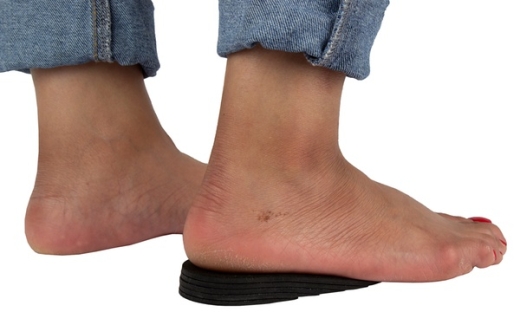
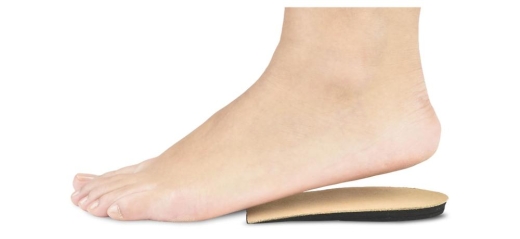
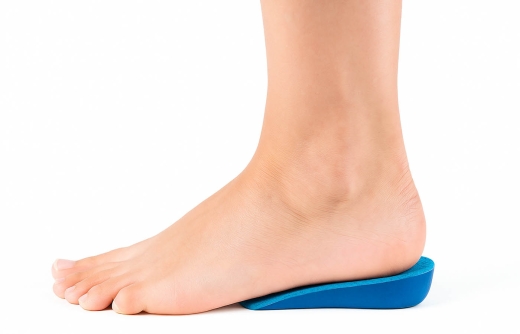
This article is intended to give an overview of the different types of in-shoe orthotic heel inserts available and their strengths and shortcomings, and to assist you in choosing appropriate heel lift product
Achilles tendonitis is typically managed rather than 'cured'. The goal of treatment is to reduce pain, inflammation and promote the healing of the Achilles tendon.
In this guide, we review the core Algeos night splint range, explain who each option is best for, and show how to build a complete home plan using related Algeos Plantar Fasciitis Treatments, Plantar Fasciitis Insoles, and Plantar Fasciitis Exercise Aids.
Heel lifts are more than just shoe accessories. They serve a crucial role in addressing various lower limb issues. From correcting leg length discrepancies to alleviating hip pain, these inserts can be a game-changer. They can even aid in the recovery of conditions like Achilles tendonitis.
But how do they work? And how can you choose and use them effectively?
Heel lifts are simple inserts that sit under the heel inside the shoe. Used well they can reduce painful tendon load in Achilles tendinopathy and buy time for strengthening to do its work.
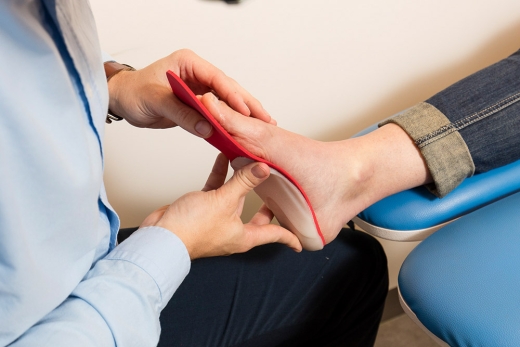
The NHS provides access to foot orthotics for those with medically diagnosed foot problems. However, the process can take time due to waiting lists and the need for assessment by a healthcare professional.
Orthotic components are essential in addressing a range of foot-related issues. Whether you're a podiatrist, physiotherapist, or simply someone seeking relief from foot pain, these additions allow for targeted support, realignment, and cushioning.
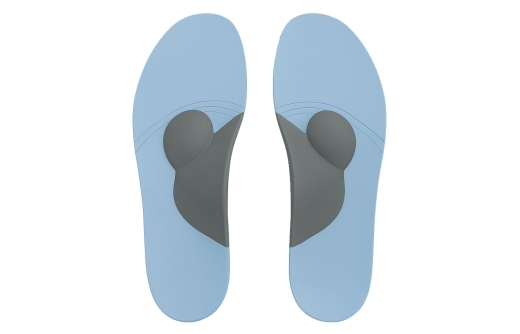
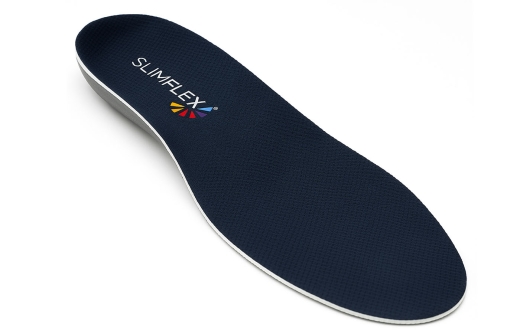
Orthotic insoles are more than just extra cushioning for your shoes - they’re a simple but powerful tool used by podiatrists, physiotherapists and other healthcare professionals to support proper foot function and reduce pain.
Chronic back pain is surprisingly common, with up to 23% of the world's population living with it currently. Did you know, however, that your foot health and poisitioning may be responsible? Read our latest blog to find out more...
If you have Achilles tendonitis you will experience discomfort at the back of the leg which consists of a burning, shooting, or piercing pain due to the inflammation or degeneration of the Achilles tendon.