




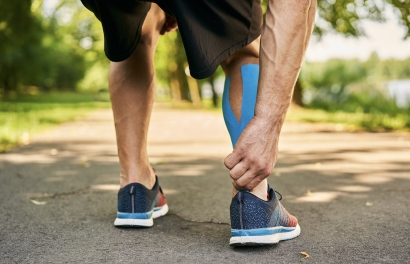
Can Achilles Tendonitis Be Cured?
Achilles tendonitis is usually managed rather than instantly cured. The main aim of treatment is to reduce pain, calm inflammation, improve tendon healing, and lower the risk of the problem becoming long-term. With the right combination of rest, support, rehabilitation, and footwear changes, many people recover well and return to normal activity over time.
Recovery can take anywhere from a few weeks to several months depending on the severity of the condition, how early treatment begins, and how closely the treatment plan is followed.
Common Treatments for Achilles Tendonitis
- Rest and Activity Modification
Rest is one of the most important parts of recovery. Activities that increase pain or place repeated strain on the Achilles tendon, such as running, jumping, or prolonged walking on hard surfaces, should be reduced or avoided while the tendon settles.
- Ice Therapy
Applying ice to the painful area for 15 to 20 minutes several times a day may help reduce pain and swelling, especially after activity.
- Pain Relief and Anti-Inflammatory Medication
Non-steroidal anti-inflammatory drugs (NSAIDs), such as ibuprofen or naproxen, may help reduce pain and inflammation in the short term. These should be used with guidance from a healthcare professional, particularly if you have other medical conditions or take regular medication.
- Physiotherapy
A physiotherapist can assess the cause of the problem and provide a treatment plan that may include stretching, strengthening, calf-loading exercises, and advice on returning to activity safely. In many cases, guided rehabilitation is one of the most effective ways to manage Achilles tendon pain.
- Orthotic Insoles
Custom or off-the-shelf orthotic shoe insoles can help improve foot function, support the arch, and reduce excessive strain on the tendon. They can be particularly helpful where poor biomechanics are contributing to the problem.
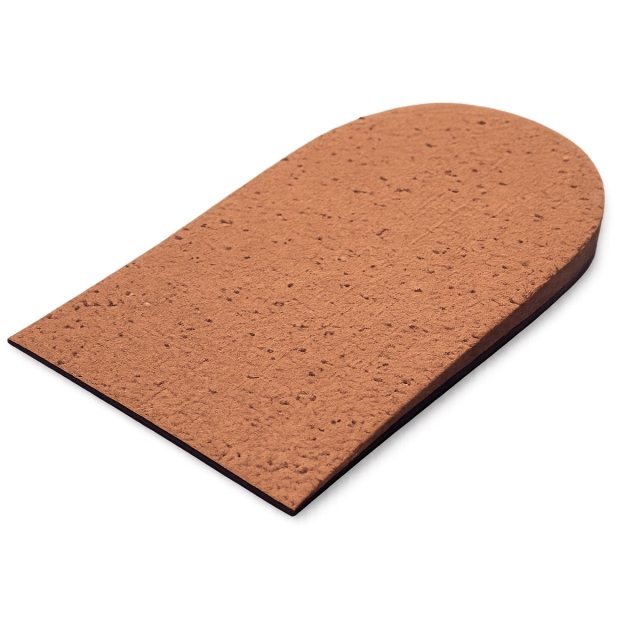
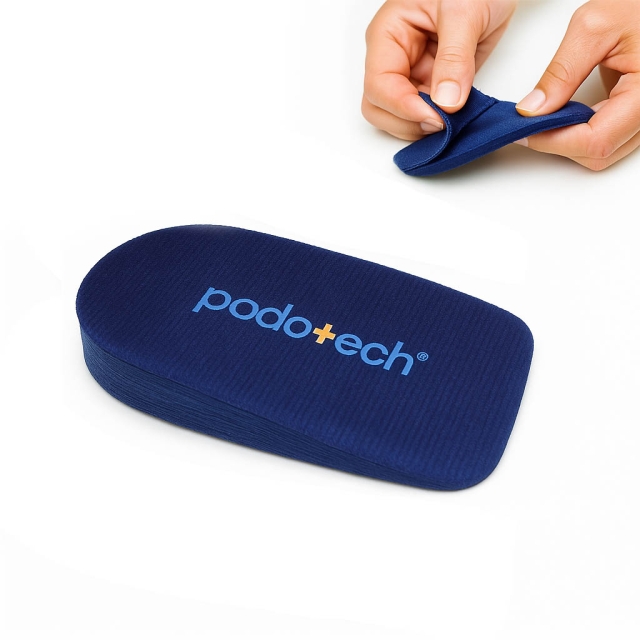
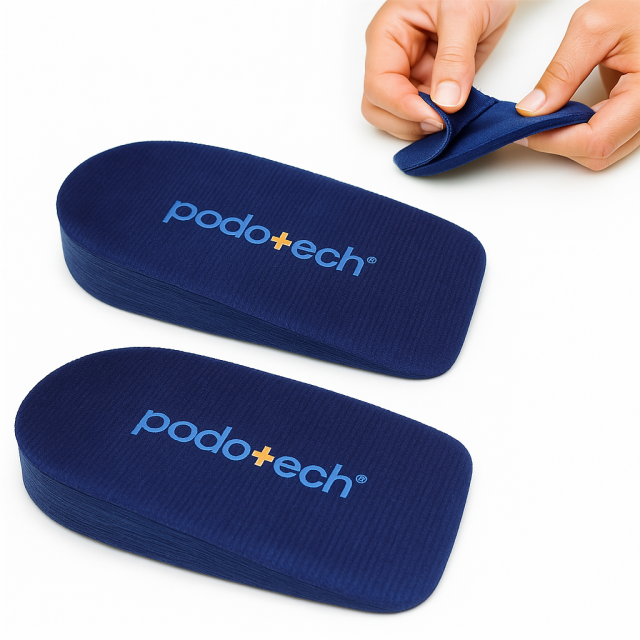
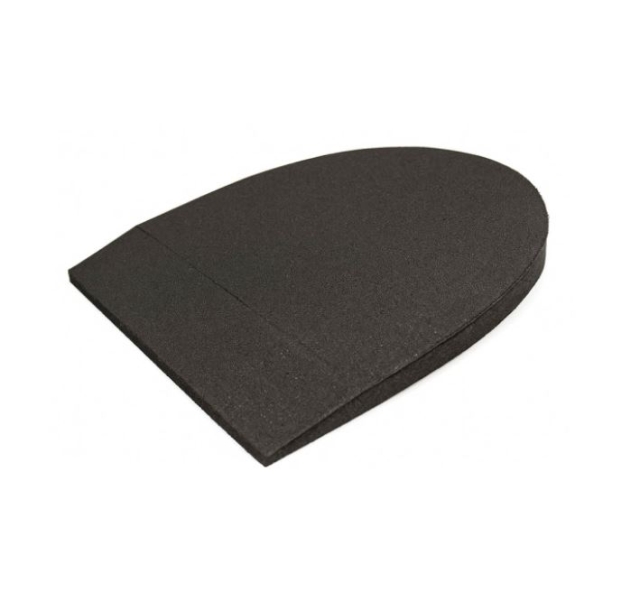
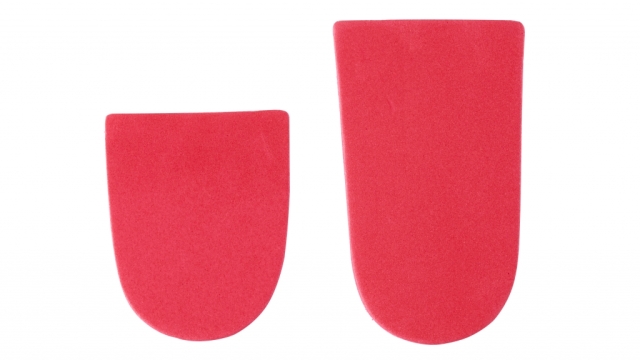
- Heel Lifts
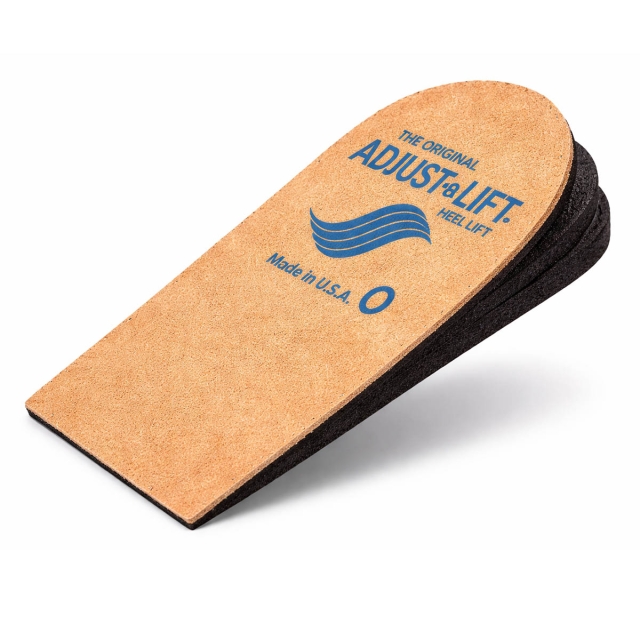
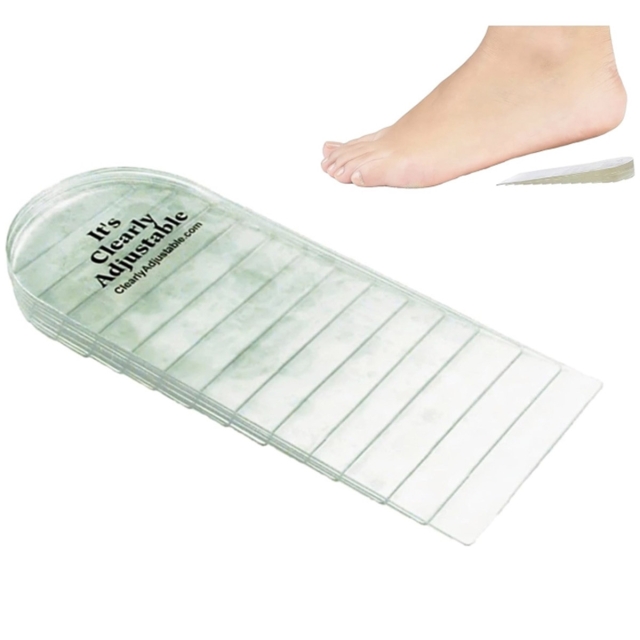
Heel lifts and heel raises can reduce the stretch placed on the Achilles tendon by slightly elevating the heel. This may provide relief during walking and standing. For best results, they should be selected or adjusted to suit the individual.
- Supportive Footwear
Shoes with good cushioning, stable heel support, and appropriate arch support can make a big difference. Unsupportive footwear, worn-out trainers, and very flat shoes may all aggravate symptoms.
- Night Splints
A night splint may help keep the calf and Achilles tendon in a more stretched position overnight, which can reduce morning stiffness in some cases.
- Bracing or Immobilisation
In more severe cases, a healthcare professional may recommend temporary bracing or immobilisation to allow the tendon time to calm down and recover.
- Shockwave Therapy
Extracorporeal shockwave therapy (ESWT) is a non-invasive treatment sometimes used for persistent Achilles pain. It works by delivering sound waves to the affected area to stimulate healing.
- Injection-Based Treatments
Some cases may be assessed for treatments such as platelet-rich plasma (PRP). Corticosteroid injections are used more cautiously around the Achilles tendon because of the potential risk of weakening the tissue. These options should always be discussed with a qualified clinician.
- Surgery
Surgery is rarely the first option. It may only be considered if symptoms do not improve with conservative treatment or if there is significant tendon damage.
Early treatment usually gives the best results. If Achilles pain is ignored, it can become more stubborn and may increase the risk of long-term degeneration or even tendon rupture.
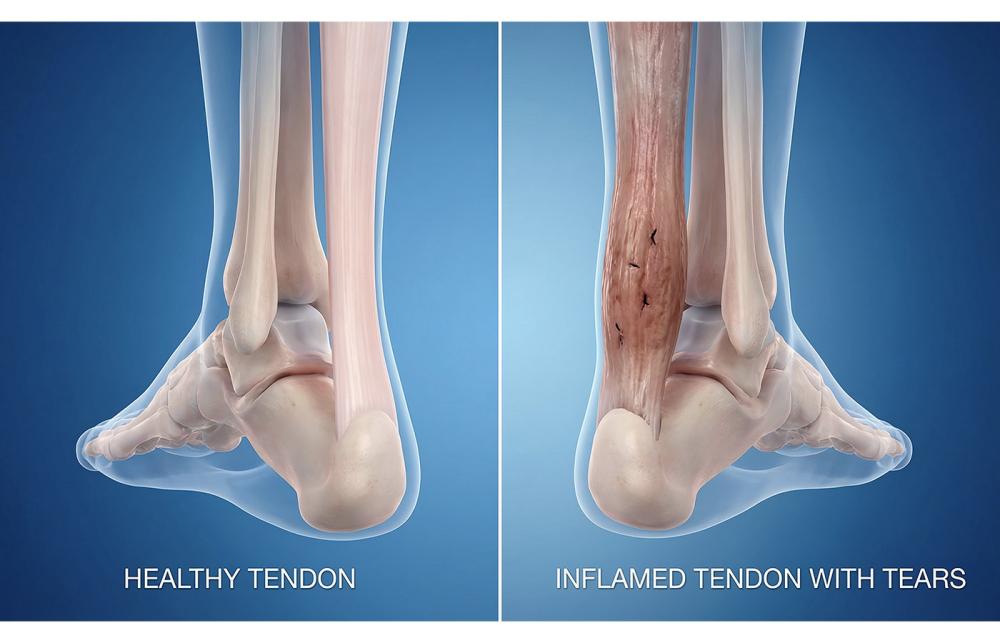
How Can Insoles Help with Achilles Tendonitis?
Orthotic insoles can play a useful role in the management of Achilles tendonitis, particularly when foot mechanics are contributing to tendon overload. They are not a magic fix, but they can make walking more comfortable and reduce the stress placed on the tendon during recovery.
1. Reducing Strain on the Achilles Tendon
Orthotic insoles help improve alignment through the foot and ankle. By supporting the arch and improving the way the foot moves, they can reduce excessive pronation or supination, both of which may increase stress on the Achilles tendon.
2. Heel Elevation for Tendon Relief
Many insoles designed for Achilles pain include a slight heel raise. This small lift can reduce the amount of stretch placed on the tendon during walking and standing, which may help relieve discomfort and support recovery. Products such as heel lifts and cushioned heel pads are often used for this purpose.
3. Shock Absorption
Every step sends impact forces through the heel and lower leg. Insoles with cushioning and shock-absorbing materials can help reduce these forces, which may be especially helpful when the tendon is sore near its insertion at the back of the heel.
4. Improved Foot Function
Flat feet, high arches, and poor lower limb mechanics can all contribute to Achilles tendon problems. Insoles can help address these structural issues by improving foot function and distributing pressure more evenly. Over time, this may reduce repeated irritation of the tendon.
5. Better Comfort During Recovery
Comfort matters when you are trying to stay mobile without making symptoms worse. Well-fitted insoles can make everyday activities more manageable by reducing pressure on sensitive areas and helping the foot feel more supported throughout the day.
When to Seek Professional Advice
If pain is severe, worsening, or not improving after a short period of rest and self-care, it is best to seek advice from a podiatrist, physiotherapist, or GP. You should also seek urgent assessment if you feel a sudden snap in the back of the ankle, cannot push off properly, or suspect a tendon rupture.
Final Thoughts
Achilles tendonitis is a common overuse injury, but it often responds well to early and consistent treatment. Rest, physiotherapy, supportive footwear, heel lifts, and orthotic insoles can all help reduce pain and improve recovery.
The key is not to try and 'push through it' like a weekend warrior with something to prove. Tendons are stubborn little things, and they usually respond best to patience, support, and a sensible treatment plan.
Looking for Algeos Podiatry Supplies? Buy Algeos Podiatry Products here →
Sold: Single lift
Incl. VAT Exl. VAT