




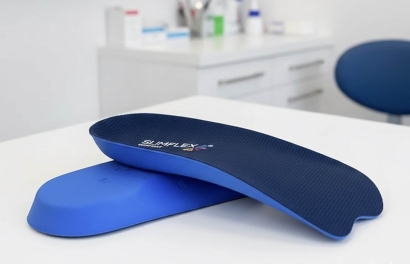
Slimflex Comfort orthotic insoles are widely used across the NHS and are now popular in UK retail. This guide explains why they are so frequently prescribed, how they work, and how they compare with other insoles.
Introduction
Slimflex Comfort orthotic insoles, manufactured by Algeos in the UK, occupy a unique position in the orthotics landscape. They sit between basic comfort inserts and fully custom orthoses, offering clinical level support in a format that is affordable and easy to access.
For clinicians, such as Podiatrists, Slimflex Comfort offers a modifiable platform that can be adapted in minutes for a wide range of patients. For consumers, it offers structured support that has already been tested in busy NHS settings.
Understanding why this model is so widely used can help practitioners, patients and purchasers make informed decisions.
Definition box
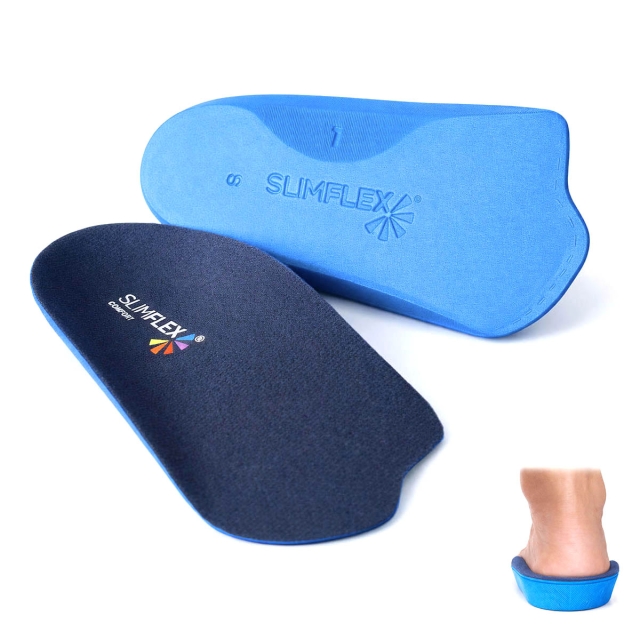
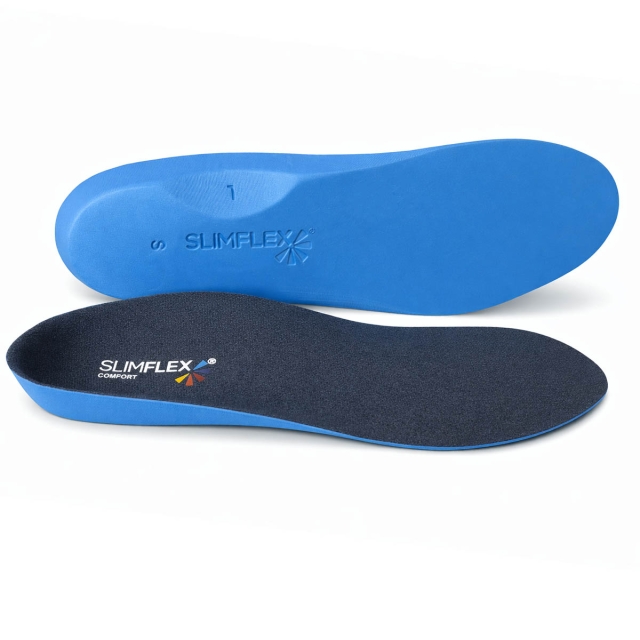
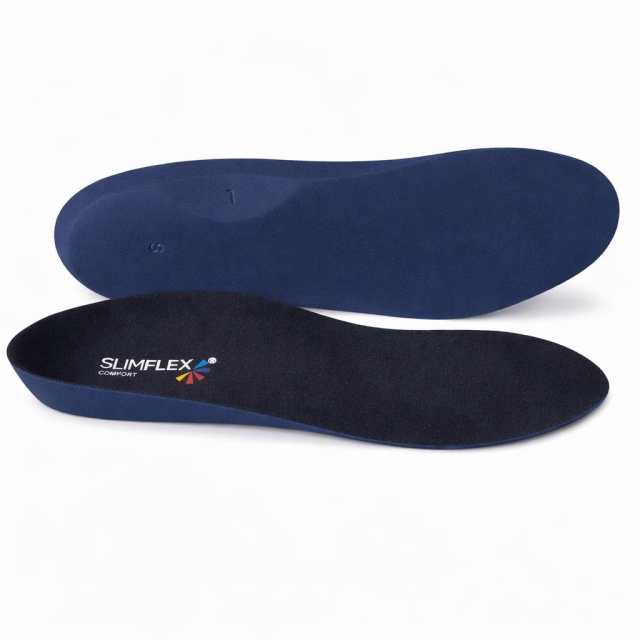
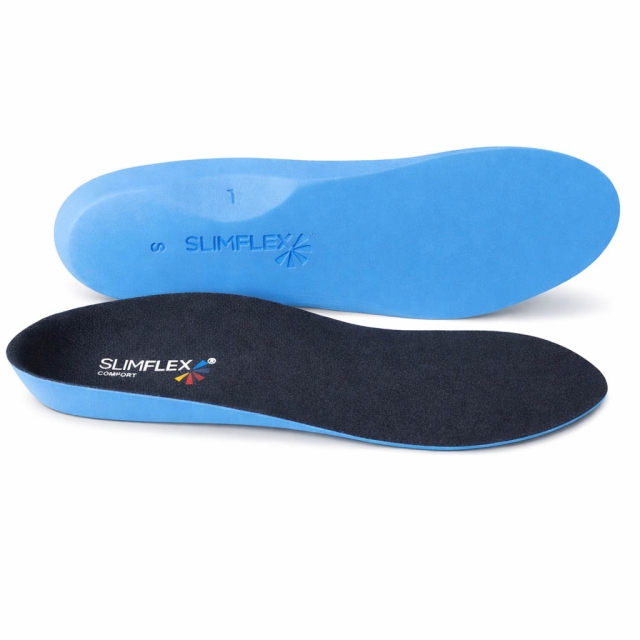
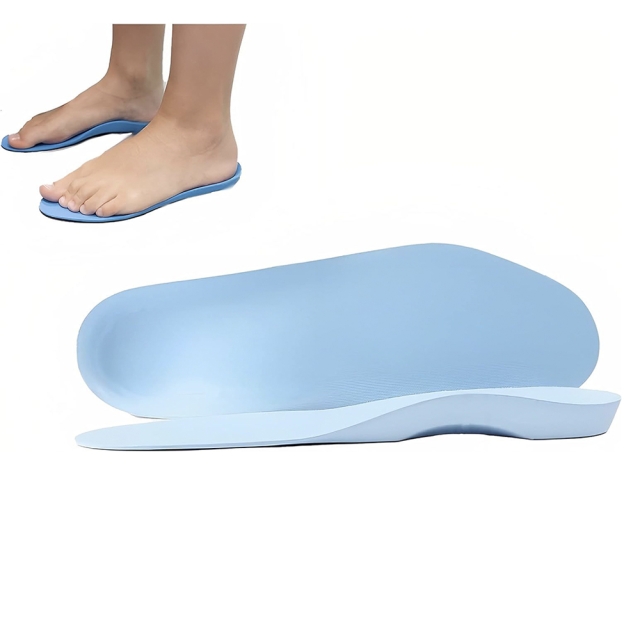
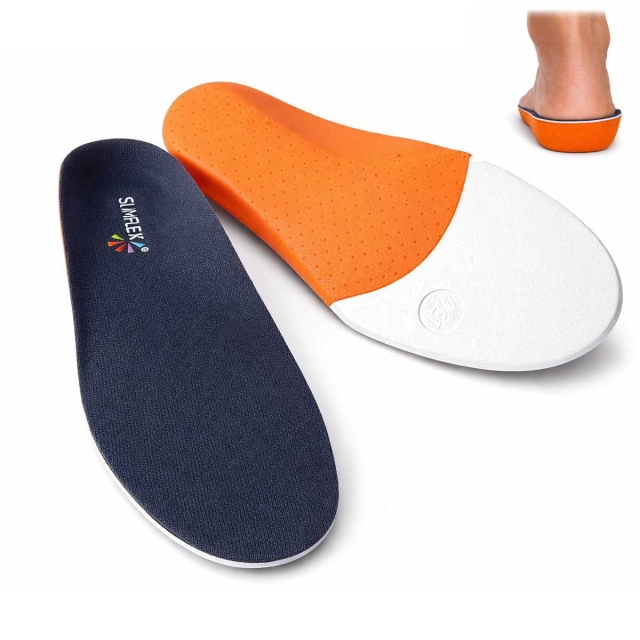
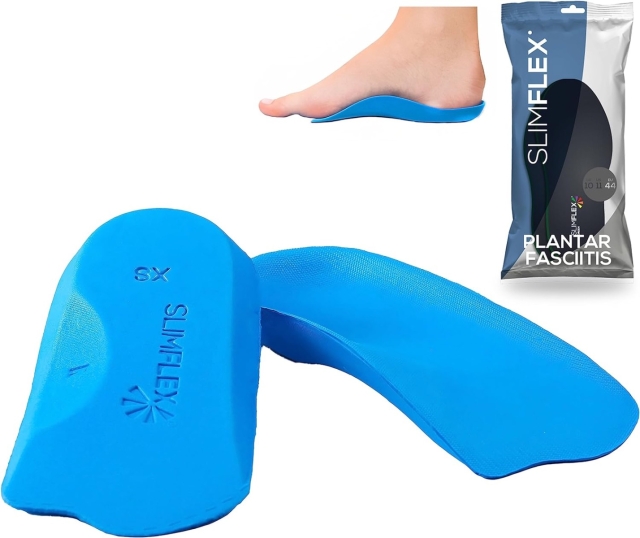
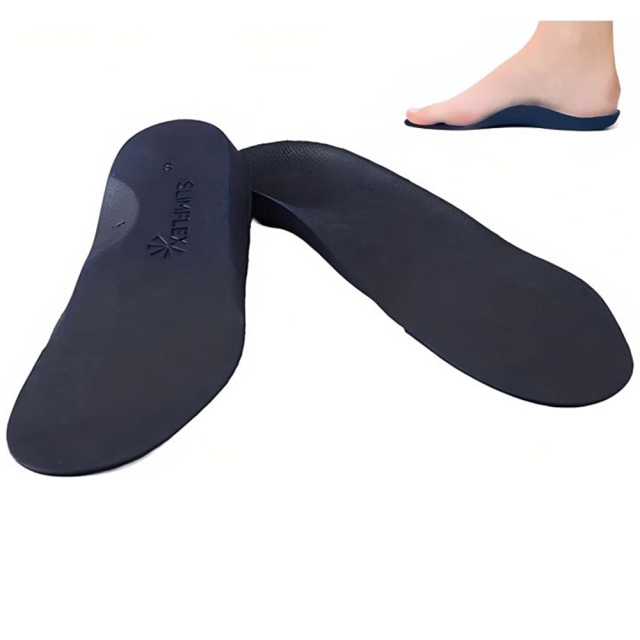
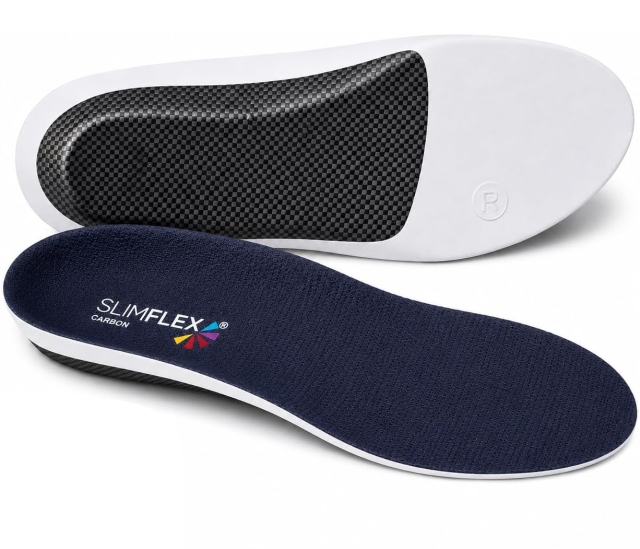
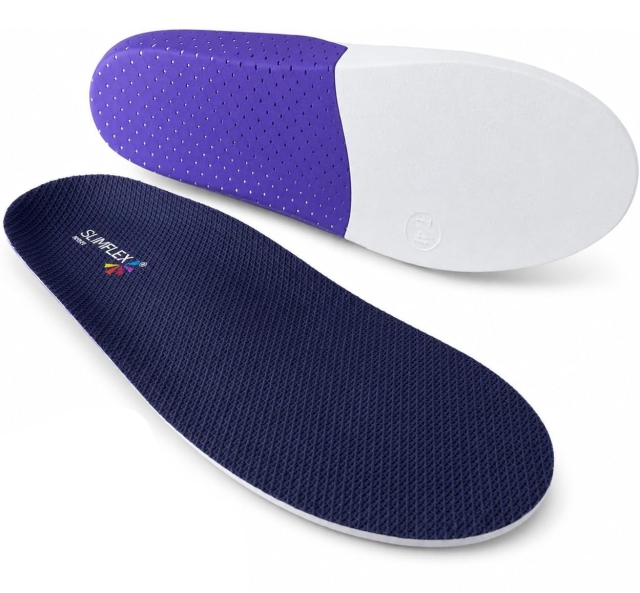
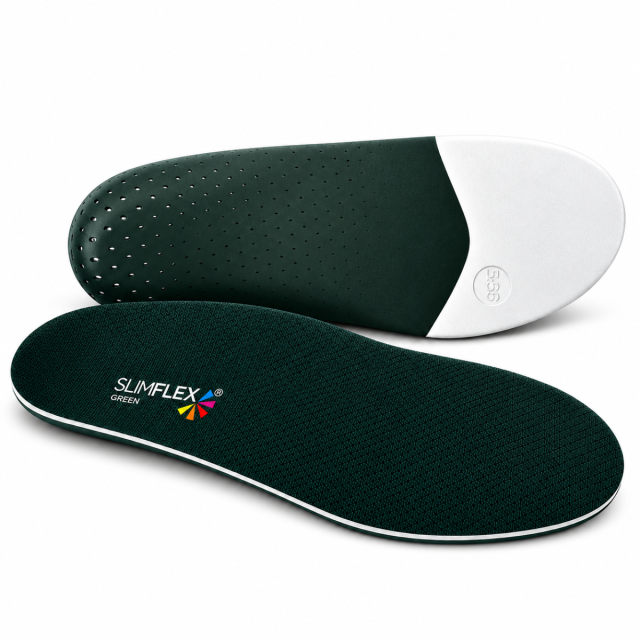
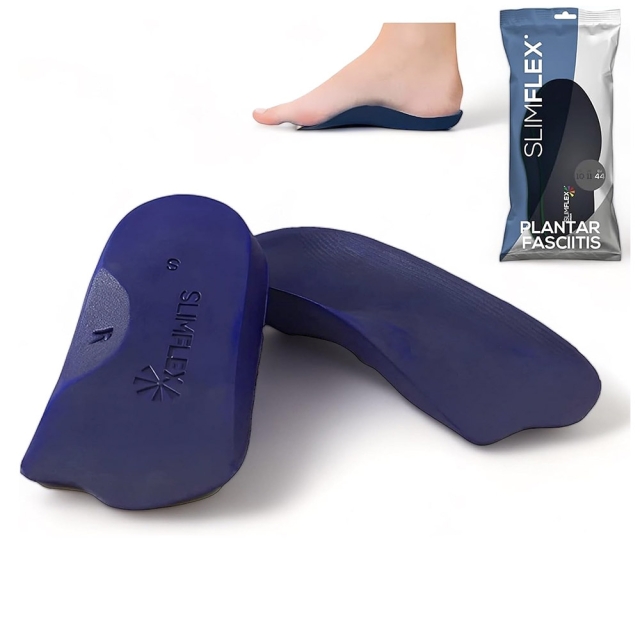
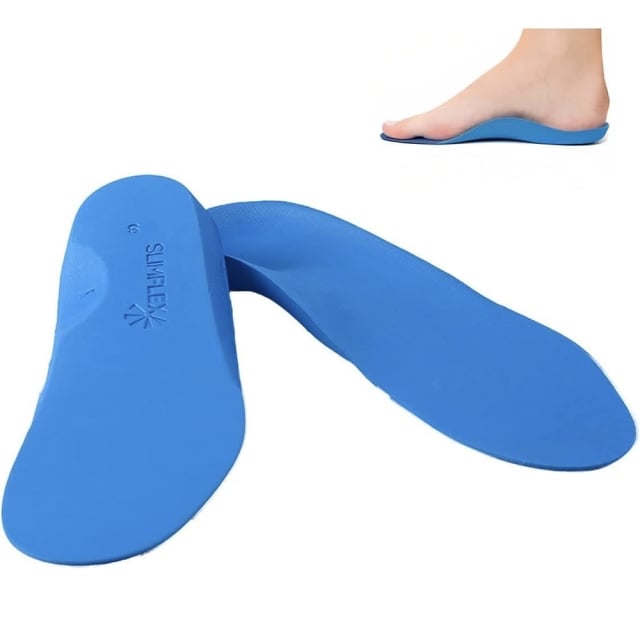
A prefabricated medium density EVA orthotic insole produced by Algeos in the UK. It provides contoured arch support, a deep heel cup, and a cushioned top cover. Clinicians can heat mould or modify the device to address common conditions such as plantar fasciitis, overpronation, and general arch related pain.
Manufacturer information: Algeos - Slimflex Comfort
How Slimflex Comfort works and why it matters
Foot support and load management
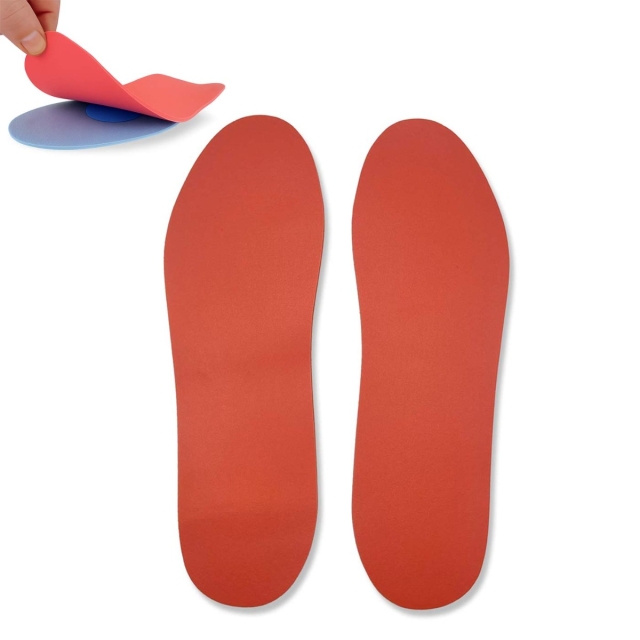
Slimflex Comfort is built around a medium density EVA base. This material compresses under load but returns to shape, which provides controlled cushioning rather than the very soft feel of gel inserts. The insole has a shaped longitudinal arch and a defined heel cup. Together these elements help to:
- Reduce excessive pronation during stance and gait
- Improve rearfoot stability by centring the heel in the shoe
- Redistribute pressure away from overloaded areas such as the plantar heel or metatarsal heads
Clinical adaptability
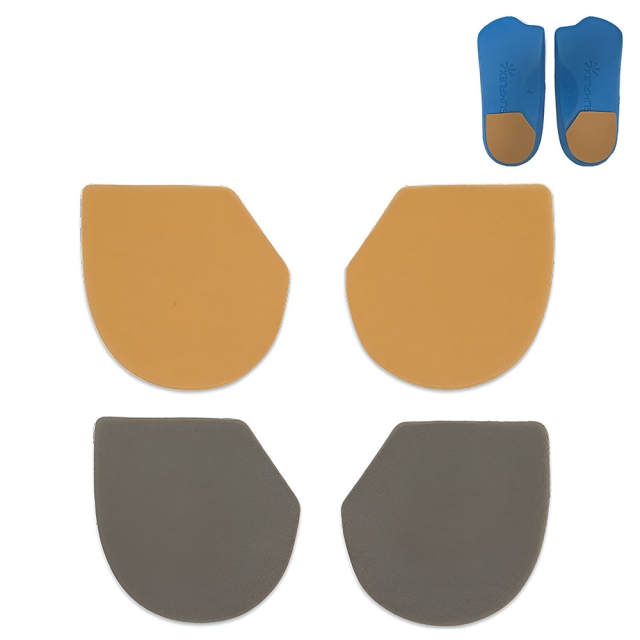
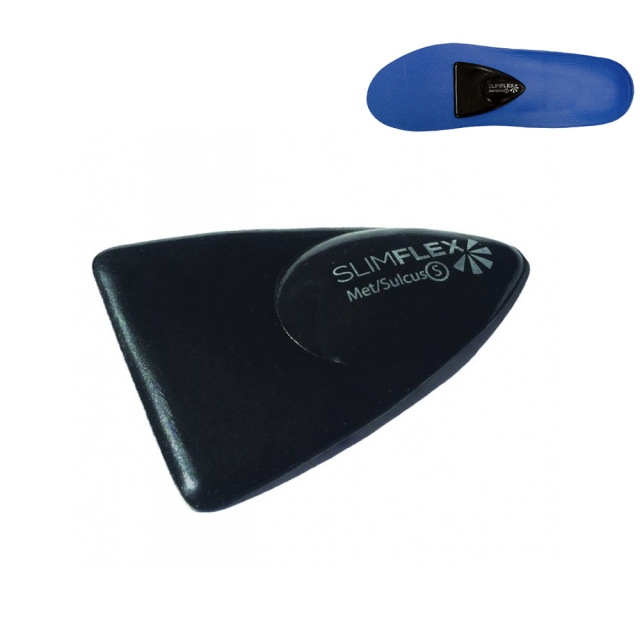
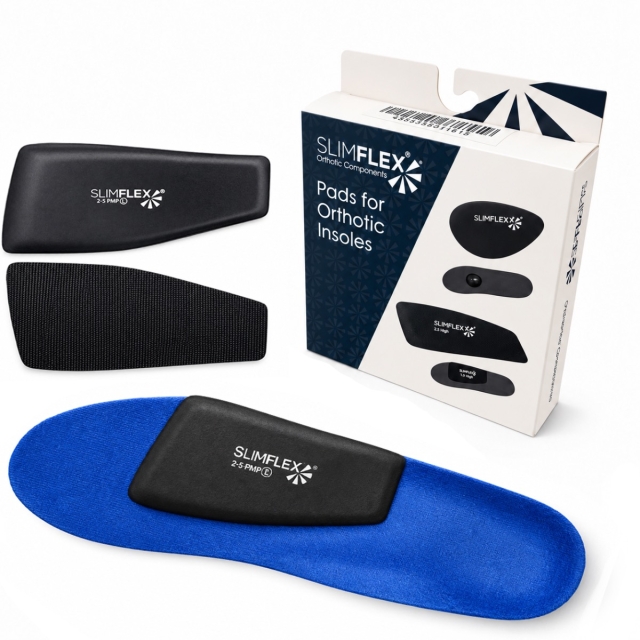
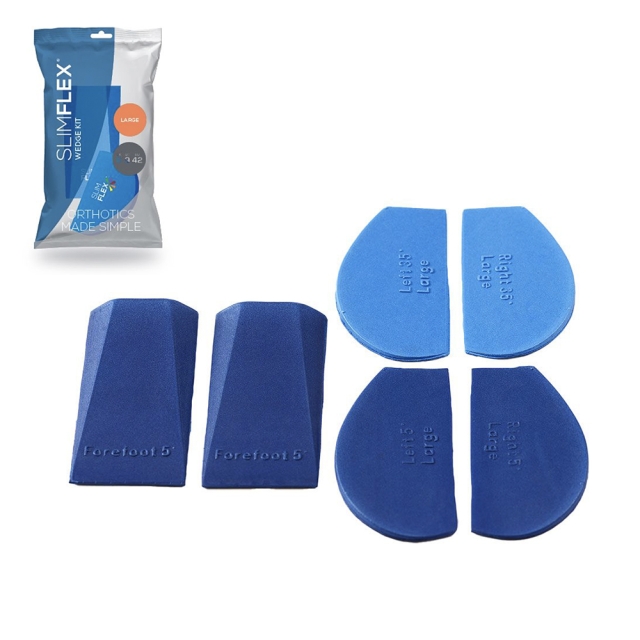
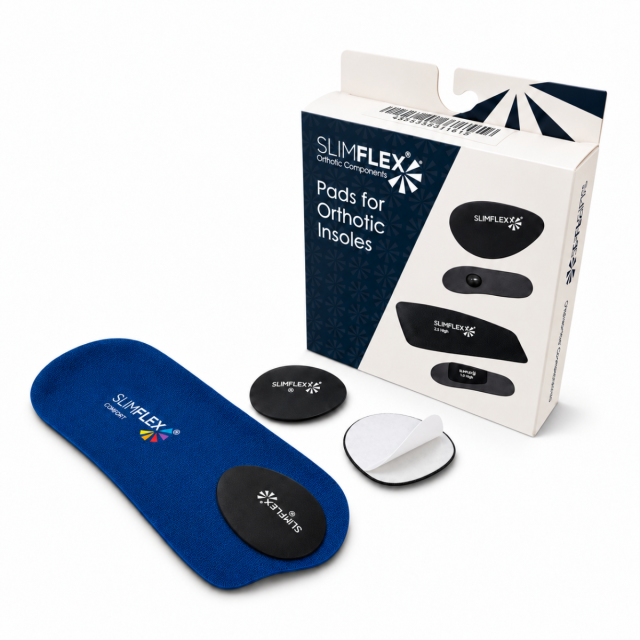
A key reason for the popularity of Slimflex within the NHS is its modifiability. The device can be heat moulded in clinic, which lets the clinician raise or lower the arch contour and adjust how the insole sits against the plantar surface. Wedges can be attached to the rearfoot or forefoot, and the EVA can be ground or cut to offload specific regions.
This ability to customise on the spot is particularly important in high throughput services where there is limited time, and where waiting for custom orthoses is not always practical. Many NHS podiatry teams use prefabricated devices such as Slimflex as a first line intervention, then escalate to custom solutions only when required.
Link to current evidence
Research on prefabricated orthoses as a group indicates that they can provide clinically meaningful benefits for conditions such as plantar heel pain. Trials reported in journals like the British Journal of Sports Medicine have shown improvements in pain and function when patients use structured insoles compared with sham devices or footwear alone. View plantar heel pain orthoses evidence
For diabetic patients, EVA based orthoses have been shown to reduce peak plantar pressures, which supports their role in ulcer prevention strategies. View plantar pressure reduction research
While not every study involves Slimflex specifically, the product design closely follows the features that research identifies as beneficial, such as consistent arch support, heel cupping, and use of EVA for shock attenuation and pressure distribution.
What users say
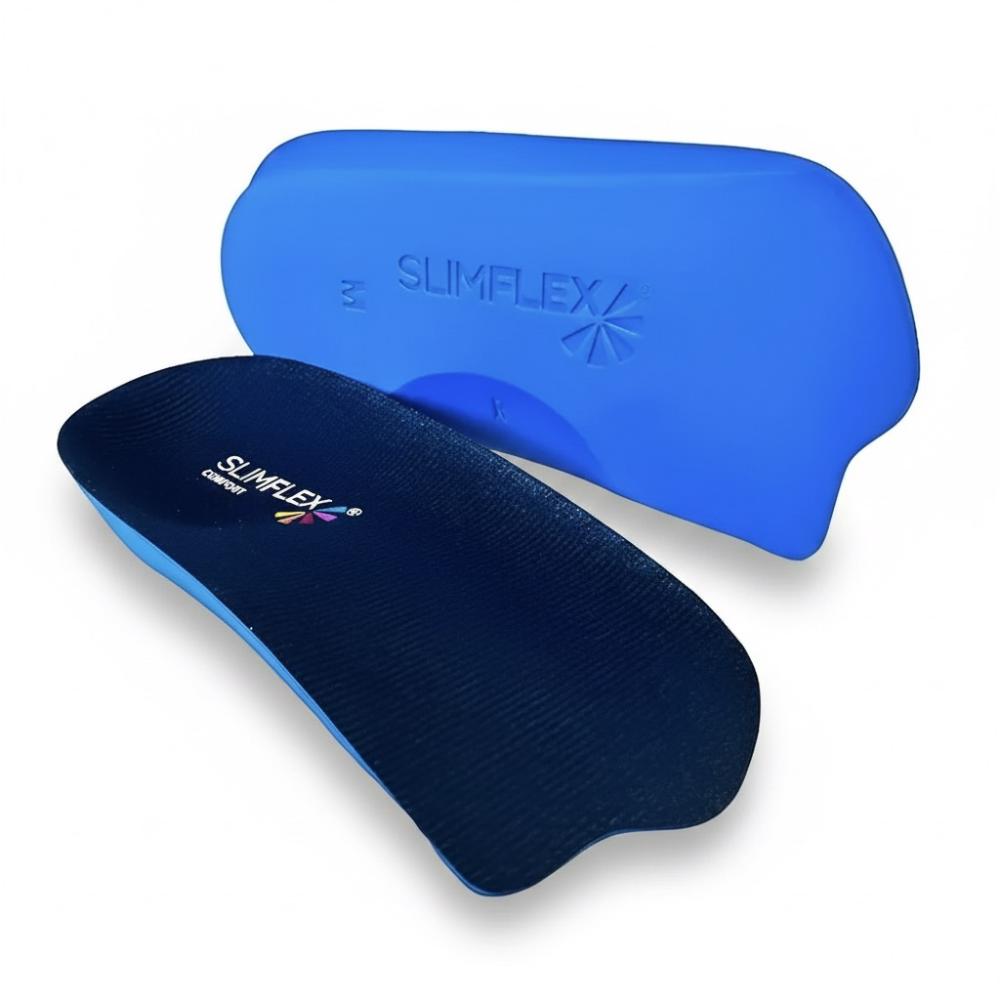
Slimflex Comfort has become well established on platforms such as Amazon UK, where people who have been prescribed Slimflex by the NHS can go buy new or additional pairs. It typically holds an average rating of around four stars from many purchasers. View Slimflex Comfort on Amazon UK
Pain relief for common conditions
Many reviewers report improvements in symptoms such as plantar fasciitis, arch pain or general fatigue when walking or standing. Comments frequently mention the ability to walk further or stand for longer with reduced discomfort, which is consistent with the expected mechanical effect of improved support and load sharing.
Comfort after an adjustment period
A recurring theme in reviews is that the insole can feel quite firm at first, particularly for users who have only used soft gel inserts previously. Most describe a short adjustment period. After several days of gradual wear the device starts to feel more natural, and the benefit in stability and support becomes more obvious.
Trusted because of NHS use
A striking proportion of customer reviews reference the NHS. Users often state that they first received Slimflex from a podiatrist or physiotherapist, then later sought out the same model online to replace worn pairs. This journey from clinic to retail highlights how professional endorsement and everyday use reinforce each other.
Step by step guide to using Slimflex Comfort
1. Clinical or self assessment
Ideally, a clinician evaluates foot posture, gait, footwear, and the main complaint. Slimflex Comfort is particularly suited to:
- Plantar heel pain and plantar fasciitis
- Overpronation and related tibial or knee strain
- Non specific arch pain or fatigue
- Situations where an interim device is required while custom orthoses are arranged
2. Selecting size and length
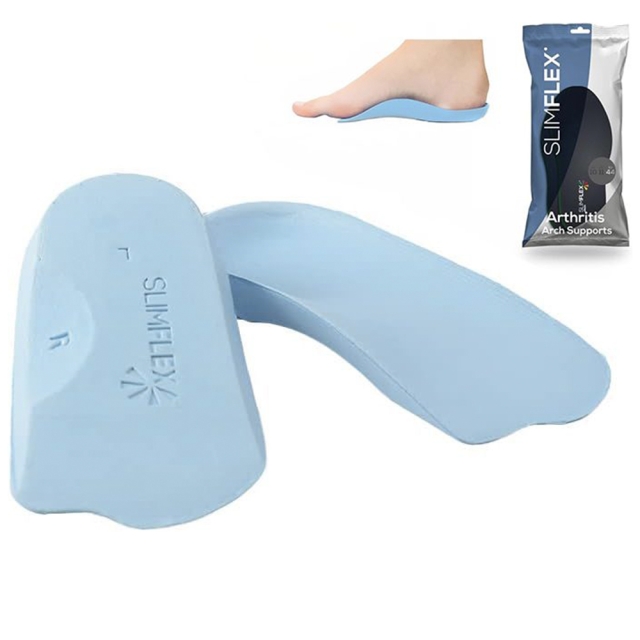
Slimflex Comfort is supplied in a range of sizes, usually trimmable to fit the shoe. Full length versions suit trainers and walking shoes where the original insole can be removed. Three quarter length versions can work better in low volume or smart shoes.
3. Optional heat moulding and posting
In clinical settings, the insole can be warmed with a heat gun or convection oven. The patient stands on the warm device inside the shoe or on a flat surface, which allows the EVA to conform slightly to the foot while maintaining its structural profile. Rearfoot or forefoot posts can be bonded on to modify alignment further.
4. Gradual wear in
To reduce the risk of transient discomfort, patients are usually advised to wear the insoles for one to two hours on the first day, then add one to two hours each day. After a week most users can tolerate full day wear without difficulty.
5. Review and fine tuning
Follow up reviews, whether in clinic or self directed, should look at pain levels, any new pressure points, and footwear compatibility. If issues arise, adjustments such as slight trimming, changes in posting, or moving to an alternative model may be needed.
6. Replacement schedule
EVA based orthoses compress over time. For most people, a replacement interval of six to twelve months works well, depending on bodyweight, occupation, and activity levels. The relatively low cost of Slimflex Comfort compared with many competitors makes regular replacement more achievable.
FAQ
1. Are Slimflex Comfort insoles suitable for everyone with foot pain
Not every patient will respond in the same way. Slimflex Comfort is a good first line option for many common conditions, but complex deformity, severe neuropathy or significant leg length difference may require custom orthoses or other interventions. Clinical assessment remains essential.
2. Can I use Slimflex Comfort in safety footwear
Yes, provided there is enough space. Many workers successfully use Slimflex in safety boots. The existing boot insole should be removed before fitting the Slimflex device and the insole should be trimmed carefully where required.
3. How long does it take before I notice an improvement
Some people feel better support immediately. Others notice changes over one to two weeks as tissues adapt and walking patterns adjust. A gradual increase in wear time usually helps to minimise any initial discomfort.
4. Is Slimflex Comfort as good as a custom orthotic
For many straightforward cases it can provide a level of relief that is close to custom devices, especially when it is professionally moulded and posted. For complex or high risk patients, custom orthoses may still provide superior control and fit.
5. Can I clean the insoles
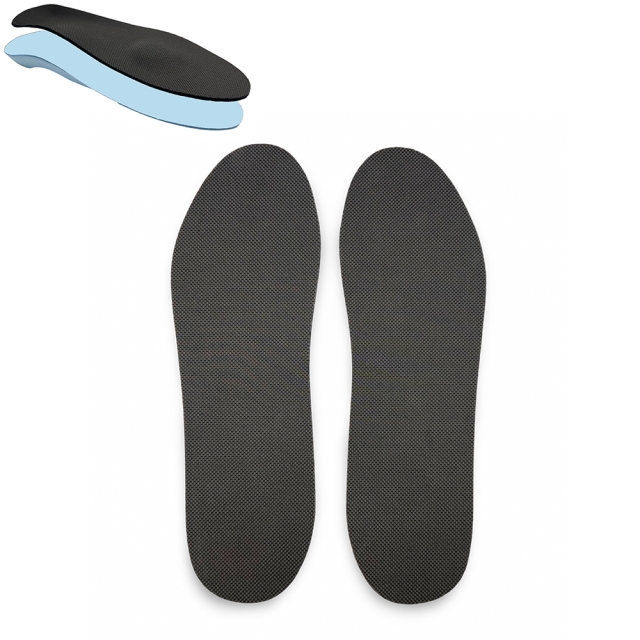
The fabric top cover can be wiped gently with a damp cloth and a mild soap solution, then left to air dry at room temperature. High heat sources such as radiators or direct sunlight should be avoided because they can distort the EVA material.
6. How do I know when to replace them
Signs that replacement is due include visible collapse of the arch profile, permanent flattening of the heel cup, or a feeling that support has become soft and unresponsive. Many users replace pairs roughly every six to twelve months.
7. Are Slimflex Comfort insoles available to buy directly
Yes. While many people first receive them through NHS podiatry, Slimflex Comfort can be purchased through trade suppliers and online retailers such as Amazon.
References and research sources
- Amazon UK. Slimflex Comfort orthotic insoles - customer ratings and reviews.
- British Journal of Sports Medicine. Orthoses for plantar heel pain. https://bjsm.bmj.com/content/55/5/247
- Bus SA, van Netten JJ. Plantar pressure offloading in people with diabetic foot ulcer risk. https://pubmed.ncbi.nlm.nih.gov/28730938/
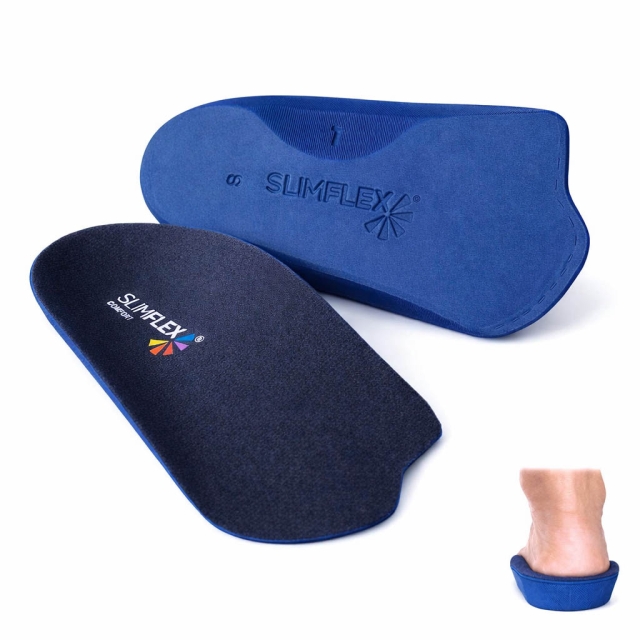
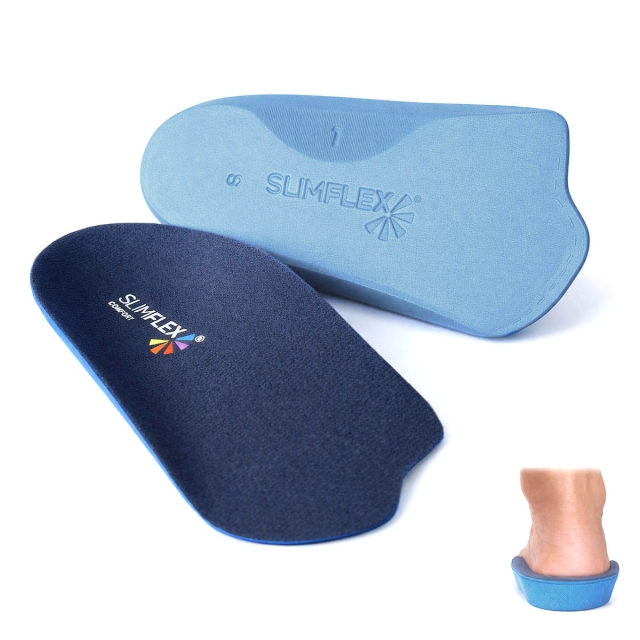
Sold: Sold per Pair
Incl. VAT Exl. VAT