





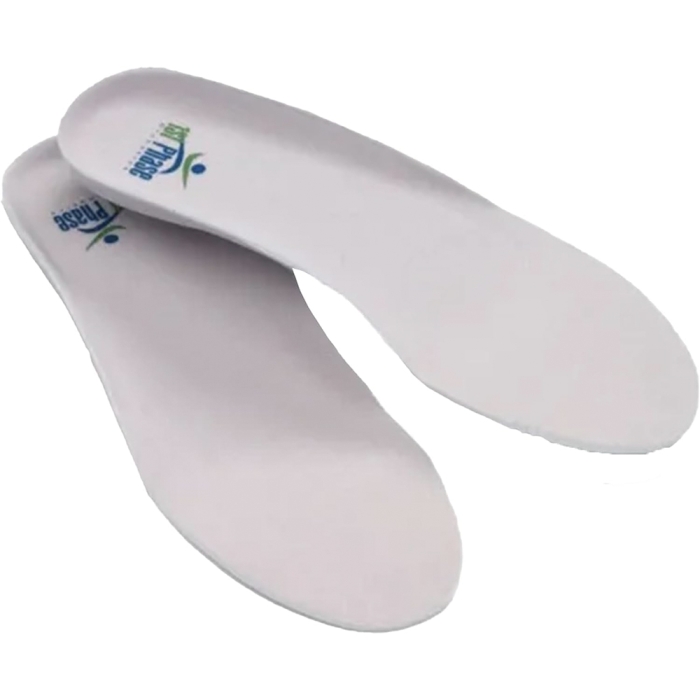
Slimflex EVA Insoles - for Orthotic Additions
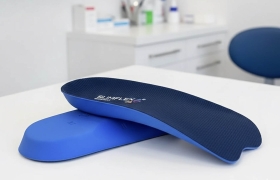
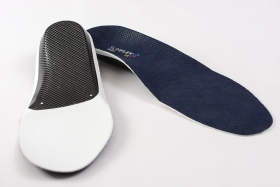
Basic and versatile white EVA insoles with soft grey towelling cover.
Can used with basic postings or alone as simple replacement trainer insole.
Sold: Sold per Pair
Incl. VAT Exl. VAT
Product Description
Low-profile everyday EVA insoles
A lightweight, full-length replacement insole designed for everyday comfort and practical in-shoe support, with a slim profile that suits many footwear styles.
Best for
- Refreshing worn shoes with a clean, comfortable insole feel
- Everyday walking and standing where a low-bulk insert is preferred
- People who want simple underfoot cushioning without dramatically changing shoe fit
Not ideal for
- Very tight footwear where any added layer causes pressure or crowding
- Users needing rigid, prescription-level control (a clinician may recommend a different device)
- Severe foot pain, numbness, or new swelling (seek professional assessment before self-managing)
- Low-profile design to help minimise bulk in day-to-day shoes
- EVA base for lightweight cushioning and practical support
- Soft top surface for a comfortable feel against socks or hosiery
Expected comfort and use timeline
Insoles can feel different from what your feet are used to, even when the change is subtle. A sensible break-in period helps you judge comfort and fit without overloading sensitive areas.
First use
Expect a slightly “new shoe” feel underfoot. The insole may feel supportive, cushioned, or simply cleaner and more stable than a worn original insert. If you notice pressure at the toes, sides, or arch, remove the insole and check sizing and shoe space before continuing.
Short-term (first few days)
Most people settle quickly into a replacement insole, especially when the profile is slim. Start with shorter wear periods and build up. Mild awareness of change is normal; sharp pain, rubbing, or tingling is not and should be addressed by adjusting fit or stopping use.
Ongoing use (over weeks)
With regular wear, the insole will typically feel more “part of the shoe.” Comfort is influenced by footwear type, activity level, and how worn the shoe’s internal lining is. Replace insoles when they become noticeably compressed, uneven, or difficult to keep clean.
What is it?
Slimflex EVA Standard Insoles are full-length replacement insoles made with an EVA (ethylene-vinyl acetate) base and a soft top cover. They are designed to sit inside everyday footwear to provide a fresh, comfortable insole layer and a practical foundation for in-shoe support.
The “standard” approach prioritises a low-profile fit and easy day-to-day wear. For many people, that means comfort without the bulky feel that can occur with thicker inserts. For healthcare-informed buyers, it can also function as a straightforward baseline insole where simple comfort and a predictable fit matter.
Who is it for?
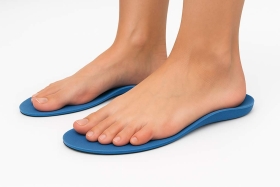
These insoles suit people who want a dependable, uncomplicated replacement for the original insole in trainers, work shoes, school shoes, casual footwear, and many boots. They are also suitable for those who prefer a lighter feel underfoot, or who want to preserve shoe space while improving comfort.
If you are used to minimalist footwear, or your shoes already fit closely, a slim insole can be a more comfortable starting point than a thicker cushion insert. If you use orthoses or inserts prescribed by a clinician, these insoles may be used in other shoes as a comfort alternative, but you should not replace prescribed devices without advice.
What does it help with?
These insoles are designed to improve comfort, freshness, and basic in-shoe support. They are not a substitute for medical treatment, but they may help with common day-to-day issues where a worn or thin insole contributes to discomfort.
- Worn shoe insoles → may improve comfort and reduce that “hard shoe” feeling underfoot
- General foot fatigue → can provide a softer interface between foot and shoe during walking or standing
- Hot spots from uneven shoe interiors → may help smooth out minor irregularities and reduce friction
- Light impact discomfort → can add a modest cushion layer without significantly changing shoe fit
- Everyday comfort in multiple pairs → supports consistency when rotating shoes across the week
- Basic arch/heel feel → a contoured insole can feel more stable than a completely flat insert
How does it work?
The EVA base provides a lightweight, resilient layer that supports the foot’s contact with the shoe while offering everyday cushioning. EVA is commonly used in footwear because it balances softness with shape retention. The top cover is intended to feel comfortable against socks and help manage everyday moisture and comfort.
In practical terms, the insole helps by giving your foot a more consistent surface to stand on. Many shoes become less comfortable as the original insole compresses or curls; replacing that layer can make shoes feel noticeably “newer” without changing the shoe itself.
Problem to solution guide
| Common problem | How the product helps |
|---|---|
| My shoes feel hard or “slappy” when I walk | Adds a lightweight cushioning layer that can soften ground contact and improve overall comfort. |
| The original insoles are worn, smelly, or uneven | Replaces the tired insole surface, helping shoes feel cleaner and more comfortable inside. |
| I want comfort but don’t have room for thick inserts | Low-profile design aims to reduce bulk, helping preserve space at the toes and sides. |
| I get minor rubbing from the shoe lining | A smooth top surface can reduce friction points compared with damaged or rough original insoles. |
| I’m on my feet all day and feel foot fatigue | Provides a consistent underfoot interface that can make standing and walking feel less harsh. |
| I switch between different shoes and comfort varies | Using a similar insole across pairs can help create a more consistent feel from shoe to shoe. |
Key benefits
- Lightweight EVA construction for everyday cushioning without excessive bulk
- Low-profile shape designed to fit comfortably in many common shoe types
- Soft top cover for a comfortable feel against socks and daily wear
- Helps refresh older shoes by replacing compressed or uneven original insoles
- Suitable for routine walking, commuting, workdays, and casual activity
- Easy, practical option for anyone wanting simple in-shoe comfort support
Fit and comfort check
Snug, not painful
These insoles should sit flat in the shoe and feel secure underfoot. A good fit is snug and stable, but never painful. If you feel pinching at the toes, pressure along the sides, or a “raised edge” under the arch, that usually means the shoe is too tight for an extra layer, the size is incorrect, or the insole is not seated properly.
- Heel position: the heel should sit neatly in the shoe’s heel cup without rocking.
- Toe space: you should still be able to wiggle your toes comfortably when standing.
- Flat placement: remove the insole and reinsert if it creases, bunches, or slides forward.
If you have diabetes, reduced sensation, or circulation concerns, check your skin after wear and seek professional advice if you notice redness that does not fade, blistering, or new pain.
Common mistakes to avoid
- Expecting a medical-grade correction: these are everyday replacement insoles. If you need specific biomechanical control, a clinician may recommend a different orthotic approach.
- Wearing all day immediately: if your feet are sensitive, build up wear time gradually to assess comfort safely.
- Forcing them into tight shoes: crowding can cause rubbing and pressure. Choose roomier footwear if needed.
- Ignoring new symptoms: tingling, numbness, sharp pain, or swelling should be assessed rather than “pushed through.”
How to use
- Remove the existing insole from your shoe (if removable). If it is glued in, avoid tearing shoe linings; use the new insole on top only if there is enough room and comfort.
- Choose the correct size for your footwear. If you are between sizes, aim for a secure fit that does not curl at the toes.
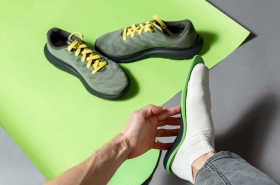
- Place the insole flat into the shoe, ensuring the heel is fully seated at the back and the insole lies smooth without creases.
- Test the fit standing up in both shoes. Walk a few steps to confirm there is no slipping, bunching, or pressure.
- Break in gradually if you are new to insoles or have sensitive feet: start with shorter wear, then build up as comfort allows.
- Maintain hygiene by airing shoes after use. If the top cover becomes damp, allow it to dry naturally away from direct heat.
Technical specifications
Specifications vary by size option and production batch. The details below describe the product in practical, buyer-friendly terms without assuming measurements that may differ between options.
| Specification | Detail |
|---|---|
| Product type | Full-length replacement insole |
| Base material | EVA (ethylene-vinyl acetate) foam |
| Top cover | Soft comfort cover (surface designed for everyday wear and feel) |
| Profile | Low-profile / slim design (exact thickness varies by option) |
| Fit | Universal pair by size; designed to sit inside standard footwear |
| Left/right shaping | Paired insoles supplied; contouring may be subtly shaped for typical left/right fit |
| Sizes | Multiple size options available (select the size that matches your footwear) |
| Colours | Varies by model; typically a light EVA base with a soft-toned top cover |
| Pack contents | 1 pair of insoles (2 units) |
| Care and cleaning | Wipe clean with a damp cloth; allow to air dry naturally; avoid direct heat sources |
| Intended wear context | Everyday shoes such as trainers, casual shoes, school shoes, and many boots (space dependent) |
If you require exact thickness, weight, or dimensional information for a specific size, refer to the selected option details or consult your clinic’s standard measurement process.
FAQ
Do I need to remove my existing insole first?
Where possible, yes. Removing the old insole usually gives the best fit and prevents the shoe from feeling tight. If the original insole is fixed in place, you can try placing these on top only if the shoe still feels comfortable and there is no toe pressure.
Will these insoles change how my shoes fit?
Any insole adds a layer underfoot, so fit can feel slightly snugger, especially in close-fitting shoes. These are designed to be low profile to help reduce bulk, but you should still check toe space and side pressure after inserting them.
Are they suitable for all-day wear?
Many people wear replacement insoles throughout the day. If you are new to insoles, have sensitive feet, or have had recent changes in activity, build up wear time gradually and stop if you develop pain or skin irritation.
Can I use them for foot pain like plantar heel pain?
They may help some people by improving underfoot comfort, but they are not a targeted medical treatment. Persistent heel pain, pain that is worse first thing in the morning, or symptoms that affect walking should be assessed by a healthcare professional.
Will they fit in boots or safety shoes?
Often yes, provided there is enough internal volume. Boots and safety footwear can vary widely; if the shoe already feels tight, choose a roomier fit or remove the original insole first. Always check for pressure points during the first few wears.
How do I know when to replace them?
Replace when they look visibly compressed, uneven, cracked, or when comfort noticeably drops off. If you see wear patterns that match new discomfort (for example, one side flattening), replacing earlier can help keep your shoes feeling consistent.
Are these suitable if I have diabetes or reduced sensation?
If you have reduced sensation, diabetes, or circulation concerns, be cautious with any new in-shoe product. Check your feet after wearing for redness or rubbing, introduce gradually, and seek professional guidance if you are unsure or if you notice any skin changes.
Complementary pairing suggestions
Depending on your footwear and comfort needs, the following product types can pair well with a low-profile replacement insole:
- Heel grips or heel cushions: helpful if the shoe heel feels loose or rubs, while the insole refreshes underfoot comfort.
- Metatarsal pads: for people who need targeted forefoot comfort support (best added with guidance to avoid placement errors).
- Arch support sleeves or simple arch pads: if you want a little more midfoot support without moving to a more rigid device.
- Moisture-managing socks: useful for comfort and everyday skin care, especially for long days on your feet.
- Shoe deodorising and hygiene products: to keep footwear fresher as you rotate insoles across different pairs.
If you combine multiple in-shoe products, check space carefully. Too many layers can increase pressure and reduce comfort.
Content credibility
Written by: Algeos Product & Clinical Content Team
Last reviewed: January 2026
Purpose: This content is provided to support informed purchasing and safe everyday use. It is not a diagnosis and does not replace personalised medical advice. If you have persistent pain, changes in sensation, or a medical condition affecting your feet, seek professional guidance.
Frequently bought together
Sold: Sold per Pair
Incl. VAT Exl. VAT
Sold: Sold per Pair
Incl. VAT Exl. VAT
Sold: Sold per Pair
Incl. VAT Exl. VAT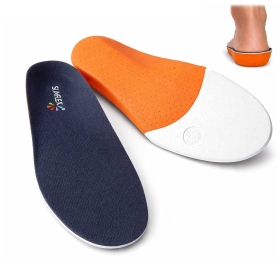
Sold: Sold per Pair
Incl. VAT Exl. VAT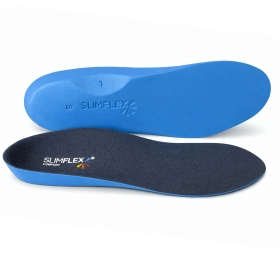
Sold: Sold per Pair
Incl. VAT Exl. VATSold: Sold per Pair
Incl. VAT Exl. VAT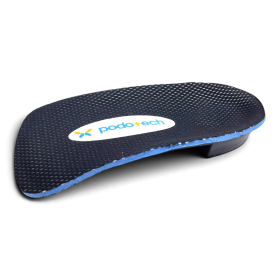
Sold: Pair
Incl. VAT Exl. VAT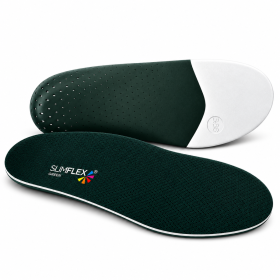
Sold: Sold per Pair
Incl. VAT Exl. VAT
Sold: Sold per Pair
Incl. VAT Exl. VAT
Sold: 5 Pairs
Incl. VAT Exl. VAT
Sold: Sold per Pair
Incl. VAT Exl. VATSold: Sold per Pair
Incl. VAT Exl. VAT
Sold: Sold per Pair
Incl. VAT Exl. VAT
Sold: Pair
Incl. VAT Exl. VAT
Sold: Sold per Pair
Incl. VAT Exl. VAT
Sold: Pack of 10
Incl. VAT Exl. VAT
Sold: Sold per Pair
Incl. VAT Exl. VAT
Sold: Pack of 6
Incl. VAT Exl. VAT
Sold: Pair
Incl. VAT Exl. VAT
Sold: Sold per Pair
Incl. VAT Exl. VAT
Sold: Sold per Pair
Incl. VAT Exl. VAT
Sold: Sold per Pair
Incl. VAT Exl. VAT
Sold: Pack of 5 Pairs
Incl. VAT Exl. VAT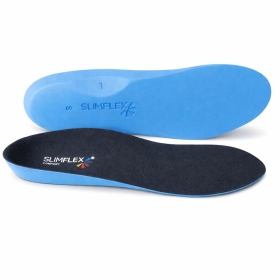
Sold: Sold per Pair
Incl. VAT Exl. VAT
Sold: Pair
Incl. VAT Exl. VAT
Sold: 5 Pairs
Incl. VAT Exl. VAT
Sold: Sold per Pair
Incl. VAT Exl. VAT
Sold: Sold per Pair
Incl. VAT Exl. VAT


Sold: Sold per Pair
Incl. VAT Exl. VAT