





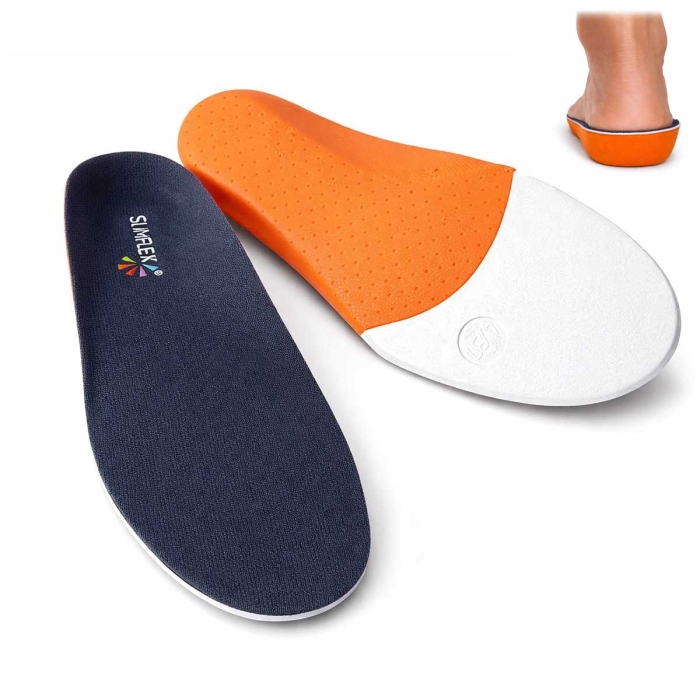
Slimflex Amber Arch Support Insoles for Overpronation
Arch Support Insoles for Overpronation of the feet can improve foot alignment, reduce pain and prevent injuries.
Anatomically contoured for perfect inshoe fit.
10 Sizes to choose from - the UK's best fitting device, even kids sizes.
Longitudinal arch and deep heel cup provide increased support.
Clinicians can buy direct or via the NHS Supply Chain portal.
Sold: Sold per Pair
Incl. VAT Exl. VAT
Product Description
Comortable, but firm Orthotic Insoles for Overpronation
Slimflex Amber is a firm orthotic insole designed to support the natural structure of the foot while helping control excessive pronation.
Overpronation occurs when the foot rolls inward more than normal during walking or running. This can place additional stress on muscles, ligaments, and joints throughout the foot and lower limb.
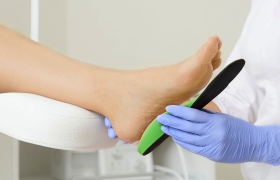
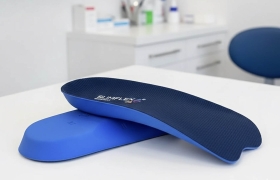
The insole features a structured orthotic shell with a defined longitudinal arch and deep heel cup. These elements work together to support the rearfoot and midfoot, encouraging a more balanced foot position inside the shoe.
Unlike soft cushioning insoles, Slimflex Amber provides structural support. The firm arch contour helps stabilise the foot during movement while still remaining comfortable enough for everyday wear.
The slim profile allows the insole to fit into many types of footwear including trainers, walking shoes, work shoes, and some casual footwear.
The insole is also designed to allow heat moulding and professional modification when required. This makes it a useful option for clinicians who wish to trial different orthotic postings or adjustments.
Who is it for?
Slimflex Amber insoles are suitable for a wide range of people who require structured arch support. They are often chosen as an introduction to orthotic therapy because they provide meaningful support without the complexity of fully custom orthoses.
They may be suitable for:
- People with flat feet or fallen arches
- Individuals experiencing overpronation during walking or sport
- Those looking for additional support inside everyday footwear
- People beginning orthotic treatment for foot alignment concerns
- Active individuals who need a lightweight but supportive insole
- Clinicians looking for a reliable off-the-shelf orthotic device
The wide size range also makes Slimflex Amber suitable for adults and younger wearers, helping ensure a better in-shoe fit across different foot sizes.
What does it help with?
The structured support offered by Slimflex Amber insoles may help reduce strain placed on the foot and lower limb during walking, running, or standing.
- Overpronation: supports the arch and helps guide the foot into a more stable position
- Flat feet: provides structural arch support that may reduce fatigue
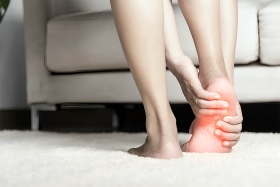
- Plantar fasciitis: helps reduce tension on the plantar fascia by supporting the arch
- Shin splints: improved alignment may reduce stress travelling up the lower leg
- Posterior tibial tendon strain: arch support may help reduce overload on the tendon
- High arches (pes cavus): structured support may help distribute pressure more evenly
- Lateral ankle instability: the deep heel cup supports rearfoot positioning
- Cavovarus foot posture: stabilisation may help improve weight distribution
While orthotic insoles can support foot mechanics, they should be considered part of a broader approach to foot care where necessary.
How does it work?
Slimflex Amber insoles work by providing mechanical support to the arch and heel of the foot. The rigid arch structure supports the medial longitudinal arch, which plays a key role in absorbing and distributing forces during movement.
The deep heel cup helps position the heel bone in a more stable alignment. When the rearfoot is better controlled, the rest of the foot and lower limb often move more efficiently during walking or running.
The slim orthotic profile allows the device to fit comfortably within most footwear while maintaining structural support. A perforated underlayer helps promote airflow inside the shoe, which can assist with moisture management during longer periods of wear.
The orthotic shell can also be heat modified by professionals when required. This flexibility allows clinicians to adjust the device to better match individual biomechanical needs.
Key benefits
- Firm orthotic arch support designed to help manage overpronation
- Deep heel cup helps stabilise the rearfoot during movement
- Lightweight construction suitable for everyday footwear and sport
- Anatomically contoured shape designed for a secure in-shoe fit
- Breathable perforated layer helps improve airflow inside shoes
- Heat moulding capability allows professional modification when required
Fit & comfort check
The insole should feel supportive but not painful. A snug fit inside the shoe helps ensure the orthotic functions properly.
- The arch should feel supportive rather than sharply pressing into the foot
- The heel should sit comfortably inside the heel cup
- The insole should lie flat inside the shoe without lifting
- If discomfort occurs, reduce wear time and increase gradually
If persistent discomfort occurs, advice from a foot health professional may be helpful.
Common mistakes to avoid
- Wearing the insoles all day immediately without allowing time to adapt
- Expecting immediate changes in long-standing foot problems
- Using the insoles in shoes that are too tight or shallow
- Assuming one type of insole will solve all foot comfort issues
How to use Slimflex Amber
- Remove the existing insole from your shoe if possible.
- Place the Slimflex Amber insole into the shoe with the arch facing upward.
- Ensure the heel sits fully into the heel cup of the insole.
- Start by wearing the insoles for short periods during the first few days.
- Gradually increase wear time as your feet adapt to the support.
- Check periodically that the insole remains flat and correctly positioned.
Indications
- Over pronation of the foot and flat feet
- Shin splints.
- Posterior Tibial Tendon Dysfunction
- Pes Cavus (High Arches)
- Cavovarus Foot
- Lateral Ankle Instability
- Plantar Fasciitis
Professional Usage Tips
- Use a Slimflex Amber with a 5 degree rear foot wedge (MOSI).
- Use a Slimflex Amber with a kinetic wedge for a hallux limitus presentation.
- Try a Slimflex Amber with a Podotech 6mm heel component to help treat functional ankle equinus.

FAQ
What is overpronation, and how does it affect my feet?
Overpronation occurs when the foot rolls inward excessively while walking or running, causing the arch to flatten more than usual.
This can lead to uneven weight distribution and increased stress on the foot's structures, potentially resulting in conditions like plantar fasciitis, shin splints and knee pain.
How can over pronation insoles help?
Insoles, particularly those with supportive features, can help control overpronation by providing arch support and stabilising the heel. This promotes proper foot alignment, enhances shock absorption, and reduces stress on the foot and lower limb joints.
Are custom-made insoles better than over-the-counter options?
Custom-made insoles are tailored to an individual's specific foot structure and biomechanics, potentially offering more precise support.
Over-the-counter insoles, while generally less expensive, may not address unique foot characteristics as effectively. Consulting with a healthcare professional can help determine the most suitable option based on individual needs.
Can the insoles fit into any type of shoe?
Insoles come in various designs and volumes to accommodate different shoe types. It's essential to choose insoles that match the intended footwear to ensure comfort and effectiveness. For example, low-volume insoles are suitable for dress shoes, while high-volume insoles are better for athletic footwear.
How do I know if I need insoles?
If you experience foot pain, discomfort in the ankles, knees, hips, or lower back, or notice uneven wear on your shoes, it may indicate pronation problems.
A biomechanical assessment by a qualified professional can help determine if insoles would be beneficial.
Can insoles prevent injuries related to overpronation?
Yes, by promoting proper foot alignment and reducing excessive inward rolling, insoles can help prevent injuries associated with overpronation, such as shin splints, plantar fasciitis, and knee pain.
How often should I replace my insoles?
The lifespan of insoles depends on factors like usage frequency, activity level, and material quality. Generally, insoles should be replaced every 12 months with regular use, but this can vary based on individual circumstances.
Understanding pronation and the role of insoles can significantly impact foot health and overall comfort. Consulting with a healthcare professional or a specialist in foot mechanics can provide personalised guidance tailored to your specific needs.
Frequently bought together
Sold: Sold per Pair
Incl. VAT Exl. VAT
Sold: Sold per Pair
Incl. VAT Exl. VAT
Sold: Sold per Pair
Incl. VAT Exl. VATSold: Sold per Pair
Incl. VAT Exl. VAT
Sold: Sold per Pair
Incl. VAT Exl. VAT
Sold: Sold per Pair
Incl. VAT Exl. VAT
Sold: 5 Pairs
Incl. VAT Exl. VAT
Sold: Sold per Pair
Incl. VAT Exl. VAT
Sold: Pack of 10
Incl. VAT Exl. VAT
Sold: 5 Pairs
Incl. VAT Exl. VAT
Sold: Sold per Pair
Incl. VAT Exl. VAT
Sold: Sold per Pair
Incl. VAT Exl. VATSold: Sold per Pair
Incl. VAT Exl. VAT
Sold: Sold per Pair
Incl. VAT Exl. VAT
Sold: Sold per Pair
Incl. VAT Exl. VAT
Sold: Sold per Pair
Incl. VAT Exl. VAT
Sold: Sold per Pair
Incl. VAT Exl. VAT
Sold: Sold per Pair
Incl. VAT Exl. VAT
Sold: Sold per Pair
Incl. VAT Exl. VAT
Sold: Pair
Incl. VAT Exl. VAT
Sold: Sold per Pair
Incl. VAT Exl. VAT
Sold: Sold per Pair
Incl. VAT Exl. VAT
Sold: Sold per Pair
Incl. VAT Exl. VAT
Sold: Pack of 5 Pairs
Incl. VAT Exl. VAT
Sold: Sold per Pair
Incl. VAT Exl. VAT
Sold: Pair
Incl. VAT Exl. VAT
Sold: Sold per Pair
Incl. VAT Exl. VAT
Sold: Sold per Pair
Incl. VAT Exl. VAT
Sold: Sold per Pair
Incl. VAT Exl. VAT
Sold: Sold per Pair
Incl. VAT Exl. VAT
Sold: Sold per Pair
Incl. VAT Exl. VAT
Sold: Pair
Incl. VAT Exl. VAT
Sold: Pair
Incl. VAT Exl. VAT
Sold: Sold per Pair
Incl. VAT Exl. VAT
Sold: Pair
Incl. VAT Exl. VAT
Sold: Pair
Incl. VAT Exl. VAT
Sold: Pair
Incl. VAT Exl. VAT
Sold: Pair
Incl. VAT Exl. VAT
Sold: Sold per Pair
Incl. VAT Exl. VAT
Sold: Sold per Pair
Incl. VAT Exl. VAT
Sold: Sold per Pair
Incl. VAT Exl. VAT
Sold: Sold per Pair
Incl. VAT Exl. VAT
Sold: Pack of 5 Pairs
Incl. VAT Exl. VAT
Sold: Pack of 5 Pairs
Incl. VAT Exl. VAT
Sold: Pack of 5 Pairs
Incl. VAT Exl. VAT
Sold: Each
Incl. VAT Exl. VAT
Sold: Sold per Pair
Incl. VAT Exl. VAT
Sold: Pack of 6
Incl. VAT Exl. VAT
Sold: Pair
Incl. VAT Exl. VAT
Sold: Pair
Incl. VAT Exl. VAT
Sold: Pack of 10 pairs
Incl. VAT Exl. VAT




Sold: Sold per Pair
Incl. VAT Exl. VAT